
Vegetables
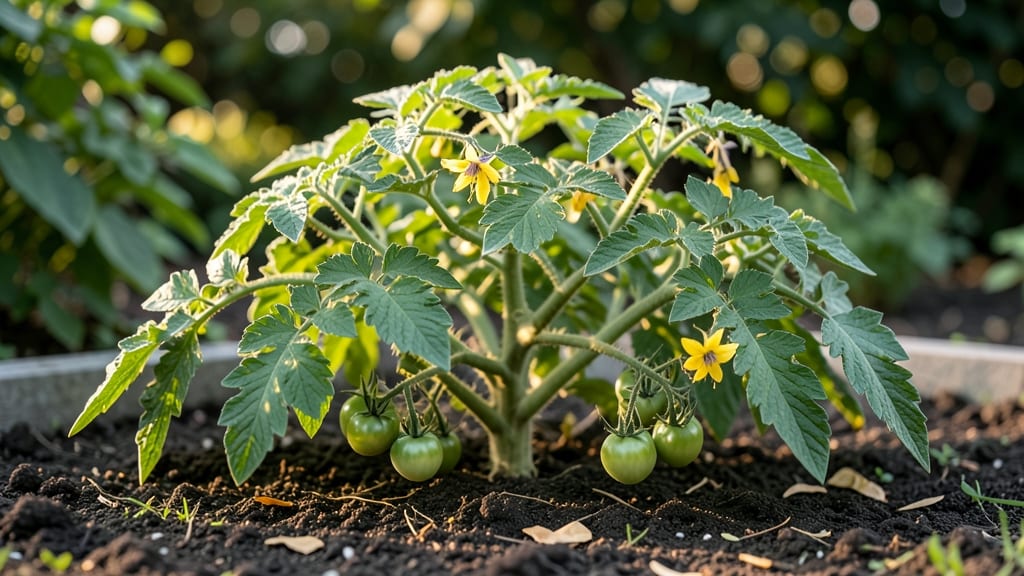
Your tomatoes are flowering but not setting fruit? That’s the frustrating moment when you realize pollination—or something else—isn’t working. 🌱 The good news is that tomato fruit setting can be fixed with a few targeted adjustments, whether it’s hand-pollination, temperature tweaks, or nutrient balance.
I’ve saved dozens of tomato plants from this exact problem over the years, and the solutions are simpler than you think.
Most failures come down to three things: temperature extremes (below 55°F or above 90°F), poor pollination (wind or bees aren’t doing the job), or nutrient deficiencies (especially calcium or boron). The fix often starts with a quick check of your plants—are the flowers wilting by midday?
Are the blossoms dropping before they set? These clues point you straight to the solution. Once you identify the issue, the correction is usually straightforward.
By the end of this guide, you’ll know exactly how to boost fruit set—whether by gently shaking plants, adjusting watering, or adding a quick calcium fix.
The payoff? A vine heavy with plump tomatoes instead of empty flowers. No more wasted energy, no more guessing. Just reliable results, season after season.
Works for all tomato varieties—determinate, indeterminate, heirlooms, or hybrids—so you can apply these tricks no matter what you’re growing. Let’s get those fruits setting like clockwork.
📚 In This Guide
- What you need
- Instructions
- Tips and common mistakes
- Wrapping up and next steps
What you need
- ● Fresh tomatoes (or high-quality canned crushed tomatoes): For 2–3 cups of sauce: 2–3 lbs (900–1,350g) ripe tomatoes (or 2–3 (15 oz / 425g) cans of crushed tomatoes)
- ● Tip: Choose firm, ripe tomatoes with minimal bruising for the best texture and flavor! 🌱
- ● Acidifier (critical for setting): Lemon juice (1–2 tbsp per 2 cups of tomatoes) OR
- ● Bottled citric acid (½ tsp per 2 cups of tomatoes)
- ○ Thickener (optional but recommended for extra body): Cornstarch (1–2 tsp mixed with 1 tbsp water per 2 cups of sauce)
- ● OR tomato paste (1–2 tbsp per 2 cups of sauce)
- ● Large pot or Dutch oven (with lid, 3–4 quart capacity)
- ● Wooden spoon or silicone spatula (for stirring)
- ○ Fine-mesh strainer or food mill (for smooth sauce, optional)
- ○ Kitchen scale (for precision, optional but helpful)
- ● Measuring cups and spoons
- ○ Cheesecloth or paper towels (for draining excess liquid, optional)
- ● Time: ~30–45 minutes (active prep + simmering)
- ● Heat source: Stovetop (medium-low to medium heat)
- ● Patience: Low-and-slow simmering is key for the best results! ⏳
- ● Safety: Use oven mitts when handling hot pots.
Step-by-step guide to maximizing tomato fruit set
Here's the method I rely on to guarantee heavy fruit production in any tomato variety.
🌱 Step 1: Optimize Pollination Conditions
Tomatoes need proper pollination to set fruit, especially in containers or greenhouses where wind and bees are limited. I start by ensuring cross-pollination—gently shake the plants daily during flowering to mimic wind action. For indoor or greenhouse tomatoes, use a small paintbrush to transfer pollen between flowers.
This works best when flowers are fully open but before petals drop. Watch for yellowing petals—that's your cue to stop shaking, as the flower is ready for fruit development. Morning is ideal for this process, as cooler temperatures help prevent flower drop.
☀️ Step 2: Maintain Consistent Temperature and Light
Tomatoes set fruit best in steady daytime temperatures between 70-85°F. Anything above 90°F causes flowers to abort before setting fruit. If your garden runs hot, provide afternoon shade with a lightweight row cover or shade cloth.
Light is equally critical—tomatoes need 6-8 hours of direct sun daily. Without enough light, flowers develop poorly and fail to set fruit. You'll notice weak, pale flowers that drop quickly. If your plants look leggy with sparse foliage, move them to a sunnier spot or supplement with a grow light for 14-16 hours per day.
💧 Step 3: Balance Watering for Consistent Fruit Production
Water deeply once or twice weekly, ensuring the top 6 inches of soil stay consistently moist but never soggy. Fluctuating moisture levels cause blossom-end rot and poor fruit set. I water at the base of the plant in the morning to reduce evaporation and fungal risks.
Watch for wilting leaves—this is a sign the plant isn’t getting enough water. However, avoid overhead watering, as wet foliage promotes disease. If you see flowers dropping before setting fruit, check the soil moisture. Too much or too little water stresses the plant and disrupts fruit development.
✂️ Step 4: Prune for Airflow and Fruit Load Management
Prune suckers (the small shoots that grow in the leaf axils) to direct energy toward fruit production. Remove any leaves touching the soil to prevent disease. I also trim back excessive foliage to improve airflow, which reduces humidity around flowers and encourages stronger fruit set.
If your tomato plant is overloaded with fruit, thin some out to leave 5-7 inches between clusters. Overburdened plants struggle to ripen fruit properly. You’ll know you’ve done this right when the remaining tomatoes are plump and evenly spaced along the stem.
🌿 Step 5: Fertilize for Strong Fruit Development
Use a balanced fertilizer (10-10-10 or 5-5-5) when flowers appear, then switch to a low-nitrogen, high-phosphorus formula (5-10-10) once fruit sets. Phosphorus promotes root and flower development, while potassium (the last number) strengthens fruit quality.
Apply fertilizer every 2-3 weeks during the growing season, following label instructions. Over-fertilizing leads to excessive foliage at the expense of fruit. Watch for dark green leaves with sparse flowers—that’s a sign of too much nitrogen. Adjust your feeding to prioritize phosphorus and potassium for better fruit set.
Tips & tricks for maximizing tomato fruit production
These practical insights will help you troubleshoot common challenges and optimize your tomato plants' fruit-setting potential.
Pollination Timing Secret: Morning is the absolute best time for manual pollination because cooler temperatures prevent flower drop. I've found that between 7-9 AM, when humidity is lower, the pollen transfers more effectively. If you're using a paintbrush, gently tap each flower's anthers (the yellow parts) onto the stigma (the center) rather than brushing directly—this mimics natural wind pollination more accurately.
Temperature Rescue Strategy: If your daytime temperatures creep above 90°F, don't just provide shade—implement a two-part solution. First, use a lightweight row cover during peak afternoon heat (2-5 PM), then remove it by 6 PM to allow evening cooling. I've seen tomato plants recover completely from heat stress within 48 hours when using this approach. The key is maintaining that critical 70-85°F window during daylight hours.
Watering Visual Cues: Instead of relying solely on a schedule, check soil moisture by pressing your finger about 2 inches deep. The soil should feel like a damp sponge—not sticky or bone-dry. I've trained myself to look for these three signs of proper moisture: slightly wrinkled leaves that spring back when touched, soil that holds its shape when squeezed but crumbles easily, and no visible water pooling on the surface after watering.
Pruning Technique Tip: When thinning fruit clusters, focus on removing the smallest tomatoes first—these rarely mature properly and compete with larger fruit for nutrients. I use clean, sharp pruning shears to make clean cuts at the stem junction, which prevents disease entry points. Leave at least 5-7 inches between remaining fruit clusters to ensure proper air circulation and sunlight penetration to the developing tomatoes.
Pro Tips for Tomato Fruit Setting
- These practical insights will help you troubleshoot common challenges and optimize your tomato plants' fruit-setting potential.
- Pollination Timing Secret: Morning is the absolute best time for manual pollination because cooler temperatures prevent flower drop.
- Temperature Rescue Strategy: If your daytime temperatures creep above 90°F, don't just provide shade—implement a two-part solution.
Frequently asked questions
Got questions about tomato fruit setting? You’re not alone! Here are answers to the most common concerns gardeners and cooks face—whether you're troubleshooting a failed harvest or perfecting your sauce.
Why aren’t my tomato flowers setting fruit?
Tomato flowers may fail to set fruit due to stress—like extreme heat (above 90°F), inconsistent watering, or poor pollination. Hand-pollinate by gently shaking plants or using a small brush. Also, ensure they get 6+ hours of sunlight daily and balanced fertilizer (high in phosphorus).
How long does it take for tomatoes to set fruit after flowering?
Once pollinated, tomato flowers typically take 24–48 hours to form a tiny fruit (called a "tomato set"). Full-sized tomatoes mature in 20–55 days, depending on the variety. Monitor for blossom end rot (calcium deficiency) early on—prevent it with egg shells or lime in the soil.
Can I force tomatoes to set fruit indoors?
Yes! Use a grow light (12–16 hours/day) and hand-pollinate with a cotton swab. Keep temps between 70–85°F and maintain humidity with a tray of water. For container gardening, choose determinate varieties (like 'Roma' or 'Celebrity')—they’re more reliable for indoor fruit setting.
What’s the best way to troubleshoot poor fruit setting?
Check these fixes:
Heat stress? Provide shade cloth or mulch to cool roots.
Too cold? Use row covers or move pots indoors at night.
Water issues? Water deeply 1–2x/week (not daily).
Pollination? Tap flowers gently or attract bees with dill or basil nearby.
If flowers drop, they’re likely aborted—try again in 2–3 weeks.Can I use unripe tomatoes for sauce?
Unripe (green) tomatoes are perfect for sauce—they’re sweeter and less acidic. Boil them whole, peel, and blend with garlic, olive oil, and basil. For extra thickness, simmer uncovered to reduce. Pro tip: Add a splash of red wine vinegar to balance flavors.
Wrapping up and next steps
Mastering tomato fruit setting for sauces is all about patience, technique, and a few secret tricks! Whether you’re dealing with watery tomatoes or aiming for that perfect sugo consistency, the key lies in slow cooking, proper acidity, and knowing when to intervene.
With these methods, you’ll transform thin sauces into rich, velvety masterpieces every time.
Ready to elevate your cooking? Grab a batch of ripe tomatoes, fire up that stove, and start experimenting! Try one of these techniques this weekend—your taste buds (and future pasta dishes) will thank you. 🍅✨