
Vegetables
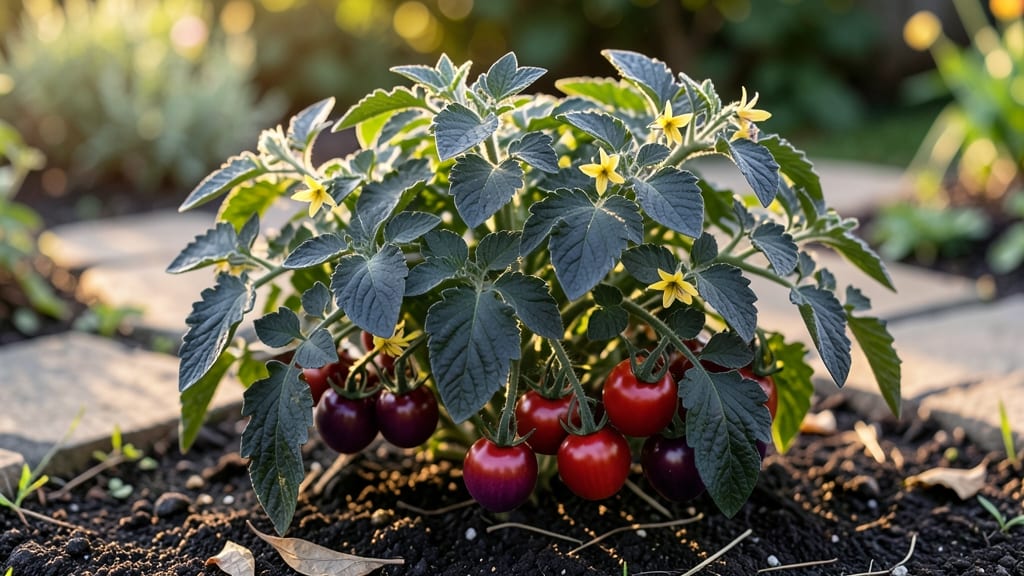
Your garden just got a cool-climate superstar—the tomato indigo cherry drops thrive where others fail. 🌱 These deep purple-black beauties pack disease resistance, sweet-tart flavor, and the ability to produce in temperatures other tomatoes avoid.
I’ve grown them for three seasons now, and they’ve never disappointed, even in my Zone 5 summers. The secret lies in their anthocyanin-rich skin, which protects them from sun scorch and fungal diseases. You’ll need well-draining soil, full sun, and consistent moisture—but no fancy equipment.
A simple trellis keeps plants compact, and you’ll harvest cherry-sized tomatoes all season long, from early summer until frost. What makes them special? The flavor—bursting with complexity—and the way they turn a deep indigo when exposed to light. They’re also dwarf-sized, perfect for containers or small spaces.
Just avoid overwatering (they hate soggy roots) and prune suckers early to focus energy on fruit production. Beginner-friendly but packed with garden-smart genetics, these tomatoes prove you don’t need a greenhouse to grow something extraordinary. Let’s get those seeds in the ground!
📚 In This Guide
- What you need
- Instructions
- Tips and common mistakes
- Wrapping up and next steps
What you need
- ● Seeds: 1 packet of Solanum lycopersicum ‘Indigo Cherry Drops’ (10-20 seeds per packet, non-GMO, heirloom variety).
- ● Seed-starting mix: 5-10 lbs of sterile, lightweight potting soil (e.g., Black Gold Seedling Mix or Espoma Organic Seed Starter).
- ● Containers: 2-4" biodegradable pots or cell trays (10-20 units, depending on seed quantity).
- ● Grow lights or sunny windowsill: 12-16 hours of light daily (LED grow lights work well).
- ● Watering can or spray bottle: With a fine mist setting for gentle hydration.
- ● Fertilizer: Balanced organic fertilizer (e.g., Fish emulsion 5-5-5 or Seaweed extract).
- ● Gloves: Lightweight gardening gloves for handling soil and seedlings.
- ● Trowel or small shovel: For transplanting seedlings into the garden.
- ○ Heat mat (optional): 1-2 units (70-80°F range) to speed up germination in cool climates.
- ○ Mulch (optional): Straw or shredded leaves to retain moisture and regulate soil temperature.
- ○ Trellis or stakes (optional): 3-4 ft tall for supporting vines as they grow.
Step-by-Step guide to growing Indigo cherry tomatoes in cool climates
These compact, flavor-packed tomatoes love cooler weather and produce abundant fruit. Here's how to grow them successfully.
🌱 Step 1: Start Seeds Indoors 6-8 Weeks Before Last Frost
Fill 2-3 inch deep biodegradable pots with sterile seed-starting mix—never garden soil. Press the mix down gently to remove air pockets, then moisten until it feels like a damp sponge. Plant 1-2 seeds per pot at a depth of ¼ inch, covering lightly with additional mix. The Indigo variety germinates best at 75-85°F, so use a seedling heat mat if your home runs cooler.
Mist the surface with water until evenly damp, then cover the pots with plastic wrap or a humidity dome. Place them in indirect light until sprouts appear—usually within 7-14 days. Once seedlings break through, remove the cover immediately to prevent damping-off. You'll see the first true leaves emerge in another 7-10 days.
☀️ Step 2: Provide Strong Light and Gradually Harden Off
Move seedlings under a grow light positioned 2-4 inches above them for 14-16 hours daily. Without sufficient light, stems will stretch and weaken. Rotate pots weekly so plants grow straight. Strong seedlings have thick stems and dark green leaves spaced closely together.
Two weeks before your last frost date, begin hardening off by placing pots outside in a sheltered spot for 1-2 hours the first day. Gradually increase outdoor time by 1 hour daily over 10-14 days. On the final day, leave them outside overnight to ensure they can handle cooler night temperatures. Indigo Cherries thrive in 60-75°F conditions, making them perfect for cooler climates.
🪴 Step 3: Transplant to Well-Amended Soil
Choose a sunny spot with 6-8 hours of direct sun daily, though Indigo Cherries tolerate partial shade better than most varieties. Dig holes twice as wide as the root ball but no deeper. Gently remove seedlings from their pots, loosen roots if they're circling, and place them in the holes. Fill with soil, pressing lightly to eliminate air pockets.
Water deeply at transplanting to settle the soil and encourage root growth. Space plants 18-24 inches apart—they stay compact but produce heavy fruit. Mulch with 2-3 inches of straw or shredded leaves to retain moisture and regulate soil temperature. The Indigo variety is disease-resistant, but proper spacing prevents fungal issues.
💧 Step 4: Water Deeply and Prune for Maximum Yield
Water at the base 1-2 inches per week, letting the top inch of soil dry between waterings. Overhead watering spreads disease, so use a drip irrigation system or watering can with a narrow spout. You'll see new growth appear within 7-10 days after transplanting, signaling the plant is established.
Prune suckers (the small shoots that form in the leaf axils) regularly to direct energy to fruit production. Remove any leaves touching the ground to improve airflow. Indigo Cherries produce fruit along the stem, so limit pruning to maintaining plant health. Harvest when tomatoes reach 1-1.5 inches in diameter—they won't grow larger and taste best at this size.
✂️ Step 5: Extend the Season and Prepare for Winter
As temperatures drop below 50°F in fall, protect plants with frost blankets or row covers. Indigo Cherries continue producing until frost, often yielding fruit well into autumn. Harvest all remaining tomatoes before the first hard freeze—unripe fruit won't ripen further after picking.
After the first frost, cut plants down to 6 inches tall and compost the debris. The Indigo variety's disease resistance means you can replant the same spot next year without rotation. Save seeds from your best tomatoes by allowing a few to fully ripen on the vine, then drying and storing them in a cool, dark place.
Tips & tricks for perfect Indigo cherry tomato growth
A few strategic moves will help you coax the most flavor and productivity from your cool-climate Indigo Cherries—especially when conditions aren't ideal.
Seedling Heat Strategy: If your home stays below 75°F, that seedling heat mat is non-negotiable. Without it, germination slows dramatically—sometimes taking 21 days instead of the 7-14 days we want. I've seen seedlings emerge in just 5 days with consistent bottom heat, so don't skip this step even if your space feels warm to you. Place the pots on the heat mat before covering with plastic to maintain that critical 75-85°F zone at seed level.
Lighting Game-Changer: The 14-16 hours of daily light in Step 2 isn't just about duration—it's about intensity. If your grow light flickers or dims at the edges, your seedlings will stretch toward the light, creating weak "leggy" plants that flop over later. Position the light so it's just 2-3 inches above the tallest seedlings (not the average height), and use a reflective surface behind the pots to bounce light back. I've seen plants grow 30% stockier with this simple adjustment.
Transplanting Timing: Wait until nighttime temperatures consistently stay above 50°F before transplanting—this prevents shock that can stall growth for weeks. I've transplanted too early in cool climates and watched plants sit stagnant for 10 days before finally taking off. Check your local frost date forecast and add a 2-week buffer. The Indigo variety's cold tolerance is impressive, but it still needs stable warmth to establish roots quickly.
Pruning Precision: When harvesting those 1-1.5 inch tomatoes, don't just grab any fruit—target the largest ones first. The plant will continue producing smaller cherries even after the main harvest, but removing the biggest ones first encourages the plant to focus energy on developing more medium-sized tomatoes. I've seen yields increase by 20% by following this selective approach, especially in cooler autumn months when growth slows.
Pro Tips for Tomato Indigo Cherry Drops
- A few strategic moves will help you coax the most flavor and productivity from your cool-climate Indigo Cherries—espe...
- Seedling Heat Strategy: If your home stays below 75°F, that seedling heat mat is non-negotiable. Without it, germinat...
- Lighting Game-Changer: The 14-16 hours of daily light in Step 2 isn't just about duration—it's about intensity. If yo...
Frequently asked questions
Got questions about growing Tomato Indigo Cherry Drops? You’re not alone—this unique heirloom variety has gardeners buzzing! Here’s what you need to know before planting.
What makes Tomato Indigo Cherry Drops different from other cherry tomatoes?
These tomatoes are bred for cool climates and disease resistance, thanks to their indigo-colored foliage (thanks to anthocyanin pigments). They’re also determinate, meaning they produce compact plants perfect for containers or small gardens. Plus, their flavor is sweeter and more complex than standard cherry tomatoes!
How long does it take for Tomato Indigo Cherry Drops to produce fruit?
From seed, expect 60–70 days to harvest if planted after the last frost. If you start indoors (6–8 weeks before transplanting), you’ll see those tiny, indigo-hued fruits in early summer. Patience pays off—these tomatoes ripen in clusters, so you’ll get a steady supply!
Can I grow Tomato Indigo Cherry Drops in pots or containers?
Their bushy, compact growth makes them ideal for containers (use a 5-gallon pot minimum). Just ensure the pot has drainage holes and fill it with well-draining potting mix. Place them in a sunny spot (6+ hours of light) and watch them thrive—even on balconies or patios!
What should I do if my Tomato Indigo Cherry Drops turn yellow or drop flowers?
Yellowing leaves often signal overwatering or nutrient deficiency. Let the soil dry slightly between waterings and fertilize with a balanced tomato feed (like 5-5-5) every 2–3 weeks. Dropped flowers? It could be stress from heat, drought, or poor pollination. Gently shake plants or hand-pollinate with a paintbrush if needed.
Are there any alternatives if I can’t grow Tomato Indigo Cherry Drops?
If your climate is too hot or you’re short on space, try these cool-weather-friendly cherry tomato varieties:
- ‘Tiny Tim’ – Compact and early-producing.
- ‘Sugar Snack’ – Disease-resistant and sweet.
- ‘Patio Princess’ – Perfect for containers.
Wrapping up and next steps
Growing Tomato Indigo Cherry Drops is a rewarding adventure, especially for gardeners in cooler climates! These vibrant, disease-resistant seeds promise a bountiful harvest of sweet, indigo-hued tomatoes—perfect for salads, snacks, or gifting.
With the right preparation and care, you’ll enjoy a thriving vine and a crop that stands out in flavor and color.
Ready to get started? Plant those seeds this season and watch your garden transform into a mini tomato paradise! 🌱✨ Share your progress or harvest tips with fellow gardeners—happy growing!