
Vegetables
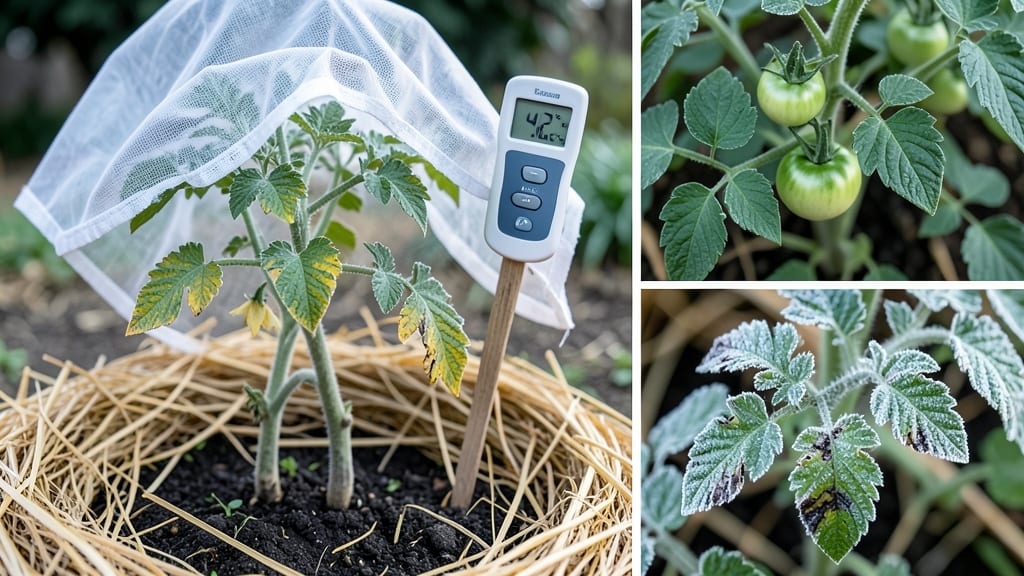
Cold snaps can turn your thriving tomato plants into limp, wilted messes overnight—tomatoes too cold is every gardener’s nightmare. 🌱 I’ve nursed back more than a few plants from frostbite, and the key is acting fast with the right moves.
The good news? You don’t need to dig up the soil to save them.
First, spot the damage: yellowing leaves, blackened stems, or plants that feel mushy when touched. These are your warning signs. The fix starts with shelter—cover plants with frost blankets or move containers to a garage or sunny window.
Keep them warm but not sweating, and avoid watering until they perk up.
Within 3 days, you’ll see new green shoots if the roots are still alive. Prune any dead foliage, and once temperatures stabilize, fertilize lightly to encourage recovery. The secret? Prevention—plant cold-hardy varieties like ‘Siberian’ or ‘Stupice’ next season, and use black plastic mulch to warm the soil faster.
This method works for both in-ground and container tomatoes, even in zones where frost lingers late. The goal isn’t perfection—it’s giving your plants a fighting chance. Now grab those blankets and get to work!
📚 In This Guide
- What you need
- Instructions
- Tips and common mistakes
- Wrapping up and next steps
What you need
- ● Wilted tomato plants – 1-3 plants (vining or bush varieties work best)
- ● Large plastic bag – 1 gallon-sized or larger (clear or translucent preferred)
- ● Water – 1-2 cups (room temperature or slightly warm)
- ● Scissors or pruners – 1 pair (clean and sharp)
- ● Newspaper or paper towels – 2-3 sheets (for drainage and support)
- ● Rubbing alcohol or bleach – Small amount (for sterilizing tools)
- ● Twist ties or rubber bands – 2-3 (to secure the bag)
- ○ Spray bottle (optional but helpful) – For misting leaves if needed
- ● Hydrogen peroxide (3%) – 1 tbsp (diluted in water for a nutrient boost)
- ● Seaweed extract or liquid fertilizer – 1 tsp (to jumpstart recovery)
- ● Humidity tray or pebble tray – For extra moisture if your space is dry
- ● Plant clippers (if trimming is needed) – For pruning damaged leaves
How to rescue cold-damaged tomatoes in 3 days
Cold snaps can turn lush tomato plants into sad, wilted messes—but you can nurse them back to health without digging up roots.
🌱 Step 1: Assess and Trim Damaged Foliage
Start by examining the plant for cold damage. Blackened or mushy leaves won’t recover, so snip them off with clean pruners at the stem base. Focus on removing only the most severely affected foliage—you’re not pruning for shape, you’re making room for new growth. Look for crispy edges or leaves that crumble when touched; those are gone for good.
Leave the healthier leaves intact—they’ll photosynthesize and fuel recovery. If the stems are still firm and green, your plant has a fighting chance. Avoid cutting into healthy tissue, even if it looks pale—sometimes cold-stressed leaves just need time to bounce back. Work in the early morning when temperatures are coolest to reduce stress on the plant.
💧 Step 2: Provide Emergency Warmth and Moisture
Cold-stressed tomatoes need warmth more than water, but don’t skip hydration entirely. Water the base of the plant deeply—about 1 gallon per plant—to revive cells and flush out any cold-induced toxins. Use room-temperature water to avoid shocking the roots further. You’ll know it’s enough when water flows freely from the drainage holes.
Cover the plant with a clear plastic tent (like a large plastic bag or row cover) to trap heat. Secure it loosely so air can circulate—you’re creating a mini greenhouse, not a sauna. Place the plant in the warmest spot you have, ideally near a south-facing window or under a grow light. Check daily for condensation buildup; if the inside fogs up, remove the cover for an hour to let it dry out and prevent fungal issues.
☀️ Step 3: Shield From Further Cold and Boost Circulation
Move the plant to a location where temperatures stay above 55°F for at least 24 hours. If nighttime temps drop again, add a heat source like a 25-watt heat mat (placed under the pot, not touching the plant) or a clamp-on heat lamp (kept 6 inches away to avoid burning). Avoid direct heat on leaves—it causes sunscald when combined with sunlight.
Gently shake the plant or use a small fan on low speed for 10 minutes daily to improve air circulation. This mimics natural wind and helps prevent fungal infections that thrive in stagnant, humid air. Watch for new growth at the stem’s base or leaf edges—these are your first signs of recovery. If no improvement appears after 48 hours, consider whether the plant’s core structure was compromised by the cold.
⏰ Step 4: Gradually Reintroduce Outdoor Conditions
After 3 days of stable warmth, begin hardening off the plant by placing it outdoors in a sheltered spot for 1-2 hours the first day. Choose a location with partial shade to avoid sudden sun exposure. Increase outdoor time by 1 hour daily, moving it to a sunnier spot each time. You’ll know it’s ready for full sun when the new leaves are firm and upright, not wilting.
Monitor the soil moisture closely during this transition—cold-damaged roots struggle to absorb water efficiently. Water every other day until the plant shows consistent new growth. If the plant wilts again, it may need a root dip in lukewarm water for 10 minutes to rehydrate the roots fully. With patience, your tomato can bounce back stronger than ever—just give it the time and care it needs.
Tips & tricks for reviving cold-damaged tomatoes
Don't give up on your tomato plants just yet—these practical tips will help you nurse them back to health without digging up roots.
Precision Pruning: When assessing damage in Step 1, focus on removing only the most severely affected leaves—those with crispy edges or mushy texture. Healthy-looking leaves, even if pale, can still photosynthesize and support recovery. I've seen plants bounce back beautifully after removing just 30% of their foliage, so resist the urge to over-prune.
Temperature Matters: The 55°F threshold in Step 3 is critical—below this, cellular damage accelerates. Use a thermometer to monitor your indoor environment, especially at night. I keep a small digital thermometer near my plants during recovery to ensure they never dip below this safe zone. If your home runs cooler, consider a portable space heater (with safety guards) to maintain consistent warmth.
Hardening Off Strategy: For Step 4's gradual reintroduction, I recommend starting with just 1 hour outdoors on the first day, even if your plant seems recovered. This slow transition prevents shock from sudden temperature changes. Watch for leaf curling or wilting—these are clear signs you're moving too quickly. You can extend outdoor time by 1 hour daily only if the leaves remain firm and upright.
Pro Tips for Tomatoes Too Cold
- Don't give up on your tomato plants just yet—these practical tips will help you nurse them back to health without dig...
- Precision Pruning: When assessing damage in Step 1, focus on removing only the most severely affected leaves—those wi...
- Temperature Matters: The 55°F threshold in Step 3 is critical—below this, cellular damage accelerates. Use a thermome...
Frequently asked questions
Got chilly tomatoes that’ve seen better days? You’re not alone! Here are answers to the most common questions about reviving cold-stressed tomato plants—no soil required.
Can I save tomatoes that’ve been sitting in cold temperatures for weeks?
If your tomatoes were exposed to temps below 40°F (4°C) for a few days, they may recover with quick action. But if they’ve been frozen or soggy for weeks, the damage is likely irreversible. Focus on prevention next time—keep them in a 50–80°F (10–27°C) space, like a garage or basement.
How long does it take to revive cold tomatoes?
With the right method (like our 3-day no-soil trick), you’ll see improvement within 24–48 hours. Full recovery depends on how severely they were chilled. Monitor for mold or rot—if that appears, toss them. For best results, act fast!
What if my tomatoes are mushy or leaking water?
Mushiness usually means cell damage from cold or overhandling. Drain excess liquid, pat them dry, and place them in a paper towel-lined container with good airflow. Avoid sealing them in plastic—this traps moisture and speeds up spoilage. If they’re still firm after 24 hours, try the revival method.
Is it safe to eat tomatoes that were too cold?
Mild chilling (above freezing) won’t harm taste or safety, but avoid tomatoes with soft spots, mold, or foul smells. These are red flags for bacteria or spoilage. When in doubt, cut out the questionable parts and cook them—heat kills some pathogens. For raw eating, stick to firm, unblemished tomatoes.
What’s a quick alternative if I don’t have the revival supplies?
No paper towels or fans? No problem! Use a clean kitchen towel and a small fan (or even a hairdryer on low) to dry them. Place tomatoes in a well-ventilated spot (like an open cabinet) and flip them daily. Avoid refrigerating—it speeds up decay!
Pro tip: Prevent future cold stress by storing tomatoes at room temperature (never in the fridge!) and keeping them away from drafts or windows.
Wrapping up and next steps
Cold weather can turn your tomatoes into sad, wilted messes—but don’t worry, you’ve got the power to bring them back! With just a few simple tricks, you can revive tomatoes too cold in just three days—no soil required.
Whether it’s pruning, warmth, or hydration, these methods work wonders for giving your plants a second chance.
Now that you’re armed with the know-how, take action today! Check your plants, adjust their care, and watch them bounce back. Ready to grow a thriving tomato harvest? Start reviving your tomatoes now and enjoy fresh, juicy results! 🌱✨