
Vegetables
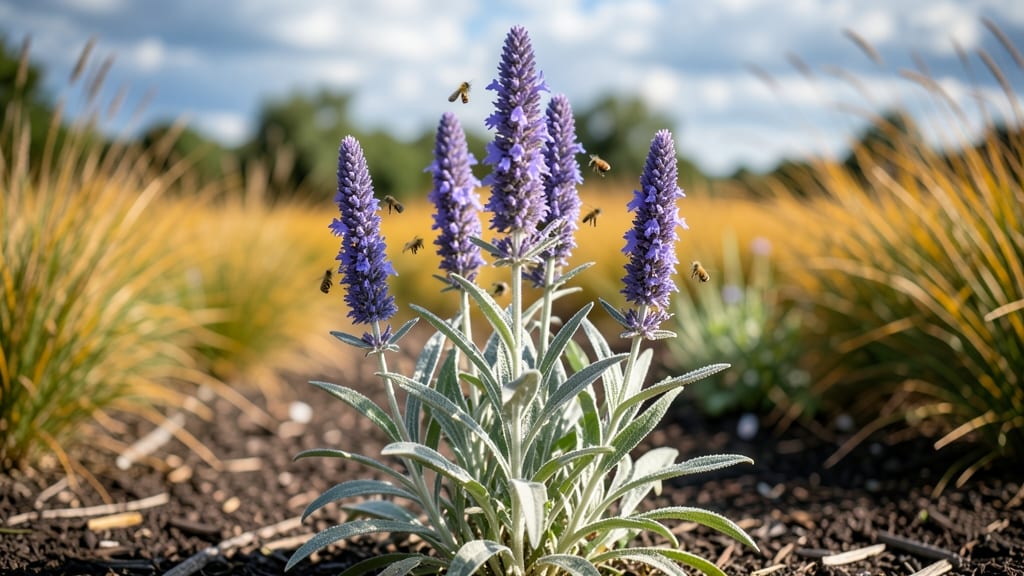
Using anise hyssop turns any garden corner into a pollinator magnet with its licorice-scented blooms. 🌿 I planted mine in a 12-inch container last spring, and by summer, it was covered in purple spikes that hummingbirds couldn't resist. The secret to growing this fragrant perennial isn't complicated—it's all about the right balance of sun, soil, and water.
This hardy plant thrives in full sun to part shade, tolerates poor soil, and even handles drought once established. A well-draining container mix with compost keeps it happy, and you'll rarely need to water more than once a week.
The key is pruning spent blooms in early summer to encourage a second flush of fragrant flowers before fall.
You'll love how easy it is to incorporate into your garden—whether as a border plant, container specimen, or pollinator-friendly addition. The leaves make a delicious tea, and the flowers attract bees, butterflies, and hummingbirds like nothing else. Plus, it spreads gently, making it perfect for filling gaps in your landscape.
Once you try anise hyssop, you'll wonder why you didn't grow it sooner. It's the kind of plant that rewards patience with beauty, fragrance, and a buzzing garden ecosystem. Ready to add it to your collection?
📚 In This Guide
- What you need
- Instructions
- Tips and common mistakes
- Wrapping up and next steps
What you need
- ● Anise hyssop plants: 1–3 nursery-grown seedlings or rooted cuttings (check for healthy stems and vibrant purple-blue flowers).
- ● Containers: 1–2 pots (12–18 inches deep) with drainage holes. Terracotta or fabric pots work best!
- ● Well-draining potting mix: 2–3 gallons of a lightweight, organic mix (e.g., 60% potting soil + 40% perlite or sand).
- ● Slow-release fertilizer: 1 cup of balanced 10-10-10 or organic compost (like worm castings).
- ● Mulch: 1–2 inches of pine bark or straw to retain moisture.
- ○ Gloves (optional, but handy for handling prickly stems).
- ● Trowel or small shovel (for transplanting).
- ● Watering can or hose with a gentle nozzle (avoid overwatering!).
- ● Pruning shears (for shaping or harvesting).
- ● Container saucers (to catch runoff and prevent messes).
- ● Support stakes (if your variety grows tall—though anise hyssop is usually self-supporting!).
- ● Companion plants: Try pairing with lavender, bee balm, or thyme for a fragrant pollinator garden!
Step-by-step guide to growing and using anise hyssop in containers
This fragrant perennial brings pollinators and aromatic charm to small spaces—here's how to cultivate it successfully.
🌱 Step 1: Select the Right Container and Soil Mix
Anise hyssop thrives in well-draining soil with a slightly alkaline pH (6.5-7.5). Choose a container with at least 12-inch depth and drainage holes—terra cotta pots work best because they wick away excess moisture. I avoid plastic, which can trap dampness and invite root rot.
Fill the pot with a mix of 50% premium potting soil, 30% perlite, and 20% compost. The perlite prevents compaction, while compost provides nutrients without overwhelming the plant. Tap the container gently to settle the soil, then water until moisture reaches 2 inches deep. Let it drain completely before planting.
☀️ Step 2: Plant and Position for Optimal Light
Dig a hole twice as wide as the root ball but no deeper. Gently remove the plant from its nursery pot, tease the roots if they're circling, and place it in the hole. Backfill with soil, pressing lightly to eliminate air pockets. Water deeply to encourage root contact with the mix.
Anise hyssop loves full sun to partial shade (6+ hours of sunlight daily). On my patio, I place it in a south-facing spot where it gets morning sun and afternoon shade in summer. If your space is shadier, expect slightly less vigorous growth but still fragrant foliage. Mulch with 1 inch of shredded bark to retain moisture and deter weeds.
💧 Step 3: Water and Fertilize for Healthy Growth
Water when the top 1-2 inches of soil feel dry to the touch. This herb is drought-tolerant once established, but young plants need consistent moisture. I water deeply 2-3 times per week in summer, reducing to once a week in cooler months. Avoid wetting the leaves to prevent fungal issues.
Feed with a balanced liquid fertilizer (10-10-10) diluted to half-strength every 4-6 weeks during the growing season. I skip fertilizer in fall and winter—anise hyssop stores enough nutrients to regrow in spring. Yellowing leaves signal over-fertilization; flush the soil with water if this happens.
✂️ Step 4: Prune and Harvest for Abundant Blooms
Pinch back the tips of new growth in early spring to encourage bushier plants. This is the secret to dense foliage and more flowers. Once blooms appear, deadhead spent flowers by cutting stems back to the first set of healthy leaves. I do this every 2-3 weeks to prolong the flowering season.
Harvest leaves anytime for culinary use, but avoid cutting more than one-third of the plant at once. The best time is morning after dew dries—leaves are most fragrant then. Use pruners to snip stems just above a leaf node. Regular harvesting encourages new growth and keeps the plant compact.
🌿 Step 5: Overwinter and Prepare for Next Season
Anise hyssop is hardy to USDA Zone 3, but container-grown plants need protection in colder climates. Move pots to a sheltered spot or wrap them in burlap if temperatures drop below 20°F. Reduce watering in winter—only water when the soil is completely dry.
In early spring, trim back any dead or damaged growth and refresh the mulch. I also repot every 2-3 years to replenish nutrients. Divide crowded plants in spring by carefully separating root clumps and replanting. This rejuvenates growth and gives you extra plants for friends or new containers.
Tips & tricks for perfect anise hyssop cultivation
Here's what I've learned after years of growing this aromatic beauty—tricks that'll keep your anise hyssop thriving in containers.
Container Selection: While terra cotta is ideal, fiberglass or resin containers with drainage holes also work beautifully. I've had great success with glazed ceramic pots, but avoid anything without drainage—waterlogged roots are this plant's worst enemy. Pro tip: Elevate your container slightly with pot feet to improve drainage and prevent water pooling.
Soil Mix Secrets: The 50-30-20 soil mix (potting soil/perlite/compost) is perfect, but I often add a handful of coarse sand to improve drainage further. For even better results, mix in 1 tablespoon of lime per gallon of soil to maintain that slightly alkaline pH (6.5-7.5) anise hyssop loves. This small adjustment makes all the difference in preventing yellowing leaves.
Light Positioning: When placing your container, remember that morning sun is gentler than afternoon heat. If you must choose one, prioritize morning sunlight—it prevents leaf scorch while still providing the 6+ hours of light needed. In hot climates, provide afternoon shade with a sheer curtain or move to partial shade during peak summer hours.
Winter Protection: That 20°F threshold is crucial—below this, take immediate action. I've found that wrapping containers in burlap and moving them to an unheated garage or covered porch works wonders. For extra protection, add a layer of straw mulch (2-3 inches) around the base to insulate roots. This simple step prevents frost damage and keeps your plant healthy through winter.
Pro Tips for Using Anise Hyssop
- Here's what I've learned after years of growing this aromatic beauty—tricks that'll keep your anise hyssop thriving in containers.
- Container Selection: While terra cotta is ideal, fiberglass or resin containers with drainage holes also work beautifully.
- Soil Mix Secrets: The 50-30-20 soil mix (potting soil/perlite/compost) is perfect, but I often add a handful of coarse sand to improve drainage further.
Frequently asked questions
Got questions about growing and using anise hyssop?
Here are some of the most common ones—plus quick, practical answers to help you make the most of this fragrant perennial!
Can anise hyssop grow in containers, or does it need a garden bed?
Anise hyssop is perfect for containers! It thrives in pots as long as they’re at least 12 inches deep with drainage holes. Just ensure it gets 4–6 hours of sunlight daily. Containers also make it easier to move the plant to avoid frost or pests.
How long does it take for anise hyssop to flower and spread?
With the right care, anise hyssop typically blooms within 60–90 days of planting. It spreads modestly via rhizomes, so you’ll see gradual growth each year. Pinch back flowers after the first flush to encourage bushier growth and more blooms later in the season.
Is anise hyssop edible, and how can I use it in cooking?
Yes! All parts of anise hyssop are edible—leaves, flowers, and stems. Use it fresh or dried in teas, salads, or as a garnish. It has a licorice-like flavor, so it pairs well with berries, poultry, or desserts. Just avoid overconsumption if you’re pregnant or have hormonal sensitivities.
What pests or diseases should I watch out for, and how do I prevent them?
Anise hyssop is generally pest-resistant, but watch for aphids or powdery mildew in humid conditions. To prevent issues, space plants 12–18 inches apart for airflow, water at the base (not leaves), and remove spent blooms. Aphids? Blast them off with water or use neem oil as a natural remedy.
Can I grow anise hyssop indoors, or does it need outdoor conditions?
While it prefers outdoor sunlight, you can grow it indoors near a south-facing window with a grow light. Keep humidity moderate and rotate the pot weekly for even growth. However, outdoor containers yield bigger, hardier plants with more vibrant blooms.
Wrapping up and next steps
Anise hyssop is a fragrant, low-maintenance perennial that brings beauty, pollinators, and culinary versatility to your containers—even in small spaces! Whether you’re growing it for its licorice-like aroma, edible leaves, or vibrant blooms, this plant proves that big rewards come in compact packages.
Ready to elevate your garden or kitchen? Start by snagging a healthy starter plant or seeds, then give it the right mix of sunlight, well-draining soil, and occasional care.
🌱 Next step: Pick a sunny spot, prep your container, and plant your anise hyssop—then watch (and sniff!) the magic unfold! Happy growing! 🌿