
Vegetables
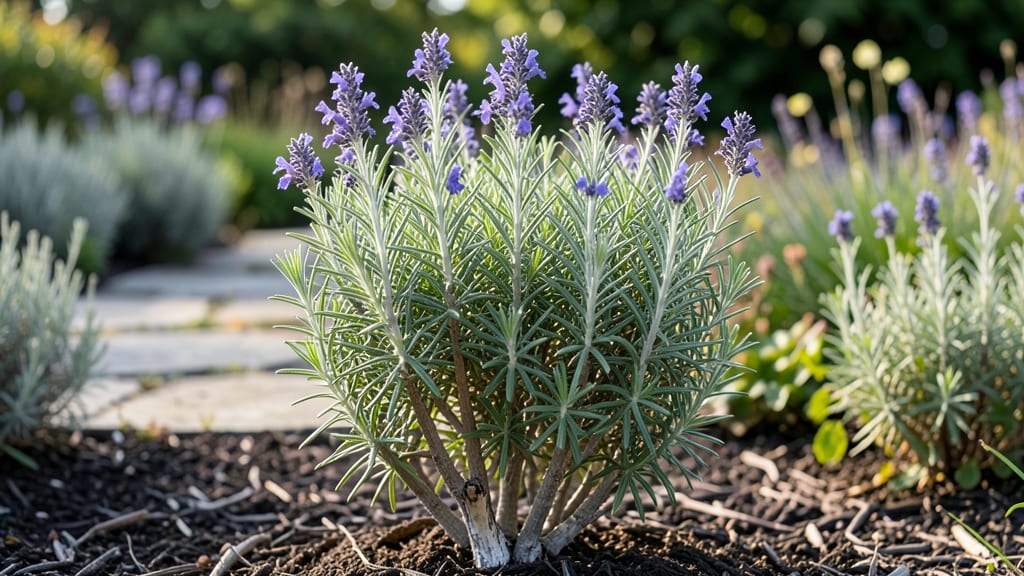
The secret to growing winter-hardy rosemary that survives winter—and even thrives—is choosing the right variety and giving it the right care. 🌿 I learned this the hard way when my first rosemary plant died in a single freeze, but now I’ve perfected a system that keeps mine lush and fragrant through Zone 5 winters and beyond.
Cold-hardy rosemary varieties like 'Arp' or 'Hill Hardy' are your best bet, as they tolerate temperatures down to 10°F without extra protection. The key is proper winter prep: mulching heavily, pruning back in early fall, and adjusting container placement for colder climates.
Even in harsh winters, these plants bounce back with minimal effort.
By spring, you’ll see fresh, vibrant growth—proof that rosemary isn’t just a Mediterranean herb but a resilient perennial for colder zones. The aroma alone makes the effort worthwhile, and you’ll never need to buy it again. Here’s how to keep yours alive through the coldest months.
This method works for in-ground plants, containers, or even indoor overwintering if needed. Whether you’re in the Deep South or the Upper Midwest, these strategies ensure your rosemary survives—and thrives—year after year.
📚 In This Guide
- What you need
- Instructions
- Tips and common mistakes
- Wrapping up and next steps
What you need
- ● Winter-hardy rosemary plants: Choose Rosmarinus officinalis varieties like 'Hill Hardy' or 'Arp' (USDA Zones 5-9). Buy 3-5 mature plants (18-24" tall) for optimal coverage.
- ● Well-draining soil: Mix 1 part potting soil with 1 part perlite or coarse sand (5-10 gallons per plant). Rosemary hates soggy roots!
- ○ Containers (optional but recommended for colder zones): Large pots (12-18" diameter) with drainage holes for 1-2 plants each.
- ● Fabric grow bags (14"x20") for better airflow.
- ● Sunlight access: A full-sun spot (6+ hours daily)—even in winter! South-facing windows or grow lights work for indoor setups.
- ● Pruning shears: Sharp, clean bypass pruners (sterilized with rubbing alcohol) to trim woody stems.
- ● Organic mulch: 2-3 inches of pine straw or gravel to insulate roots in freezing temps.
- ● Slow-release fertilizer: 5-10-5 blend (1 tbsp per plant, spring/fall). Rosemary needs very little—over-fertilizing harms it!
- ● Cold frame or frost cloth: For Zones 4-5, use a frost blanket or mini greenhouse to protect young plants.
- ● Drip irrigation system: Automated watering (1-2 times/week) keeps soil consistently moist but not soggy.
- ● Compost tea: Boost soil microbes with 1 cup per gallon of water (spray around base monthly).
Step-by-step guide to growing winter hardy rosemary
Here’s how to cultivate a thriving rosemary bush that survives freezing winters and keeps your kitchen fragrant all year.
🪴 Step 1: Select the Right Rosemary Variety and Planting Location
Choose a hardy rosemary variety like 'Hill Hardy' or 'Arp', which tolerate temperatures down to 10°F. Rosemary thrives in full sun—at least 6-8 hours daily—so pick a south-facing spot in your garden or a sunny windowsill indoors. If planting in containers, ensure they’re at least 12 inches deep to accommodate the plant’s deep root system.
I always test the soil drainage before planting. Rosemary despises soggy roots, so if your garden soil drains poorly, amend it with sand or perlite to improve aeration. A well-draining site is the foundation for winter survival—rosemary can’t handle waterlogged roots during cold snaps.
🌱 Step 2: Plant or Transplant with Proper Spacing and Soil Prep
Plant rosemary in well-draining, slightly alkaline soil (pH 6.0-7.0). Mix in compost or aged manure to enrich the soil without compacting it. For in-ground planting, space bushes 3-4 feet apart—this gives them room to grow without competing for nutrients. If transplanting, dig a hole twice as wide as the root ball and slightly deeper to encourage root expansion.
Gently remove the plant from its container and loosen any circling roots with your fingers. Place it in the hole so the top of the root ball sits level with the soil surface—burying too deep can suffocate the plant. Water deeply right after planting to settle the soil and eliminate air pockets around the roots.
☀️ Step 3: Water and Fertilize for Winter Resilience
Rosemary is drought-tolerant once established, but young plants need consistent moisture during their first year. Water deeply once a week, allowing the top 2 inches of soil to dry out between waterings. Overwatering in winter can lead to root rot, so reduce watering in colder months—water only when the soil feels dry to the touch.
Fertilize lightly in early spring with a balanced, slow-release fertilizer (10-10-10). Avoid high-nitrogen fertilizers, which promote leafy growth at the expense of woody stems. A light feeding encourages strong, cold-hardy growth. Mulch around the base with 2-3 inches of gravel or wood chips to insulate roots and prevent heaving during freeze-thaw cycles.
✂️ Step 4: Prune and Protect for Winter Survival
Prune rosemary in early spring to shape the plant and encourage bushier growth. Cut back one-third of the oldest stems to the nearest leaf node, using clean, sharp pruners. Avoid heavy pruning in fall—it reduces the plant’s ability to store energy for winter. In zones with harsh winters (below 10°F), mound 4-6 inches of mulch or straw around the base for extra insulation.
If growing in containers, move pots to a protected location like a garage or unheated shed during extreme cold snaps. Wrap the pot in burlap or frost cloth to shield it from freezing winds. Rosemary can recover from light frost damage, but severe cold can kill tender new growth. Watch for brown or mushy stems in spring—this signals winter injury, and you’ll need to prune back affected areas to encourage new growth.
🌿 Step 5: Harvest and Maintain Through the Seasons
Harvest rosemary sparingly in winter—focus on maintaining the plant’s health rather than heavy pruning. Snip non-flowering stems for culinary use, leaving at least half the plant intact to sustain energy reserves. In late winter or early spring, trim back any dead or damaged growth to encourage fresh, vigorous shoots.
Watch for pests like spider mites in dry conditions—rosemary is generally pest-resistant, but drought stress can attract them. Spray affected plants with neem oil if needed. With proper care, your winter-hardy rosemary will reward you with fragrant foliage year-round, ready to flavor dishes or brighten up winter wreaths.
Tips & tricks for perfect winter hardy rosemary
Here's what I've learned from years of growing rosemary through harsh winters—these tricks make all the difference for survival and flavor.
Variety Selection: When choosing your hardy rosemary variety, look for plants labeled as 'Hill Hardy' or 'Arp'—these are specifically bred to withstand temperatures down to 10°F. I've found that nursery-grown plants often have better established root systems, which helps them bounce back from winter stress. If you're starting from seed, give them a head start indoors under grow lights for 6-8 hours daily before transplanting outdoors in spring.
Soil Preparation: The secret to winter survival begins with soil prep. Rosemary's roots are particularly sensitive to soggy conditions, so if your garden soil drains poorly, mix in sand or perlite to create a well-aerated growing medium. I always do a simple drainage test before planting: dig a hole, fill it with water, and if it doesn't drain within 30 minutes, amend the soil. For container growing, use a cactus/succulent mix—it's specifically formulated for excellent drainage.
Winter Protection Strategy: In zones with harsh winters (below 10°F), don't wait until the first frost to protect your rosemary. Start by mounding 4-6 inches of mulch around the base in late fall. For container plants, move them to a protected location like a garage or unheated shed before temperatures drop below 20°F. I've had great success wrapping pots in burlap or frost cloth to shield them from freezing winds—this simple step can mean the difference between a thriving plant and winter loss.
Pruning Timing: Spring pruning in early spring (not fall) is crucial for winter hardiness. When you cut back one-third of the oldest stems to the nearest leaf node, you're encouraging new growth that will be better prepared for winter. I always use clean, sharp pruners to make precise cuts—dull tools can crush stems and invite disease. Avoid heavy pruning in fall as this reduces the plant's ability to store energy for winter survival.
Pro Tips for Winter Hardy Rosemary
- Here's what I've learned from years of growing rosemary through harsh winters—these tricks make all the difference fo...
- Variety Selection: When choosing your hardy rosemary variety, look for plants labeled as 'Hill Hardy' or 'Arp'—these ...
- Soil Preparation: The secret to winter survival begins with soil prep. Rosemary's roots are particularly sensitive to...
Frequently asked questions
about growing winter-hardy rosemary—because even the hardiest plants need a little extra love! Here are answers to the most common questions to keep your fragrant perennial thriving all season long.Can rosemary survive winter in colder climates (USDA Zones 5-7)?
Yes! Winter-hardy rosemary (like 'Arp' or 'Hill Hardy' varieties) can tolerate down to 10–15°F with proper protection. Mulch heavily (4–6 inches of straw or wood chips), wrap the base in burlap, or grow it in containers for easy winterizing. Avoid soggy soil—drainage is key!
How do I protect rosemary from frost damage?
Frost can scorch leaves, but don’t panic! Trim back browned stems in spring. For extra defense:
- Mulch: Pile straw or leaves around the base (but not touching stems).
- Cover: Use a frost cloth or upside-down bucket (remove during the day to prevent rot).
- Water wisely: Keep soil moist but not waterlogged—dry soil insulates better.
Can I grow rosemary indoors over winter?
Potted rosemary thrives indoors near a sunny south-facing window or under grow lights (12–14 hours/day). Use well-draining soil, water when the top inch is dry, and prune lightly to encourage bushiness. Just watch for spider mites—mist leaves occasionally to deter them!
What if my rosemary looks dead after winter?
Don’t toss it yet! Rosemary can look terribly dormant but often regrows. Wait until late spring (after last frost) to prune back to green wood. If no new growth appears by summer, it may have succumbed to rot or extreme cold—start fresh with a new plant!
Are there any alternatives to traditional rosemary for cold climates?
If rosemary struggles in your zone, try these hardier herbs with similar flavors:
- Wintergreen: Cold-hardy (Zone 3) with a minty-rosemary-like aroma.
- Russian Sage: Perennial with woody stems and a rosemary-adjacent scent.
- Thyme (e.g., 'Woolly' or 'Creeping'): Thrives in Zones 4–9 and loves dry conditions.
Wrapping up and next steps
Growing winter-hardy rosemary is a game-changer for gardeners who love fragrant, low-maintenance herbs that keep giving—even when frost is in the air! 🌿 With the right care, this versatile perennial can thrive year-round, offering fresh flavor and stunning greenery to your kitchen or landscape.
Whether you’re a seasoned gardener or just starting out, rosemary’s resilience and adaptability make it a must-have.
Ready to take the next step? Start by planting your rosemary in a sunny spot and watch it flourish. Need more inspiration? Try experimenting with your harvest—infuse olive oil, bake rosemary-infused treats, or simply enjoy its piney aroma as a natural air freshener. Happy gardening! 🌱