
Vegetables
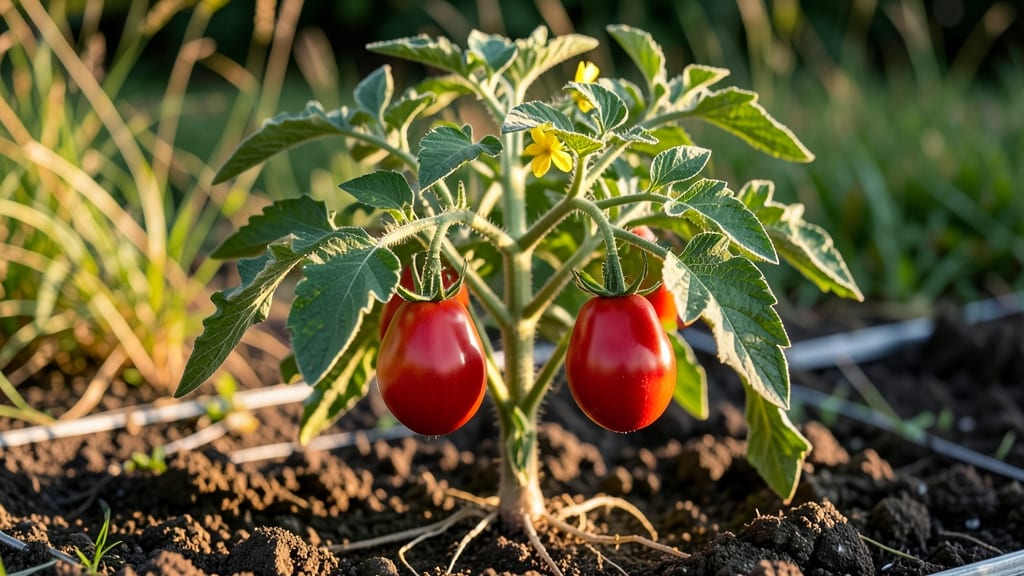
Growing Valencian pear tomatoes transforms your garden into a sweet, striped treasure trove. 🌱 These heirloom gems thrive as perennials in warm climates, rewarding patience with honeyed fruit that tastes like summer in every bite.
Unlike annual tomatoes, they return year after year, making them a gardener's secret weapon for effortless abundance.
The key lies in mimicking their Mediterranean roots: well-draining soil rich in organic matter, full sun exposure (6+ hours daily), and consistent moisture without soggy roots. Plant in early spring after frost danger passes, spacing plants 3-4 feet apart to allow for sprawling vines.
In colder zones, grow as annuals or overwinter potted plants indoors.
Expect your first harvest between 75-90 days for container plants or 100-120 days for in-ground, with fruit ripening in waves throughout the season. The striped pear-shaped tomatoes develop a caramel-like sweetness when fully ripe—far superior to store-bought varieties.
Prune regularly to encourage air circulation and remove suckers to focus energy on fruit production.
Common challenges include cracking from uneven watering and blossom end rot from calcium deficiency. Amend soil with crushed eggshells or use a balanced organic fertilizer every 4-6 weeks. With proper care, these tomatoes produce 100+ pounds per plant in ideal conditions—making them worth every effort for serious home gardeners.
📚 In This Guide
- What you need
- Instructions
- Tips and common mistakes
- Wrapping up and next steps
What you need
- ● Valencian pear tomato seeds or seedlings: 3–5 plants (choose heirloom or hybrid varieties labeled "Valencian pear" or "peach tomato").
- ● Well-draining potting mix: 5–10 gallons (for containers) or enriched garden soil (pH 6.0–6.8).
- ● Organic compost: 2–3 cups per plant (for nutrient boost).
- ● Tomato cages or stakes: 3–4 ft tall (to support vining growth).
- ○ Balanced fertilizer (5-5-5 or 10-10-10): 1 tbsp per plant (optional but recommended).
- ● Mulch (straw or shredded leaves): 2–3 inches thick (to retain moisture).
- ● Sharp pruning shears or kitchen knife: For clean harvesting.
- ● Baking sheet or cutting board: For washing and drying tomatoes.
- ● Paper towels or clean cloth: To pat tomatoes dry.
- ● Storage containers (glass jars or breathable bags): For short-term fridge storage.
- ● Drip irrigation kit: For hassle-free watering.
- ● Garden trellis: If you love vertical gardening!
- ● Food processor or mandoline: For quick slicing or sauces.
- ● Canning supplies: If you want to preserve your harvest.
Step-by-step guide to growing Valencian pear tomatoes
Here's how I grow these sweet, striped heirlooms—perennial in warm climates, annual elsewhere.
🌱 Step 1: Start Seeds Indoors 8-10 Weeks Before Last Frost
Valencian Pear tomatoes thrive when started early. Fill 2-3 inch deep biodegradable pots with seed-starting mix (never garden soil) and moisten until damp but not soggy. Plant 2 seeds per pot at ¼ inch deep, since these seeds germinate best in warmth.
Cover with a humidity dome and place in a warm spot (75-85°F). Germination takes 7-14 days—you'll see tiny sprouts first from the soil surface. Once 50% have sprouted, remove the dome immediately to prevent damping-off. Thin to the strongest seedling per pot afterward.
☀️ Step 2: Provide 14+ Hours of Light Daily
These tomatoes need bright light from day one. A south-facing window won't cut it—supplement with a grow light positioned 2-4 inches above the seedlings. You'll know they're getting enough light when leaves are dark green and compact, not pale and stretched.
Rotate pots quarter-turn daily so they grow straight. If seedlings develop long, weak stems, they're light-starved. Move the light closer or extend daylight with a timer to 16 hours until transplanting. Strong seedlings have thick stems and leaves spaced 1-2 inches apart.
🪴 Step 3: Harden Off and Transplant After Last Frost
Two weeks before your last frost date, start hardening off by placing seedlings outside in partial shade for 1 hour daily. Gradually increase time and sun exposure over 10-14 days. You'll see leaves toughen and stems strengthen as they adapt.
Transplant after soil reaches 60°F and nighttime temps stay above 50°F. Bury stems ½ inch deeper than the pot to encourage root growth. Space plants 2-3 feet apart in full sun—these tomatoes need room to sprawl and produce their signature striped fruit.
💧 Step 4: Water Deeply and Support Vines Early
Water at the base 1 inch per week, letting soil dry slightly between waterings. Overhead watering spreads disease, so use a drip system or water early in the day. You'll know moisture is right when the top 1-2 inches of soil feel dry to the touch.
Install cages or stakes immediately—Valencian Pear vines get heavy with fruit. Prune suckers (shoots in leaf axils) to focus energy on fruit production. Pinch off the first flower cluster to encourage stronger early growth. Harvest when fruit is fully striped and slightly soft to touch—they ripen unevenly!
Tips & tricks for growing Valencian pear tomatoes
Between us, these striped beauties reward patience—here's how to maximize your harvest without the common pitfalls.
Germination Intelligence: The 7-14 day germination window is your first critical test. Place your humidity dome-covered pots on a seedling heat mat set to 75-85°F—this consistency is what triggers those first sprouts. I've learned the hard way that inconsistent warmth can stretch germination to 3 weeks, so keep temps stable. Once you see 50% sprouting, remove the dome immediately to prevent damping-off—those tiny seedlings are fragile.
Light Strategy: Those 14+ hours of light aren't optional—they're the difference between leggy seedlings and stocky plants ready for transplanting. Position your grow light 2-4 inches above the seedlings and rotate pots daily. I use a timer to automatically extend daylight to 16 hours when natural light drops below 12 hours. Watch for leaves spaced 1-2 inches apart—that's your visual cue for perfect light exposure.
Transplant Timing: The soil temperature threshold of 60°F and nighttime minimum of 50°F are non-negotiable for these Mediterranean tomatoes. I always check soil temperature with a thermometer rather than guessing—cold soil shocks the roots. Burying stems ½ inch deeper triggers root growth along the buried stem, giving you a stronger plant. Space those 2-3 feet apart now to prevent future crowding and disease.
Harvest Cues: Valencian Pears ripen unevenly, so harvest when you see full striping and slight softness to touch. I pick them at this stage because they continue ripening off the vine. Store at room temperature for 2-3 days or refrigerate for up to 1 week—they'll develop even sweeter flavors as they ripen!
Pro Tips for Valencian Pear Tomatoes
- Between us, these striped beauties reward patience—here's how to maximize your harvest without the common pitfalls.
- Germination Intelligence: The 7-14 day germination window is your first critical test. Place your humidity dome-cover...
- Light Strategy: Those 14+ hours of light aren't optional—they're the difference between leggy seedlings and stocky pl...
Frequently asked questions
Got questions about Valencian pear tomatoes? You’re not alone! These sweet, striped beauties are full of surprises—here’s what you need to know before diving in.
What’s the difference between Valencian pear tomatoes and regular tomatoes?
Valencian pear tomatoes are heirloom varieties with a unique pear-shaped, ribbed fruit and striking yellow-and-red stripes. Unlike standard tomatoes, they’re sweeter, firmer, and less watery, making them perfect for slicing, grilling, or eating fresh. Plus, they’re perennial in warm climates—they’ll keep producing for years!
How long does it take for Valencian pear tomatoes to mature?
From seed to harvest, expect 70–90 days in ideal conditions (warm soil, full sun, and consistent watering). If starting with transplants, you’ll shave off 2–4 weeks. Patience pays off—these tomatoes reward growers with prolonged harvests (often 2–3 months per season) once established.
Can I substitute Valencian pear tomatoes in recipes?
Their sweet, meaty texture works great in place of beefsteak or Roma tomatoes. For slicing, they’re a 1:1 swap. In sauces or salsas, their lower acidity means you might need a splash of lemon or vinegar to balance flavors. Pro tip: Their shape makes them ideal for stuffed tomatoes or tomato tart recipes!
Why are my Valencian pear tomatoes cracking or splitting?
Cracking usually happens due to inconsistent watering—soaking dry soil suddenly causes rapid growth. To fix it:
- Water deeply but evenly (1–2 inches per week).
- Mulch to retain moisture.
- Avoid overhead watering (use drip irrigation).
- Harvest promptly when 70% ripe to reduce stress.
Do Valencian pear tomatoes need special care in hot climates?
These tomatoes thrive in heat (USDA zones 7–11) but need protection from extreme conditions:
- Shade cloth (30–50%) during peak summer to prevent sunscald.
- Morning watering to reduce evaporation.
- Well-draining soil with compost to avoid root stress.
Wrapping up and next steps
Valencian pear tomatoes bring a burst of sweet, striped magic to any garden—and your plate! Their unique shape and flavor make them a standout in salads, sauces, or even roasted dishes.
Whether you're growing them or cooking with them, these tomatoes prove that great things come in small, striped packages. 🌱✨
Ready to savor the harvest? Start by planting a few seeds or picking up a pack from your local nursery. Then, get creative—experiment with recipes, share your bounty with friends, or even gift them to neighbors.
The joy of homegrown Valencian pears is just a season (and a little soil) away!