
Vegetables
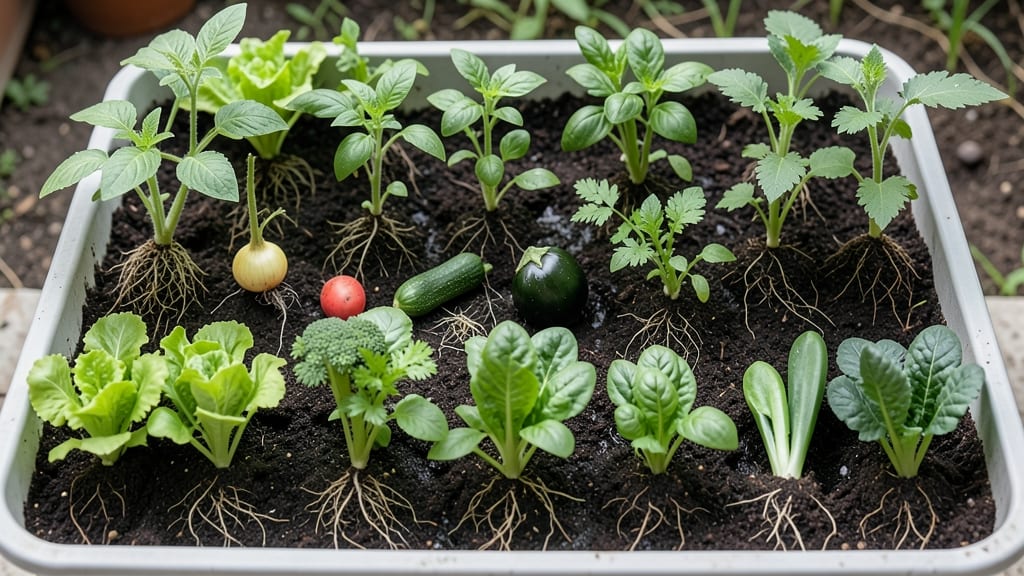
A vegetable seedling identification chart can save your garden from a world of heartache. 🌱 I’ve spent years staring at tiny green stems trying to figure out which one is which—and trust me, those early days make all the difference between a thriving harvest and a mystery plot.
Most beginners rely on leaf shape and color: tomatoes have jagged, serrated edges, while peppers sport smooth, waxy leaves. But those aren’t the only clues. Basil seedlings, for example, smell like a mini Italian kitchen when you crush them, and lettuce unfurls its first leaves like a tiny green umbrella.
The chart breaks down these telltale signs so you can confidently spot your plants before they outgrow their labels.
By the time you’re transplanting, you’ll recognize your favorites at a glance—no more guessing games or swapping seedlings by accident. The chart even highlights common lookalikes, like cilantro and parsley, which can fool even experienced gardeners if you’re not paying attention.
This isn’t just a reference tool; it’s your first line of defense against garden chaos. Print it out, tape it to your seedling tray, and watch your confidence (and your plants) grow.
📚 In This Guide
- What you need
- Instructions
- Tips and common mistakes
- Wrapping up and next steps
What you need
- ● Printed or digital images: High-resolution photos (300 DPI) of 100+ vegetable seedlings (e.g., tomato, pepper, basil, kale). Use free sources like blank">Unsplash or blank">Pixabay.
- ● Printable paper: Cardstock (8.5" x 11" or A4) for durability, or waterproof laminated sheets if outdoors.
- ○ Laminator (optional but recommended): For weatherproofing—look for a 12" x 16" thermal laminator (e.g., Scotch Thermal Laminator).
- ● Ruler & pencil: For precise measurements (12" metal ruler preferred).
- ● Scissors or paper cutter: To trim edges cleanly.
- ○ Clear protective sleeves (optional): 8.5" x 11" poly sleeves (pack of 50) for easy swapping of species.
- ● Design software: Canva (free) or Adobe Illustrator (for advanced layouts).
- ● Label templates: Pre-made seedling ID tags (e.g., Etsy or Template.net).
- ● Printer with color: For vibrant prints (HP OfficeJet Pro 9015 recommended for clarity).
- ● Clipboard or binder: To hold charts in the garden (e.g., 3-ring binder with clear pockets).
- ● Magnifying glass: For inspecting tiny seedlings (10x magnification).
- ● UV-resistant marker: Sharpie Ultra Fine (0.7mm) for handwritten notes.
How to use a vegetable seedling identification chart
Here's how to turn that chart into your best friend for foolproof seedling recognition.
🌱 Step 1: Compare Leaf Shape First
Start with the most obvious feature—the leaves. True leaves (not the first tiny cotyledons) reveal everything. For example, tomato seedlings have serrated, jagged edges with a deep central vein, while basil leaves are oval with smooth edges and a distinctive aroma when crushed. Hold the chart near your plants and match the shapes—most seedlings fit into just 3-4 leaf categories.
I keep a small flashlight handy for late-afternoon checks when light fades. Shine it at an angle to highlight leaf texture—some seedlings like parsley have finely divided leaves, while others like peppers have broad, waxy leaves. If you're still unsure, move to the next step.
🌿 Step 2: Check Stem and Growth Habit
Look at how the plant grows—not just the leaves. Tomato and pepper seedlings both have hairy stems, but tomato stems are woody and square while peppers stay smooth and round. Carrot seedlings have feathery, fern-like leaves on a thin, wiry stem, while lettuce forms a rosette pattern close to the ground.
Here's the thing—some seedlings like beans have compound leaves (multiple leaflets on one stem), while others like cucumbers have palmately lobed leaves (like tiny maple leaves). If your seedling doesn't match any chart images, it might be a weed—pull it now before it competes with your veggies.
☀️ Step 3: Verify with Plant Height and Color
Seedlings grow at predictable rates. A 2-week-old tomato should be 2-3 inches tall with deep green leaves, while a 3-week-old pepper stays 1-2 inches tall with darker green leaves. Use these height markers to narrow down possibilities—most charts include average growth rates for reference.
Color matters too. Healthy seedlings have vibrant leaves, but some, like Swiss chard, develop red or purple stems early on. If your seedlings look pale or yellow, they might need more light—not every plant on the chart thrives under the same conditions. Compare your seedlings' color to the chart's labeled images.
✂️ Step 4: Cross-Reference with Your Planting Records
This is where most gardeners trip up. I always keep a small notebook by my seedling tray with variety names and planting dates. Cross-check your records against the chart—if you planted 'Early Girl' tomatoes but your seedlings have round, smooth leaves (not serrated), you might have accidentally planted bell peppers instead.
Don't skip this step. I once thought I had basil seedlings until I checked my notes and realized I'd planted cilantro by mistake. The chart helped me confirm the identity before I wasted time transplanting the wrong plants. If your records are missing, start over with the leaf shape comparison.
📝 Step 5: Double-Check with a Magnifying Glass
Some seedlings reveal their secrets under close inspection. Use a 10x magnifying glass to examine leaf edges, stem hairs, and vein patterns. For example, radish seedlings have hairy stems and deeply lobed leaves, while turnip seedlings have smooth stems and broad, rounded leaves. This level of detail separates lookalikes like cabbage and broccoli—both have similar rosette shapes but different leaf textures.
I keep a small loupe in my gardening apron for quick checks. If you don't have one, a phone with a macro lens works too. The key is patience—rushing leads to mistakes. Once you've confirmed the identity, label your seedlings immediately with a waterproof marker to avoid future confusion.
Tips & tricks for mastering your vegetable seedling identification chart
Here’s how to turn your chart from a reference tool into a foolproof system for identifying seedlings—without the guesswork.
Leaf Shape is Your First Clue: Focus on true leaves (the second set that appears) rather than the first tiny cotyledons. For example, tomato seedlings have jagged edges with a prominent central vein, while peppers have broad, waxy leaves. I’ve found that holding the chart near your plants under natural light makes matching much easier. If you’re still unsure, move to the next step—don’t rush this part.
Stem and Growth Habit Reveal the Rest: The way a seedling grows is just as important as its leaves. Tomato stems are square and woody, while pepper stems stay smooth and round. Carrot seedlings have feathery leaves on thin stems, and lettuce forms a tight rosette. If your seedling doesn’t match anything, it might be a weed—pull it early to avoid competition. I’ve saved myself headaches by checking stems before assuming a plant is what I planted.
Height and Color Are Game-Changers: Seedlings grow at predictable rates—tomatoes should be 2-3 inches tall at 2 weeks, while peppers stay shorter. Color also helps: Swiss chard develops red or purple stems, and pale leaves usually mean more light is needed. I keep a small ruler and a flashlight nearby to compare heights and colors accurately under different lighting conditions.
Document Everything: Keep a notebook or digital log of what you planted and when. Cross-referencing your records with the chart can save you from costly mistakes, like when I realized I’d planted cilantro instead of basil. Label your seedlings immediately after identification with a waterproof marker—trust me, you’ll thank yourself later when you’re harvesting.
Pro Tips for Vegetable Seedling Identification Chart
- Here’s how to turn your chart from a reference tool into a foolproof system for identifying seedlings—without the guesswork.
- Leaf Shape is Your First Clue: Focus on true leaves (the second set that appears) rather than the first tiny cotyledons.
- Stem and Growth Habit Reveal the Rest: The way a seedling grows is just as important as its leaves.
Frequently asked questions
Got questions about identifying your vegetable seedlings? You’re not alone! Here are some of the most common queries—and quick answers—to help you navigate your garden like a pro.
How do I tell the difference between tomato and pepper seedlings?
Check the leaves and stems: tomato seedlings have serrated (jagged) leaves and hairy stems, while pepper seedlings have smooth, oval leaves with a slightly waxy texture. Early tomato leaves also look like tiny fern fronds!
When is the best time to use a seedling identification chart?
Use it as soon as sprouts emerge (1–2 weeks after planting) to avoid confusion. Seedlings look most distinct before they develop true leaves (the second set, not the initial "seed leaves"). Pro tip: Snap a photo of each tray for future reference!
What if my seedlings look healthy but I’m still unsure?
Compare them to a chart under natural light, not fluorescent bulbs (colors can distort). If you’re still stuck, check the root structure (gently pull one to see the taproot vs. fibrous roots) or consult a local gardening forum with photos.
Can I use this chart for herbs or flowers too?
This chart focuses on vegetables, but many principles apply! For herbs, look for aromatic leaves (e.g., basil’s square stems) or flower buds. Flowers? Focus on leaf shape and growth habit (e.g., bushy vs. vining). A separate chart for those is ideal!
What do I do if I’ve misidentified a seedling?
Don’t panic! Transplant it to a separate pot and research its care needs (e.g., sun/water). If it’s a toxic plant (like nightshade lookalikes), remove it immediately. Prevention tip: Label trays with seed packet info from day one!
Still unsure? Bookmark this chart and revisit it as your seedlings grow—you’ll spot patterns fast!
Wrapping up and next steps
Mastering your vegetable seedlings just got easier!
With this vegetable seedling identification chart, you’ve got a foolproof visual guide to confidently spot and nurture over 100 young plants—no more guesswork! 🌱 Whether you're a seasoned gardener or just starting, this tool empowers you to grow a thriving garden with precision.
Ready to take the next step? Grab your chart, head outside, and start identifying those seedlings today! Your future harvests will thank you!