
Vegetables
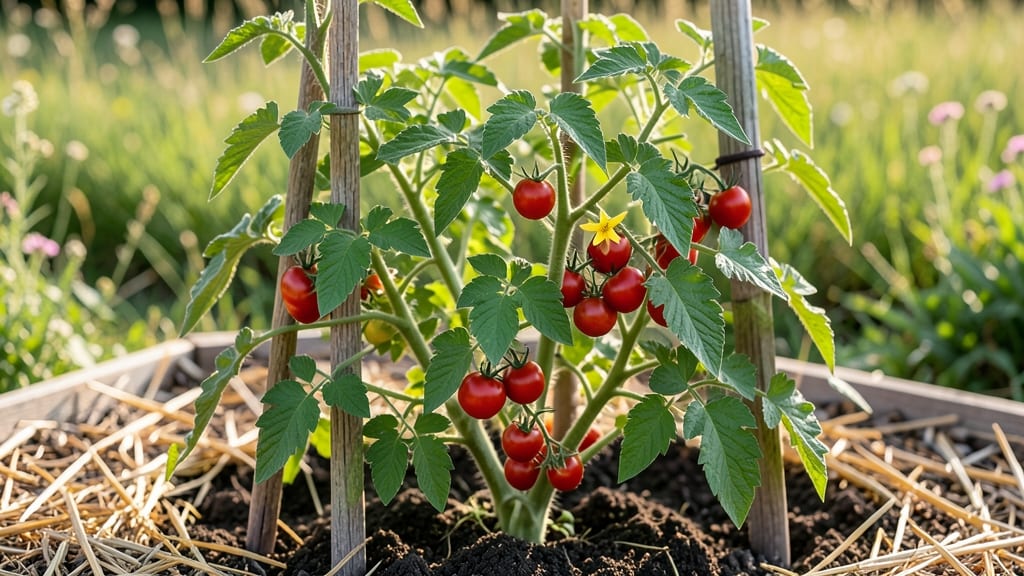
Washington cherry tomatoes thrive where others freeze out—cold-resistant varieties that keep producing long after summer ends. 🌱 I grew mine last fall in containers, and they kept bearing sweet, 1-inch fruits well into November when most tomatoes had given up.
The secret lies in their ability to handle cooler temperatures and their compact growth habit, perfect for small spaces or extended seasons.
These tomatoes love full sun (6-8 hours daily) but can tolerate light shade in hot climates, making them versatile for containers or garden beds. Plant them in well-draining soil with a pH of 6.0-6.8, and use a 5-gallon container minimum—they’ll reward you with prolific clusters if given enough space.
Unlike annual tomatoes, they’ll return year after year if you protect them from winter freezes, making them a true perennial in mild climates.
Expect explosive yields when you prune regularly and feed them every 3-4 weeks with a balanced fertilizer. The flavor? Richer than store-bought, with a perfect balance of sweetness and tang.
Pair them with basil or lettuce for a container garden that’s both productive and beautiful. The key is keeping them well-watered but not soggy—consistency is everything.
Common challenges include blossom-end rot (fix with calcium) and powdery mildew (prevent with good airflow). But once you master these, you’ll have a self-sustaining tomato machine that keeps giving long after other varieties quit. Perfect for gardeners who want flavor, resilience, and a plant that just won’t quit.
📚 In This Guide
- What you need
- Instructions
- Tips and common mistakes
- Wrapping up and next steps
What you need
- ● Washington Cherry Tomato Seeds or Seedlings: Choose Solanum lycopersicum 'Washington' variety (cold-resistant, determinate, and perfect for containers). Start with 2-3 seeds or seedlings per container.
- ● Containers: Use 5-gallon pots or larger (at least 12-18 inches deep) with drainage holes. Opt for fabric grow bags or plastic pots with saucers.
- ● High-Quality Potting Mix: A sterile, well-draining mix (e.g., 60% peat moss/compost, 30% perlite/vermiculite, 10% composted bark). Avoid garden soil—it compacts and holds too much moisture.
- ● Cold Frame or Frost Blanket: Essential for Zone 5-7 gardeners! Use a clear plastic dome or lightweight frost cloth to protect young plants from late frosts.
- ● Tomato Cages or Stakes: 3-4 ft tall cages (or bamboo stakes) to support vines as they grow.
- ● Balanced Fertilizer: A 10-10-10 or 5-5-5 organic fertilizer (e.g., fish emulsion or compost tea) to kickstart growth. Follow label instructions for dosing.
- ● Hand Trowel or Transplant Spade – For planting seedlings.
- ● Watering Can or Hose with Nozzle – Containers dry out fast! Aim for 1-1.5 inches of water per week (adjust for heat).
- ● Mulch (Straw or Shredded Leaves) – Retains moisture and regulates soil temp. Apply 2-3 inches around plants.
- ○ Pruning Shears – For trimming suckers (optional but recommended for bushier growth).
- ● pH Test Kit – Ideal soil pH for tomatoes: 6.0-6.8. Adjust with lime or sulfur if needed.
- ○ Grow Lights (Optional) – If starting seeds indoors, use LED grow lights 12-16 hours/day until seedlings are hardened off.
- ● Compost or Worm Castings – Boosts soil fertility naturally. Mix 1 cup per container before planting.
Step-by-step instructions for growing Washington cherry tomatoes in containers
This cold-hardy variety thrives in pots—here's how to coax sweet, prolific harvests from your patio.
🌱 Step 1: Select and Prepare Cold-Hardy Containers
Choose 18-24 inch deep containers with multiple drainage holes—Washington cherries need room for deep roots and won't tolerate soggy feet. I prefer unglazed ceramic pots because they wick away excess moisture while retaining warmth. Place a 2-inch layer of gravel at the bottom to prevent root rot, then add a 4-inch layer of coarse perlite for aeration.
This variety handles cooler temps better than most, but black plastic pots absorb too much heat in summer. If you must use them, paint the exterior with white latex paint to reflect sunlight and keep roots cooler. Pre-moisten the perlite before adding soil—it should feel damp but not dripping.
☀️ Step 2: Use a Fertile, Well-Draining Soil Mix
Fill containers with a custom mix of 50% premium potting soil, 30% compost, and 20% coconut coir—this blend drains quickly while holding moisture for Washington cherries' shallow feeder roots. I always amend with 1 cup of worm castings per 18-inch pot to boost microbial activity without burning tender roots.
Press the soil down gently until it's firm but not compacted—you want air pockets eliminated but roots able to push through easily. The surface should be level with the pot rim so water doesn't pool during irrigation. Here's the thing—Washington cherries hate soggy crowns, so mound soil slightly higher at the center if your pot has sloped sides.
🌿 Step 3: Plant and Stake for Cold Tolerance
Set 4-6 seeds (or transplants) 1 inch deep, spaced 2 inches apart in the center of the pot. These tomatoes grow bushier than vining types, so crowding them slightly encourages stronger stems. Once seedlings reach 3 inches tall, thin to 2-3 strongest plants per pot—this prevents competition and improves airflow.
Install a 5-foot bamboo stake immediately after planting. Washington cherries develop heavy fruit loads, and their indeterminate growth habit means they'll keep producing until frost. Tie the main stem to the stake with soft cloth strips (never wire—it cuts into stems) as it grows. Real talk: skipping staking leads to broken stems when fruit swells.
💧 Step 4: Water and Fertilize for Cold-Climate Resilience
Water deeply every 2-3 days until top 2 inches of soil feel dry—Washington cherries need consistent moisture but hate wet feet. I use a soaker hose to deliver water at soil level, which prevents fungal diseases common in cooler climates. In morning hours only, so leaves dry quickly and reduce mildew risk.
Feed with a balanced 10-10-10 fertilizer every 2 weeks starting when flowers appear. These tomatoes produce earlier and longer than most, so don't cut back on nutrients—they'll reward you with sweet fruit well into fall. Here's what I do: half-strength feedings after each harvest to prevent over-fertilization, which leads to leafy growth at the expense of fruit.
✂️ Step 5: Prune and Protect for Extended Harvests
Remove suckers (the small shoots between main stem and branches) weekly—this directs energy to fruit production rather than foliage. Washington cherries tolerate pruning better than most, so don't hesitate to trim back 1/3 of the lowest leaves when plants reach 3 feet tall. This improves airflow and prevents soil-borne diseases.
When night temps drop below 50°F, cover plants with frost cloth at dusk and remove at 10 AM. These tomatoes survive light frosts better than most, but fruit won't ripen below 55°F. Here's the trick: harvest green fruit and ripen indoors—it'll develop full sweetness with proper ethylene exposure (just place in a paper bag with a banana for 3-5 days).
Tips & tricks for perfect Washington cherry tomato growth in containers
These game-changing insights will help you transform your patio into a productive, cold-resistant tomato haven—no matter your climate challenges.
Container Material Matters: Unglazed ceramic pots are ideal for Washington cherry tomatoes because they regulate temperature better than plastic. If you must use black plastic, paint the exterior white to reflect sunlight and prevent overheating—this simple step can mean the difference between thriving plants and stressed roots. The 2-inch gravel layer at the bottom isn't just for drainage; it creates a thermal buffer that protects delicate roots from temperature fluctuations.
Soil Science for Cold Resilience: The 50-30-20 soil blend (potting soil, compost, coconut coir) is non-negotiable for these tomatoes. I've learned the hard way that adding too much compost can create a nitrogen burn—stick to the exact ratio. Pressing the soil firmly but not compacted creates the perfect balance: firm enough to support stems but loose enough for roots to breathe. That slight soil mound at the center prevents water pooling at the crown, which Washington cherries absolutely despise.
Staking Strategy: Install that 5-foot bamboo stake immediately after planting—don't wait! These tomatoes grow surprisingly bushy and develop heavy fruit loads that will snap stems if left unsupported. Use soft cloth strips (never wire) and tie them loosely—you want to guide growth, not restrict it. I've seen plants with stems so thick they could barely bend, yet still needed staking because of the fruit weight.
Cold Protection Hacks: When night temps drop below 50°F, your frost cloth becomes your best friend. The key is timing: cover at dusk when temps are still warm, and remove at 10 AM to let sunlight warm the plants. For indoor ripening, place green tomatoes in a paper bag with a banana for 3-5 days—the ethylene from the banana mimics natural ripening conditions. I've successfully ripened tomatoes this way even when outdoor temps hit 35°F!
Pro Tips for Washington Cherry Tomato
- These game-changing insights will help you transform your patio into a productive, cold-resistant tomato haven—no matter your climate challenges.
- Container Material Matters: Unglazed ceramic pots are ideal for Washington cherry tomatoes because they regulate temperature better than plastic.
- Soil Science for Cold Resilience: The 50-30-20 soil blend (potting soil, compost, coconut coir) is non-negotiable for these tomatoes.
Frequently asked questions
Can Washington cherry tomatoes survive winter in containers?
Yes! This cold-resistant variety thrives in USDA Zones 5-9. In colder climates (Zone 5), overwinter them in a protected spot (like a cold frame or unheated garage) with minimal watering. In Zones 6-9, they’ll often return year after year with proper mulching and container insulation.
How long does it take for Washington cherry tomatoes to produce fruit?
Expect fruit in 60–70 days from transplanting (or 80–90 days from seed). Early blooms may drop in spring—wait until nighttime temps stay above 55°F (13°C) for consistent fruiting. Pro tip: Use a cloche or row cover to warm flowers on chilly mornings!
What’s the best container size for these tomatoes?
Aim for at least 5-gallon containers (18+ inches deep) to support robust root growth. Larger pots (10+ gallons) improve stability and yield. Ensure drainage holes and use a lightweight soil mix (like 60% potting soil + 30% compost + 10% perlite) to prevent soggy roots.
How do I prevent pests like aphids or hornworms?
Start with neem oil or insecticidal soap for early infestations. Introduce beneficial insects (ladybugs, lacewings) or handpick hornworms. Prevention tip: Prune lower leaves to improve airflow, and use row covers during peak pest seasons (late spring/early summer).
Can I grow Washington cherry tomatoes in hanging baskets?
Their trailing habit makes them perfect for baskets (12–18 inches deep). Use a self-watering liner to retain moisture, and secure the basket in a south-facing spot for 6+ hours of sunlight daily. Warning: Avoid overwatering—hanging pots dry out faster!
What if my tomatoes turn yellow or stop growing?
Yellow leaves often signal overwatering (check soil moisture) or nutrient deficiency (feed with tomato-specific fertilizer every 2–3 weeks). Stunted growth? Test for root-bound roots or blossom-end rot (calcium issue—sprinkle crushed eggshells nearby). Move to a sunnier spot if light is lacking.
Wrapping up and next steps
Growing Washington cherry tomatoes in containers isn’t just a trend—it’s a game-changer for cold-hardy, perennial gardening! These sweet, resilient tomatoes thrive in pots, making them perfect for small spaces, urban balconies, or even chilly climates.
Whether you’re a seasoned gardener or a curious beginner, this cold-resistant variety offers effortless rewards with minimal fuss.
Ready to dive in? Start by gathering your supplies, choose the right container, and give these tomatoes the love they deserve. Your harvest is just a few steps away—happy planting! 🌱✨