
Vegetables
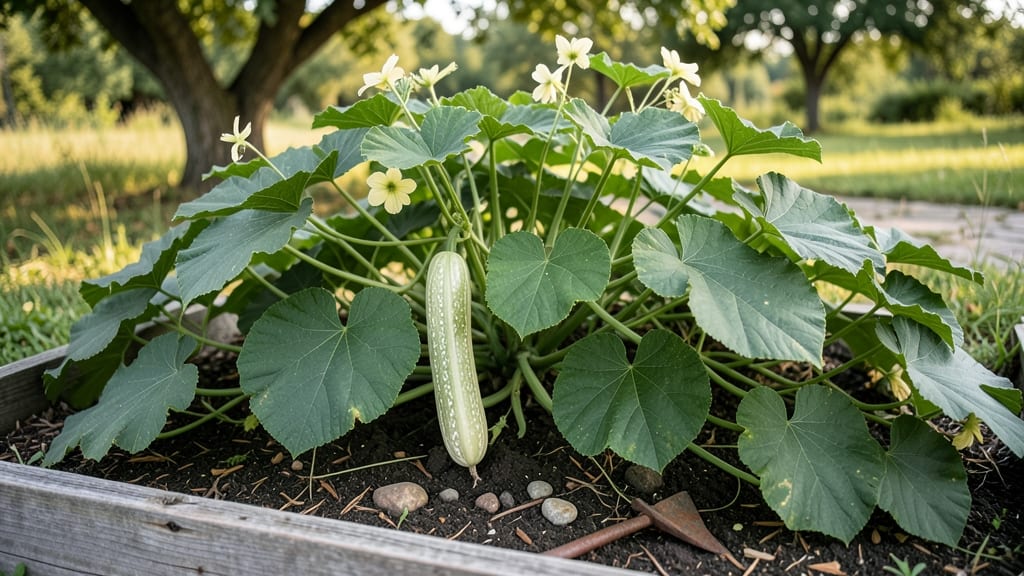
Growing wax gourd winter melon in containers lets you enjoy crisp, hydrating fruits year-round with almost no fuss. 🌱 I've grown them in 5-gallon pots on my balcony for three seasons now, and they've become my go-to summer snack—sweet, juicy, and packed with nutrients without the fuss of a full garden bed.
The secret is treating them like vines, not melons: they climb, they spread, and they reward patience with harvests that last from early summer through fall. The beauty of wax gourds is their adaptability.
They thrive in USDA zones 7-11, but with the right container and a sunny spot, you can grow them even in cooler climates by starting seeds indoors in late April and moving them outside after the last frost.
Unlike traditional melons, winter melons don’t need a huge space—they’ll happily trail down a trellis or climb a fence, producing 10-15 fruits per plant with minimal care. Just give them 6-8 hours of sun daily and well-draining soil, and they’ll do the rest.
What you’ll end up with is a continuous harvest of fruits that can be eaten raw, juiced, or stir-fried—all while keeping your space tidy. The vines stay productive for months, and if you prune them back lightly after each harvest, you’ll get two waves of fruit in a single season.
Plus, the leaves are edible too, adding a mild, slightly sweet flavor to salads. This method works for balconies, patios, or even sunny windowsills—just ensure your container is at least 12 inches deep and has drainage holes. Here’s how to get started without the overwhelm.
📚 In This Guide
- What you need
- Instructions
- Tips and common mistakes
- Wrapping up and next steps
What you need
- ● Wax gourd seeds: 3–5 seeds per container (choose heirloom or hybrid varieties like 'Chinese Preserved Melon' or 'Tian Qing Gua').
- ● Containers: 1–2 large pots (12–18 inches deep) with drainage holes or a fabric grow bag (5-gallon minimum per plant).
- ● High-quality potting mix: 1 bag (sterilized, well-draining mix with compost or coconut coir).
- ● Slow-release fertilizer: 1 packet (balanced 10-10-10 or organic options like fish emulsion).
- ● Trellis or stakes: 1–2 per plant (5–6 feet tall for vining support).
- ● Watering can or hose with gentle spray: 1 (avoid overwatering!).
- ● Pruning shears: 1 pair (for trimming vines and excess leaves).
- ● Garden twine or soft ties: 1 roll (to secure vines to trellis).
- ● Mulch (straw or shredded leaves) to retain moisture.
- ● Epsom salt (1 tbsp per gallon of water) for magnesium boosts.
- ● Neem oil or insecticidal soap for pest control.
- ● Grow lights (if indoors or low-light conditions).
- ● Soil moisture meter to track hydration levels.
Step-by-step instructions for growing wax gourd winter melon in containers
Here's how to grow these crisp, mild melons anywhere—no yard required.
🌱 Step 1: Choose the Right Container and Prepare Soil
Select a container at least 18 inches deep with drainage holes—winter melons need room for their sprawling vines. I use 5-gallon fabric grow bags because they allow roots to breathe while containing the plant's aggressive growth. Fill the container with a mix of 50% potting soil and 50% coconut coir for excellent drainage and moisture retention.
Winter melons hate soggy roots, so add a 2-inch layer of perlite at the bottom before filling with soil. This prevents waterlogging while still keeping the mix airy enough for fast-growing roots. Pre-moisten the soil until it's damp but not dripping—you want it to hold moisture without becoming compacted.
☀️ Step 2: Plant Seeds or Transplants at the Right Time
Start seeds indoors 8-10 weeks before your last frost or purchase healthy transplants from a nursery. If sowing seeds, plant 2-3 seeds per container at a depth of ½ inch, spacing them 3 inches apart. Cover lightly with soil and mist gently to keep the surface moist but not wet.
Winter melons thrive in warm soil (70-85°F). Use a seedling heat mat if starting early indoors, or wait until nighttime temperatures stay above 60°F before transplanting outdoors. Once seedlings show 2-3 true leaves, thin to the strongest plant per container—crowding stresses roots and reduces fruit production.
💧 Step 3: Provide Consistent Water and Support
Water deeply 2-3 times per week, keeping the soil evenly moist but never soggy. Winter melons are drought-tolerant once established, but young plants need steady moisture. I water at the base of the plant in the morning to prevent fungal diseases that thrive in damp foliage.
Set up a trellis or sturdy cage immediately—these vines grow 10-15 feet long and need support to climb. Train the main vine along the trellis, pruning side shoots to encourage upward growth. You'll see yellow flowers appear in 6-8 weeks; hand-pollinate by gently shaking the trellis to transfer pollen if no bees visit.
✂️ Step 4: Prune and Harvest for Continuous Production
Prune aggressively to focus energy on fruit production. Remove all suckers (side shoots below the first flower) and yellowing leaves regularly. I also pinch back the main vine tip after the first fruit sets to redirect growth toward ripening. This keeps plants manageable in containers while maximizing yield.
Harvest when fruits reach 12-18 inches long and develop a waxy, pale green skin. Use a sharp knife to cut stems—never twist, as this damages the vine. Winter melons continue producing for 3-4 months if you keep pruning and fertilizing lightly every 2 weeks with a balanced 10-10-10 formula.
🪴 Step 5: Overwinter or Reset for Next Season
In cold climates, bring containers indoors before first frost. Place in a bright, cool (50-60°F) spot and reduce watering to once every 2 weeks. Prune back ½ the plant to conserve energy. In warmer areas, mulch heavily and protect with frost cloth if temperatures dip below 40°F.
For spring replanting, refresh the soil with 2 inches of compost and a slow-release fertilizer. Winter melons are perennial in warm zones—many plants live 5+ years with proper care. I always save seeds from my best fruits to ensure next year's plants match the flavor and vigor of this season's harvest.
Tips & tricks for growing wax gourd winter melons in containers
These simple yet game-changing tips will help you coax the best harvest from your container-grown winter melons—no matter your space or skill level.
Soil Mix Secret: While the 50/50 potting soil and coconut coir mix works perfectly, I've found adding 10% worm castings to that mix gives seedlings an extra nutrient boost right from the start. These castings improve soil structure and provide gentle, sustained nutrition that helps young roots establish faster. Just mix it in thoroughly before planting—your melons will reward you with stronger vines and more vigorous growth.
Transplanting Timing: The 60°F nighttime temperature threshold is critical, but don't rush—wait until morning temperatures consistently stay above 65°F before moving plants outdoors. Cold mornings can shock the delicate roots, even if nights are warm. I always harden off seedlings for 3-5 days before transplanting by placing them in a sheltered spot during the day and bringing them in at night.
Watering Wisdom: Those 2-3 times per week waterings can be tricky with container plants—they dry out faster than in-ground gardens. I've found using a moisture meter helps avoid both underwatering and overwatering. Aim to keep the top 2 inches of soil consistently moist, but never soggy. In hot weather, you might need to water daily, especially in small containers.
Trellis Training: Don't wait until the vines are sprawling to set up support! Install your trellis or cage immediately after transplanting—even if it's just a simple wire frame. This prevents the plant from developing a "leaning" habit that's hard to correct later. I train the main vine by gently tying it to the trellis with soft plant ties every 2-3 feet as it grows, which also helps prevent wind damage.
Pro Tips for Wax Gourd Winter Melon
- These simple yet game-changing tips will help you coax the best harvest from your container-grown winter melons—no matter your space or skill level.
- Soil Mix Secret: While the 50/50 potting soil and coconut coir mix works perfectly, I've found adding 10% worm castings to that mix gives seedlings an extra nutrient boost right from the start.
- Transplanting Timing: The 60°F nighttime temperature threshold is critical, but don't rush—wait until morning temperatures consistently stay above 65°F before moving plants outdoors.
Frequently asked questions
Got questions about growing wax gourd (winter melon) in containers? You’re not alone!
Here are answers to the most common queries to help you grow this versatile, low-maintenance veggie with confidence.
What’s the best temperature range for growing wax gourd?
Wax gourd thrives in warmth—ideal temperatures range from 70°F to 90°F (21°C–32°C). If your climate dips below 50°F (10°C), grow indoors near a sunny window or use a grow light. Pro tip: Avoid frost—this plant is not cold-hardy!
How long does it take for wax gourd to bear fruit?
From seed to harvest, wax gourd typically takes 80–120 days, depending on the variety and growing conditions. Key factors:
- Sunlight: 6+ hours daily speeds up growth.
- Watering: Consistent moisture (but avoid soggy soil).
- Pollination: Hand-pollinate if bees are scarce (use a soft brush!).
Can I grow wax gourd in small containers, or do I need a big pot?
Wax gourds are vining plants but adapt well to containers! Use a 5-gallon pot (minimum) for 1–2 plants, with drainage holes to prevent root rot. Space-saving tip: Train vines upward with a trellis—saves room and improves airflow!
What’s the difference between wax gourd and regular winter melon?
They’re the same plant (scientific name: Benincasa hispida), but names vary by region. Key traits:
- Immature fruit: Crunchy, cucumber-like (great for stir-fries!).
- Mature fruit: Hard-shelled, sweet when ripe (used in soups/desserts).
Why are my wax gourd leaves turning yellow or wilted?
Yellowing leaves often signal overwatering or nutrient deficiency. Troubleshoot:
- Check soil moisture: Stick your finger 1 inch deep—water only if dry.
- Fertilize lightly: Use a balanced 10-10-10 fertilizer every 4–6 weeks.
- Pests: Inspect for aphids or spider mites (spray neem oil if needed).
Wrapping up and next steps
Growing wax gourd winter melon in containers is a rewarding way to enjoy fresh, homegrown produce with minimal fuss!
Whether you're a beginner or a seasoned gardener, this versatile plant thrives with just a few key steps—great drainage, sunlight, and patience. 🌱 With year-round harvests possible in the right climate, you’ll soon be savoring its crisp, hydrating fruits in salads, soups, or stir-fries.
Ready to dive in? Start small—pick a container, gather your supplies, and plant your first seeds or seedlings today! Your future self (and taste buds) will thank you. 😊