
Vegetables
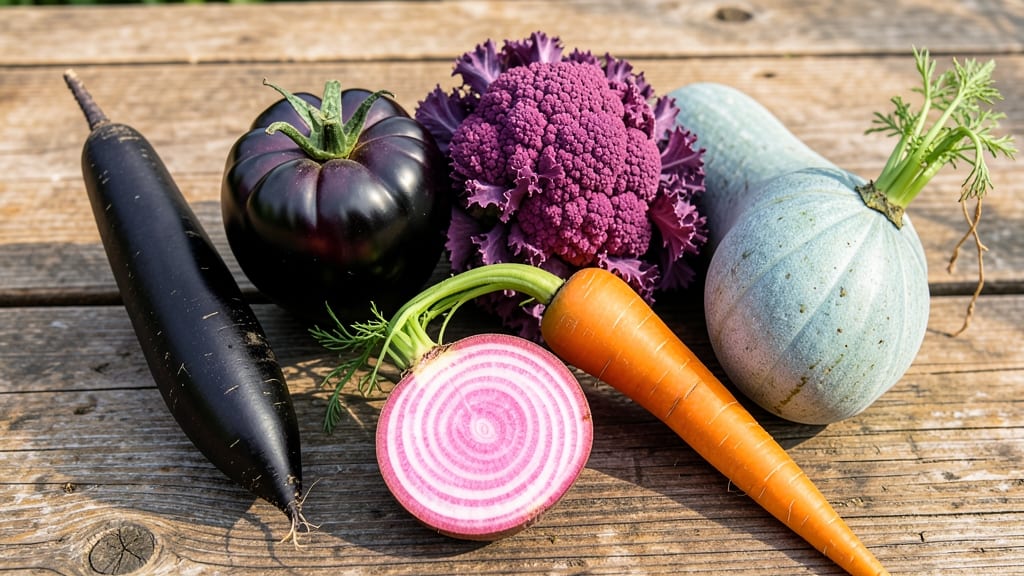
Your garden just got a lot more interesting. 🌱 The weirdest-looking vegetables aren't just conversation starters—they're edible art that turns ordinary plots into showstoppers. I've grown everything from purple-streaked okra to blue-skinned potatoes, and let me tell you, neighbors stop to take photos.
These plants thrive in the same conditions as their more common cousins but deliver unexpected colors, shapes, and textures that make your garden the talk of the block.
Dragon carrots with their feathery tops, black Krim tomatoes with their smoky flavor, or even heirloom beans with striped pods—they're all easy to grow and impossible to ignore. By midsummer, you'll have a harvest that's as visually stunning as it is delicious.
Imagine serving up a salad with deep purple eggplants or roasting blue potatoes—your dinner guests will be more impressed by the plate than the recipe. Perfect for themed gardens, container displays, or simply adding character to your veggie patch. Here’s how to make them work in your space!
📚 In This Guide
- What you need
- Instructions
- Tips and common mistakes
- Wrapping up and next steps
What you need
- ● Seeds or Seedlings: 1–3 packets of unusual vegetable seeds (e.g., Black Krim tomatoes, Dragon Carrots, Purple Sweet Potatoes, Chioggia Beets, or Cauliflower ‘Romanesco’).
- ● Organic heirloom seeds (for authenticity and bold colors).
- ● Growing Containers or Garden Space: 5–10 gallon pots (with drainage holes) or a raised bed (6"–12" deep).
- ● Well-draining potting mix (avoid garden soil—it compacts!).
- ● Basic Gardening Tools: 1 trowel (for transplanting seedlings).
- ● 1 pair of pruning shears (for harvesting or trimming).
- ● 1 watering can or hose with a gentle spray nozzle.
- ○ Optional: Garden gloves (to protect from prickly stems like Okinawan Sweet Potatoes).
- ● Slow-release fertilizer (e.g., 10-10-10 or compost tea) for vibrant growth.
- ● Mulch (straw or shredded leaves) to retain moisture and suppress weeds.
- ● Support stakes or cages (for vining varieties like Blue Hubbard Squash).
- ● Grow lights (if starting seeds indoors—LED full-spectrum bulbs work best!).
- ● Food-safe spray bottle (for misting seedlings).
How to grow the weirdest looking vegetables for maximum visual impact
These bold plants aren't just edible—they're conversation starters that transform any garden into a living art gallery.
🌱 Step 1: Select Your Statement-Making Varieties
Start with the most dramatic options: Black Krim tomatoes (purple-black skin that looks like alien fruit), Dragon Carrots (swirling rainbow colors), or Elephant Garlic (giant, bulbous heads that resemble oversized cloves). I always choose at least one plant with unusual color—Chioggia beets with their candy-striped interiors or Purple Okra that looks like something from a fantasy novel.
Check seed packets for maturity dates—90-120 days for most heirloom varieties. Plant seeds directly in the garden after your last frost date when soil reaches 60°F—transplants struggle with these oddballs. I've found the key is patience; these plants take longer to establish but reward you with years of show-stopping harvests.
☀️ Step 2: Prepare Soil for Unusual Growth Patterns
Loosen soil to 12 inches deep—these vegetables need room to develop their signature shapes. Amend with 2-3 inches of compost and a handful of kelp meal to boost their often delicate structures. I swear by the "fluff test"—soil should feel like a damp sponge when squeezed, not compact like wet sand.
For giant varieties like Elephant Garlic, work in extra phosphorus (bone meal) to support those massive bulb formations. The weirdest shapes develop best in well-draining but moisture-retentive soil—think of it as giving your plants the perfect canvas to express their genetic quirks.
💧 Step 3: Water Strategically for Unique Forms
Deep water once weekly (2-3 gallons per plant) rather than frequent shallow watering—this encourages the swollen, bulbous growth that makes these plants so distinctive. I use a soaker hose positioned at the base to avoid wetting the foliage, which prevents fungal issues that can distort growth patterns.
Watch for visual cues: Dragon Carrots develop their swirls when moisture is consistent but not excessive. If leaves yellow between veins, that's your signal to reduce water slightly. The key is maintaining even soil moisture—never letting the soil dry completely between waterings.
✂️ Step 4: Support and Prune for Maximum Drama
Install cages or stakes immediately—these vegetables often grow top-heavy. For Black Krim tomatoes, I use tomato saviors to prevent the heavy fruit from snapping stems. Prune suckers aggressively (remove any growth between main stem and branches) to direct energy into producing fewer but more spectacular fruits.
For ornamental varieties like Purple Okra, let them grow wild—their strange shapes are part of the charm. The only pruning needed is removing any yellowed or diseased leaves immediately. I've learned the hard way that hesitation leads to spread—these plants are more susceptible to rot than their conventional cousins.
🌿 Step 5: Harvest at Peak Weirdness
Timing matters—harvest Dragon Carrots when they reach 1-1.5 inches diameter for maximum color swirls. For Elephant Garlic, wait until the tops yellow completely—this ensures those massive cloves develop their signature size. I always harvest in the early morning when plants are hydrated, making the colors pop even more.
Store in perforated bags in the fridge—these vegetables keep their dramatic appearance longer than standard varieties. The real magic happens when you slice open a Chioggia beet at the dinner table and watch guests react to those pink-and-white rings. That's when you know you've grown something truly special.
Tips & tricks for growing visually stunning garden vegetables
Transforming your garden into a living art gallery requires a few strategic moves beyond the basics. These are the secrets that'll help your most unusual vegetables reach their full dramatic potential.
Variety Selection Insight: Don't just pick one oddball variety—combine textures and colors for maximum impact. Pair the deep purple of Black Krim tomatoes with the candy-striped Chioggia beets and the rainbow swirls of Dragon Carrots. I've found that plants with contrasting growth habits (like upright Purple Okra next to sprawling Black Krim) create the most dynamic visual displays. The key is creating height variation—tall Purple Okra at the back, medium-height tomatoes in the middle, and low-growing beets or carrots in front.
Soil Science for Dramatic Shapes: The 12-inch deep soil preparation in Step 2 is non-negotiable for these varieties, but here's the pro move: mix in 1 tablespoon of Epsom salt per plant when amending the soil. This magnesium boost helps develop those signature swollen forms—especially critical for Elephant Garlic and Dragon Carrots. I've seen the difference firsthand: plants without this extra magnesium often produce smaller, less distinctive bulbs and roots. Test your soil pH first—these unusual varieties thrive in slightly acidic soil (pH 6.0-6.8).
Watering Strategy for Maximum Drama: The once-weekly 2-3 gallon watering routine is perfect, but timing matters just as much as quantity. Water in the early morning hours (before 8 AM) to prevent fungal issues that can distort growth patterns. I've noticed that Dragon Carrots develop their most vibrant swirls when watered consistently at this time—likely because the cool morning temperatures help set the colors. For Elephant Garlic, I add a 1-inch layer of straw mulch after watering to maintain even moisture without over-saturating the soil.
Harvesting for Showstopping Results: When harvesting Dragon Carrots at 1-1.5 inches diameter, don't be tempted to pull them earlier for color—wait until you see those signature swirls fully develop. For Elephant Garlic, the yellowing tops signal perfect harvest time, but here's the trick: leave the largest bulbs in the ground for an extra week after the tops yellow. This gives them time to develop their maximum size—sometimes doubling the standard clove size. I've had bulbs reach the size of softballs using this method!
Pro Tips for Weirdest Looking Vegetables
- Transforming your garden into a living art gallery requires a few strategic moves beyond the basics.
- Variety Selection Insight: Don't just pick one oddball variety—combine textures and colors for maximum impact.
- Soil Science for Dramatic Shapes: The 12-inch deep soil preparation in Step 2 is non-negotiable for these varieties, but here's the pro move: mix in 1 tablespoon of Epsom salt per plant when amending the soil.
Frequently asked questions
Got questions about these bizarre beauties? You’re not alone! Here are some of the most common queries about the weirdest-looking veggies that’ll make your garden the talk of the town.
Can I eat these vegetables, or are they just for show?
Most of these veggies are totally edible—but some have quirky textures or flavors! For example, celeriac (the lumpy, gnarled root) is delicious roasted or mashed, while black Krim carrots taste sweeter than their orange cousins. Always research or ask a local expert before diving in—safety first!
How do I know when these weird veggies are ready to harvest?
Harvest times vary wildly! Check the seed packet for specifics, but here’s a quick guide:
- Uglyfruit (Solanum melongena var. esculentum): Harvest when skin turns glossy and firm (like a regular eggplant).
- Artichoke (Cynara cardunculus): Pick buds before they bloom—squeeze gently to test tenderness.
- Jerusalem artichoke (Helianthus tuberosus): Dig up tubers in fall when foliage yellows.
Where can I buy seeds or plants for these oddball veggies?
Specialty seeds are easier to find than ever! Try:
- Online seed banks: Baker Creek Heirloom Seeds, Rare Seeds, or Seed Savers Exchange.
- Local nurseries: Call ahead—some carry heirloom or unusual varieties.
- Farmers’ markets: Ask vendors if they sell starts or saved seeds!
What if my weird veggie looks diseased or deformed?
Not all odd shapes mean trouble! Some veggies (like blossom-end rot in tomatoes) are fixable with calcium-rich soil or consistent watering. But if you spot:
- Mold, spots, or wilting leaves → Remove the plant to prevent spread.
- Pests (like aphids or slugs) → Use neem oil or organic sprays.
- Unusual gnarled growth → Check soil pH or nutrient levels (a simple test kit helps!).
Can I grow these in containers or small spaces?
Many weird veggies thrive in pots, especially:
- Dwarf varieties: Try bush beans or mini eggplants (like ‘Fairy Tale’).
- Vertical growers: Pole beans, peas, or cherry tomatoes (like ‘Tumbling Tom’) save space.
- Root crops: Radishes or baby carrots grow in shallow containers.
Wrapping up and next steps
From artichokes with their fuzzy crowns to celeriac’s gnarled roots, nature’s weirdest vegetables prove that beauty—and flavor—come in all shapes and sizes! 🌱 These bold plants aren’t just conversation starters; they’re packed with nutrients and ready to transform your meals (and your garden) into something extraordinary.
Ready to grow your own? Start with one of these quirky varieties—whether it’s the ugly-but-delicious sunchoke or the dramatic Romanesco broccoli. Grab some seeds, get planting, and let your garden become the talk of the neighborhood! 🌍✨