
Plants
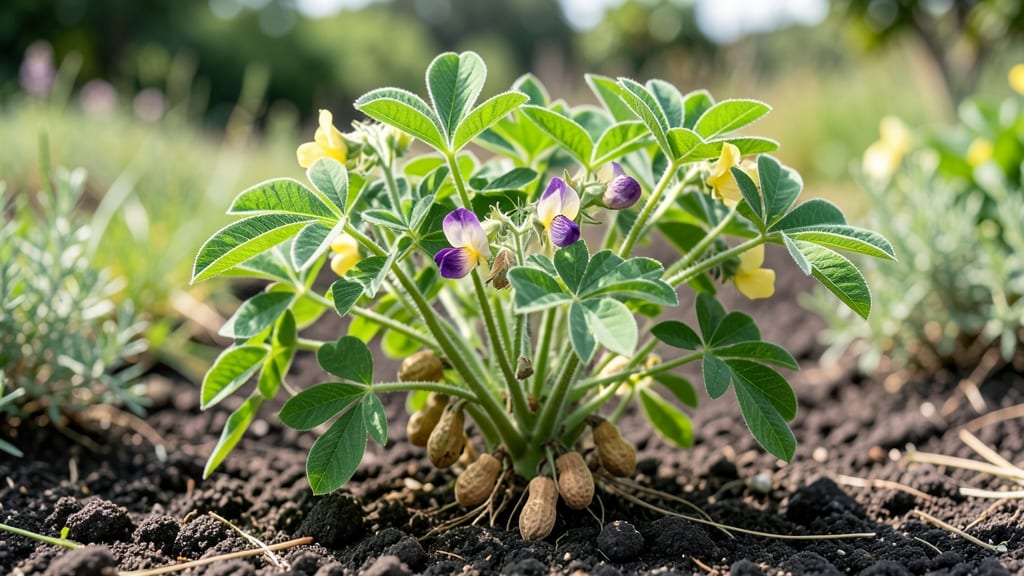
Peanut plants start with delicate yellow blossoms that look like tiny orchids, but it's their leafy vines that give them away—long, sprawling stems with pinnate leaves (like a feather) that spread 12-18 inches wide. 🌱 The leaves are fuzzy on the underside, and if you see them, you're in the right spot for warm climates where sandy soil thrives.
These plants don't stay neat; they'll crawl across the ground or climb if given support, but their real magic hides underground.
Confusing them with other plants? Look for those yellow orchid-like flowers—peanut plants are the only ones that produce them and develop pods underground after pollination. They need 60-90 days of warm weather to mature, so if you're in a cooler zone, start seeds indoors or wait for summer.
The vines can spread 6-12 feet if left unchecked, making them perfect for ground cover in sunny beds or containers with deep pockets for those hidden peanuts.
📚 In This Guide
- What you need
- Instructions
- Tips and common mistakes
- Wrapping up and next steps
What you need
- ● Peanut seeds: 10–20 seeds (raw, unsalted, and preferably organic for best results). Look for Virginia, Runner, or Valencia varieties for home gardens.
- ● Potting soil: 5–10 gallons of well-draining, sandy loam soil (pH 5.8–6.5). Mix in compost for nutrients.
- ● Containers or garden bed: Containers: 5–10 gallon pots with drainage holes (1–2 plants per pot).
- ● Garden bed: Full sun (6+ hours daily) and loose, warm soil (peanuts hate cold!).
- ● Watering can or hose: With a gentle spray nozzle for consistent moisture.
- ● Fertilizer: Balanced 10-10-10 or low-nitrogen fertilizer (follow package rates).
- ● Mulch: Straw or pine needles to retain moisture and regulate soil temp.
- ● Garden gloves: To protect hands from prickly foliage.
- ● Row covers: Lightweight fabric to shield young plants from pests.
- ● pH testing kit: To monitor soil acidity (peanuts are picky!).
- ● Trellis or stakes: If growing Virginia-type peanuts (they sprawl!).
- ● Peanut growing guidebook: For troubleshooting common issues like leaf spots or root-knot nematodes.
Identifying peanut plants: what to watch for in every growth stage
Peanuts start as delicate vines and end as sprawling ground huggers—here's how to spot them at each stage.
🌱 Step 1: Recognize the First True Leaves
The very first leaves you'll see are actually cotyledons—those tiny, rounded leaves that appear right after germination. They're usually a rich, deep green and grow in pairs. But here's where it gets interesting: the first true leaves will look completely different. They'll be compound leaves with 3-4 leaflets arranged in a fan shape, each about 1-2 inches long.
I always check for these true leaves because they're your first clue that the plant is ready for its next growth phase. If you're growing from seed, you'll notice the seedling will start to develop a more upright growth habit once these true leaves appear. This is also the perfect time to thin seedlings if you planted multiple seeds in one spot.
🌿 Step 2: Spot the Signature Yellow Blossoms
Peanut plants produce some of the most distinctive flowers in the garden—small, yellow-orange blossoms that grow in clusters at the base of the plant. These flowers are what will eventually develop into peanuts, so they're a crucial stage to identify. The blooms appear about 6-8 weeks after planting, typically when the plant has developed a good amount of foliage.
Here's the thing—these flowers are self-pollinating, but they do need a little help from bees or gentle breezes. If you're growing peanuts in a container or a protected space, you might need to hand-pollinate by gently shaking the plant or using a small brush to transfer pollen from flower to flower. Watch for flowers that start to wilt slightly—they're ready for pollination.
🪴 Step 3: Identify the Sprawling Vine Habit
Peanut plants are notorious for their sprawling growth habit. As the plant matures, you'll notice long, hairy vines that can grow up to 2 feet long. These vines are what make peanuts unique—they don't just grow upward like most plants. Instead, they sprawl across the ground, and it's where the magic happens.
The vines produce pegs—small, hairy structures that grow out from the leaf axils. These pegs will eventually grow into the soil and develop into peanut pods. You'll know the plant is ready for this stage when the vines start to turn yellow and the leaves begin to curl slightly. This usually happens around 10-12 weeks after planting, depending on your climate.
⏰ Step 4: Watch for Pod Development and Leaf Changes
Once the vines have established themselves and started to peg, you'll notice a dramatic change in the leaves. They'll start to turn yellow and eventually fall off as the plant shifts its energy toward pod development. The pods themselves will start small—about the size of a pencil eraser—and will grow larger as they mature.
Here's the key visual cue: the pods will start to curl at the tips, indicating they're ready for harvest. The shells will also turn a rich, tan color. If you leave them in the ground too long, the shells will turn brown and the peanuts inside will become shriveled. Harvest time is when the vines start to die back and the pods are firm to the touch.
💧 Step 5: Prepare for Harvest by Spotting Ready Pods
The final stage is all about timing your harvest. You'll know the peanuts are ready when the vines have turned completely brown and the pods have curled at the ends. Gently dig up a few pods to check—they should have a papery shell and feel firm inside. If you see any green pods still attached, leave them in the ground a little longer.
Real talk: peanuts don't ripen on the plant like tomatoes or peppers. They need that time in the soil to develop properly. Once you've harvested, you'll want to cure the peanuts by drying them in a warm, dry place for about 2 weeks. This process brings out their full flavor and makes them shelf-stable.
Tips & tricks for identifying peanut plants at every stage
These simple tricks will help you confidently recognize peanut plants from seedling to harvest-ready.
Leaf Shape Matters: The first true leaves are your best early identifier—look for compound leaves with 3-4 leaflets arranged in a fan shape, each about 1-2 inches long. Cotyledons (the initial rounded leaves) are easy to confuse with other plants, but these true leaves are peanut-specific. I always check for this fan shape when distinguishing peanuts from other legumes.
Blossom Timing Secret: Those signature yellow-orange blossoms appear around 6-8 weeks after planting, but here's what nobody tells you—they're most effective at pollination when they start to wilt slightly. This is your cue to either hand-pollinate (gentle shaking works) or let bees do their job. The flowers' timing is actually more critical than most gardeners realize for successful pod formation.
Vine Growth Habit: Peanut vines don't grow upward—they sprawl horizontally, reaching up to 2 feet long. This sprawling habit is what makes peanuts unique. The key is to watch for those hairy vines starting to turn yellow around 10-12 weeks, signaling the pegs are forming. I've seen many gardeners miss this stage because they're looking for vertical growth.
Harvest Visual Cues: The pods are ready when they curl at the tips and develop a papery tan shell. Here's my pro tip: dig up one pod to check—it should feel firm inside. If you see any green pods still attached when most are brown, leave them in the ground a few more days. This visual check is your best quality control before harvest.
Pro Tips for What Do Peanut Plants Look Like
- These simple tricks will help you confidently recognize peanut plants from seedling to harvest-ready.
- Leaf Shape Matters: The first true leaves are your best early identifier—look for compound leaves with 3-4 leaflets arranged in a fan shape, each about 1-2 inches long.
- Blossom Timing Secret: Those signature yellow-orange blossoms appear around 6-8 weeks after planting, but here's what nobody tells you—they're most effective at pollination when they start to wilt slightly.
Frequently asked questions
Got questions about peanut plants? You’re not alone! Here are some of the most common queries—plus quick, actionable answers to help you spot, grow, or troubleshoot these unique plants with confidence.
How do I tell if a peanut plant is healthy?
A healthy peanut plant has bright green, compound leaves (5-9 leaflets per stem) with no yellowing or spots. The stems should be sturdy and upright, not wilting or leggy. If you see pale leaves or brown patches, it could signal overwatering, pests, or fungal issues like leaf spot disease.
How long does it take for peanut plants to flower and produce pods?
Peanut plants typically flower in 60–70 days after planting, producing delicate yellow blossoms (like tiny orchids!). Pods (peanuts!) form 4–6 weeks after flowering and mature underground in about 100–120 days total. Patience is key—rushing harvest can leave pods unripe!
Can I grow peanuts indoors, or do they need a garden?
Peanuts thrive outdoors in warm climates (USDA Zones 9–11) with 6+ hours of sunlight daily. However, you can try container gardening in pots (12+ inches deep) if you live in cooler areas—just move them outside during the day and bring them in at night when temps drop below 50°F (10°C).
Why are my peanut plant leaves turning yellow or curling?
Yellowing leaves often mean overwatering or poor drainage, while curling could signal pests (like spider mites) or heat stress. Check the soil—it should stay lightly moist but not soggy. For pests, spray leaves with neem oil or introduce ladybugs. If soil is compacted, loosen it gently to improve airflow.
Are peanut plants the same as peanut butter plants?
Yes! The peanut plant (Arachis hypogaea) is the source of both raw peanuts and peanut butter. The pods we eat grow underground after fertilization. Just remember: Don’t confuse them with runner beans or other vining plants—peanuts have distinctive yellow flowers and hairy stems!
Wrapping up and next steps
Now that you’ve spotted those distinctive peanut plant features—from their delicate yellow blossoms to their leafy vines—you’re ready to embrace the joy of growing (or simply admiring!) these versatile plants.
Whether you’re a gardener, a curious nature lover, or just someone who adores a good snack, recognizing peanut plants is the first step toward a rewarding harvest or deeper appreciation for their beauty. 🌱
Ready to take the next step? Start by planting your own peanut seeds or visit a local garden center to see these plants in person. Happy growing—and don’t forget to share your discoveries with fellow plant enthusiasts!