
Vegetables
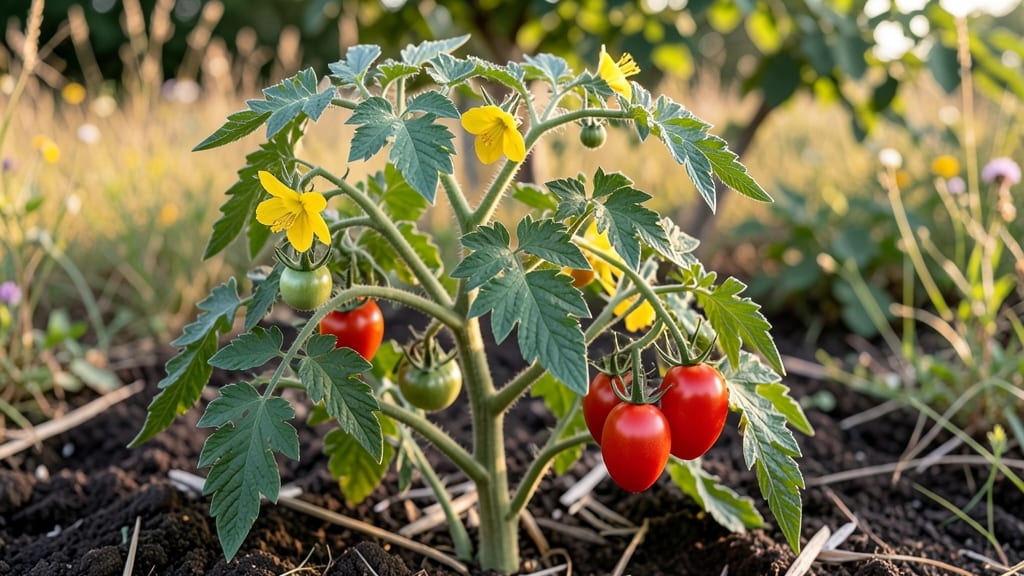
Your tomato leaf shape reveals more about the plant than just looks—it’s the key to healthier, bushier growth. 🌿 I’ve spent years studying how leaf structure affects pruning, disease resistance, and even flavor, and the differences between lobed heirloom leaves and smooth-edged hybrids make all the difference in how you care for them.
Heirloom tomatoes often have deeply lobed, jagged-edged leaves that thrive in warm climates, while hybrid varieties may sport smoother, serrated leaves designed for disease resistance. Knowing these traits helps you prune correctly—removing diseased lower leaves without harming the plant’s natural structure—and spot early signs of trouble before it spreads.
When leaves start curling or developing spots, you’ll catch issues faster by comparing them to healthy examples. A simple leaf inspection can save your harvest from blight or pests, and understanding these shapes means you’ll prune for airflow, not just aesthetics—leading to thicker stems and more fruit.
This knowledge works for both backyard gardens and container growing, so you’ll adapt your care whether you’re dealing with a sprawling beefsteak or a compact cherry tomato. Let’s get those leaves talking to you!
📚 In This Guide
- What you need
- Instructions
- Tips and common mistakes
- Wrapping up and next steps
What you need
- ● Tomato plants: 1–3 healthy plants (determinate or indeterminate varieties, depending on your goal). Look for plants with at least 3–4 main stems for pruning.
- ● Pruning shears: 1 pair of sharp, sterilized bypass pruners (avoid dull tools—they crush stems!). A small hand pruner (2–4 inches) works best for precision.
- ● Gloves: 1 pair of gardening gloves (nitrile or cotton) to protect your hands from thorns and sap.
- ● Disinfectant: Rubbing alcohol (70% isopropyl) or a bleach solution (1 part bleach to 9 parts water) to sterilize tools between cuts.
- ● Garden twine or plant ties: 1 small roll (¼-inch wide, 50+ feet) to support pruned branches if needed.
- ● Mulch: Straw, wood chips, or grass clippings (1–2 inches deep) to retain moisture and reduce stress on pruned plants.
- ● Loppers: 1 pair (for thicker stems if your plants are mature).
- ● Magnifying glass: 1 (to inspect leaf shapes and identify suckers clearly).
- ○ Pruning sealant: 1 small tube (like Tree Seal or beeswax) to prevent disease entry (optional but useful in humid climates).
- ● Notebook or app: 1 (to track pruning dates and plant progress, e.g., Gardenate or a simple journal).
- ● Plant growth regulator: 1 bottle (like Apogee or Bonzi) to reduce stress if pruning heavily.
- ● ✅ Timing: Prune on a dry, cloudy day (early morning or late afternoon) to reduce stress on the plant.
- ● ✅ Plant health: Ensure your tomato plants are at least 2–3 weeks old and free of pests/diseases before pruning.
- ● ✅ Weather check: Avoid pruning if rain or extreme heat (>90°F/32°C) is forecasted within 24 hours.
- ● ✅ Patience: Pruning tomato leaves takes time and observation—don’t rush!
How to prune tomatoes for perfect leaf shape and bushier growth
Here's how I transform leggy tomato plants into dense, productive bushes—just by shaping the leaves.
🌿 Step 1: Identify the Right Leaves to Prune
Focus on removing only the suckers—those small shoots growing in the leaf axils where a branch meets the main stem. These compete with your plant for energy, weakening fruit production. I start pruning when suckers reach 1-2 inches long, before they drain too much strength.
Leave the first 6-8 leaves intact—they feed the plant early on. After that, prioritize suckers below the first flower cluster, as these drain energy from fruit development. Use sharp pruners to avoid tearing tissue, which invites disease.
✂️ Step 2: Make Clean Cuts for Faster Healing
Cut suckers at a 45-degree angle, about ¼ inch above a leaf node (the bump where a leaf or branch grows). This prevents water from pooling on the wound, which causes rot. I angle cuts away from the main stem to encourage downward water runoff.
Never leave stubs—this creates entry points for fungal infections. If a sucker is too close to a main stem, pinch it off with your fingers instead of cutting. The goal is clean, precise cuts that heal within 24-48 hours without scarring.
☀️ Step 3: Balance Airflow and Light Exposure
After pruning, step back and scan for crowded foliage. Aim to leave 12-18 inches of space between leaves to improve airflow—this prevents humidity buildup, which fuels blight. I remove the largest lower leaves first, working upward as the plant grows.
Watch for yellowing leaves—this signals overcrowding or poor airflow. If you see this, thin another layer of foliage. The goal is sunlight reaching all sides of the plant, not just the top. A well-pruned tomato should look like a miniature tree, not a dense bush.
🌱 Step 4: Repeat Weekly for Continuous Shaping
Prune every 5-7 days during the growing season to maintain shape. Suckers grow fast, so consistency is key. I set a reminder in my phone—skipping a week lets those little energy thieves take over.
Stop pruning 4-6 weeks before your first frost to let the plant harden off. At this point, focus on harvesting rather than shaping. You’ll know you’ve done it right when your tomatoes are plump, red, and the plant looks like a well-groomed bush, not a wild tangle.
Tips & tricks for perfect tomato leaf shape
These precision pruning secrets will transform your leggy tomato plants into productive, bushy powerhouses—without sacrificing next year's harvest.
Sucker Identification: The key to success lies in timing—remove suckers when they're just 1-2 inches long, before they siphon energy from your fruit. I use a small ruler to check size, and always work from the bottom up. This prevents over-pruning the top where the plant needs foliage for photosynthesis. In Step 1, focus on the area below the first flower cluster first, as these early suckers steal the most energy from developing tomatoes.
Tool Selection: Sharp pruners are non-negotiable—dull blades tear tissue, creating wounds that invite fungal infections. I keep a pair of bypass pruners dedicated solely to tomato pruning, sterilized with rubbing alcohol between plants. For suckers too close to the main stem, pinch them off with your thumb and forefinger instead of cutting. This creates a cleaner wound that heals in the 24-48 hour window we're aiming for in Step 2.
Airflow Strategy: After pruning, step back and visualize sunlight paths—your goal should be 12-18 inches of space between leaves. I remove the largest lower leaves first because they block sunlight from reaching the lower fruit clusters. Think of your plant as a miniature tree: the trunk (main stem) should be visible from all sides, with branches (fruit clusters) getting equal light exposure. This isn't just about aesthetics—proper airflow prevents the humidity buildup that fuels blight.
Seasonal Timing: The 5-7 day pruning schedule in Step 4 works best when you start early in the season. Begin when plants are about 12 inches tall, and continue until 4-6 weeks before your first frost. I mark my calendar with frost dates and count backward—this gives me the exact window to maintain shape while letting the plant harden off naturally. The last pruning session should be at least 3 weeks before harvest to avoid stressing the plant when it's putting energy into fruit development.
Pro Tips for Tomato Leaf Shape
- These precision pruning secrets will transform your leggy tomato plants into productive, bushy powerhouses—without sa...
- Sucker Identification: The key to success lies in timing—remove suckers when they're just 1-2 inches long, before the...
- Tool Selection: Sharp pruners are non-negotiable—dull blades tear tissue, creating wounds that invite fungal infectio...
Frequently asked questions
about tomato leaf shape and pruning—here’s what you need to know to keep your plants thriving!Why do tomato leaves change shape as the plant grows?
Tomato leaves naturally vary in shape—smaller, serrated leaves appear early, while larger, more lobed leaves develop as the plant matures. This is normal! Pruning can encourage bushier growth by promoting lateral shoots, but the leaf shape itself is genetically influenced. Focus on removing suckers (side shoots between stems) for better airflow and fruit production.
When is the best time to prune tomato leaves for optimal shape?
Prune early and often—start when plants are 12–18 inches tall, removing suckers (those little shoots in the leaf axils). For indeterminate varieties, prune throughout the growing season to maintain shape and redirect energy to fruit. Wait until morning to prune so wounds heal faster in daylight. Avoid heavy pruning late in the season, as it can stress the plant before harvest.
Can I prune tomato leaves too much? What are the signs?
Yes! Over-pruning removes too much foliage, reducing the plant’s ability to photosynthesize and support fruit. Signs of over-pruning:
- Yellowing leaves (nutrient deficiency)
- Stunted growth or fewer flowers
- Excessive sun scald on exposed fruit
What if my tomato plant has oddly shaped or curled leaves?
Curled or distorted leaves often signal stress—check for pests (aphids, spider mites), disease (early blight, mosaic virus), or environmental issues (overwatering, nutrient deficiency). Start by inspecting the undersides of leaves for pests. If no pests are found, adjust watering (let soil dry slightly between waterings) and fertilize with a balanced 10-10-10 formula. Severe cases may require removing affected leaves to prevent spread.
Do determinate tomatoes need pruning for leaf shape?
Determinate tomatoes don’t require heavy pruning like indeterminate varieties. Their bushy growth habit naturally produces compact plants. However, you can lightly prune to:
- Remove lower leaves touching soil to prevent disease.
- Trim yellow or diseased leaves promptly.
- Open the canopy slightly for better airflow (but avoid excessive thinning).
Wrapping up and next steps
Understanding tomato leaf shape and mastering precision pruning can transform your garden into a thriving, high-yield haven! 🌱 By trimming strategically, you encourage bushier growth, better airflow, and healthier plants—leading to a bountiful harvest. Whether you're a seasoned gardener or just starting, these techniques are your secret weapon for success.
Ready to put your new skills to the test? Start with one plant this season—observe, prune with confidence, and watch your tomatoes flourish! Share your progress or ask questions in the comments; we’re all in this green adventure together. 🌿