
Vegetables
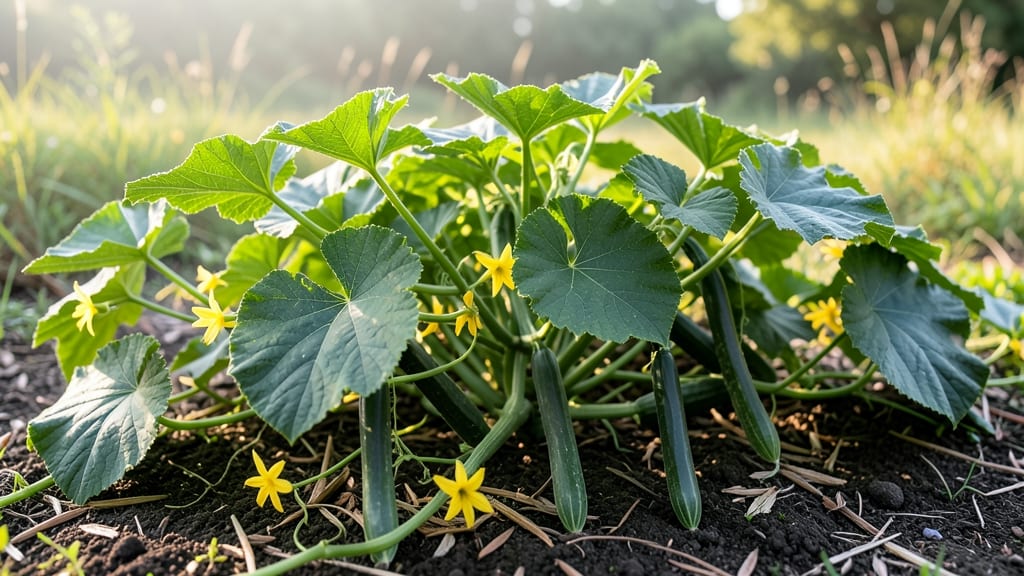
Persian cucumbers aren’t your average garden cucumber—they’re the crunchy, seedless stars of summer salads and snack plates. 🌿 Unlike their bumpy, watery cousins, these slender, snake-shaped beauties pack sweet, buttery flavor and a satisfying snap that disappears when you wait too long to eat them.
I fell for them after one bite of a slice fresh from the vine—no peeling, no bitterness, just pure, refreshing crunch.
This isn’t your grandma’s cucumber either—botanically, it’s a cousin to the true cucumber (Cucumis sativus), but it grows on vines like a mini melon, staying compact enough for containers or small gardens.
They thrive in warm climates (zones 4-11) but can be grown as annuals almost anywhere with 6-8 hours of sun and well-draining soil. No fancy setups needed—just a trellis or two and regular watering to keep those vines productive.
The payoff? Harvest within 50-60 days, and you’ll have enough for sandwiches, tacos, or just snacking straight from the garden. They’re also pest-resistant compared to regular cucumbers, so you’ll spend less time battling bugs and more time enjoying the harvest.
Plus, they’re perfect for small spaces—my balcony plants produced dozens last summer with minimal effort. If you’ve ever struggled with soggy, seedy cucumbers, these are the upgrade you didn’t know you needed.
They’re foolproof for beginners but rewarding for experienced gardeners too—just don’t let them get past 6 inches long, or that crunch turns to mush.
📚 In This Guide
- What you need
- Instructions
- Tips and common mistakes
- Wrapping up and next steps
What you need
- ● Seeds or Seedlings: 1–3 Persian cucumber seeds (varieties like 'Lemon Cucumber' or 'Suyo Long' are popular).
- ● OR 2–4 young seedlings (if starting from nursery plants).
- ● Soil: 1–2 bags of well-draining, nutrient-rich potting mix (or garden soil amended with compost).
- ● Containers or Garden Space: Containers: 2–3 5-gallon pots (with drainage holes) per plant.
- ● Garden: Full sun (6–8+ hours/day) and space 12–18 inches apart in rows.
- ● Fertilizer: 1 cup of balanced organic fertilizer (5-5-5 or 10-10-10 NPK ratio) or compost tea.
- ○ Support Structures (Optional but Recommended): 1–2 trellises, cages, or stakes (6+ feet tall) to encourage vertical growth and reduce disease risk.
- ● Watering Tools: Watering can or hose with a gentle spray nozzle (to avoid damaging delicate vines).
- ○ Drip irrigation kit (optional, for consistent moisture).
- ● Fresh Persian Cucumbers: 1–2 whole cucumbers (or pre-sliced if short on time).
- ● Knife: 1 sharp chef’s knife or mandoline slicer (for even slices).
- ● Cutting Board: 1 large, stable board (preferably bamboo or plastic to avoid slippage).
- ● Serving Platter: 1 glass or ceramic platter (for fresh snacks or garnishes).
- ○ Dressing Ingredients (Optional): Lemon juice (2 tbsp), olive oil (3 tbsp), salt, and pepper (to taste).
- ● Fresh herbs like dill or mint (a handful, chopped).
- ○ Storage Containers (Optional): 1 airtight container with paper towels (to keep cucumbers crisp for 3–5 days).
Understanding Persian cucumber: how to grow the ultimate snack variety
This isn't your grandma's cucumber—Persian varieties pack a flavor punch and zero seeds, making them perfect for fresh eating.
🌱 Step 1: Identify What Makes Persian Cucumbers Unique
Persian cucumbers (like 'Lemon' or 'Suyo Long') grow to just 4-6 inches long, staying perfectly small and sweet. Their thick, dark green skin stays crisp without becoming bitter, and the seedless interior makes them ideal for slicing straight from the vine. Unlike slicing cucumbers, they never develop those large, tough seeds that ruin salads.
The real magic is in their flavor profile—lemony, slightly sweet, and intensely crunchy. They're bred to be harvested young, so you'll pick them when they're still firm and vibrant. This variety thrives in warm climates but can also be grown in containers if you live in cooler zones, as long as you provide full sun and consistent moisture.
☀️ Step 2: Choose the Right Growing Conditions
Persian cucumbers need 6-8 hours of direct sunlight daily—more if you're in a hot, dry climate. I always plant mine where they'll get morning sun and afternoon shade, especially in summer. The soil should be well-draining but moisture-retentive, with a pH between 6.0 and 6.8. Amend heavy clay soil with 2-3 inches of compost before planting to improve aeration.
Here's the thing—these cucumbers hate cold. Wait until soil temperatures reach at least 60°F before transplanting, or start seeds indoors 4-6 weeks before your last frost date. If you're growing in containers, use 5-gallon pots to give roots room to spread. The key is keeping the soil warm, so black plastic mulch helps speed up germination and protect tender roots.
🌿 Step 3: Plant and Train for Maximum Yield
Sow seeds ½ inch deep, spacing plants 12-18 inches apart in rows 3 feet apart. If you're planting in containers, one plant per 5-gallon pot works perfectly. Thin seedlings to the strongest one per spot—crowding leads to weak, disease-prone vines. I always use a trellis or cage because Persian cucumbers grow bushier than long vines, but they still benefit from vertical support to improve airflow and reduce soil-borne diseases.
Watch for first true leaves (the second set after the initial seed leaves) to appear—this means your plant is established. Once they do, mulch around the base with straw to keep moisture in and weeds out. Water deeply once a week, aiming for 1 inch of water per week, but adjust based on rainfall. Let the top inch of soil dry out between waterings to prevent blossom-end rot, a common issue with cucumbers.
✂️ Step 4: Harvest at Peak Crunch
This is the moment that matters: Harvest Persians when they're 4-6 inches long, still firm, and deep green. Use pruning shears or a sharp knife to cut the stem—never twist, as this can damage the vine. You'll know they're ready when they feel heavy for their size and the skin is glossy. Overripe Persians turn yellow and develop a bitter taste, so check plants every 2-3 days during peak production.
Here's a pro tip: Pick consistently to encourage more flowers and fruit. If you see yellowing leaves, it's often a sign of overmaturity or disease—remove affected leaves immediately to redirect the plant's energy. Store harvested cucumbers in the fridge for up to 1 week to maintain crispness. The sooner you eat them, though, the sweeter they'll taste.
Tips & tricks for growing perfect Persian cucumbers
These game-changing tips will help you cultivate the crispest, most flavorful Persian cucumbers of your life.
Sunlight Strategy: While the instructions call for 6-8 hours of direct sunlight, I've found that adding a 50% shade cloth during peak afternoon sun (especially in hot climates) can actually improve flavor and prevent sunburn on the delicate skin. The morning sun gives them the energy they need, while afternoon shade protects the tender fruit from overheating. Trust me, your cucumbers will thank you with that signature lemony sweetness.
Soil Temperature Secret: That 60°F soil temperature minimum isn't just about germination—it's about preventing blossom-end rot, which can ruin your entire harvest. I always use a soil thermometer to confirm temperatures, and if it's below 60°F, I cover the soil with black plastic mulch for a few days to warm it up. This simple step has saved me from throwing away dozens of cucumbers over the years.
Harvesting Hack: The 4-6 inch size range is critical, but here's what nobody tells you: the best time to harvest is actually in the early morning when the cucumbers are fully hydrated. Their skin will be glossiest and most firm at this time, and they'll stay crisp longer in storage. I harvest mine between 7-9 AM and immediately store them in the fridge—which is why they always taste so fresh in my salads.
Container Growing Wisdom: When growing in 5-gallon pots, I've discovered that adding a handful of perlite to the soil mix improves drainage dramatically. Persian cucumbers hate soggy roots, and this simple amendment prevents that dreaded blossom-end rot while still maintaining moisture retention. Just mix it in before planting, and you'll notice healthier vines and more consistent production.
Pro Tips for What Is Persian Cucumber
- These game-changing tips will help you cultivate the crispest, most flavorful Persian cucumbers of your life.
- The morning sun gives them the energy they need, while afternoon shade protects the tender fruit from overheating.
- Soil Temperature Secret: That 60°F soil temperature minimum isn't just about germination—it's about preventing blossom-end rot, which can ruin your entire harvest.
Frequently asked questions
Got questions about Persian cucumbers?
Here are some of the most common ones—plus quick, practical answers to help you make the most of this crunchy, seedless superstar!
What’s the difference between Persian cucumbers and regular cucumbers?
Persian cucumbers are smaller, thinner, and seedless—no peeling required! They’re also sweeter and more tender, with a milder flavor. Regular cucumbers are larger, bumpy, and have a tougher skin with bitter seeds. Perfect for slicing straight up, while Persians shine in salads, snacks, or as a crunchy garnish.
How long do Persian cucumbers last in the fridge?
Store them in a paper towel-lined container in the crisper drawer for 1–2 weeks. Avoid washing until ready to use—moisture speeds up spoilage. For extra freshness, wrap them loosely in a dry towel. If they soften or develop mold, toss them (they won’t recover!).
Can I substitute Persian cucumbers in recipes?
Swap them 1:1** for regular cucumbers in salads, wraps, or dips—but skip peeling. For pickling, their thin skin makes them crispier faster. Just reduce processing time by 10–15% since they’re more delicate. Pro tip: Use them in tzatziki, ceviche, or as a topping for tacos for a gourmet twist!
Why are my Persian cucumbers turning yellow or mushy?
Yellowing usually means overripening or ethylene gas exposure (store them away from apples!). Mushiness? Check for rot, bruises, or excess moisture. If the ends are soft, trim them off—it’s often just the stem. For prevention, buy firm, dark-green cucumbers and store them unwashed and dry.
Are Persian cucumbers more expensive than regular cucumbers?
Yes, they’re often 20–50% pricier due to their labor-intensive growing (hand-harvested for size/seedlessness). However, their versatility and convenience make them worth it! Buy in bulk during peak summer (June–August) for the best deals. Check farmers' markets or ethnic grocery stores for affordable options.
Wrapping up and next steps
Persian cucumbers are a game-changer for fresh, seedless, and ultra-crunchy slices that elevate any dish! Whether you're a home cook or a gardening enthusiast, their unique shape and mild flavor make them a standout ingredient.
Now that you know what Persian cucumbers are and how to use them, it’s time to give them a try—start by swapping them into your favorite salads, wraps, or even as a snack!
🌱 Next step: Visit your local market or plant a few seeds to enjoy their crisp goodness year-round. Happy cooking! 😊