
Vegetables
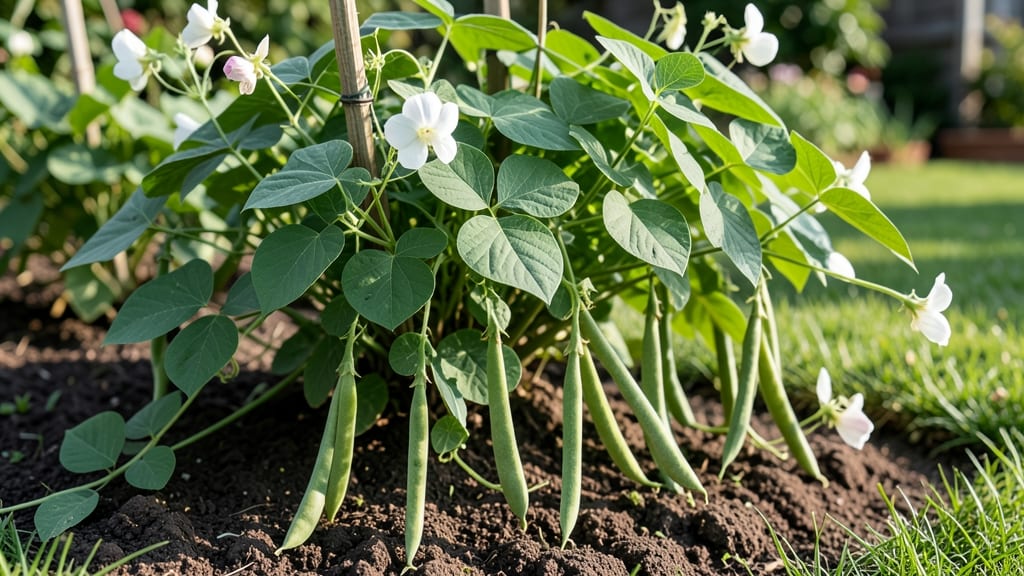
Growing white half runner beans means harvesting bold striped pods that taste sweeter than store-bought varieties—plus, they come back every year in cold climates. 🌱 I planted mine last spring and was shocked when they survived our late frost, then exploded with vines by June.
These beans aren’t just cold-hardy perennials; they’re also disease-resistant and thrive with minimal fuss once established.
The secret to success starts with 6-foot trellises and well-drained soil—no heavy clay, or the roots will rot. Space plants 12 inches apart in full sun, and watch them climb like eager kids on a jungle gym.
Water consistently but avoid soggy soil, and you’ll get long, straight pods perfect for fresh eating or drying. The white flowers add unexpected beauty too!
📚 In This Guide
- What you need
- Instructions
- Tips and common mistakes
- Wrapping up and next steps
What you need
- ● Seeds: 10–20 white half runner bean seeds (non-GMO, heirloom preferred for best results).
- ● Growing Space: Direct outdoor planting: A sunny spot (6+ hours of sunlight) with well-draining soil.
- ● Container gardening: 10–12" deep pots (at least 2 per plant for climbing support).
- ● Support Structures: Trellis, fence, or sturdy stakes (6–8 ft tall) for climbing varieties.
- ○ Optional: Twine or garden twine for securing vines.
- ● Soil Prep: Garden fork or tiller, compost (2–3 cups per planting hole), and a soil pH tester (ideal pH: 6.0–7.0).
- ● Planting: Hand trowel, watering can (or hose with gentle spray), and mulch (straw or shredded leaves).
- ● Maintenance: Pruning shears, organic fertilizer (balanced 10-10-10 or compost tea), and a spray bottle (for pest deterrents like neem oil).
- ● Cold frame or row covers for early spring planting in cooler climates.
- ● Drip irrigation system for consistent moisture (especially in dry spells).
- ● Bean companion plants (e.g., corn, potatoes, or herbs like basil) to deter pests.
- ● Garden journal to track growth, flowering, and harvest dates.
Step-by-Step instructions for planting and cultivating white half runner beans
Here's how to grow these stunning, cold-tolerant climbers with minimal fuss.
🌱 Step 1: Choose the Perfect Planting Location
White half runner beans thrive in full sun to partial shade, with at least 6 hours of direct sunlight daily. I always select a spot near a trellis, fence, or sturdy support—these vines can reach 10-15 feet if given space. The soil should drain well but retain moisture, so avoid low-lying areas where water pools after rain.
Test your soil's drainage by digging a 12-inch hole and filling it with water. If it drains completely within 4-6 hours, your site is ideal. Amend heavy clay with 2-3 inches of compost to improve aeration, but resist the urge to over-fertilize—half runner beans are light feeders and prefer lean soil.
🌱 Step 2: Prepare the Soil and Plant Seeds
Sow seeds directly in the garden after the last frost when soil temperatures reach 55°F or warmer. I like to plant mine in early spring or late summer for a fall harvest. Space seeds 4-6 inches apart in rows 18-24 inches apart to allow for air circulation and easy trellising later.
Plant seeds 1-2 inches deep—deeper planting slows germination, while shallower planting risks drying out. Water gently after planting to settle the soil, then maintain even moisture until germination. You'll see sprouts in 10-14 days if conditions are right. Avoid disturbing the soil around seedlings, as their roots are delicate.
🪴 Step 3: Provide Support and Encourage Climbing
As soon as seedlings reach 4-6 inches tall, provide a sturdy trellis, fence, or obelisk for support. I use 6-foot tall bamboo stakes tied with twine for a rustic look, but any strong vertical structure works. Gently guide the vines upward as they grow—this prevents tangling and encourages stronger stems.
White half runner beans are vigorous climbers, so prune side shoots regularly to direct energy upward. Pinch back the tips of young plants to encourage bushier growth with more flowers. You'll notice the first flowers appear in 6-8 weeks after planting, signaling that the plant is established and ready for pollination.
💧 Step 4: Water and Fertilize for Optimal Growth
Keep the soil consistently moist but never soggy—water deeply 1-2 times per week, depending on rainfall. I water in the morning to allow foliage to dry before evening, which reduces the risk of fungal diseases. Mulch around the base with 2-3 inches of straw or shredded leaves to retain moisture and suppress weeds.
Avoid heavy fertilization, as it can lead to excessive foliage at the expense of pods. Instead, side-dress with 1-2 inches of compost around the base of the plant in early summer. You'll know your plants are thriving when they produce abundant flowers followed by bold, striped pods that mature in 8-10 weeks after flowering.
✂️ Step 5: Harvest and Maintain for a Prolonged Season
Harvest pods when they reach 4-6 inches long and are firm to the touch. Regular harvesting encourages more production—check plants every 2-3 days during peak season. Use pruning shears to snip pods cleanly, leaving a small stem attached. Avoid pulling pods, as this can damage the vine.
White half runner beans are cold-hardy perennials in USDA zones 4-9, so they’ll return year after year with proper care. In colder climates, protect the base with mulch in winter. You’ll often see new shoots emerge in early spring, ready to climb and produce again.
Tips & tricks for perfect white half runner bean cultivation
These insider strategies will help you cultivate thriving white half runner beans with minimal fuss.
Sunlight Strategy: While these beans tolerate partial shade, I've found that positioning them in the southern half of your garden maximizes sunlight exposure, especially in cooler climates. If your garden has limited sun, prioritize the morning sunlight—these beans can handle afternoon shade better than full afternoon sun. The 6 hours of direct sunlight mentioned in Step 1 should ideally be spread throughout the day rather than concentrated in one period.
Germination Hack: To speed up germination from the 10-14 day window mentioned in Step 2, I recommend soaking seeds overnight before planting. Place them in a bowl of warm water for 8-12 hours, then plant immediately. This method can shave off 3-5 days from germination time while preventing drying out. Just be sure to plant them at the same 1-2 inch depth afterward.
Support System: When providing support in Step 3, consider using a combination of trellis and twine for maximum stability. I've found that wrapping the main stem with twine every 12 inches up the support creates a more secure anchor system. This prevents the vigorous vines from snapping in windy conditions, especially as they reach their 10-15 foot potential height.
Watering Wisdom: The 1-2 times per week watering guideline in Step 4 can be adjusted based on your soil type. For sandy soils, you might need to water daily during hot spells, while clay soils can go longer between waterings. I test soil moisture by sticking my finger 2 inches deep—if it feels dry, it's time to water. Morning watering is key, but if you must water in the evening, avoid getting foliage wet to prevent fungal issues.
Pro Tips for White Half Runner Beans
- These insider strategies will help you cultivate thriving white half runner beans with minimal fuss.
- Sunlight Strategy: While these beans tolerate partial shade, I've found that positioning them in the southern half of your garden maximizes sunlight exposure, especially in cooler climates.
- Germination Hack: To speed up germination from the 10-14 day window mentioned in Step 2, I recommend soaking seeds overnight before planting.
Frequently asked questions
Got questions about growing and enjoying white half runner beans? You’re not alone! Here are some of the most common queries—plus quick, practical answers to help you cultivate these cold-hardy beauties with confidence.
How cold-hardy are white half runner beans, really?
White half runner beans are stunningly cold-tolerant—far more than many gardeners realize! They thrive in USDA Zones 4-9 and can handle light frosts (down to 25°F/-4°C) once established. Start seeds early (as soon as soil is workable) for a head start, or plant in spring after the last frost. Pro tip: Mulch with straw to protect roots in winter.
When is the best time to harvest white half runner beans?
Harvest when pods are 4-6 inches long and firm but tender—aim for 70-80 days after planting. Check daily! Overripe beans toughen up and lose flavor. For continuous harvests, pick every 2-3 days. Fun fact: Young pods are sweeter and more delicate—perfect for stir-fries or salads.
Can I grow white half runner beans in containers or small spaces?
These vining beans thrive in 5-gallon containers (or larger) with a sturdy trellis or cage (6+ feet tall). Ensure the pot has drainage holes and use a balanced fertilizer (like 10-10-10) every 4-6 weeks. Space tip: Train vines upward to save garden real estate—ideal for balconies or patios!
What pests or diseases should I watch for with white half runner beans?
Common culprits include bean beetles, aphids, and powdery mildew (especially in humid climates). Preventative fixes:
- Rotate crops annually to break pest cycles.
- Spray neem oil or insecticidal soap for soft-bodied pests.
- Improve airflow by pruning crowded vines.
- Use resistant varieties if mildew is recurrent.
How do white half runner beans compare to other runner beans (like scarlet or purple)?
White half runner beans stand out for their milder, sweeter flavor and thinner pods (perfect for stuffing or steaming). Unlike scarlet runners (which are bushier and more heat-tolerant), these are perennial in warm climates and produce striped pods that add visual flair to dishes. Swap tip: Use them raw in salads like you would snow peas!
Bonus: Can I save seeds from white half runner beans?
Yes! Let a few pods mature fully on the vine (they’ll turn dry and papery). Harvest seeds, clean them, and store in a cool, dark place for 2-3 years. Note: Cross-pollination can occur, so isolate plants if you want pure varieties. Seed-saving pro tip: Label pods with the variety name to avoid mix-ups!
Wrapping up and next steps
Growing white half runner beans is a rewarding journey that brings beauty and bounty to your garden—whether you’re a seasoned gardener or just starting out! 🌱 Their cold-hardy nature and striking striped pods make them a standout choice, while their ease of care ensures success even for beginners.
With the right preparation and a little patience, you’ll soon be harvesting fresh, flavorful beans to enjoy all season long.
Ready to dive in? Start by marking your planting spots this week—your future harvest (and your kitchen!) will thank you. Happy growing! 🌟