
Vegetables
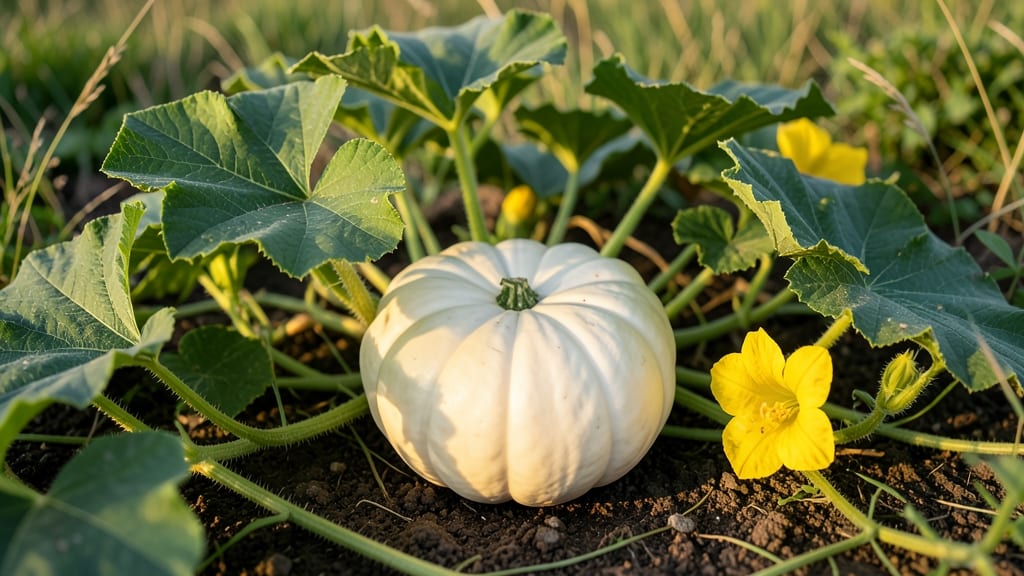
White patty pan squash transforms your garden into a double harvest—edible flowers and tender squash—with minimal fuss. 🌱 I’ve grown this cold-hardy variety for three seasons, and it’s the only squash that thrives in my short growing zone while producing delicate blossoms you can snack on straight from the vine.
Start with well-draining soil rich in compost, plant seeds ½ inch deep after your last frost, and space them 3-4 feet apart for proper airflow.
These plants love full sun (6+ hours daily) and consistent moisture—1-2 inches per week—but they’ll reward you with smooth, golden squash and delicate white blooms by midsummer if you avoid overwatering.
Harvest when the flowers are fully open (they’re mild and slightly sweet) or when squash reach 3-4 inches wide—both store well for weeks. Pair them with nasturtiums or marigolds to deter pests naturally, and mulch heavily to protect tender roots in cooler climates.
The secret? Less is more—over-fertilizing leads to leafy growth at the expense of flowers and squash.
📚 In This Guide
- What you need
- Instructions
- Tips and common mistakes
- Wrapping up and next steps
What you need
- ● Seeds: 5–10 white patty pan squash seeds (organic or heirloom varieties preferred for best flavor).
- ● Potting mix: 1–2 gallons of well-draining, organic potting soil (or a mix of compost and garden soil).
- ● Containers or garden bed: Option 1: 5-gallon pots (1 per plant) with drainage holes.
- ● Option 2: A raised garden bed (minimum 12" deep) with full sun exposure (6+ hours/day).
- ● Fertilizer: Balanced organic fertilizer (5-5-5 or compost tea) for planting and mid-season.
- ○ Garden tools: Trowel, pruners (for harvesting), and gloves (optional but helpful).
- ● Watering can or hose: With a gentle spray nozzle for seedlings.
- ● Mulch: Straw or shredded leaves to retain moisture and suppress weeds.
- ○ Cold frame or row cover: (Optional) For extending the growing season in cooler climates.
Step-by-step guide to growing white patty pan squash
This cold-hardy perennial thrives in cool climates—here’s how to cultivate it for both fruit and edible blooms.
🌱 Step 1: Select and Prepare the Planting Site
Choose a location with full sun to partial shade, as white patty pan squash tolerates cooler temperatures better than most summer squash varieties. The soil should be well-draining but retain moisture—amend heavy clay with 2-3 inches of compost to improve aeration. I always test the pH first; this plant prefers slightly acidic to neutral soil around 6.0-7.0.
Work the compost into the top 6-8 inches of soil before planting. Avoid fresh manure, which can cause blossom-end rot. If your site was previously planted with cucurbits (like zucchini or pumpkins), rotate to a new location to prevent soil-borne diseases. You’ll know the soil is ready when it crumbles easily between your fingers without sticking.
☀️ Step 2: Plant Seeds or Transplants at the Right Time
For direct sowing, plant seeds 1 week after your last frost date when soil temperatures reach at least 60°F. Sow seeds 1 inch deep and 2-3 inches apart in hills spaced 3-4 feet apart. If using transplants, harden them off for 7-10 days before setting out—this prevents shock when exposed to cooler night temperatures.
White patty pan squash thrives in cooler weather, so don’t rush planting. Wait until daytime highs are consistently 70°F or lower. If your spring is unusually warm, consider using shade cloth to protect young plants until they establish roots. You’ll see the first true leaves emerge in 7-10 days—this is your signal that germination is successful.
💧 Step 3: Water and Mulch for Consistent Moisture
Keep the soil evenly moist but never soggy—water deeply 1-2 times per week, providing 1 inch of water per week. This plant is drought-tolerant once established, but consistent moisture during flowering and fruiting ensures sweeter, higher-quality produce. Water at the base to avoid wetting the leaves, which reduces the risk of powdery mildew.
Apply a 2-3 inch layer of organic mulch (like straw or shredded leaves) around each plant to retain moisture and regulate soil temperature. Mulch also suppresses weeds, which compete for nutrients. Replenish the mulch layer as it breaks down—you’ll know it’s working when the soil stays cool to the touch even on hot days.
✂️ Step 4: Prune and Support for Optimal Growth
White patty pan squash vines can sprawl, so provide trellis support if space is limited. Train vines upward to maximize airflow and reduce disease risk. Prune suckers (small shoots growing between the main stem and branches) to encourage stronger fruit production. Remove any yellowed or diseased leaves immediately—this prevents the spread of fungal issues.
Harvest flowers as they open for culinary use, and pick fruits when they reach 3-4 inches in diameter—this encourages continuous production. Use pruning shears to cut stems cleanly, leaving a small portion attached to the vine. Regular harvesting prevents the plant from becoming overwhelmed, which can lead to bitter-tasting fruit.
🌿 Step 5: Overwinter and Prepare for Next Season
In colder climates, cut back vines to 6 inches tall after the first frost and mulch heavily with 4-6 inches of straw or leaves. This protects the crown from freezing. White patty pan squash is perennial in USDA zones 4-9, so it will regrow from the same roots next spring—no need to replant.
In warmer zones, the plant may go dormant naturally. Reduce watering in late fall and remove old vines in early spring before new growth emerges. Fertilize lightly in early spring with a balanced organic fertilizer to jumpstart growth. You’ll notice new shoots in 3-4 weeks, signaling it’s ready for another productive season.
Tips & tricks for perfect white patty pan squash cultivation
These practical insights will help you coax the most from your cold-hardy perennial—from seed to harvest and beyond.
Soil Preparation Secret: The 6.0-7.0 pH range isn't just a suggestion—it's critical for nutrient uptake. I've found that adding a handful of wood ash to amended soil can help raise pH slightly if your test results are on the acidic side. The compost recommendation of 2-3 inches is perfect, but for heavy clay soils, consider adding perlite or coarse sand to improve drainage without compromising moisture retention. This dual approach prevents both waterlogging and nutrient leaching.
Planting Timing Strategy: Those 70°F daytime highs are your target, but don't panic if you're a week late. White patty pan handles cooler temperatures better than most squash varieties. If you're in zone 4-5, you can actually plant seeds as early as 3 weeks after your last frost date—just use row covers to protect young plants from late frosts. The 7-10 day hardening off period for transplants is non-negotiable; I've seen seedlings shock and wilt when moved too quickly from protected environments.
Watering Wisdom: The 1-2 times per week guideline assumes average rainfall. In hotter microclimates, you may need to water daily during flowering. I've developed a simple test: stick your finger 2 inches into the soil—if it's dry, water. The key is maintaining that "evenly moist but never soggy" balance. For container growing, use self-watering pots with drainage holes to prevent root rot while maintaining consistent moisture levels.
Harvesting Hack: Those 3-4 inch fruits are perfect for culinary use, but don't wait too long—they become tough and bitter as they mature. I harvest every 2-3 days during peak production to encourage continuous flowering. For the edible flowers, pick them in the morning when they're fully open but still closed at the edges. This timing ensures maximum flavor and texture for both flowers and fruits.
Pro Tips for White Patty Pan Squash
- These practical insights will help you coax the most from your cold-hardy perennial—from seed to harvest and beyond.
- Soil Preparation Secret: The 6.0-7.0 pH range isn't just a suggestion—it's critical for nutrient uptake.
- Planting Timing Strategy: Those 70°F daytime highs are your target, but don't panic if you're a week late.
Frequently asked questions
Can white patty pan squash survive winter in cold climates?
Yes! Unlike many squash varieties, white patty pan is a cold-hardy perennial that can overwinter in USDA Zones 5–10 with proper mulching (straw or leaves). In colder regions, protect it with frost cloth or grow it as an annual for seasonal harvests.
How long does it take for white patty pan squash to mature?
From transplanting (or direct sowing), expect 50–60 days to harvest. Flowers appear first, followed by squash in 4–6 weeks. Pro tip: Pick squash when they’re 3–4 inches wide—they’ll be sweeter and less seedy!
What’s the best way to cook white patty pan squash?
Roast, sauté, or spiralize it! Its mild, nutty flavor shines in grilled dishes, soups, or stir-fries. For extra flavor, toss with olive oil, salt, and herbs before roasting at 400°F (200°C) for 20–25 minutes. Bonus: The edible flowers add a delicate garnish!
Why are my patty pan squash leaves turning yellow?
Yellowing leaves often signal overwatering, nutrient deficiency (like nitrogen), or pests (e.g., squash bugs). Check soil moisture, fertilize with compost, and inspect undersides for eggs. Fix it: Reduce watering, apply neem oil, and mulch to retain moisture.
Can I grow white patty pan squash in containers?
Use a 5-gallon pot or larger with well-draining soil. Ensure it gets 6+ hours of sun and support vines with a trellis. Dwarf varieties (like ‘White Bush’) are ideal for containers—just harvest frequently to encourage more production.
Are the flowers of white patty pan squash edible?
Yes! Both male (long stems) and female (tiny squash at base) flowers are delicious. Use them raw in salads, battered and fried, or stuffed with cheese. Note: Harvest flowers in the morning for peak flavor and tenderness.
Still stumped? Drop your question in the comments—we’re happy to help!
Wrapping up and next steps
White patty pan squash isn’t just a cold-hardy veggie—it’s a versatile, nutrient-packed powerhouse that thrives in gardens and on plates alike! Whether you’re growing it for its unique edible flowers, nutrient-rich leaves, or delicious fruit, this perennial delivers year after year with minimal fuss.
Ready to elevate your garden (or kitchen)? Start small—try a patch this season! 🌱
Need inspiration? Browse recipes or share your harvest with fellow gardeners—your white patty pan adventure is just beginning!