
Vegetables
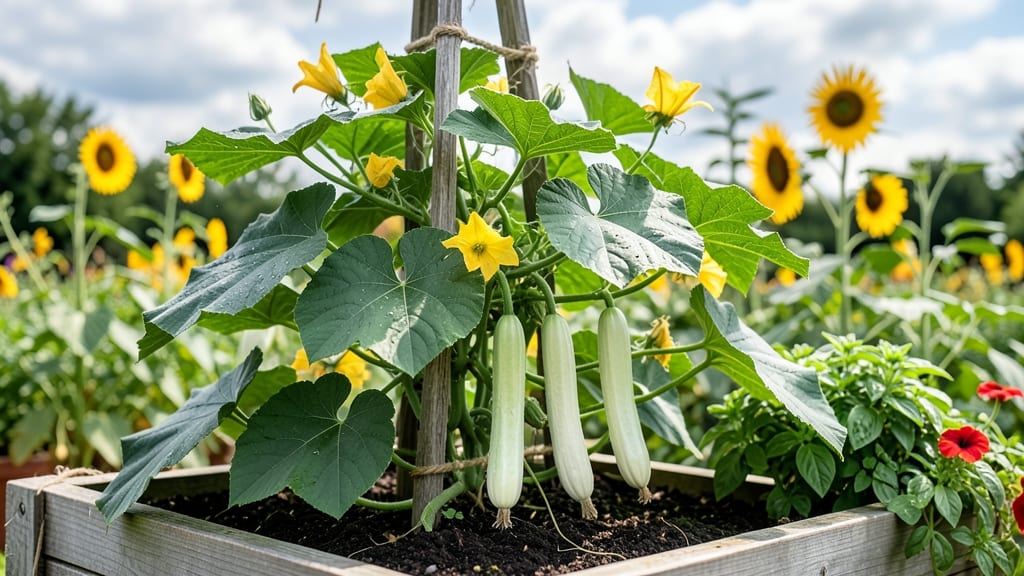
Growing White Wonder cucumbers from seed unlocks a cold-hardy, perennial variety that thrives in containers and produces snow-white, sweet cucumbers all season long. 🌱 I’ve grown these for three years now, and they’ve become my go-to for small spaces—they’re prolific, disease-resistant, and actually survive winter in mild climates.
The secret to success starts with well-draining soil (mix equal parts potting mix and compost) and 5-gallon containers for each plant. White Wonder cucumbers love full sun (6+ hours daily) and consistent moisture—think of it like keeping a damp sponge, not a soggy one.
Plant seeds ½ inch deep, 2 inches apart, and thin to the strongest sprout after germination.
By mid-summer, you’ll be harvesting 10-12 cucumbers per plant weekly, each with that crisp, mild flavor and creamy white skin. The vines grow 8-10 feet long, so trellising saves space and keeps fruits clean.
Even in Zone 5, with proper winter protection, they’ll bounce back stronger each year.
Common mistakes? Overwatering (yellow leaves) or crowding (powdery mildew). Prune aggressively to improve airflow, and fertilize lightly every 3 weeks with balanced 10-10-10. These cucumbers are the foolproof choice for balcony gardens, patios, or even sunny windowsills—just give them room to climb!
📚 In This Guide
- What you need
- Instructions
- Tips and common mistakes
- Wrapping up and next steps
What you need
- ● White Wonder cucumber seeds: 3–5 seeds per container (or 10–15 seeds for larger harvests)
- ● Containers: 5–10 gallon pots (minimum 12" deep) for single plants
- ● Larger bins (20+ gallons) for multiple vines (if trellising)
- ● High-quality potting mix: 1 bag of well-draining, organic mix (e.g., 10–15 lbs)
- ● Compost or worm castings: 1–2 cups per container for nutrient boost
- ● Slow-release fertilizer: 1 tbsp per container (e.g., 10-10-10 or organic options)
- ● Gloves & gardening trowel (for planting)
- ● Trellis or sturdy stakes (4–6 ft tall, if growing vertically)
- ● Drip irrigation or watering can (1–2 gallons capacity)
- ○ Mulch (optional):Straw or shredded leaves to retain moisture
- ○ Pruning shears (optional):For trimming vines later in the season
- ● Full sun (6+ hours daily) or partial shade in hot climates
- ● Consistent moisture (containers dry faster—water when top inch is dry)
- ● Cold-hardy zone (3–9, but containers add flexibility for cooler areas)
Step-by-step guide to growing White Wonder cucumber seeds in containers
Here's how to coax these cold-hardy cucumbers into vigorous vines—even in pots.
🌱 Step 1: Prep Containers and Soil for Optimal Drainage
Choose 5-gallon containers with drainage holes—White Wonder cucumbers need deep roots to establish before winter. I like fabric grow bags because they prevent root circling and allow excess moisture to evaporate. Fill each container with a mix of 60% potting soil, 30% compost, and 10% perlite for aeration.
Moisten the mix until it feels like a damp sponge—neither bone-dry nor dripping. Press it down gently so it's firm but not compacted. The goal is a loose structure that holds moisture without suffocating roots. I always tap the container on the table twice to settle the soil evenly before planting.
🌱 Step 2: Plant Seeds at the Right Depth and Spacing
Sow 2-3 seeds per container at a depth of 1 inch—deeper planting delays germination because the seedling must push through more soil. Space seeds 2 inches apart in a small circle to encourage a bushy base. Cover them with a thin layer of additional mix, then mist gently with water until the surface looks uniformly damp.
Here's the thing—White Wonder cucumbers are cold-hardy, but they still need warmth to germinate. Place containers in a location where soil temperatures stay above 60°F (a sunny windowsill or under a heat mat works). You'll see sprouts in 7-10 days—watch for the first true leaves (the second set after the initial cotyledons) to appear before thinning.
☀️ Step 3: Provide Support and Full Sun Early
As soon as seedlings show 3-4 true leaves, install a 5-foot tall trellis or cage in the center of each container. White Wonder cucumbers are vining types, so support prevents sprawl and improves air circulation. I use galvanized wire cages because they're sturdy and rust-resistant—critical for perennial plants that'll live multiple seasons.
Move containers to a spot with 6-8 hours of direct sun daily. Morning sun is ideal because it dries dew quickly, reducing fungal risks. If your space only gets partial sun, supplement with a grow light 6 inches above the plants for 14 hours daily. You'll know the light is sufficient when leaves stay deep green and stems remain thick rather than leggy.
💧 Step 4: Water Deeply and Fertilize Strategically
Water containers when the top 2 inches of soil feel dry—stick your finger in to check. White Wonder cucumbers are drought-tolerant once established, but young plants need consistent moisture. Water at the base to avoid wetting leaves, which spreads disease. I use a 5-gallon watering can to deliver 1 gallon per container every 2-3 days during hot weather.
Feed plants every 2 weeks with a balanced liquid fertilizer (10-10-10) diluted to half-strength. Too much nitrogen makes leaves grow at the expense of fruit. You'll see healthy vines producing white, 8-inch fruits within 60 days of planting—harvest when they reach 10 inches for best flavor.
✂️ Step 5: Prune and Overwinter for Perennial Growth
When vines finish producing in fall, cut back all foliage to 6 inches above the soil line. This redirects energy to root development, helping the plant survive winter. Mulch containers with 2 inches of straw to insulate roots and retain moisture. White Wonder cucumbers are cold-hardy to 10°F, but they need protection in colder zones.
In early spring, remove the mulch and fertilize lightly with compost tea to wake up the roots. You'll see new growth within 2 weeks—this is your cue that the plant is ready to produce again. The key to perennial success is consistent care: prune, fertilize, and protect through winter, and you'll get cucumbers for 3-5 years from a single planting.
Tips & tricks for growing cold-hardy cucumbers in containers
Here's what nobody tells you about keeping these resilient vines thriving year after year.
Soil Mix Precision: The 60-30-10 ratio of potting soil, compost, and perlite is non-negotiable for White Wonder cucumbers. Too much compost can lead to fungal issues, while too little perlite creates compacted soil that roots can't penetrate. I've found that adding a handful of worm castings to the mix boosts microbial activity without disrupting the balance—just mix it in during the final step before planting. This gives your seedlings a head start on nutrient uptake.
Germination Warmth Hack: That 60°F soil temperature minimum is crucial, but achieving it can be tricky in cooler climates. Place your containers on a heat mat set to low (around 70°F) for the first 7-10 days of germination. The warmth speeds up sprouting while preventing the soil from getting too hot, which can inhibit root development. Pro tip: Use a soil thermometer to monitor temperatures—fluctuations above 85°F can actually kill seeds before they sprout.
Light Supplement Strategy: When supplementing with grow lights for the required 14 hours, position them so they're just 6 inches above the plants. Too high, and the light becomes too diffuse; too low, and you risk burning the tender leaves. I use LED grow lights on a timer set to 6 AM-8 PM, which mimics natural daylight cycles. The key visual cue is maintaining deep green leaves—if they start looking pale or yellowing, you need more light intensity or duration.
Pruning for Perennial Success: The 6-inch pruning height in Step 5 is your secret weapon for winter survival. When you cut back, make clean cuts just above a leaf node where new growth can emerge. I also recommend sterilizing your pruners with rubbing alcohol between cuts to prevent spreading disease. This pruning technique forces the plant to redirect energy to its root system, which is what makes White Wonder cucumbers so remarkably cold-hardy for perennial growth.
Pro Tips for White Wonder Cucumber Seeds
- Here's what nobody tells you about keeping these resilient vines thriving year after year.
- Soil Mix Precision: The 60-30-10 ratio of potting soil, compost, and perlite is non-negotiable for White Wonder cucumbers.
- Germination Warmth Hack: That 60°F soil temperature minimum is crucial, but achieving it can be tricky in cooler climates.
Frequently asked questions
Got questions about growing White Wonder cucumber seeds? You’re not alone! Here are some of the most common queries—and answers—to help you cultivate this cold-hardy perennial with confidence.
Can White Wonder cucumbers survive winter in containers?
Yes! These cold-hardy cucumbers can overwinter in containers if you protect them. Move pots to a sheltered spot (like a garage or under eaves), wrap them in frost cloth, and reduce watering. In mild climates, they may even produce in early spring. Just avoid freezing temps—aim to keep roots above 20°F (-7°C).
How long does it take for White Wonder seeds to germinate?
Germination typically takes 5–10 days in warm soil (70–85°F or 21–29°C). For faster sprouts, soak seeds overnight in warm water before planting. If soil stays too cold (<60°F/15°C), germination may stall—consider using a seedling heat mat if needed. Patience pays off!
Are White Wonder cucumbers self-pollinating?
Yes! These cucumbers are parthenocarpic, meaning they produce fruit without pollinators. Perfect for containers, balconies, or areas with few bees. No need for hand-pollination—just let them climb and enjoy the harvest.
What can I plant alongside White Wonder cucumbers?
Great companion plants include:
- Herbs: Basil (boosts flavor!) and dill (attracts pollinators).
- Flowers: Marigolds or nasturtiums (repel pests).
- Avoid: Potatoes or fennel (they inhibit growth).
Why are my White Wonder leaves turning yellow?
Yellow leaves usually signal overwatering or nutrient deficiency. Check soil moisture—containers dry out fast! Amend with compost or a balanced fertilizer (like 10-10-10) if leaves are pale. Yellow edges? Could be magnesium deficiency—try Epsom salt spray (1 tbsp/gallon).
Can I grow White Wonder cucumbers indoors?
Place them near a south-facing window or under grow lights (12–16 hours/day). Use a 5-gallon container with well-draining soil, and pollinate flowers with a small brush if needed. Just watch for powdery mildew—improve airflow with a fan to keep leaves dry.
Wrapping up and next steps
Growing White Wonder cucumber seeds in containers is a rewarding way to enjoy cold-hardy, perennial cucumbers year after year! Whether you're a seasoned gardener or just starting, these seeds offer a unique opportunity to expand your harvest with minimal space.
With the right setup, you’ll soon be savoring crisp, refreshing cucumbers straight from your balcony or patio.
Ready to take the next step? Start by gathering your supplies—containers, soil, and seeds—and begin planting today. Happy gardening, and may your White Wonder cucumbers thrive! 🌱🍉