
Vegetables
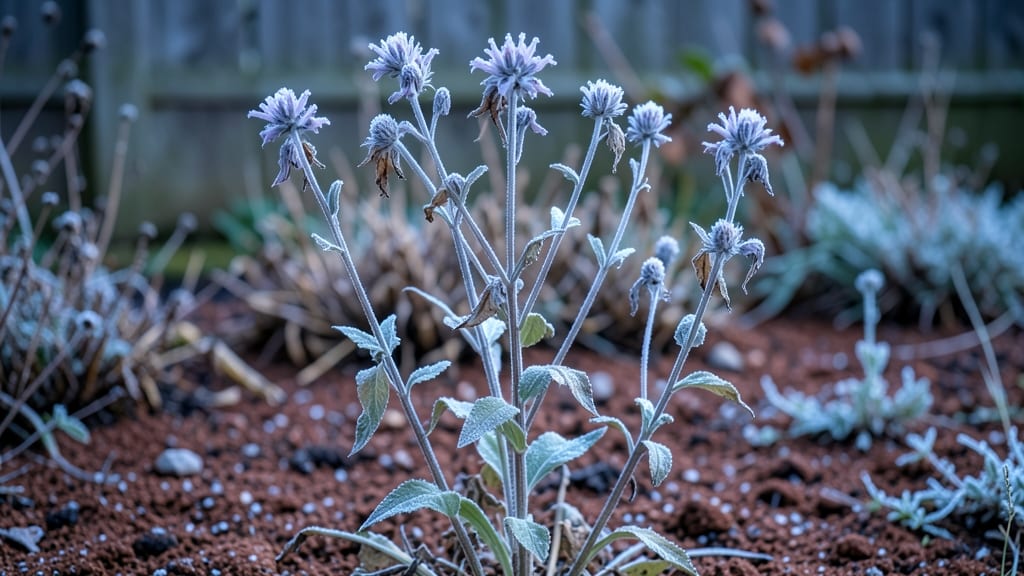
Wild bergamot thrives through winter’s chill, but proper care keeps it blooming stronger each spring. 🌿 I’ve learned that this hardy perennial—USDA zones 3-9—needs just a little winter prep to bounce back with those signature lavender-pink flowers.
The key? Mulching, minimal pruning, and letting the roots stay snug under snow or frost.
Start by mulching 3-4 inches of straw or shredded leaves around the base after the first frost. This protects roots from temperature swings while keeping moisture locked in. Skip heavy pruning now—wait until early spring when new growth signals it’s time to shape the plant.
Wild bergamot’s frost tolerance is impressive, but young plants (under 2 years) benefit from a light burlap wrap in extreme cold snaps.
By spring, you’ll see fresh green shoots pushing through the mulch, ready to reclaim its spot in the garden. The soil prep is simple: loosen the ground around the plant, remove old mulch, and add a 1-inch layer of compost to feed the roots.
This perennial’s resilience means less work for you—just a little winter TLC for bold blooms by June.
Whether you’re in a cold northern climate or a mild southern winter, these steps ensure your wild bergamot returns year after year. The payoff? Fragrant blooms that attract pollinators and a plant that thrives with minimal fuss. Here’s how to keep it healthy through the cold months.
📚 In This Guide
- What you need
- Instructions
- Tips and common mistakes
- Wrapping up and next steps
What you need
- ● Dried wild bergamot (bee balm) flowers: 2 tablespoons (about 10–12g). Ensure they’re fully dried and stored in an airtight container.
- ● Hot water: 1 cup (8 oz or 240 mL), freshly boiled (212°F/100°C).
- ○ Optional tea base (choose one): 1 black tea bag (e.g., Earl Grey or chamomile)
- ● 1 tablespoon loose-leaf herbal tea (e.g., peppermint or hibiscus)
- ○ Sweetener (optional): 1 teaspoon honey or maple syrup
- ● 1 slice of fresh ginger (grated, for warmth)
- ○ Citrus zest (optional, for brightness): ½ teaspoon dried lemon or orange peel.
- ● A teapot or heatproof mug (preferably with a built-in infuser or fine mesh strainer).
- ● A small bowl or spoon for measuring dried flowers.
- ● A kettle for boiling water (or a microwave-safe cup).
- ○ Optional: A mortar and pestle to lightly crush flowers for stronger flavor (if using fresh blooms).
How to harvest and preserve wild bergamot blooms for winter tea
Turn summer's wild bergamot into fragrant winter tea with this simple drying and storage method.
🌿 Step 1: Harvest Blooms at Peak Freshness
Pick wild bergamot flowers on a dry morning after the dew has evaporated. Choose fully open blooms with vibrant purple petals—these contain the most aromatic oils. Avoid flowers with brown edges or signs of pests, as they'll lose flavor during drying.
Use clean, sharp scissors to cut stems about 3 inches below the flower head. This prevents damage to the plant and ensures you capture the most fragrant parts. Harvest in small batches—overcrowded containers slow the drying process and create humidity that encourages mold.
🌱 Step 2: Dry the Flowers Properly
Remove leaves from the stems to prevent moisture retention. Lay the flower heads in a single layer on a clean, dry surface like a wire rack or paper towel-lined tray. Place them in a warm, dark, and well-ventilated area with a temperature between 70-80°F.
Check the flowers every 2-3 days and gently flip them to ensure even drying. They're ready when the petals crumble slightly when touched and the stems snap easily. This typically takes 7-10 days. Avoid using a dehydrator or oven, as high heat destroys the delicate citrusy oils that make wild bergamot special.
🪴 Step 3: Store Dried Blooms for Winter Use
Once completely dry, store the flower heads in an airtight glass jar or resealable bag. Keep them in a cool, dark place like a pantry or cupboard. Properly dried wild bergamot retains its flavor for up to 1 year, though the aroma fades slightly after 6 months.
Label your jar with the date and contents. A small piece of parchment paper between layers prevents moisture buildup. For tea, use 1-2 teaspoons of dried flowers per cup of hot water. Steep for 5-7 minutes to release the full citrusy aroma without bitterness.
☀️ Step 4: Prepare the Tea for Maximum Flavor
To make tea, place 1-2 teaspoons of dried wild bergamot in a teapot or infuser. Pour 1 cup of boiling water over the flowers and let steep for 5-7 minutes. The longer you steep, the stronger the flavor—but don’t exceed 10 minutes, or the tea may turn bitter.
Strain the flowers and enjoy your tea immediately. For a larger batch, multiply the ingredients proportionally. Store brewed tea in the refrigerator for up to 3 days or freeze in ice cube trays for quick iced tea later. This method preserves the bright, citrusy notes that make wild bergamot so special.
Tips & tricks for perfect wild bergamot winter tea
Real talk: Harvesting and preserving wild bergamot takes patience, but these little tricks make all the difference between mediocre dried blooms and a fragrant winter treasure.
Harvesting Timing: Early morning is key—pick flowers after dew has evaporated but before the sun peaks. The cooler morning air preserves the delicate citrusy oils that give wild bergamot its signature aroma. I've ruined batches by harvesting too late in the day when the flowers start wilting, which kills the flavor before drying even begins.
Drying Environment: That 70-80°F range isn't just arbitrary—it's the Goldilocks zone for preserving those aromatic oils. Too hot (above 85°F) destroys the citrus notes, while below 65°F risks mold. I use a closet with a small fan for circulation, which mimics the perfect conditions without needing fancy equipment. A dark space prevents chlorophyll breakdown that can turn flowers bitter.
Testing Dryness: The crumble test is foolproof—when petals break apart at the slightest touch and stems snap cleanly, you're golden. I've learned the hard way that waiting too long makes the flowers brittle and flavorless, while removing them too soon leaves lingering moisture that causes mold during storage. Aim for that perfect "just dry enough" moment.
Storage Hack: Place a small piece of uncooked rice in your storage jar alongside the dried flowers. The rice absorbs any residual moisture that could develop over time, keeping your bergamot fresh for that full year. I've used this trick with every batch since discovering it—it's the difference between tea that tastes fresh and tea that's lost its magic.
Pro Tips for Wild Bergamot Winter
- Real talk: Harvesting and preserving wild bergamot takes patience, but these little tricks make all the difference be...
- Harvesting Timing: Early morning is key—pick flowers after dew has evaporated but before the sun peaks. The cooler mo...
- Drying Environment: That 70-80°F range isn't just arbitrary—it's the Goldilocks zone for preserving those aromatic oi...
Frequently asked questions
about crafting wild bergamot winter tea from dried blooms—because every sip deserves a little extra know-how!Can I use fresh wild bergamot instead of dried?
While fresh wild bergamot (bee balm) works, drying intensifies its citrusy aroma and flavor. If using fresh, steep twice as much (e.g., 2 tbsp fresh per 1 cup water) for 5–7 minutes. Dried blooms are ideal for winter storage and stronger infusion.
How long can I store dried wild bergamot blooms?
Store dried blooms in an airtight container away from light/heat for 1–2 years. Check for moisture or pests—if they smell musty or look discolored, compost them. Freezing dried blooms in small portions also preserves freshness.
What’s the best way to sweeten this tea?
Skip refined sugar! Try local honey (enhances floral notes), maple syrup, or a pinch of cinnamon. For a citrus twist, add a strip of orange peel while steeping. Avoid artificial sweeteners—they can overpower the delicate bergamot flavor.
Why does my tea taste bitter?
Oversteeping or old blooms cause bitterness. Try these fixes:
- Steep for only 5–7 minutes (not 10+).
- Use cooler water (190°F/88°C max) to preserve delicate oils.
- Add a lemon slice or extra honey to balance.
Are there alternatives if I can’t find wild bergamot?
Yes! Swap in:
- Lemon balm (milder citrus flavor).
- Monarda (bee balm) (similar but stronger).
- Elderflower + a drop of bergamot essential oil (for aroma).
Wrapping up and next steps
Embrace the cozy magic of wild bergamot winter with this simple, fragrant tea—perfect for soothing cold days or brightening your routine. Whether you’re a seasoned herbalist or a curious beginner, this recipe proves that nature’s flavors can be both accessible and rewarding. 🌿✨
Ready to elevate your winter rituals? Start small: brew a batch for yourself, then share the warmth with friends or family. Next, explore other dried herbs like lavender or chamomile to create your own signature blends—your taste buds (and soul) will thank you!