
Vegetables
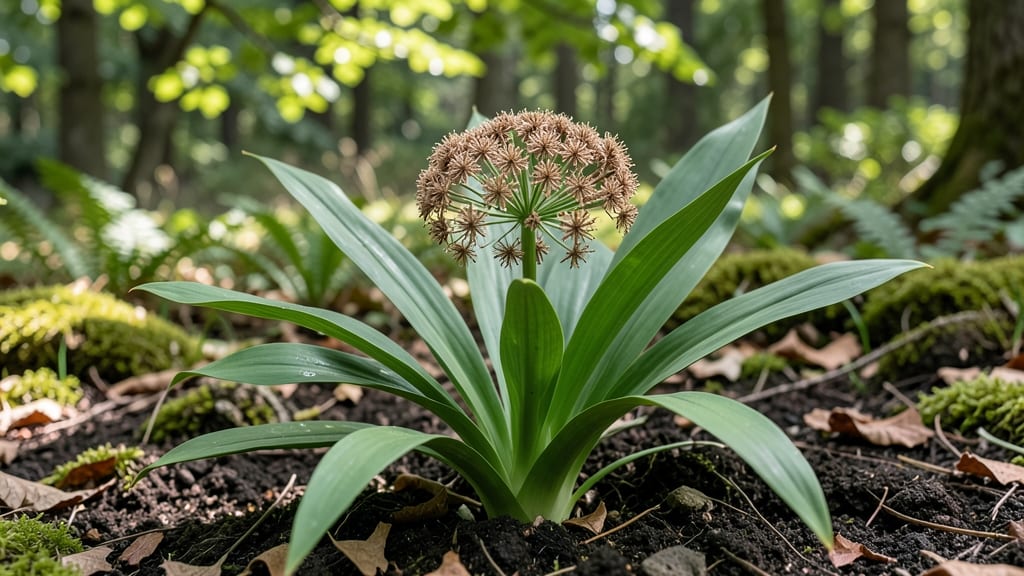
When wild garlic seed heads rise in late spring, you're holding the key to next year's harvest—or the secret to controlling its spread. 🌱 I've learned that leaving them can mean a lush, self-sustaining patch, while harvesting them gives you both seeds for propagation and a tidier garden bed.
The choice depends on whether you want more wild garlic or just the right amount.
The best time to collect seeds is when the heads turn brown but haven't scattered yet—usually mid-to-late June in most climates. Simply snip the stems, hang them upside down in a paper bag, and let the seeds fall out naturally.
This method preserves viability and keeps your garden organized. If you're growing wild garlic for culinary use, you can also harvest the leaves before the seed heads form for a milder flavor.
For a bold year-round harvest, let some seed heads reseed naturally while removing others to control spread. The plants will regrow from the roots even after cutting back, giving you fresh leaves by early spring. This balance ensures you always have wild garlic on hand without taking over your garden.
In colder zones, protect new seedlings with a light mulch or row cover until they establish. Over time, you'll develop a rhythm between harvesting seeds, pruning for tidiness, and enjoying the aromatic leaves. It's a system that works whether you're growing wild garlic for food, ornamentals, or both.
📚 In This Guide
- What you need
- Instructions
- Tips and common mistakes
- Wrapping up and next steps
What you need
- ● Wild garlic plants – Mature plants with fully developed seed heads (look for Allium ursinum or Allium vineale in wild or cultivated settings).
- ● Pruning shears or sharp scissors – Clean, sterilized tools to snip seed heads cleanly (avoid dull blades!).
- ● Paper bags or breathable mesh bags – 3–5 bags (1–2 ft wide) to collect seed heads and allow airflow.
- ● Labeling tags & permanent marker – To mark seed varieties and harvest dates (critical for tracking!)
- ○ Gloves (optional but recommended) – Nitrile or cotton gloves to protect hands from sap or prickly stems.
- ● Seed drying tray or screen – For even drying if humidity is high (e.g., a wire rack or old window screen).
- ● Desiccant packets (silica gel) – 1–2 packets to speed up drying in humid climates.
- ● Notebook or app – To log growing conditions, seed viability notes, or planting schedules.
- ● Compost bin or brown paper – For discarding plant debris or storing stems before composting.
- ● Magnifying glass – Handy for inspecting seed heads for pests or disease before storage.
Step-by-Step guide to harvesting wild garlic seed heads
Here’s how to turn last year’s wild garlic into next year’s lush patch—naturally and effortlessly.
🌱 Step 1: Identify and Wait for Mature Seed Heads
Wild garlic sends up tall, slender stems with clusters of small white flowers in late spring. Wait until these flower clusters turn brown and papery—that’s your cue they’re ready. I always check in early summer when the plants are fully mature but before the seed heads scatter. You’ll see them drooping slightly, a clear sign they’re ripe.
Don’t harvest too early or the seeds won’t be fully developed. If you’re unsure, gently squeeze a seed head—if it crumbles easily, it’s ready. Avoid harvesting from plants with yellowing leaves, as this signals stress or disease that could affect seed viability.
✂️ Step 2: Snip Seed Heads at the Right Time
Use clean, sharp scissors or pruners to cut the seed heads just above the first set of leaves. This preserves the plant’s energy for regrowth. I like to do this on a dry morning when the dew has evaporated—it keeps the seed heads from sticking to tools or getting moldy.
Leave at least half the plant intact. Wild garlic spreads aggressively, so you don’t need to harvest every seed head. Focus on the healthiest stems first. Bundle the cuttings and hang them upside down in a dry, shaded spot to dry completely.
🪴 Step 3: Dry and Store Seed Heads Properly
Find a well-ventilated area with indirect light, like a garage or shed. It should take about 2-3 weeks for the seed heads to dry fully—they’ll feel light and brittle when ready. If you rush this, the seeds may not germinate well.
Once dry, gently rub the seed heads between your hands or tap them over a bowl to release the tiny black seeds. Store them in a paper envelope or small jar in a cool, dark place. Label with the harvest date—seeds stay viable for about 2 years if kept dry.
🌿 Step 4: Plant Seeds for Next Year’s Patch
Scatter seeds directly into moist, well-draining soil in early fall or late winter. Press them lightly into the top ¼ inch of soil—they need light to germinate, so don’t bury them. Water gently to settle the soil but avoid soaking it.
Wild garlic thrives in partial shade and moist conditions, just like its wild relatives. You’ll see tiny leaves emerge in 4-6 weeks, but don’t be surprised if germination takes longer—patience pays off. Mulch lightly to retain moisture and suppress weeds.
⏰ Step 5: Protect and Encourage Regrowth
Once seedlings are 2-3 inches tall, thin them to 6 inches apart to give each plant room to grow. This prevents overcrowding and ensures stronger, healthier plants. I always do this on a cloudy day to reduce transplant shock.
Wild garlic is hardy and low-maintenance, but it loves consistent moisture. Water deeply once a week unless rain takes care of it. By next spring, you’ll have a thriving patch ready for harvest—no seeds needed!
Tips & tricks for perfect wild garlic seed head harvesting
Here's what nobody tells you about turning this year's harvest into next year's thriving patch.
Timing is Everything: I can't stress this enough—harvesting those seed heads at the right moment makes all the difference. The brown, papery flower clusters should be drooping slightly and crumbling easily when you squeeze them. If you harvest too early, the seeds won't be fully developed, and if you wait too long, they'll scatter before you can collect them. Early summer is your sweet spot for that perfect balance.
Tool Prep Matters: Before you even think about cutting, make sure your scissors or pruners are clean and sharp. I've learned the hard way that dull tools can crush the delicate stems, making them more susceptible to mold during drying. A quick wipe with rubbing alcohol between cuts keeps everything sanitary, which is especially important when you're working with organic plant material that will become next year's crop.
Drying Secrets: That 2-3 week drying period in Step 3 is non-negotiable for seed viability, but there's a trick to speed it up slightly. If you're in a hurry (but still want good seeds), you can place your bundles in a well-ventilated area with a small fan aimed at them. Just don't overdo it—the seeds need time to mature properly, and rushing can compromise their quality. The key is finding that balance between patience and efficiency.
Storage Wisdom: When you're ready to store those precious seeds, don't just toss them in any container. Paper envelopes or small jars work best because they allow for better air circulation than plastic bags, which can trap moisture. And here's a pro move: label each container with the harvest date. This might seem obvious, but I've seen people mix up seed batches from different years, and that can lead to confusion when trying to track germination rates or plant characteristics.
Pro Tips for Wild Garlic Seed Heads
- Here's what nobody tells you about turning this year's harvest into next year's thriving patch.
- Timing is Everything: I can't stress this enough—harvesting those seed heads at the right moment makes all the difference.
- Tool Prep Matters: Before you even think about cutting, make sure your scissors or pruners are clean and sharp.
Frequently asked questions
Got questions about wild garlic seed heads? You’re not alone! Here are some of the most common queries—and their answers—to help you master this perennially rewarding harvest hack.
Can I eat wild garlic seed heads?
While the leaves are the star of wild garlic, the seed heads (also called bulbils) are edible but less flavorful. They’re best used in teas, broths, or fermented dishes. Pro tip: Harvest them before they fully dry to preserve their mild garlic notes!
When is the best time to harvest wild garlic seed heads?
Timing is key! Aim for late spring to early summer when the seed heads are plump but still green (not brown or brittle). Overripe bulbils lose flavor and may scatter seeds everywhere—messy and counterproductive! Morning harvests prevent wilting.
How do I prevent wild garlic from spreading too aggressively?
Wild garlic thrives on division. To control it:
- Harvest leaves early to reduce energy for seed production.
- Pull up seedlings before they flower (wear gloves—it stains!).
- Mulch heavily in winter to suppress regrowth in unwanted areas.
What’s the fastest way to grow wild garlic from seed heads?
Seed heads (bulbils) are the easiest way to propagate! Simply:
- Let them dry slightly (1–2 days).
- Plant them 1 inch deep in moist soil, spaced 6 inches apart.
- Keep soil damp until sprouts appear (2–4 weeks).
Are there non-invasive alternatives to wild garlic?
If wild garlic’s spread concerns you, try these low-maintenance perennial greens:
- Chives (mild onion flavor, clump-forming).
- Garlic chives (similar taste, less aggressive).
- Alexanders celery (anise-like, non-invasive).
Wrapping up and next steps
Harvesting wild garlic seed heads is your secret weapon for bold, year-round regrowth—no green thumb required! 🌱 With just a few simple steps, you can turn last season’s harvest into next year’s thriving patch.
Whether you’re a seasoned gardener or a curious beginner, these seed heads offer a low-effort, high-reward way to keep your garden flourishing.
Ready to level up your gardening game? Grab those seed heads, follow the tips, and watch your wild garlic return stronger than ever. Next up: Experiment with different soil mixes or companion plants to see what works best for your space!