
Vegetables
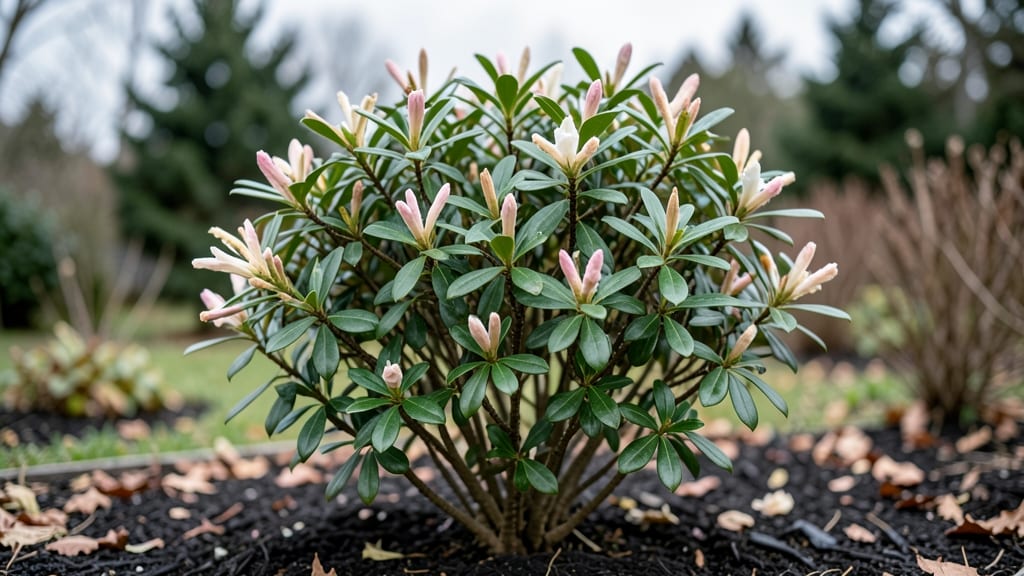
Your winter daphne hedge stays lush even when neighbors' gardens go dormant. ✨ I've learned the exact winter care routine that keeps mine vibrant through freezing temps—no brown patches or sad-looking branches in sight.
The secret starts with mulching 3-4 inches deep around the base in late fall to shield roots from temperature swings. A thick layer of shredded bark or pine needles works best, trapping warmth while letting rain soak through.
I also wrap young plants in burlap sleeves during the harshest weeks—it’s like giving them a cozy sweater.
By spring, you’ll see fresh dark green growth pushing through within weeks of thaw. The hedge recovers faster than most evergreens because daphne handles frost better than its cousins. Just avoid pruning until after the last frost—waiting ensures you don’t cut off next year’s blooms.
This method works for Zone 5-8 climates, where winter daphne thrives. Even in windy areas, the dense foliage blocks views without needing constant trimming. Here’s how to winterize yours for maximum spring bounce-back.
📚 In This Guide
- What you need
- Instructions
- Tips and common mistakes
- Wrapping up and next steps
What you need
- ● Winter Daphne plants: 10–20 plants (depending on desired hedge height and width; spacing: 2–3 ft apart for mature size)
- ● Choose Daphne odora or Daphne × burkwoodii for cold-hardy varieties (USDA Zones 5–9)
- ● Soil amendments: 5–10 lbs of well-draining potting mix (or amend native soil with compost and perlite for aeration)
- ● 1–2 lbs of slow-release fertilizer (10-10-10 or 20-20-20, organic preferred)
- ● Planting tools: 1 garden trowel (for small plants)
- ● 1 shovel or spade (for digging trenches or larger plantings)
- ● 1 pruning shears (for trimming roots or shaping plants post-planting)
- ● Mulch: 2–3 inches of organic mulch (pine bark, shredded leaves, or wood chips)
- ● Watering supplies: 1 hose with adjustable nozzle or watering can
- ○ Optional: drip irrigation kit for consistent moisture (especially in dry climates)
- ● 1 soil pH tester (ideal range: 5.0–6.5 for Winter Daphne)
- ● 1 landscape fabric (to suppress weeds before mulching)
- ● 1 plant support stakes (for young hedges in windy areas)
- ● 1 slow-release granular fertilizer (for spring feeding)
- ● 1 hedge trimmer (for shaping after establishment)
Step-by-step instructions for planting a frost-resistant Daphne hedge
Here’s how to establish a lush, evergreen screen that thrives in cold climates and delivers privacy all year.
🌱 Step 1: Choose the Perfect Planting Location and Spacing
Daphne hedges need full sun to partial shade (at least 4-6 hours of sunlight daily) and well-draining soil to survive winter. Test your soil by squeezing a handful—if it stays clumped, amend with compost or sand to improve drainage. Avoid low spots where water pools, as soggy roots invite rot.
Space plants 3-4 feet apart for a dense hedge. I like to lay out a garden hose in a straight line to mark the planting row—this ensures a neat, uniform screen. If your soil is heavy clay, dig a 6-inch-deep trench along the row and mix in 2 inches of coarse sand to help roots breathe.
🪴 Step 2: Dig Holes and Plant with Care
Dig holes twice as wide as the root ball but no deeper—Daphne roots hate sitting too low. Gently remove each plant from its container and loosen the roots if they’re circling. Place the plant in the hole so the top of the root ball sits level with the surrounding soil (never buried deeper).
Backfill with the native soil you removed, tamping lightly to eliminate air pockets. Water deeply to settle the soil, then add a 2-inch layer of mulch (avoid wood chips—use gravel or pine straw instead). This keeps roots cool in summer and insulated in winter. I water each plant again after mulching to encourage root spread.
☀️ Step 3: Water and Fertilize for Strong Establishment
Water deeply once a week for the first two months, aiming for 1 inch of water per week. You’ll know you’re doing it right when the soil feels moist 3 inches down—stick your finger in to check. Overwatering in winter can suffocate roots, so reduce to every 2-3 weeks once the hedge is established (after 6 months).
Apply a slow-release, balanced fertilizer (like 10-10-10) in early spring and again in mid-summer. I sprinkle ½ cup per plant around the drip line (not touching the trunk) and water it in immediately. Avoid high-nitrogen fertilizers—they encourage leafy growth at the expense of cold hardiness.
✂️ Step 4: Prune for Shape and Winter Hardiness
Prune once a year in late winter or early spring (before new growth starts) to maintain shape. Use clean, sharp shears to trim back any dead or crossing branches, cutting just above a leaf bud or outward-facing branch. Never remove more than ⅓ of the hedge at once—this stresses the plant and weakens its frost resistance.
Shape the hedge by making slightly angled cuts along the top and sides. I like to step back every few feet to check for symmetry—your goal is a tapered, natural look that lets snow slide off easily in winter. Avoid heavy pruning in fall, as new growth won’t harden off before frost.
⏰ Step 5: Protect Young Plants Through the First Winter
For the first two winters, wrap the base of each plant with burlap or frost cloth (secured with landscape staples) to shield roots from freezing winds. I also mound 4-6 inches of mulch around the base in late fall, then remove it in early spring. This extra insulation prevents root heave (when soil expands and lifts plants out of the ground).
Watch for brown leaf tips in winter—a sign of winter burn. This is normal and harmless, but if more than half the leaves look crispy, move the hedge to a slightly more sheltered spot next year. Daphne is tough, but young plants need a little help adjusting to cold snaps below 10°F.
Tips & tricks for perfect winter Daphne hedges
Took me years to figure out these little details that make all the difference with Daphne hedges—especially in cold climates. Here’s what nobody tells you about keeping them thriving through winter.
Soil Prep Secret: Before planting, I always mix a handful of perlite into the trench soil (along with the 2 inches of coarse sand) for even better drainage. Daphne roots are sensitive to soggy conditions, and this extra step prevents the dreaded root rot that can sneak up in heavy clay soils. Test your soil again after mixing—it should crumble easily between your fingers, not clump.
Planting Depth Check: The top of the root ball must sit level with the surrounding soil—never higher or lower. I use a small wooden stake to mark the correct depth before digging, then double-check with my finger after planting. If buried too deep, Daphne struggles to establish; if too high, it can dry out faster. This is non-negotiable for winter survival.
Winter Watering Wisdom: When reducing watering to every 2-3 weeks after 6 months, I always check soil moisture by pushing a screwdriver into the ground. If it goes in easily with minimal resistance, hold off watering. If it feels dry 3 inches down, give it that deep drink. Overwatering in winter is the #1 mistake I see—Daphne roots need to breathe even when dormant.
Pruning Pattern: For that tapered look that lets snow slide off, I prune using a "V" shape when cutting back branches. Start wider at the base and narrow toward the top—this creates natural strength and prevents snow buildup. I also step back every 5 feet to check symmetry, adjusting as needed. This method reduces stress on the plant while keeping it looking intentional.
Pro Tips for Winter Daphne Hedge
- Took me years to figure out these little details that make all the difference with Daphne hedges—especially in cold climates.
- Soil Prep Secret: Before planting, I always mix a handful of perlite into the trench soil (along with the 2 inches of coarse sand) for even better drainage.
- Planting Depth Check: The top of the root ball must sit level with the surrounding soil—never higher or lower.
Frequently asked questions
How cold can Winter Daphne hedges tolerate?
Winter Daphne thrives in USDA Zones 5-9, handling temperatures as low as -20°F (-29°C). While it’s frost-resistant, heavy ice or prolonged sub-zero temps may cause temporary browning—just trim back in spring once new growth appears!
When is the best time to prune a Winter Daphne hedge?
Prune late winter or early spring (before new growth starts) to shape your hedge. Avoid heavy pruning in fall, as it can stress the plant before winter. Light trimming after flowering (late spring) keeps it tidy without sacrificing blooms!
Are there faster-growing alternatives to Winter Daphne?
If you need quicker privacy, consider Emerald Green Arborvitae (12–24" per year) or Sky Pencil Holly (18" per year). Winter Daphne grows 12–18" annually, so it’s moderate—but its evergreen beauty and low maintenance make it a top pick for patience!
Why are my Winter Daphne leaves turning yellow or brown?
Yellowing can signal overwatering or poor drainage, while brown edges often mean underwatering or salt buildup (from ice melt or fertilizers). Check soil moisture and mulch well in winter. If pests like spider mites are present, treat with neem oil.
Can I plant Winter Daphne in full shade?
While it tolerates partial shade (4–6 hours of sun), full shade may lead to sparse growth and fewer flowers. For best results, plant in full sun to partial shade (morning sun + afternoon shade works well). If shade is unavoidable, ensure well-draining soil to prevent root rot.
Pro Tip:
Mulch your Winter Daphne hedge with 3–4 inches of organic mulch (like pine straw) in late fall to insulate roots and retain moisture. This simple step boosts winter survival and reduces weeds!
Wrapping up and next steps
A winter daphne hedge is your secret weapon for year-round privacy and beauty—frost-resistant, fragrant, and effortlessly elegant! Whether you're a seasoned gardener or just starting, this evergreen solution delivers color, structure, and low maintenance. With the right care, your hedge will thrive, offering a lush backdrop for seasons to come.
Ready to transform your space? Start small—plant a few clippings this season! Or, if you're feeling ambitious, sketch a layout and gather supplies. Your dream hedge is just a few steps away. 🌿✨