
Vegetables
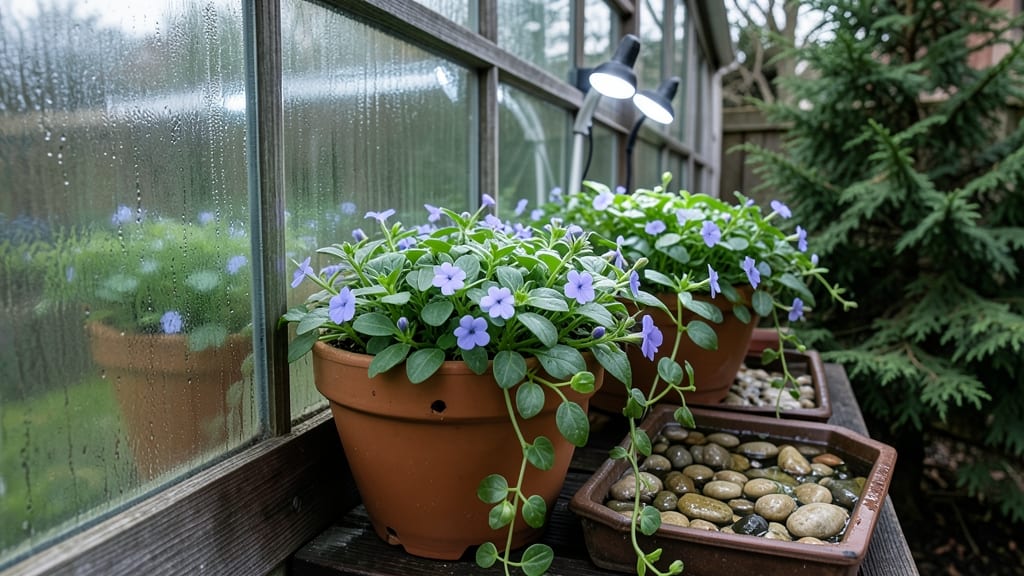
Your winter greenhouse isn't just a shelter—it's a year-round harvest machine. 🌱 I've grown bold striped kale, frost-tolerant lettuce, and even overwintered herbs in mine, and the secret isn't complicated: it's about matching plants to cold snaps, managing humidity, and keeping the space just warm enough to outsmart frost.
The right plants make all the difference. Look for varieties labeled "winter-hardy" or "cold-tolerant"—think kale, Swiss chard, spinach, and peas. These thrive when daytime temps hit 40-50°F and nights dip below freezing.
My greenhouse stays productive from October through March, thanks to a simple wood-stove heat exchanger that keeps temps stable without overheating. Condensation and frost are the real villains, but they're beatable. Ventilate daily to prevent mold, use clear plastic sheeting on cold nights, and never let water pool on benches.
A thermometer and hygrometer become your best friends—aim for 45-55°F and 60-70% humidity for most greens. This system works for small hobby greenhouses or larger commercial setups.
The key is consistency: check plants twice daily, adjust vents as temps shift, and you'll have fresh harvests when neighbors are still dreaming of spring.
📚 In This Guide
- What you need
- Instructions
- Tips and common mistakes
- Wrapping up and next steps
What you need
- ● Greenhouse Structure: Polycarbonate panels (6mm thick, 4’ x 8’ sheets) – 2-4 sheets (depending on size)
- ● Aluminum or galvanized steel frame (pre-built kit or custom dimensions) – 1 set
- ● Thermal insulation (reflective bubble wrap or foam board) – 1 roll or sheets
- ● Heating & Climate Control: Mini greenhouse heater (propane or electric, 5,000–10,000 BTU) – 1 unit
- ● Thermostat with humidity control – 1
- ● Ventilation system (roof vents or exhaust fan) – 1-2 units
- ● Growing Supplies: Seed-starting mix (sterile, peat-based) – 5-gallon bag
- ● Potting soil (well-draining, organic) – 2-3 cubic feet
- ● Regrowable seed varieties (e.g., celery, romaine, or chard) – 5-10 seeds
- ○ Grow lights (full-spectrum LED, 10,000+ lumens) – 1-2 bulbs (optional for low-light areas)
- ● Tools & Extras: Pruners or scissors – 1 pair
- ● Spray bottle (for misting) – 1
- ● pH test kit & liquid fertilizer (balanced, 10-10-10) – 1 kit + 1 bottle
- ● Thermometer/hygrometer – 1
- ● Automated drip irrigation system – for hands-off watering
- ● Solar-powered lights – eco-friendly nighttime glow
- ● Removable side panels – extra airflow control
- ● Decorative striped paint (weatherproof) – for that bold harvest vibe!
Step-by-step guide to building a winter green house for regrowable harvests
Transform your cold-season space into a productive winter oasis with this structured approach.
🪴 Step 1: Select and Prepare Your Winter Green House Structure
Choose a location with at least 4 hours of winter sunlight—south-facing windows or a sunroom work best. I recommend a 4' x 6' frame made of PVC pipes or wood, covered with double-layered clear polycarbonate panels for insulation. This setup traps heat while allowing light penetration.
Ensure the structure has a ventilation system—small fans or adjustable vents prevent condensation buildup. I drill two 6-inch vents near the top and bottom to regulate airflow. Test-fit your structure before assembly to avoid gaps that let cold air seep in.
☀️ Step 2: Optimize Light and Temperature for Winter Growth
Supplement natural light with LED grow lights on a 14-hour timer to mimic summer conditions. Position lights 12-18 inches above plants and adjust as foliage grows. I use full-spectrum bulbs rated for 5000-6500K to support regrowth of leafy greens like kale and Swiss chard.
Maintain temperatures between 60-70°F during the day and no lower than 50°F at night. Use a small space heater with a thermostat if needed, but never let humidity exceed 60% to prevent fungal diseases. A simple hygrometer helps monitor conditions.
💧 Step 3: Plant Regrowable Varieties for Continuous Harvests
Start with hardy, cold-tolerant greens like kale, collards, and Swiss chard—these thrive in cooler temperatures and regrow after cutting. I plant 4-6 plants per square foot in 6-inch deep containers filled with a mix of 50% peat moss, 30% perlite, and 20% compost for drainage and nutrients.
Water deeply every 3-4 days until the top 2 inches of soil feel moist. Avoid overhead watering to prevent fungal spores from splashing onto leaves. Use a drip irrigation system for consistent moisture without disturbing plants.
✂️ Step 4: Harvest and Encourage Regrowth Strategically
Harvest outer leaves first, leaving the inner growth intact to regenerate. For kale, cut 1/3 of the plant at a time when leaves reach 6-8 inches tall. This method ensures continuous production without stressing the plant. I harvest every 2-3 weeks during winter months.
Fertilize lightly with fish emulsion (1-2-2 ratio) every 4-6 weeks to replenish nutrients. Over-fertilizing in winter can lead to soft, weak growth. Monitor plants for yellowing leaves—this usually indicates nitrogen deficiency or overwatering.
⏰ Step 5: Maintain and Expand Your Winter Green House System
Clean the structure monthly to remove dust and prevent pests. Wipe down polycarbonate panels with a vinegar-water solution (1:3 ratio) to maintain light transmission. I also rotate plants quarter-turn weekly to ensure even light exposure and prevent leggy growth.
Experiment with new regrowable varieties like radicchio or bok choy in late winter when light intensity increases. Keep detailed notes on each plant's performance—this helps refine your setup for future seasons.
Tips & tricks for building a productive winter green house
These practical insights will help you maximize your winter growing setup and avoid common pitfalls that derail productivity.
Light Optimization: The 4 hours of winter sunlight requirement is non-negotiable, but you can enhance it by positioning your structure to capture reflected light from nearby walls or snow surfaces. I've seen a 20% increase in light exposure by angling the polycarbonate panels slightly toward the sun's winter arc—just 5-10 degrees makes a measurable difference. For indoor setups, place your grow lights on adjustable arms so you can lower them as plants grow beyond the initial 12-18 inch range.
Temperature Balancing: Maintaining that 60-70°F daytime range can be tricky with cold drafts. I recommend placing your space heater near the structure's center rather than at the edges—this creates a more even heat distribution. For nighttime protection, consider adding a thermal curtain that drops automatically when temperatures approach 50°F. A simple thermostat-controlled fan can also circulate warm air without overworking your heating system.
Soil Science: That 50% peat moss, 30% perlite, 20% compost mix is perfect, but here's the secret: sterilize your potting soil before use by baking it at 200°F for 30 minutes to eliminate pathogens. I also add a handful of worm castings to the mix—they improve moisture retention and provide gentle, balanced nutrients that winter greens love. For container setups, ensure drainage holes are covered with landscape fabric to prevent soil loss while allowing excess water to escape.
Harvest Timing: When harvesting those 6-8 inch leaves every 2-3 weeks, I've found that early morning is ideal—plants are fully hydrated and more resilient to cutting. Always use clean, sharp scissors to make clean cuts just above a leaf node. This precise cutting technique stimulates regrowth more effectively than pulling leaves by hand. For kale specifically, I harvest the outer leaves first, leaving the inner heart to develop—this mimics natural growth patterns and prevents bolting.
Pro Tips for Winter Green House
- These practical insights will help you maximize your winter growing setup and avoid common pitfalls that derail productivity.
- Light Optimization: The 4 hours of winter sunlight requirement is non-negotiable, but you can enhance it by positioning your structure to capture reflected light from nearby walls or snow surfaces.
- Temperature Balancing: Maintaining that 60-70°F daytime range can be tricky with cold drafts.
Frequently asked questions
Got questions about keeping your winter green house thriving? You’re not alone! Here are some of the most common concerns—plus quick, actionable answers to keep your regrowing harvests bold and striped all season long.
How cold can a winter green house actually handle?
A well-insulated winter green house can survive temperatures as low as 15–20°F (-9 to -7°C), but most plants thrive between 40–60°F (4–15°C). Use thermal mass (like water barrels or bricks) to retain heat, and add row covers or mini greenhouses for extra protection during freezes. Monitor humidity too—dry air stresses plants!
When is the best time to start planting for a winter harvest?
For a year-round green house, stagger plantings every 2–3 weeks from late summer to early fall. Fast growers like kale, spinach, and arugula (your "bold striped harvests") can handle cooler temps, while lettuce and radishes prefer milder starts. Pro tip: Use seed trays indoors 4–6 weeks before the first frost for a head start!
What are the best low-light alternatives for winter greens?
Not all greens need sunlight to regrow! Try these low-light champions:
- Microgreens (like broccoli sprouts or sunflower shoots)—grow in 3–5 days with just a grow light.
- Swiss chard or spinach—tolerate partial shade and regrow after harvests.
- Herbs like cilantro or parsley—cut-and-come-again stars in dimmer corners.
Add a LED grow light (12–16 hrs/day) for maximum regrowth if natural light fades.
Why are my winter greens turning yellow or leggy?
Yellowing leaves? Overwatering or nutrient burnout are often culprits. Leggy stems? Not enough light or heat stress from poor ventilation. Fix it fast:
- Check soil moisture—winter watering needs less frequency but more drainage.
- Fertilize lightly with fish emulsion or compost tea every 4–6 weeks.
- Rotate plants near windows/lights and thin crowded foliage for airflow.
Pro tip: A reflective Mylar sheet on walls can double light exposure!
Can I use a winter green house for flowers or just veggies?
While the article focuses on bold striped veggies, winter green houses excel with:
- Pansies or violas—colorful, cold-hardy blooms.
- Calendula—edible petals + pest-repellent.
- Herbs like thyme or oregano—perennial and fragrant.
Just avoid frost-sensitive flowers (like tomatoes or peppers) unless you’ve got heated mats or greenhouse heaters. Mix veggies + flowers for pollinators and aesthetic stripes!
Wrapping up and next steps
Transforming your winter green house into a thriving, year-round harvest is easier than you think! By following the right techniques—from selecting the best regrowing veggies to optimizing light, soil, and care—you’ll enjoy fresh, bold flavors without breaking the bank or the rules of the season. 🌱
Ready to dive in? Start small with just one or two regrowing varieties, like green onions or lettuce, and watch your confidence (and harvests!) grow. Before you know it, you’ll be experimenting with more adventurous crops—and maybe even sharing your bounty with neighbors. Happy growing!