
Vegetables
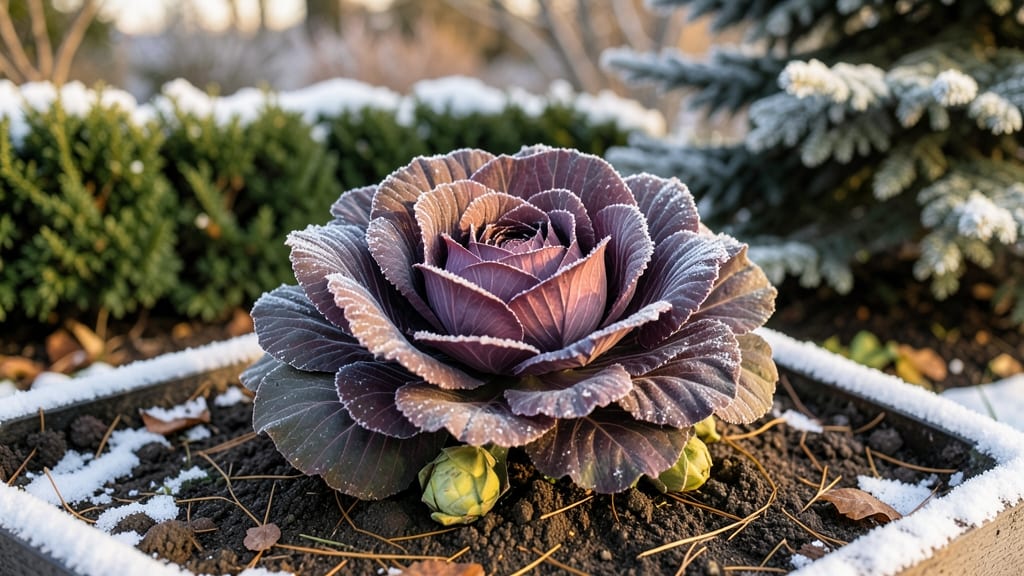
Growing winter ornamental cabbage is the secret to frost-defying color that transforms your yard into a holiday masterpiece. 🌿 The deep purples, vibrant pinks, and crisp whites of these cabbages aren't just edible—they're winter's most stunning statement plants, thriving when most gardens go dormant.
These cabbages handle frost like a pro, with foliage that stays crisp and colorful even after hard freezes. Plant them in late summer for a 6-8 week transformation—just as the first chills arrive. They need full sun and well-draining soil, but their care is minimal once established.
By November, you'll have bold, textured foliage that outshines any store-bought decoration. The plants hold their color through December and January, making them perfect for holiday wreaths, centerpieces, or winter garden beds.
For best results, choose varieties like 'Red Express' or 'Snowball' and protect them with a light frost cloth during extreme cold snaps. Their winter hardiness means you'll enjoy their beauty long after most annuals have faded.
📚 In This Guide
- What you need
- Instructions
- Tips and common mistakes
- Wrapping up and next steps
What you need
- ● Seeds or seedlings: Choose cold-hardy varieties like 'Red Express' or 'Snowball' (6–12 plants, depending on display size).
- ● Well-draining soil: 10–15 gallons of a mix of 60% potting soil + 30% compost + 10% perlite (for containers) or amend garden beds with compost.
- ○ Containers (optional for controlled growing): 5–15 gallon pots with drainage holes (1 per plant).
- ● Fertilizer: Balanced 10-10-10 NPK or slow-release granules (1 tbsp per plant at planting).
- ● Watering can or hose: With a gentle spray nozzle for even moisture.
- ○ Mulch (optional for outdoor planting): Straw or shredded leaves (2–3 inches) to insulate roots.
- ● Gloves & trowel (for planting/transplanting).
- ● Pruners or scissors (to trim damaged leaves before display).
- ● Support stakes or wire frames (if growing tall varieties like 'Red Acre').
- ● Spray bottle (for misting leaves to enhance glossy appearance).
- ○ Decorative elements (optional): Ribbon, twine, or small ornaments for styling.
How to grow stunning winter ornamental cabbage for holiday decor
Here’s how to cultivate frost-defying ornamental cabbage that stays vibrant through winter and brings holiday cheer to your garden.
🌱 Step 1: Select the Right Varieties and Planting Time
Choose cold-hardy varieties like ‘Red Express’ or ‘Totem’ for their bold purple, red, or white hues. Plant seeds indoors 8-10 weeks before your first frost or buy young transplants from a nursery. The key is timing—you want plants to mature before summer heat arrives, so they’ll hold their color through winter’s chill.
Sow seeds in 2-3 inch deep containers filled with well-draining potting mix. Press seeds ¼ inch deep and keep soil consistently moist at 65-75°F until germination, which typically takes 5-10 days. Watch for the first true leaves—those are your cue to start hardening off seedlings if you’re transplanting outdoors.
🪴 Step 2: Transplant and Space for Full Color Development
Move seedlings outdoors 4-6 weeks before the last spring frost, spacing them 12-18 inches apart in full sun. Ornamental cabbage thrives in 6+ hours of direct sunlight daily, which intensifies its colors. Amend the soil with compost to ensure rich nutrients—these plants need strength to withstand winter’s freeze-thaw cycles.
Water deeply at the base once a week, allowing the top 1-2 inches of soil to dry between waterings. Avoid overhead watering, which can spread disease and dilute the vibrant hues. Mulch with 2-3 inches of straw to protect roots from temperature swings and retain moisture.
☀️ Step 3: Maintain Through Summer for Winter Display
Fertilize lightly with a balanced 10-10-10 formula every 4-6 weeks to encourage lush growth without excessive leafiness, which can dilute color. The goal is compact, tightly curled heads that hold their shape through frost. Pinch back any leggy growth to promote bushier, more decorative forms.
By late summer, stop fertilizing to let the plants focus on color development rather than foliage. Reduce watering slightly as fall approaches—this helps harden the heads for winter. You’ll know they’re ready when the leaves start curling tightly around the center, signaling their ornamental phase.
⏰ Step 4: Prepare for Frost and Holiday Use
Once temperatures drop below 32°F, ornamental cabbage enters its prime. The cold actually enhances their colors, making them perfect for winter arrangements. Cut stems 6-8 inches long at the base, leaving a few outer leaves attached to protect the head during transport.
Store cut stems in a bucket of water in a cool, dark place for 1-2 weeks to maintain freshness. For outdoor displays, arrange them in containers with other winter greenery like eucalyptus or pinecones. Their vibrant hues will last through the holidays and beyond, long after summer vegetables have faded.
Tips & tricks for growing vibrant winter ornamental cabbage
Between us, these little details make all the difference when you're aiming for that showstopping holiday display.
Variety Matters: The color intensity of your ornamental cabbage starts with your seed selection. ‘Red Express’ develops the most dramatic burgundy hues, while ‘Totem’ offers striking white centers that contrast beautifully against deep purple. I’ve found that starting with transplants from a reputable nursery saves you the germination guesswork—just make sure they’re labeled as cold-hardy varieties.
Timing Secret: That 8-10 week indoor planting window is non-negotiable for winter color retention. If you're in a warmer climate, you might need to adjust to 9-11 weeks. The goal is to have mature plants by late summer when temperatures start dropping—this gives their leaves time to tighten into those perfect decorative curls before frost hits. I learned this the hard way after planting too early in Zone 8.
Light and Color Connection: Those 6+ hours of direct sunlight aren't just about growth—they're what intensify the pigments. I've noticed that plants getting morning sun with afternoon shade develop slightly softer colors. For maximum vibrancy, position your ornamental cabbage where they'll catch the full sun during their most critical growth phase (late spring through summer).
Frost Preparation: The 32°F threshold is when the real magic happens, but you need to prepare the plants for this transformation. About 2 weeks before your first expected frost, reduce watering to let the heads harden. This isn't about stressing the plants—it's about helping them develop that waxy coating that protects their color through winter. I've seen ornamental cabbage last through months of freezing temps when properly hardened off.
Pro Tips for Winter Ornamental Cabbage
- Between us, these little details make all the difference when you're aiming for that showstopping holiday display.
- Variety Matters: The color intensity of your ornamental cabbage starts with your seed selection. ‘Red Express’ develo...
- Timing Secret: That 8-10 week indoor planting window is non-negotiable for winter color retention. If you're in a war...
Frequently asked questions
Got questions about growing and using winter ornamental cabbage? You’re not alone!
Here are answers to the most common queries to help you master this stunning, frost-resistant plant—whether you’re growing it for color, flavor, or holiday cheer.
When is the best time to plant winter ornamental cabbage?
Plant ornamental cabbage 6-8 weeks before your first frost (typically late summer to early fall). This gives roots time to establish before cold weather arrives. In warmer climates, you can even plant in early fall for winter blooms. Just avoid planting too early—hot soil can stunt growth!
How cold can ornamental cabbage tolerate?
These beauties thrive in temperatures down to 20°F (-7°C) and often last through light frosts. Their vibrant colors actually enhance with a dusting of snow! Just protect them from hard freezes (below 10°F/-12°C) with frost cloth if needed. They’re perfect for late-season gardens or holiday displays.
Can you eat ornamental cabbage, or is it just for decoration?
Yes! While prized for their colorful leaves, ornamental cabbages are edible and taste similar to regular cabbage—just milder and sweeter. Use the inner leaves in salads, stir-fries, or ferment for kimchi. Avoid the tough outer leaves. Pro tip: Harvest leaves as needed to encourage new growth!
What pests or diseases should I watch for?
Common issues include cabbage worms, aphids, and flea beetles. Use row covers early on to deter pests, or spray with neem oil. Watch for clubroot (a soil-borne disease)—rotate crops and avoid soggy soil to prevent it. Keep plants healthy with balanced fertilizer to boost resilience.
How long do ornamental cabbages last as cut flowers or decor?
Cut stems last 1-2 weeks in water indoors, making them ideal for holiday centerpieces! For outdoor displays, they’ll hold color through winter if sheltered from wind and heavy snow. To extend their life, trim stems at an angle and change the water every 2-3 days.
What’s a good alternative if I can’t grow ornamental cabbage?
Try kale (e.g., ‘Red Russian’ or ‘Lacinato’) for edible color, or Swiss chard (like ‘Bright Lights’) for vibrant stems. For purely decorative options, ornamental kale or pansies are cold-hardy and equally eye-catching!
Wrapping up and next steps
Winter ornamental cabbage isn’t just a stunning addition to your holiday decor—it’s a low-maintenance, long-lasting way to bring vibrant color to your garden or table.
Whether you’re growing them for their beauty or experimenting with edible varieties, these cabbages prove that functional and festive can go hand in hand. 🌟
Ready to make the most of your harvest? Try swapping them into a winter salad, using them as edible garnishes, or even preserving them for next year’s decor! The possibilities are as colorful as the cabbages themselves—so get creative and enjoy the process!