
Vegetables
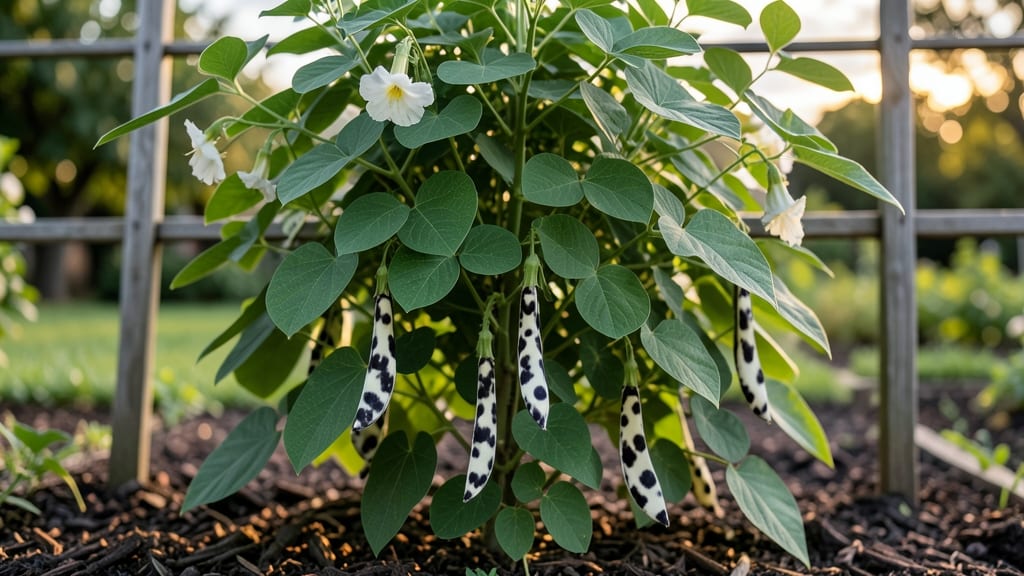
Growing yin yang beans turns your garden into a living art piece with their striking black-and-white seeds and vibrant purple blooms. ✨ These perennials aren't just pretty—they regrow from scraps, fix nitrogen in the soil, and thrive in drought conditions, making them a gardener's secret weapon.
The first time I saw their dramatic flowers, I knew they'd be a star in my garden beds.
Start with well-draining soil mixed with compost, and plant seeds 1 inch deep after the last frost. They love full sun but tolerate partial shade, and their drought tolerance means you won't need to water them daily.
Spacing them 12-18 inches apart gives them room to climb or sprawl, depending on your preference. The purple flowers attract pollinators, and the seeds themselves are edible when young.
You'll harvest the striking seeds in late summer, and the plants will keep producing flowers all season long. The nitrogen-fixing roots improve soil health, and the regrowth ability means you can propagate new plants from fallen seeds.
These beans are perfect for borders, trellises, or even container gardens—just give them space to shine.
Watch for bean beetles and aphids, but most pests avoid these hardy plants. If needed, a simple spray of neem oil keeps them at bay. With their dual purpose as both edible and ornamental, yin yang beans are one of the most rewarding plants to grow.
Once you try them, you'll want them everywhere in your garden.
📚 In This Guide
- What you need
- Instructions
- Tips and common mistakes
- Wrapping up and next steps
What you need
- ● Yin Yang Bean Seeds or Scraps: 1–2 seeds (if starting from seed) or
- ● 1–2 fresh scraps (from store-bought beans with the bold white/yellow stripes)
- ● Growing Containers: Small pots (4–6 inches deep) or
- ● A shallow tray or seedling tray (for scraps)
- ● Well-Draining Potting Mix: 1–2 cups of seed-starting mix (lightweight, sterile)
- ● Watering Can or Spray Bottle: For gentle hydration (avoid soggy soil!)
- ● Grow Lights or Sunny Windowsill: 6+ hours of bright, indirect light daily (south-facing window or LED grow lights)
- ● Humidity Dome or Plastic Wrap: Keeps scraps moist while sprouting.
- ● Fertilizer (Balanced or Organic): Diluted liquid fertilizer for faster growth.
- ● Permanent Garden Spot: If transplanting outdoors, choose a warm, sunny location (zones 9–11; or grow in containers year-round).
- ● Pruning Shears: For trimming vines if they get too leggy.
Step-by-step instructions for growing yin Yang beans from scraps
Here’s how to grow these striking, edible perennials—no seeds needed!
🌱 Step 1: Select and Prepare Your Bean Scraps
Start with the freshest possible scraps: the white, fibrous root ends from store-bought Yin Yang beans. Rinse them gently to remove any dirt or residue. You’ll need about 4 scraps to grow a full plant, and each scrap can regrow into a new plant. The key here is speed—don’t let them dry out or sit too long before planting.
Trim any brown or mushy parts from the base of the scrap with clean scissors. Healthy scraps should feel firm and slightly moist, not slimy. Place them upright in a glass of lukewarm water, ensuring at least 1 inch of the scrap is submerged. Change the water every 2-3 days to prevent bacteria buildup.
💧 Step 2: Watch for Root Growth and Prepare Soil
Within 7-10 days, you’ll see tiny white roots sprouting from the submerged end of the scrap. This is your signal that it’s ready to plant! Keep the scraps in water until roots reach about 1 inch long—longer roots mean a stronger start in soil. I like to place the glass near a bright, indirect light spot to encourage faster root growth.
While waiting, fill 4-inch pots with well-draining potting mix (avoid garden soil—it’s too dense). Mix in a handful of perlite or sand to improve drainage. Yin Yang beans love moisture but hate soggy roots, so this mix prevents rot. Water the soil lightly until it’s damp but not dripping.
⏰ Step 3: Plant the Rooted Scraps and Care for Sprouts
Once roots are 1 inch long, gently remove the scrap from the water and plant it 1 inch deep in the prepared soil. Press lightly around the base to secure it, but don’t pack the soil too tightly. Place the pot in a spot with bright, indirect light—direct sun can scorch young leaves. Keep the soil consistently moist by watering when the top inch feels dry to the touch.
Within 2-3 weeks, you’ll see new leaves unfurling from the top of the scrap. This is your cue to gradually introduce more light. If the leaves turn pale or stretch toward the window, your plant needs more light. A south-facing window or grow light (12-14 hours daily) will keep it thriving. Avoid cold drafts—they slow growth.
☀️ Step 4: Transition to Outdoor Conditions (Optional)
If you’re growing indoors, your Yin Yang beans will stay compact and leafy. But if you want them to reach their full 2-3 foot height and produce those signature striped pods, move them outside after the last frost when nighttime temperatures stay above 50°F. Choose a spot with partial shade (morning sun, afternoon shade) to prevent leaf burn.
Hardening off takes 7-10 days: start by placing the pots outside for 1-2 hours the first day, then gradually increase exposure. Watch for wilting—if leaves droop, bring the plant back inside for another day. Once acclimated, plant in well-draining garden soil enriched with compost. Space plants 12 inches apart to allow airflow and prevent disease.
🌿 Step 5: Maintain and Harvest for Regrowth
Yin Yang beans are low-maintenance once established. Water deeply 1-2 times per week, letting the soil dry slightly between waterings. Fertilize lightly every 4-6 weeks with a balanced, water-soluble fertilizer (half-strength) to encourage lush growth. Prune leggy stems to encourage bushier plants—just snip above a leaf node with clean scissors.
Harvest pods when they’re 4-6 inches long and the stripes are vibrant. Cut them at the stem with scissors to avoid damaging the plant. Here’s the magic: after harvesting, the scraps from the root ends can be rinsed and replanted in water to grow new plants! It’s a self-sustaining cycle—no seeds, no waste.
Tips & tricks for growing bold yin Yang beans from scraps
Here's what I wish I knew before starting my first batch—these simple tweaks make all the difference.
Scrap Selection: Look for scraps with at least 2 inches of firm, white root—these grow the fastest. The thicker the root end, the more robust your plant will be. I always check for tiny buds at the top of the scrap, which means it's already starting to sprout. If your scraps feel rubbery or have black spots, they're past their prime and won't root well.
Water Quality Matters: Use filtered or distilled water if possible, especially if your tap water has high chlorine levels. I've noticed my scraps root twice as fast in filtered water compared to regular tap water. Change the water every 2-3 days as instructed, but also give the glass a quick rinse before refilling to prevent bacterial buildup that can rot your roots.
Light Strategy: Place your rooting glass near a window with bright, indirect light during the day, then move it to a darker spot at night. This mimics natural day-night cycles and prevents the scraps from getting sunburned. A simple grow light on a timer set for 12-14 hours daily works wonders if you don't have good natural light—it's the secret to those vibrant stripes developing properly.
Soil Prep Trick: Before planting your rooted scraps, run your potting mix through a fine mesh strainer to remove any large clumps. This creates a lighter, fluffier soil that encourages root growth. I also like to pre-warm the soil mix in the microwave for 30 seconds to kill any potential pathogens before planting—it's an extra precaution that pays off in healthier plants.
Pro Tips for Yin Yang Beans
- Here's what I wish I knew before starting my first batch—these simple tweaks make all the difference.
- Scrap Selection: Look for scraps with at least 2 inches of firm, white root—these grow the fastest. The thicker the r...
- Water Quality Matters: Use filtered or distilled water if possible, especially if your tap water has high chlorine le...
Frequently asked questions
Got questions about growing yin yang beans? You’re not alone!
Here are answers to the most common queries—from propagation tricks to troubleshooting—so you can grow these bold, striped beauties with confidence.
Can yin yang beans really regrow from scraps like green onions?
Yes! Their thick, fleshy roots make them super easy to regrow. Simply place the bottom 2–3 inches of the root in water (or soil) with the leaves exposed. Change the water every 2–3 days, and you’ll see new growth in 1–2 weeks. Pro tip: Use filtered water to avoid bacterial growth!
How long does it take for yin yang beans to produce seeds or new shoots?
If growing from seeds, expect 2–3 weeks for sprouts to appear. For regrowth from scraps, shoots emerge in 7–14 days. Once established, they’ll bolt and flower in 40–60 days, producing seeds for future harvests. Patience is key—these aren’t overnight growers!
What’s the best way to store leftover yin yang beans for regrowth?
Wrap the root end in a damp paper towel, place it in a ziplock bag, and store it in the fridge for up to 1 week. For longer storage (up to 2 weeks), trim the leaves to 1 inch and keep them in a sealed container with a damp cloth. Avoid letting them dry out!
Are yin yang beans hard to grow indoors?
Not at all! They thrive in bright, indirect light (like a sunny windowsill) and 6+ hours of light daily. Use a south-facing window or grow lights if natural light is limited. Keep soil moist but not soggy, and rotate the pot weekly for even growth. Bonus: They’re great for small spaces!
Why are my yin yang beans turning yellow or mushy?
Yellowing leaves often signal overwatering or root rot. Let the soil dry slightly between waterings, and ensure pots have drainage holes. Mushy roots? Trim the bad sections, replant in fresh soil, and reduce water. If the whole plant wilts, it may be too late—prevention is key!
Can I eat yin yang beans like green onions, or are they just ornamental?
While their bold stripes make them a showstopper, they’re 100% edible—similar to green onions or scallions. Harvest the leaves and stems for a mild, slightly peppery flavor. Just avoid the roots if you dislike onion-like textures!
Wrapping up and next steps
Yin Yang beans are a bold, rewarding addition to any garden—packed with vibrant color, easy regrowth, and minimal fuss. Whether you’re a seasoned gardener or just starting, their resilience and striking foliage make them a fun experiment and a stunning centerpiece.
Ready to dive in? Start with just a few scraps—your future harvest (and Instagram-worthy plants) will thank you!
🌱 Your Next Steps:
- Grab your scraps and follow the guide—no green thumb required!
- Share your progress with #YinYangBeans for inspiration and tips.
- Experiment with containers or garden beds—see what thrives best in your space!