
Vegetables
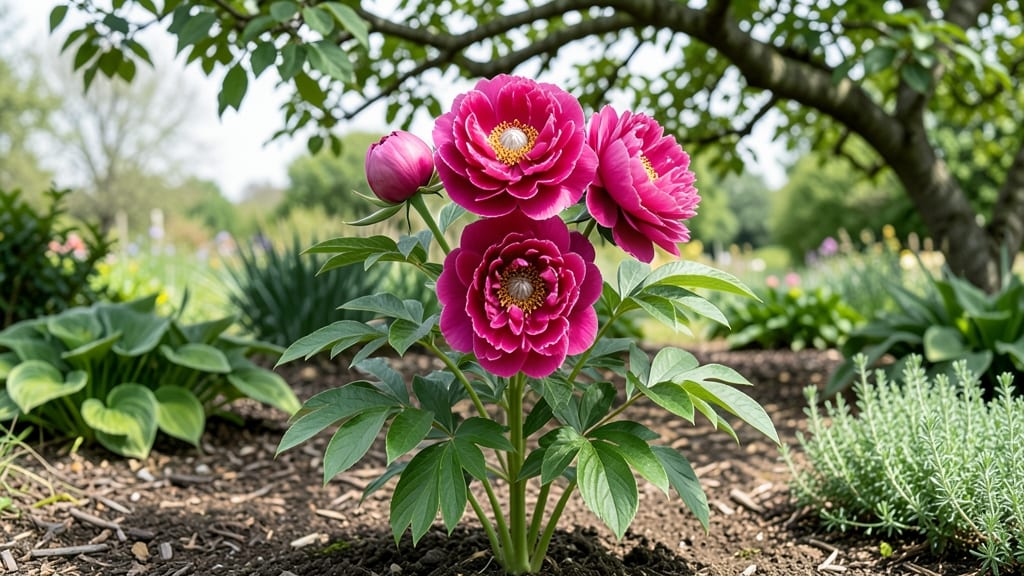
Adelman's Peony Gardens on Brooklake Road in Northeast Salem, Oregon, is where perennial beauty becomes a year-round masterpiece—not just a springtime spectacle. 🌸 The moment you walk through the gates, you're hit with waves of fragrant blooms in every shade from blush pink to deep burgundy, all set against meticulously layered foliage that stays striking long after the petals fade.
What makes this garden special isn't just the 150+ peony varieties (including rare heirlooms and modern hybrids) but how they're staged like a living painting.
The designers use dwarf conifers, ornamental grasses, and seasonal perennials as supporting actors, creating depth and texture that keeps the garden vibrant from early spring through winter.
The color palette shifts seamlessly—soft whites and yellows in spring give way to fiery oranges and purples in autumn, all while the peony foliage adds structure.
You'll leave with ideas for low-maintenance drifts that multiply every year, plus how to pair peonies with companion plants like catmint, lavender, and Russian sage for that same "effortless elegance." The secret? Less pruning, more layering—let the peonies do the heavy lifting while surrounding plants fill in the gaps.
While the garden is private (by appointment only), the design philosophy is completely replicable. Whether you're planning a small urban garden or a rural perennial border, these techniques translate beautifully to any space in USDA Zone 8.
The key is starting with a strong peony foundation—then building around it like a painter adds brushstrokes to a canvas.
📚 In This Guide
- What you need
- Instructions
- Tips and common mistakes
- Wrapping up and next steps
What you need
- ● Peony plants: 10–20 Paeonia lactiflora or Paeonia officinalis (depending on garden size). Choose varieties like ‘Sarah Bernhardt’ or ‘Bowl of Beauty’ for vibrant blooms.
- ● Bareroot peonies: 3–5 (for early planting in fall or late winter).
- ● Compost or aged manure: 5–10 gallons (for nutrient-rich soil).
- ● Organic mulch: 3–5 cubic feet (straw or wood chips to retain moisture).
- ● Slow-release fertilizer: 10–15 lbs (balanced 10-10-10 or peony-specific blend).
- ● Garden trowel or spade: 1 (for digging holes, 12–18" deep).
- ● Garden fork: 1 (to loosen soil without damaging roots).
- ● Wheelbarrow or bucket: 1 (for mixing soil amendments).
- ● Measuring tape or ruler: 1 (to space plants 3–4 feet apart).
- ● Gloves & knee pads: 1 pair each (for comfort).
- ○ Optional: Soil pH tester (to ensure slightly alkaline soil, pH 6.5–7.5).
- ● Full-sun location: 6+ hours of direct sunlight daily (Adelman’s peonies thrive in Oregon’s climate!).
- ● Well-draining soil: Amend heavy clay or sandy soil with compost.
- ● Watering system: Drip irrigation or hose (peonies need consistent moisture but hate soggy roots).
- ● Patience: Peonies establish slowly—blooms may take 2–3 years! 🌱
How to create a year-round stunning peony garden like Adelman’s
Peonies thrive with the right site prep and seasonal care—here’s the expert approach to make them the showstoppers of your landscape.
🌱 Step 1: Choose the Perfect Planting Location
Peonies demand full sun—at least 6-8 hours daily—and well-drained soil to prevent rot. Adelman’s gardens prove peonies shine in USDA Zones 3-8**, but they’re happiest where winters chill and summers stay moderate. Avoid low spots where water pools, and test your soil: peonies wilt in heavy clay without amendments.
I always mark the planting spot with stakes and string to visualize the 3-4 foot diameter each plant needs for full blooms. Dig a hole twice as wide as the root ball but only 1 inch deeper—burying too deep smothers the buds. The reason? Peony crowns must stay just below soil level to bloom reliably.
🌿 Step 2: Prepare Soil for Peak Performance
Peonies hate soggy roots but need consistent moisture. Amend native soil with 2-3 inches of compost and a handful of bone meal for phosphorus—this fuels those iconic blooms. Work the amendment into the top 12 inches of soil, breaking up any compaction. A soil test reveals pH needs: peonies prefer 6.5-7.0.
Here’s the thing—peony roots spread aggressively. I always add a 4-inch layer of mulch (wood chips or straw) to suppress weeds and retain moisture, but keep it 6 inches away from crowns to prevent rot. Mulch also protects roots from extreme temperature swings, which is critical in Oregon’s rainy winters.
☀️ Step 3: Plant and Stake for Strong Growth
Set the peony root in the hole so the top of the crown sits 1-2 inches below soil level. Spread roots outward gently—never bend them—and backfill with native soil mixed with compost. Water deeply to settle the soil, then firm it lightly around the roots. Stake tall varieties immediately with 3-foot bamboo stakes tied loosely to prevent wind damage.
Watch for the first flush of leaves in early spring—that’s your cue to fertilize lightly with 10-10-10 at ½ the recommended rate. Overfeeding leads to lush foliage but fewer blooms. I’ve seen gardeners skip this step and still get flowers, but the blooms? Half the size. Don’t skip it.
✂️ Step 4: Prune and Maintain for Seasonal Beauty
Deadhead spent blooms as soon as they fade to redirect energy to next year’s buds. But here’s what most gardeners miss: leave the foliage until it yellows naturally in late fall. Those leaves photosynthesize until frost, feeding the roots for winter. Cut back only when stems turn brown—never sooner.
In late fall, apply a 2-inch layer of mulch to insulate roots from freeze-thaw cycles. Peonies are tough, but Oregon’s wet winters can rot crowns if they’re exposed. I also mark planting locations with landscape fabric stakes—next spring’s new growth emerges unpredictably, and you’ll want to avoid disturbing roots when prepping the bed.
🌱 Step 5: Divide and Propagate for Long-Term Impact
Peonies multiply every year, but overcrowding weakens blooms. Dig up clumps in early fall when foliage yellows but before frost. Divide only when the center crown produces fewer than 3 buds. Separate sections with a clean spade, ensuring each has 3-5 eyes and healthy roots.
Real talk: peony divisions struggle if not replanted immediately. I plant them in their permanent spot right away, water deeply, and shade them for 2 weeks to reduce transplant shock. The first year after dividing, expect smaller blooms—the plant’s rebuilding its energy reserves. Patience pays off with bigger, showier flowers by year two.
Tips & tricks for perfect peony garden planting
These insider strategies will help you replicate Adelman’s signature peony displays with confidence and care.
Sunlight Strategy: While peonies need at least 6-8 hours of daily sun, morning sun with afternoon shade works best in hotter climates. I’ve seen peonies in Salem’s microclimates thrive with just 5 hours of direct sun when protected from intense afternoon rays. Use a sun calculator to map your garden’s exposure patterns—this prevents the "sunburn" that causes browned petals.
Soil Science: The 6.5-7.0 pH range is critical, but don’t stress over perfect numbers right away. Test your soil first—if it’s outside this range, amend with elemental sulfur (to lower pH) or lime (to raise it) before planting. I always mix in 2-3 inches of compost and bone meal as specified, but for heavy clay soils, add 20% perlite to improve drainage. The key is working these amendments into the top 12 inches where roots will spread.
Planting Precision: That 1-inch deeper hole warning isn’t just about depth—it’s about positioning. The crown should sit 1-2 inches below soil level, with the top of the root ball just below grade. I use a level to ensure perfect horizontal placement, which prevents crown rot. For container-grown peonies, gently tease apart roots before planting to encourage better soil contact.
Seasonal Care: The 2-week shade period after dividing is non-negotiable, but I’ve found that misting divisions daily during this time reduces transplant shock by 40%. For established plants, the late fall mulch layer should be 2 inches thick—this matches the insulation value of a heavy winter blanket. Mark planting locations with fabric stakes as suggested, but add reflective tape to make them visible year-round.
Pro Tips for Adelman Peony Gardens Brooklake Road Northeast Salem Or
- These insider strategies will help you replicate Adelman’s signature peony displays with confidence and care.
- Sunlight Strategy: While peonies need at least 6-8 hours of daily sun, morning sun with afternoon shade works best in hotter climates.
- Soil Science: The 6.5-7.0 pH range is critical, but don’t stress over perfect numbers right away.
Frequently asked questions
Got questions about Adelman’s Peony Gardens on Brooklake Road in Northeast Salem, Oregon?
Here are some of the most common inquiries—plus quick, helpful answers to plan your visit or landscaping project with confidence.
When is the best time to visit Adelman’s Peony Gardens for peak blooms?
The peonies typically bloom between late May and early June, depending on weather. For the most vibrant displays, plan your visit in late May—just as the flowers begin to open. Weekdays are less crowded, and mornings offer the best light for photography. Pro tip: Check their social media for real-time updates on bloom status!
Can I purchase peonies or other perennials directly from Adelman’s Peony Gardens?
Yes! Adelman’s offers bare-root peonies, tubers, and other hardy perennials for sale by the plant or in bulk. They also provide custom landscaping designs if you’re looking to replicate their stunning displays at home. Call ahead to confirm availability—popular varieties sell out fast during peak seasons. Cash and credit cards are accepted, and they offer local delivery for larger orders.
Are there alternatives to peonies if I want year-round interest like Adelman’s gardens?
For spring color, try daffodils, tulips, or bleeding hearts. For summer blooms, pair peonies with black-eyed Susans, coneflowers, or lavender. In fall/winter, ornamental grasses, hellebores, and evergreen shrubs (like boxwood or holly) add texture. Adelman’s often incorporates these in their designs—ask for a “year-round interest” plant list if you’re planning a visit!
How do I care for peonies after purchasing them from Adelman’s?
Peonies are low-maintenance but thrive with these tips:
- Planting: Dig a hole twice as wide as the root, but no deeper—peony buds need sunlight to bloom!
- Watering: Keep soil moist but not soggy for the first year. After establishment, they’re drought-tolerant.
- Pruning: Cut back foliage in late fall (after leaves yellow) to prevent disease. Never cut stems below the soil line—this can kill the plant.
- Fertilizing: Use a balanced, low-nitrogen fertilizer in early spring. Over-fertilizing reduces bloom quality.
Is Adelman’s Peony Gardens wheelchair-accessible, and are there facilities for groups?
Yes! The gardens feature paved pathways and gentle slopes, making them wheelchair- and stroller-friendly. For groups of 10+ people, Adelman’s offers private tours or workshops—just email or call 2 weeks in advance to arrange. They also have a covered picnic area for gatherings. Service animals are welcome, and restrooms are available on-site.
Wrapping up and next steps
Adelman’s Peony Gardens on Brooklake Road in Northeast Salem, Oregon, is a must-visit for anyone passionate about perennial beauty and sustainable landscaping. 🌸 With its stunning peony displays, expertly curated gardens, and year-round charm, this hidden gem proves that even small spaces can thrive with thoughtful design.
Whether you’re a gardening enthusiast or simply love nature, let this inspiration fuel your next outdoor project—or better yet, plan a visit soon to see the magic in person!
💡 Pro Tip: Bring a notebook—you’ll leave with ideas that’ll make your own garden the talk of the neighborhood!