
Vegetables
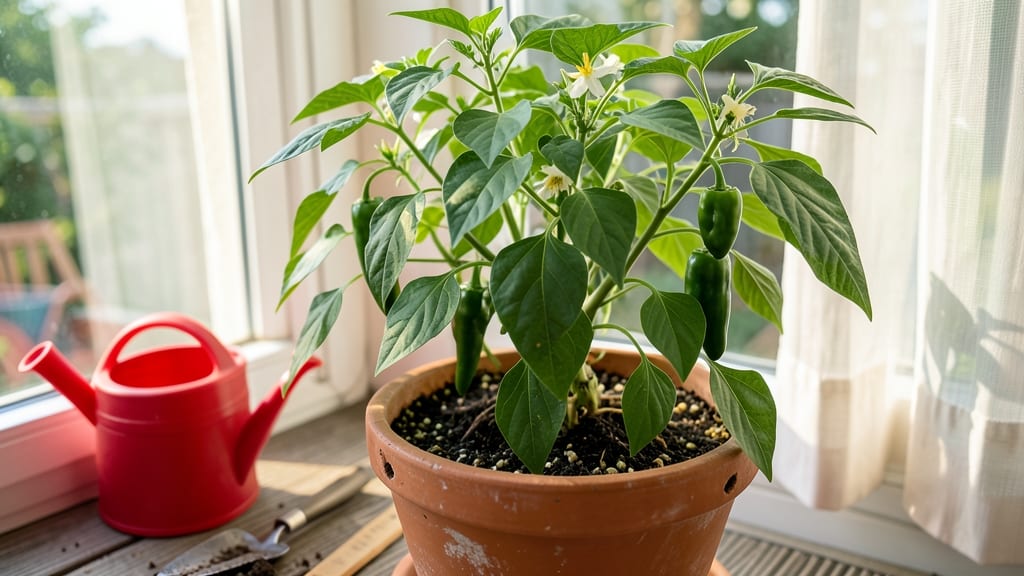
Caring for jalapeño plants in pots turns a tiny corner into a fiery harvest. 🌱 I’ve grown spicy peppers in containers for years, and the secret isn’t fancy equipment—it’s matching their heat-loving nature with the right pot, soil, and sunlight.
Most people overwater or underestimate their sun needs, but once you nail those basics, you’ll get peppers all season long.
Start with a 5-gallon pot or larger for each plant—jalapeños need room to grow strong roots. Use well-draining soil mixed with compost, and place them in full sun (6+ hours daily).
Water when the top inch feels dry, but never let them sit in soggy soil—this is how blossom end rot starts. A balanced fertilizer every 4-6 weeks keeps them producing like crazy.
By mid-summer, you’ll be harvesting glossy green peppers that turn red when ripe—perfect for salsas, pickling, or drying. The best part? You can move the pots to follow the sun or bring them inside before frost.
My first container jalapeños gave me 30+ peppers from just one plant, and I’ve been hooked ever since.
Troubleshoot common issues like aphids with neem oil or yellow leaves by checking watering habits. With these simple steps, you’ll grow peppers even in small spaces—no backyard required. Ready to start your spicy container garden?
📚 In This Guide
- What you need
- Instructions
- Tips and common mistakes
- Wrapping up and next steps
What you need
- ● Pot(s): At least 1–2 gallon containers per plant (5-gallon pots work best for mature plants). Ensure pots have drainage holes and are made of terracotta, plastic, or fabric.
- ● High-quality potting mix: A well-draining, nutrient-rich blend (look for labels like "vegetable mix" or "pepper mix"). Avoid garden soil—it compacts and drains poorly!
- ● Jalapeño seeds or seedlings: Start with 1–2 plants per pot (they need space to grow!). Choose disease-resistant varieties if possible.
- ● Fertilizer: Balanced 10-10-10 fertilizer (for early growth)
- ● High-phosphorus 5-10-10 or 10-20-20 fertilizer (once flowering starts)
- ● Watering can or hose with a gentle spray nozzle (avoid overhead watering to prevent disease).
- ○ Support (optional but helpful): A small tomato cage or stakes (2–3 feet tall) to keep plants upright as they grow.
- ● Mulch: Straw or shredded leaves to retain moisture and regulate soil temperature.
- ● Self-watering system: A wick or reservoir tray to keep soil consistently moist (great for busy gardeners!).
- ● Grow lights or sunny windowsill: If you’re growing indoors, ensure 6+ hours of direct sunlight daily (or supplement with LED grow lights).
- ● Pest control: Neem oil or insecticidal soap (for aphids, spider mites, or whiteflies).
- ● pH test kit: Jalapeños thrive in slightly acidic soil (6.0–7.0 pH). Adjust with lime (to raise pH) or sulfur (to lower pH) if needed.
Step-by-step guide to caring for jalapeño plants in pots
Here's how to keep your potted jalapeños producing heat all season long—no greenhouse required.
🪴 Step 1: Select the Right Container and Soil Mix
Jalapeños need 5-gallon pots minimum for one mature plant—roots spread aggressively, and cramped containers stunt growth. I use fabric grow bags because they prevent root circling, which is deadly for peppers. Fill with a mix of 60% potting soil, 30% perlite, and 10% compost—this ensures drainage while retaining moisture.
Add a handful of slow-release fertilizer (look for one with higher phosphorus for root development) mixed into the bottom inch. Press the soil down gently so it's firm but not compacted. The goal is a loose, airy medium that mimics loose garden soil. Avoid garden soil—it compacts in pots and suffocates roots.
☀️ Step 2: Position for Maximum Sun and Heat
Jalapeños demand 6-8 hours of direct sun daily, but they also love afternoon heat. Place pots on a south-facing patio, balcony, or deck. If you're in a cooler climate, move them to the sunniest spot by mid-morning and bring them in before evening temperatures drop below 55°F—cold nights stunt fruit production.
Watch for signs of stress: leaves curling or yellowing means they're too hot, while leggy growth with sparse leaves signals insufficient light. I rotate my pots quarter-turn weekly so plants grow evenly toward the sun. A simple trick: if the pot feels warm to touch in late afternoon, it's getting enough heat.
💧 Step 3: Master the Watering Schedule
Jalapeños hate soggy roots but also can't tolerate drying out. Water when the top 2 inches of soil feel dry—stick your finger in; if it's damp past your first knuckle, wait another day. I use the "soak-and-drain" method: water until it runs freely from the drainage hole, then let excess drain completely. This prevents root rot while ensuring consistent moisture.
Here's the thing—jalapeños are sensitive to water quality. If your tap water has high chlorine, let it sit out overnight before watering. Also, avoid wetting the leaves (especially at night) to prevent fungal diseases like powdery mildew. Water at the base in the morning so foliage dries quickly.
✂️ Step 4: Prune and Fertilize for Maximum Production
When plants reach 12 inches tall, pinch off the main stem just above a leaf node to encourage bushier growth. This creates more fruiting branches, which means more peppers. I also remove any suckers (those little shoots in the leaf axils)—they drain energy from fruit production. Just twist them off with your fingers; no need for shears.
Feed every 4-6 weeks with a balanced liquid fertilizer (10-10-10 or similar) diluted to half-strength. The key is consistency: peppers are heavy feeders, but overdoing it leads to leafy growth at the expense of fruit. Watch for dark green leaves with sparse peppers—that's your cue to reduce fertilizer temporarily.
🌿 Step 5: Harvest and Encourage Continuous Production
Pick jalapeños when they're 3-5 inches long and still firm—this stimulates the plant to produce more. Use pruning shears to cut stems just above the fruit to avoid damaging the plant. I harvest every 2-3 days during peak production; neglected plants stop fruiting quickly.
As peppers mature, the plant may slow down. That's when I give it a little boost: trim back any dead or yellowing leaves (they compete for nutrients) and add a compost top-dressing. This gives the roots a quick energy source for another flush of fruit. With proper care, a single potted jalapeño can produce 20-30 peppers per season!
Tips & tricks for thriving potted jalapeño plants
Common pitfalls—and how to sidestep every one—when growing fiery jalapeños in containers.
Container Selection: Fabric grow bags are my go-to because they prevent root circling, but terracotta pots work too—they wick away excess moisture. Avoid plastic containers; they trap heat and encourage root rot. If using terracotta, pre-soak it for 10 minutes before planting to prevent rapid moisture loss during the critical root establishment phase.
Soil Science: The 60-30-10 mix (potting soil, perlite, compost) is non-negotiable—it mimics the loose, airy conditions jalapeños crave. Pro tip: Sift the perlite through a window screen before mixing to remove any dust particles that can clog drainage pores. Also, avoid adding compost directly to the bottom of the pot; distribute it evenly throughout the mix to prevent nutrient buildup at the roots.
Light Optimization: Those 6-8 hours of direct sun are critical, but quality matters more than quantity. If your plants start stretching toward the light (leggy growth), you're not providing enough intensity. I've found that south-facing windowsills with supplemental grow lights in early morning/late afternoon can extend the growing season by 2-3 weeks. Rotate your pots weekly to prevent uneven growth toward the light source.
Fertilizer Strategy: The 4-6 week feeding schedule works, but timing matters. Feed right after a thorough watering—this helps prevent fertilizer burn. I've had the best results using a fish emulsion every other feeding cycle; it adds beneficial microbes to the soil. Watch for salt buildup on the soil surface—this means you're over-fertilizing. If you see white crusty deposits, flush the soil with plain water to remove excess salts.
Pro Tips for Care For Jalapeno Plants In Pots
- Common pitfalls—and how to sidestep every one—when growing fiery jalapeños in containers.
- Container Selection: Fabric grow bags are my go-to because they prevent root circling, but terracotta pots work too—they wick away excess moisture.
- Soil Science: The 60-30-10 mix (potting soil, perlite, compost) is non-negotiable—it mimics the loose, airy conditions jalapeños crave.
Frequently asked questions
Got questions about growing jalapeños in pots? You’re not alone! Here are answers to the most common queries—from beginners to seasoned gardeners—to help your peppers thrive.
How often should I water jalapeño plants in pots?
Water your jalapeños when the top 1–2 inches of soil feel dry to the touch, usually every 2–3 days in hot weather. Pots dry out faster than ground soil, so check daily during heatwaves. Overwatering is worse than underwatering—ensure pots have drainage holes to prevent root rot.
When will jalapeño plants in pots produce peppers?
With proper care, expect your first peppers 60–90 days after transplanting (or 8–12 weeks from seed). Container-grown plants may fruit slightly later than in-ground ones, but consistent sunlight (6+ hours/day), warmth, and regular feeding speed things up. Patience pays off—those fiery peppers are worth the wait!
Can jalapeño plants survive winter in pots?
Jalapeños are tender perennials and won’t survive freezing temps in pots. If you live in a cold climate, move pots indoors near a sunny window (60–75°F) or grow them as annuals. Overwintering indoors requires reduced watering and no fertilizer until spring. Alternatively, harvest peppers before frost and replant next season.
What can I do if my jalapeño plant isn’t flowering?
Lack of flowers? Check these fixes:
- Light: Move to a sunnier spot (6+ hours of direct sunlight daily).
- Heat: Jalapeños need warmth (70°F+). Use a grow light if temps drop.
- Fertilizer: Switch to a low-nitrogen, high-phosphorus feed (like 5-10-10) to encourage blooms.
- Stress: Avoid overwatering or sudden temperature swings.
Can I grow jalapeños in small pots, like 5-gallon buckets?
Yes, but 5-gallon pots work best for 1–2 plants. Larger pots (10+ gallons) support bushier growth and more peppers. Use well-draining potting mix, stake plants for support, and fertilize regularly. Just ensure pots have drainage holes to prevent soggy roots.
Wrapping up and next steps
Growing jalapeños in pots is a rewarding way to enjoy fresh, fiery peppers—even in small spaces! With the right sunlight, soil, and care, your plants will thrive and produce a bountiful harvest. Remember, consistency is key, so stay attentive to watering, pruning, and pest control.
Now that you’re armed with the know-how, roll up your sleeves and get planting! 🌱 Start with just one pot and watch your confidence—and your jalapeño crop—grow. Happy gardening!