
Vegetables
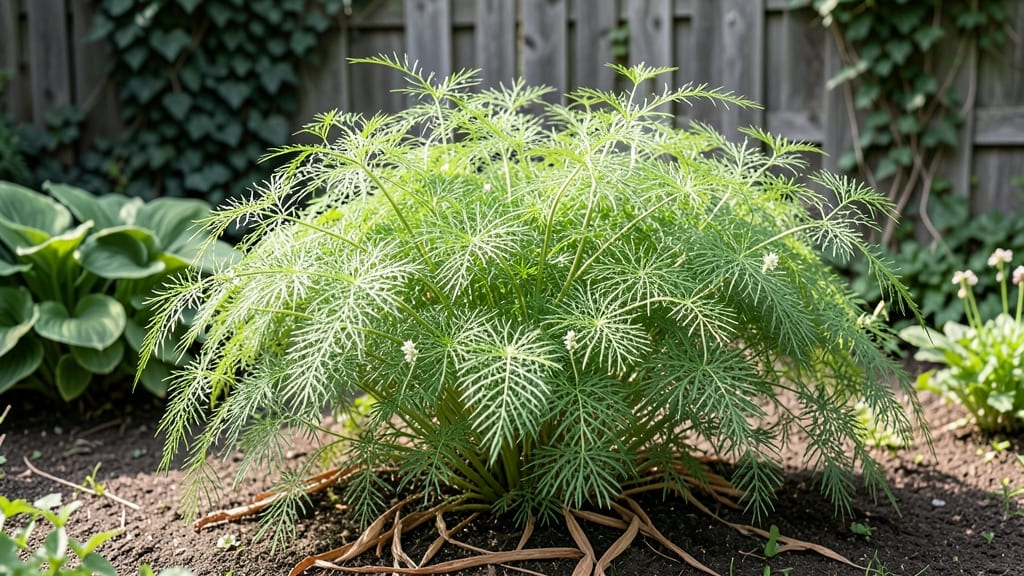
Identifying asparagus fern species starts with noticing their feathery fronds and cold-hardy nature. 🌿 These plants thrive where others falter, making them perfect for shady corners or outdoor borders.
The two most popular types—Asparagus densiflorus and Asparagus plumosus—look similar but have key differences in leaf density and growth habit. Densiflorus grows bushier with dense, spiky foliage, while plumosus has softer, more delicate fronds that sway in the breeze.
Both tolerate frost down to 20°F, but plumosus often handles heat better. Plant them in well-draining soil with partial shade for the lushest growth.
📚 In This Guide
- What you need
- Instructions
- Tips and common mistakes
- Wrapping up and next steps
What you need
- ● Asparagus fern plants or seeds: Choose from species like Asparagus densiflorus (Mystic Green) or Asparagus setaceus (Fern Asparagus). Start with 3–5 plants for a small garden or 10+ for a fuller look.
- ● Seeds: 50–100 seeds (if starting from scratch; germination can be slow).
- ● Well-draining potting mix: 10–20 gallons of a blend like cactus/succulent mix (3 parts) + perlite or sand (1 part) for aeration.
- ● For outdoor planting: Amend garden soil with compost or peat moss (mix 1 part organic matter per 3 parts soil).
- ● Containers (if indoor/greenhouse): 5–7 inch pots (1 per plant) with drainage holes. Opt for terracotta or fabric pots for better airflow.
- ● Basic gardening tools: Trowel, pruning shears, and gloves (for handling sharp fronds).
- ● Watering can or hose with a gentle spray nozzle.
- ● Fertilizer: Balanced liquid fertilizer (e.g., 10-10-10) or slow-release granules (like osmocote). Use every 4–6 weeks during growing season.
- ● Mulch: Pine bark or straw (2–3 inches) to retain moisture and protect roots in cold climates.
- ● Grow lights: LED or fluorescent bulbs (for indoor setups; 12–14 hours/day in low-light areas).
- ● Support stakes: 3–4 ft bamboo stakes to train tall varieties (like Asparagus plumosus) upright.
- ● Humidity tray: A shallow tray with pebbles and water (to boost humidity for indoor plants).
- ● Cold frame or frost cloth: For outdoor varieties in zones below 5a (use in early spring/fall).
How to identify and cultivate cold-resistant Asparagus fern species
These hardy plants thrive where others falter—let’s break down the best varieties and how to grow them successfully.
🌱 Step 1: Identify the Top Cold-Resistant Asparagus Fern Varieties
Asparagus ferns (Asparagus setaceus and related species) come in several cold-hardy cultivars. The most reliable for zones 5-9 are ‘Sprengeri’ (golden-tipped foliage), ‘Plumosus’ (feathery, arching fronds), and ‘Meyeri’ (compact, bushy growth). Each tolerates 10-20°F with proper winter care—key for northern growers.
Look for glossy, needle-like foliage (not true ferns) and reddish stems when young. ‘Sprengeri’ stands out with its bright yellow-green tips, while ‘Plumosus’ grows 3-4 feet tall with delicate, airy fronds. These traits help distinguish them from less cold-tolerant varieties.
☀️ Step 2: Choose the Right Planting Location for Year-Round Success
Asparagus ferns need partial shade (morning sun, afternoon shade) to prevent leaf scorch. In hot climates, dappled light under trees works best, while cooler regions can handle 3-4 hours of morning sun. Avoid deep shade—plants grow leggy and lose their vibrant color.
Test your spot by observing how sunlight moves through the day. If leaves turn yellow or crispy, the area gets too much direct sun. Amend heavy clay soil with 2-3 inches of compost to improve drainage—these plants hate soggy roots and may rot in winter.
💧 Step 3: Plant and Establish for Winter Hardiness
Set containers or in-ground plants in well-draining soil with a 2-inch layer of mulch (straw or shredded bark) around the base. Water deeply once a week during growing season, letting soil dry 1 inch below the surface between waterings. Overwatering stresses roots and reduces cold tolerance.
For in-ground planting, space clumps 18-24 inches apart—crowding weakens winter survival. In containers, use fast-draining mix (equal parts potting soil, perlite, and compost). After planting, water thoroughly and avoid fertilizing until spring—new roots need time to establish before cold snaps.
✂️ Step 4: Winterize for Cold Resistance
Before first frost, trim back 30% of the foliage to reduce moisture loss. In zones below 7, wrap containers in burlap or frost cloth and bury them halfway in straw for insulation. For in-ground plants, mound 4-6 inches of mulch over the crown—this prevents freeze-thaw cycles that damage roots.
Check plants in late winter (when new growth appears). If stems look shriveled or blackened, prune dead fronds at the base. Healthy plants bounce back quickly—new shoots emerge within 2-3 weeks of thawing. Avoid pruning in deep freeze (below 20°F), as it stresses the plant further.
🌿 Step 5: Maintain Through Seasons for Longevity
Fertilize once in early spring with balanced 10-10-10 at half strength. Asparagus ferns are light feeders—too much nitrogen causes weak, floppy growth. Deadhead spent flowers in summer to encourage denser foliage and prevent self-seeding (unless you want volunteer plants).
Watch for scale insects or spider mites on undersides of leaves. Treat early with neem oil spray—these pests thrive in dry conditions. If leaves yellow between veins, it’s likely iron deficiency, fixed by chelated iron supplement in water. With proper care, these ferns live 5-10 years or longer.
Tips & tricks for perfectly hardy Asparagus ferns
These cold-resistant beauties need just a few key adjustments to thrive where others fail—here's how to give them the best shot at survival.
Variety Selection: When choosing between ‘Sprengeri’, ‘Plumosus’, and ‘Meyeri’, consider your space and climate. ‘Plumosus’ reaches 3-4 feet tall with its dramatic arching fronds, making it ideal for vertical gardens or as a statement plant in larger containers. ‘Meyeri’ stays compact at 2 feet, perfect for small spaces or container growing, while ‘Sprengeri’ offers that eye-catching golden tip that brightens up shady corners. I always go for ‘Sprengeri’ if I want year-round color—those golden tips pop even in winter light.
Light Testing: The 3-4 hours of morning sun recommendation is a great starting point, but every yard is different. Here's how to test: Observe your planting spot throughout the day, especially during the hottest months. If you notice leaves turning yellow or crispy by midday, you're getting too much direct sun. For containers, you can move them closer to shade during peak sun hours, but in-ground plants need permanent solutions like strategic planting near trees or building structures. I've seen ‘Plumosus’ thrive under dappled light from a nearby maple tree where it would have scorched in full sun.
Winter Pruning Strategy: That 30% foliage trim before first frost isn't arbitrary—it's about balancing moisture loss with plant health. Focus on removing the oldest, most yellowed fronds first, as these are the most vulnerable to drying out. For container plants in zones below 7, I take extra precautions by wrapping them in burlap or frost cloth and burying halfway in straw. This creates a microclimate that can protect roots down to 10°F, though the 20°F threshold remains the absolute minimum for these varieties. The key is to avoid pruning when temperatures drop below 20°F—this stresses the plant when it's already struggling to survive.
Soil Drainage: The instructions mention well-draining soil and 2-3 inches of compost, but here's what I've learned about going beyond that: For heavy clay soils, consider creating raised beds or planting in containers where you have complete control over drainage. I've had success amending clay soil with equal parts compost and perlite to create a looser, more aerated growing medium. The goal is to prevent waterlogging, which can cause root rot even in cold-resistant varieties. You'll know you've got it right when water drains through the soil within 15-30 minutes after watering.
Pro Tips for Asparagus Fern Species
- These cold-resistant beauties need just a few key adjustments to thrive where others fail—here's how to give them the best shot at survival.
- Variety Selection: When choosing between ‘Sprengeri’, ‘Plumosus’, and ‘Meyeri’, consider your space and climate.
- Light Testing: The 3-4 hours of morning sun recommendation is a great starting point, but every yard is different.
Frequently asked questions
Got questions about asparagus fern species?
You’re not alone! Here are answers to the most common queries—from care tips to troubleshooting—so you can grow these hardy plants with confidence.
How cold-hardy are asparagus ferns, and what’s the best way to protect them in winter?
Asparagus ferns are surprisingly tough, surviving temperatures as low as -20°F (-29°C) with proper prep. Mulch heavily (3–4 inches of straw or leaves) around the crown in late fall, and avoid cutting back foliage until spring. Evergreen varieties like Asparagus officinalis handle frost better than deciduous types. Pro tip: Group plants together for shared warmth!
Can I grow asparagus ferns in containers, or do they need garden beds?
Yes! While they thrive in garden beds, asparagus ferns adapt well to large containers (at least 12–18 inches deep) with drainage holes. Use a mix of potting soil and compost, and choose a pot with sturdy sides—their rhizomes spread aggressively. Just move containers indoors or to a sheltered spot in winter if temps drop below 10°F (-12°C).
How long does it take for asparagus ferns to establish and produce edible shoots?
Patience is key! It takes 2–3 years for asparagus ferns to fully establish before yielding harvestable shoots. In the first year, focus on healthy foliage growth. By year two, you’ll see spears, but avoid harvesting more than 10–20% of the plant. Over-harvesting stunts growth—think long-term rewards!
What pests or diseases should I watch for, and how do I treat them?
Asparagus ferns face a few common foes:
- Asparagus beetles: Handpick adults/eggs or spray neem oil.
- Rust fungus: Remove infected fronds and improve airflow.
- Root rot: Ensure well-draining soil and avoid overwatering.
Are there non-edible asparagus fern varieties that work well as ornamentals?
Ornamental varieties like Asparagus densiflorus ‘Sprengeri’ (asparagus fern) or Asparagus setaceus (plume asparagus) add year-round greenery with feathery foliage. They’re drought-tolerant, shade-friendly, and perfect for borders or hanging baskets. Just note: They’re not edible—keep them separate from your harvest patch!
Wrapping up and next steps
Exploring the world of asparagus fern species opens up a rewarding journey for gardeners and plant lovers alike! These cold-resistant varieties are not only easy to grow but also bring lush, year-round greenery to your space.
Whether you're drawn to the delicate fronds of Asparagus densiflorus or the hardy resilience of Asparagus plumosus, each species offers unique beauty and practicality.
Ready to add a touch of elegance to your garden or home? Start by selecting the variety that best fits your climate and aesthetic preferences, then gather your supplies and dive in!
With a little patience and care, you’ll soon be enjoying the vibrant, low-maintenance charm of these stunning plants. Happy growing! 🌿✨