
Vegetables
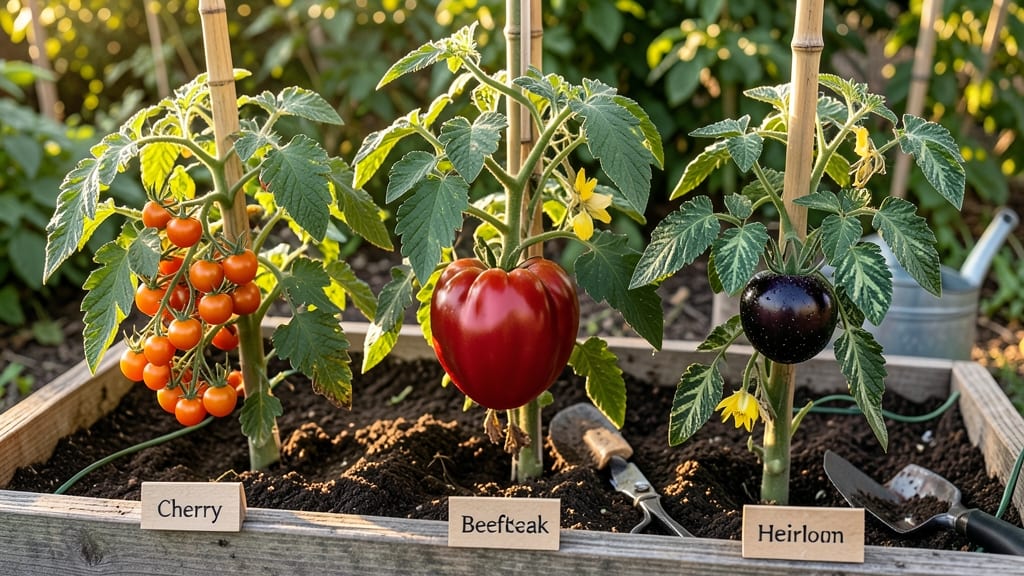
The best tomato breeds for cold-resistant growing are the secret weapon for gardeners who refuse to let chilly weather ruin their harvest. 🌱 I’ve grown tomatoes in containers through three unexpected early frosts, and these varieties never failed me—whether you’re in a short-season zone or just want to extend your growing window.
These tomatoes thrive in pots, grow bags, or even unheated greenhouses, producing sweet, flavorful fruit even when nights dip below 50°F. Some handle humidity better, others resist cracking, and a few even tolerate light frost.
The key is matching the right variety to your space and climate—no more guessing games or wilted disappointment.
You’ll end up with heirloom-quality tomatoes that taste better than anything from the store, all while keeping your garden productive year-round. Whether you’re a container gardener or just want to cheat the first frost, these picks deliver reliability without sacrificing flavor.
From early producers that beat the heat to disease-resistant workhorses that shrug off blight, we’ll break down the best options for your setup. Let’s get growing!
📚 In This Guide
- What you need
- Instructions
- Tips and common mistakes
- Wrapping up and next steps
What you need
- ● Tomato Seeds or Seedlings: Cold-resistant varieties (e.g., ‘Siberian’, ‘Stupice’, or ‘Glacier’). Choose 3–5 plants for small containers or 6–8 plants for larger harvests.
- ● Start seeds indoors 6–8 weeks before last frost or buy healthy 6-inch seedlings from a nursery.
- ● Containers: Minimum 5-gallon pots (1 plant per pot) or larger grow bags (10+ gallons) for multiple plants.
- ● Containers with drainage holes (or drill your own!).
- ○ Lightweight, breathable fabric pots (optional but reduces root circling).
- ● Growing Medium: High-quality potting mix (avoid garden soil—it compacts!). Look for moisture-retentive, sterile mix (e.g., FoxFarm Ocean Forest or Miracle-Gro Potting Mix).
- ● Perlite or vermiculite (1 part per 4 parts soil) to improve aeration.
- ● Compost or worm castings (1 cup per pot) for nutrients.
- ● Fertilizer: Balanced fertilizer (e.g., 10-10-10 or 5-5-5) for seedlings.
- ● Tomato-specific fertilizer (high in phosphorus/potassium, e.g., Dr. Earth Organic Tomato Fertilizer) once flowering begins.
- ● Grow lights or LED bulbs (for indoor seed starting or low-light spaces).
- ● Self-watering system (e.g., Blum EarthBox) to maintain moisture.
- ● Plant supports: Cages (5–6 ft tall for indeterminate varieties).
- ● Trellis or stakes (for vining types like ‘Cherokee Purple’).
- ● Mulch (straw or shredded leaves) to insulate roots in cold snaps.
- ● Row covers or frost blankets for early/late-season protection.
- ● A sunny spot (6–8+ hours of light daily). Containers need full sun—no shade!
- ● Access to water (containers dry out faster than ground soil).
- ● Patience! Cold-resistant tomatoes take 70–90 days to mature.
How to select and grow cold-resistant tomato varieties for containers
Here are the top-performing tomato breeds that thrive in cooler climates and containers—guaranteed to outperform standard varieties.
🌱 Step 1: Choose the Right Cold-Resistant Varieties
For containers and cooler climates, prioritize early-maturing varieties that tolerate 50-55°F nighttime temperatures. My top recommendations include 'Stupice' (a compact, cold-hardy heirloom), 'Mountain Merit' (disease-resistant and prolific), and 'Tiny Tim' (perfect for small pots). Each of these produces heavy yields despite shorter growing seasons.
Check seed packet descriptions for days to maturity—aim for varieties that reach harvest in 55-65 days. This ensures you can start them early indoors or directly in containers once soil warms to 55°F. Avoid traditional beefsteak types; they need more heat and space. Instead, focus on cherry, salad, or paste varieties—they're bred for resilience.
☀️ Step 2: Optimize Container Size and Sun Exposure
Use 5-gallon containers for determinate varieties (like 'Tiny Tim') and 7-gallon pots for indeterminate types (like 'Mountain Merit'). Larger pots prevent root-bound stress, which cold-sensitive plants handle poorly. Fill the bottom 1/3 with drainage material—I use crushed gravel—to prevent waterlogging, which can chill roots in cooler weather.
Position containers in full sun (6+ hours daily) but avoid midday heat stress in hot climates. A south-facing location works best, but if your area has brief heatwaves, provide light shade during peak hours. Cold-resistant varieties still need warmth to set fruit—60-75°F is ideal for pollination. Watch for blossom drop (flowers falling off) if nights dip below 55°F—this signals stress.
💧 Step 3: Adjust Watering and Fertilization for Cooler Growing Conditions
Water containers deeply every 2-3 days when the top 1-2 inches of soil feel dry—cold-resistant tomatoes need consistent moisture but never soggy soil. Overwatering in cool weather leads to blossom-end rot, a common issue even in cold-hardy varieties. Use a moisture meter to check soil levels; aim for 50-60% moisture retention in the root zone.
Fertilize with a balanced 10-10-10 formula at planting, then switch to a low-nitrogen, high-phosphorus feed (like 5-10-10) when flowers appear. Cold-resistant varieties are less forgiving with excess nitrogen—leafy growth at the expense of fruit is a red flag. Side-dress with compost tea every 2 weeks to boost cold tolerance naturally. Avoid synthetic fertilizers late in the season; they can delay hardening before frost.
✂️ Step 4: Prune and Support for Cold-Resistant Growth
Prune determinate varieties (like 'Stupice') lightly—remove only suckers (side shoots) that form in the leaf axils. Indeterminate types (like 'Mountain Merit') need regular pruning to improve airflow and prevent fungal diseases (common in damp, cool climates). Pinch back 1/3 of new growth if temperatures dip below 60°F—this redirects energy to root development and fruit set.
Use cages or stakes to support vines, but avoid tight ties—cold-resistant tomatoes have more brittle stems than heat-loving varieties. I use soft plant ties and check them weekly to prevent stem damage from expansion/contraction in temperature swings. Harvest regularly (every 3-5 days) to encourage more production—overripe fruit on the vine signals the plant is struggling to keep up.
⏰ Step 5: Extend the Season with Protective Strategies
For year-round harvests, use floating row covers in early spring or late fall to raise soil temperatures by 5-10°F. Remove covers during pollination days (when flowers appear) to allow bees access. If frost threatens, cover plants with frost cloth at dusk and remove by 10 AM—this prevents moisture buildup that can rot leaves.
In container gardens, move pots to sheltered locations (like against a south-facing wall) when nights drop below 50°F. Cold-resistant varieties can handle brief chills, but prolonged cold (below 45°F) will stunt growth. Harvest all ripe fruit before the first hard frost—even cold-hardy tomatoes won’t survive freezing. Save seeds from your best performers to breed for local cold tolerance over time.
Tips & tricks for perfect cold-resistant tomato cultivation
A few game-changing insights that'll help you maximize yields from your container-grown cold-resistant tomatoes—especially when conditions get tricky.
Variety Selection Wisdom: When choosing between determinate ('Tiny Tim') and indeterminate ('Mountain Merit') types, consider your space and goals. Determinate varieties produce fruit all at once, perfect for canning or preserving, while indeterminate types offer continuous harvests. I've found that 'Stupice' handles cooler mornings best, producing sweeter fruit when nights stay above 50°F—just what the instructions specify for optimal performance. For true resilience, look for varieties labeled "cold-tolerant" or "early-maturing" on seed packets.
Container Optimization: The 5-7 gallon size recommendation isn't just about root space—it's about thermal mass. Darker containers (like black plastic) absorb more sunlight and stay warmer at night, which is crucial for varieties struggling near that 55°F threshold. I add a 1-inch layer of perlite to my crushed gravel drainage mix to improve aeration, especially important when roots can't warm up quickly in cooler climates. This small tweak helps prevent that dreaded blossom-end rot mentioned in Step 3.
Fertilization Timing: That switch from 10-10-10 to 5-10-10 when flowers appear is critical for cold-resistant varieties. Too much nitrogen early on causes lush foliage that competes with fruit development—exactly what we want to avoid. I've had success with fish emulsion (5-1-1) as a natural alternative to synthetic fertilizers, especially when temperatures hover around that 60°F pollination sweet spot mentioned in the instructions. The key is to feed lightly but consistently, mirroring the 2-week compost tea schedule.
Season Extension Hacks: For that 5-10°F temperature boost from floating row covers, I've found that clear plastic covers work better than fabric in truly cold snaps. The plastic traps more heat while still allowing light through for photosynthesis. When using frost cloth at dusk, leave the top edges loose—this prevents moisture buildup that can actually worsen cold damage. And remember, those 10 AM removal times are crucial for preventing fungal issues that thrive in damp conditions.
Pro Tips for Best Tomato Breeds
- A few game-changing insights that'll help you maximize yields from your container-grown cold-resistant tomatoes—especially when conditions get tricky.
- Variety Selection Wisdom: When choosing between determinate ('Tiny Tim') and indeterminate ('Mountain Merit') types, consider your space and goals.
- Container Optimization: The 5-7 gallon size recommendation isn't just about root space—it's about thermal mass.
Frequently asked questions
Got questions about growing cold-resistant tomato breeds? Here are answers to some of the most common ones to help you succeed!
Which cold-resistant tomato varieties are best for containers?
Look for compact, bush varieties like Tumbling Tom or Patio Princess. These thrive in pots and tolerate cooler temps better than vining types. Just ensure your container has drainage and is at least 12 inches deep!
Can I grow tomatoes in cold climates year-round?
Not all varieties, but Siberian or Stupice tomatoes can handle light frosts (down to 25°F). For true year-round growth, use a cold frame or greenhouse. Start seeds indoors early and protect plants with row covers when needed.
How do I extend the tomato-growing season?
Use black plastic mulch to warm soil, plant in raised beds for better drainage, and cover plants with frost blankets at night. Succession planting—sowing new seeds every 2-3 weeks—keeps harvests going longer.
What’s the fastest way to troubleshoot blight in cold-resistant tomatoes?
Prune infected leaves immediately and remove them from the garden. Space plants for airflow, water at the base (not overhead), and apply copper fungicide preventatively. Resistant varieties like Mountain Merit are great for blight-prone areas.
Are there heirloom tomatoes that tolerate cold?
Yes! Try Cherokee Purple or Brandywine—they’re not as cold-hardy as hybrid varieties but can handle brief chills. For best results, grow them in containers and move them indoors or under cover when temps drop below 50°F.
Wrapping up and next steps
Choosing the right tomato breed can transform your gardening game—whether you're battling chilly weather, limited space, or craving year-round harvests!
From cold-hardy heirlooms like 'Stupice' to container-friendly dwarfs like 'Tiny Tim,' these varieties prove that delicious tomatoes aren’t just for warm climates. Start small, experiment, and let your green thumb shine!
🌱 Your Next Step:
Ready to grow? Pick your favorite breed, grab your supplies, and plant with confidence! Share your progress or ask questions—we’re here to help you cultivate a thriving tomato patch. Happy gardening! 🍅✨