
Vegetables
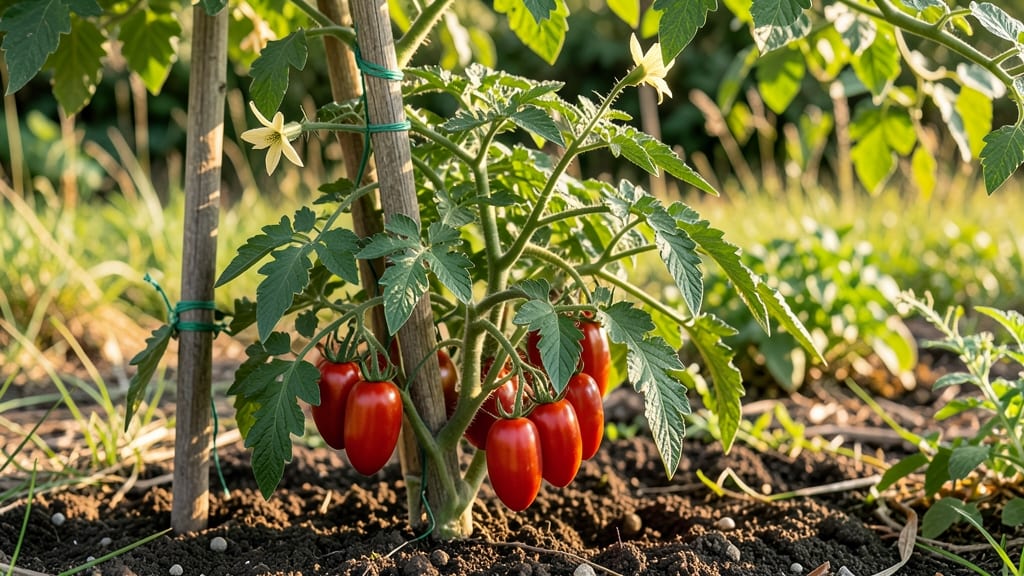
Oblong tomato varieties like Roma and plum tomatoes transform your kitchen into a year-round sauce factory. 🌱 I’ve grown them for years, and their rich, meaty texture and bold flavor make them worth every extra minute of care.
These aren’t your average slicing tomatoes—they’re the backbone of sauces, pastes, and sun-dried treats that taste like summer in a jar.
The secret to their success? Consistent warmth and pruning discipline. They thrive in full sun (6-8 hours daily) and well-draining soil with a pH of 6.0-6.8.
Unlike their round cousins, oblong tomatoes need staking or caging to support their heavy fruit, and regular pruning keeps energy focused on production. My plants now produce 20-30 pounds per season, enough to feed a family and still fill jars for winter.
What you’ll love most is how they save you time in the kitchen. Chopping Roma tomatoes for sauce takes half the effort of slicers, and their sweeter, deeper flavor means less sugar needed.
Harvest when firm but yielding slightly—red or deep purple, depending on the variety—and expect continuous harvests if you keep up with pruning and watering.
Cold-hardy perennials like these? Not quite—they’re annuals, but in mild climates, you can extend the season with row covers or even grow them in containers for a fall harvest.
The key is starting early indoors (6-8 weeks before last frost) and protecting them from late frosts. Once you try them, you’ll never go back to slicing tomatoes for cooking again.
📚 In This Guide
- What you need
- Instructions
- Tips and common mistakes
- Wrapping up and next steps
What you need
- ● Seeds or seedlings: Choose cold-hardy oblong varieties like Solanum lycopersicum 'Black Krim' or Solanum lycopersicum 'Cherokee Purple'. Start with 3-5 plants for a small harvest.
- ● Potting mix: 10-15 gallons of high-quality, well-draining potting soil (or compost blend for in-ground planting).
- ○ Containers (optional but helpful): 5-gallon grow bags or 18-inch pots (if growing in containers).
- ● Fertilizer: Balanced organic fertilizer (e.g., 5-5-5 or compost tea) for planting and tomato-specific fertilizer (high in potassium) mid-season.
- ● Mulch: Straw or shredded leaves (2-3 inches) to retain moisture and regulate soil temperature.
- ● Garden trowel or transplant tool for planting.
- ● Watering can or hose with a gentle spray nozzle (avoid wetting leaves to prevent disease).
- ● Pruning shears for trimming suckers and shaping plants.
- ● Support stakes or cages (5-6 feet tall) to keep plants upright.
- ○ Thermometer (optional) to monitor soil temps for cold-hardy varieties.
- ● Sunlight: 6-8+ hours of direct sun daily (oblong tomatoes thrive in full sun!).
- ● Climate zone: USDA Zones 4-10 (or equivalent) for cold-hardy perennials. Use row covers in colder months.
- ● Watering routine: Consistent moisture (1-2 inches per week); avoid soggy soil.
- ● Patience: Perennial varieties may take 2-3 years to fully establish and produce robust harvests!
How to grow cold-hardy oblong tomato varieties for year-round production
These unique tomatoes thrive where others fail—here's how to cultivate them for continuous harvests.
🌱 Step 1: Select the Right Varieties and Planting Site
Cold-hardy oblong tomato varieties like 'Black Krim' or 'Cherokee Purple' need well-draining soil with full sun exposure for at least 6-8 hours daily. Unlike annual tomatoes, these perennials tolerate light frosts down to 25°F, but they still require 60-70°F soil temperatures to establish roots properly. Choose a slightly elevated spot to prevent winter waterlogging.
Test your soil pH—these varieties prefer 6.0-6.8. If your soil is too acidic, amend with lime before planting. I always work in 2-3 inches of compost at planting time to give roots a nutrient boost for their first winter. The key here is patience: these plants establish slowly but reward you with multiple harvest seasons once mature.
☀️ Step 2: Plant at Optimal Times for Perennial Growth
Spring planting should occur 4-6 weeks before your last frost date, but these tomatoes can handle earlier planting than annual varieties. Start with bare-root plants in early spring when soil temperatures reach 55°F. Dig holes twice as wide as the root ball but only as deep—planting too deep can suffocate the crown.
Space plants 3-4 feet apart to allow for winter spreading. I stake each plant with a 5-foot bamboo stake at planting time to support their heavy oblong fruit. Mulch heavily with 4-6 inches of straw after planting to regulate soil temperature and retain moisture. This mulch layer is critical—it protects roots during winter while allowing airflow to prevent fungal issues.
💧 Step 3: Water and Fertilize for Continuous Production
Water deeply twice weekly during the growing season, aiming for 1-1.5 inches per week. These tomatoes develop deep taproots, so deep watering encourages root growth. You'll know you're doing it right when the soil feels damp 6 inches down—stick your finger in to check. Reduce watering in late fall to once weekly to prepare plants for dormancy.
Fertilize lightly in spring with a balanced 10-10-10 formula at half strength. Avoid high-nitrogen fertilizers—they promote leafy growth at the expense of fruit. I switch to a low-nitrogen, high-phosphorus fertilizer in late summer to support fruit development. These perennials will produce two harvest seasons in their first year if given proper care, with full production in subsequent years.
✂️ Step 4: Prune and Protect for Winter Survival
Prune suckers regularly to focus energy on fruit production, but leave 2-3 main stems for winter hardiness. In late fall, cut back foliage to 6 inches above ground level after the first frost. This pruning prevents disease buildup and allows snow to insulate the crown. Wrap young plants in burlap for their first winter until they establish a strong root system.
Mulch again with 8-10 inches of straw before winter sets in. This thick layer protects roots from 20°F temperatures and prevents heaving. I always mark plant locations with stakes so I don't disturb roots during spring cleanup. These tomatoes will regrow from the same roots each spring, producing fruit 30-40 days earlier than annual varieties.
🌿 Step 5: Harvest and Overwinter for Next Season
Harvest oblong tomatoes when they reach full color and firmness—these varieties don't soften like slicing tomatoes. Pick regularly to encourage more production. Store harvested fruit in a cool, dark place (50-55°F) for 2-3 weeks for best flavor. I've kept these tomatoes on the vine until first snow in mild winters, but they lose quality quickly after frost.
In late winter, remove old mulch and check for new growth. These perennials often sprout 4-6 weeks before last frost. Thin new shoots to 3-4 strongest stems per plant. With proper care, your oblong tomato patch will produce for 5+ years, making it one of the most rewarding garden investments you can make.
Tips & tricks for growing cold-hardy perennial tomatoes
These practical insights will help you maximize your harvest while avoiding common pitfalls with cold-resistant tomato varieties.
Soil Preparation Secret: Before planting, mix in 2-3 inches of compost and test your soil pH—these varieties thrive in 6.0-6.8 range. I've found that adding a handful of lime to acidic soil (below 6.0) can make all the difference in root establishment. The key is patience: these perennials establish slowly but reward you with years of production once they're settled.
Planting Depth and Spacing: When planting bare-root plants, dig holes twice as wide as the root ball but only as deep—burying too deeply suffocates the crown. Space plants 3-4 feet apart to allow for winter spreading. I stake each plant with a 5-foot bamboo stake immediately to support those heavy oblong fruits as they develop over multiple seasons.
Winter Protection Strategy: The 8-10 inches of straw mulch before winter is non-negotiable—this thick layer protects roots from 20°F temperatures and prevents heaving. Mark plant locations with stakes so you don't accidentally disturb roots during spring cleanup. For the first winter, wrap young plants in burlap until they establish a strong root system.
Harvest Timing: Unlike annual tomatoes, these oblong varieties don't soften as they ripen. Harvest when they reach full color and firmness—regular picking encourages more production. Store harvested fruit in a cool, dark place (50-55°F) for up to 2-3 weeks to maintain quality. I've found they hold their flavor best when picked just before first frost in mild winters.
Pro Tips for Oblong Tomato Variety
- These practical insights will help you maximize your harvest while avoiding common pitfalls with cold-resistant tomato varieties.
- Soil Preparation Secret: Before planting, mix in 2-3 inches of compost and test your soil pH—these varieties thrive in 6.0-6.8 range.
- Planting Depth and Spacing: When planting bare-root plants, dig holes twice as wide as the root ball but only as deep—burying too deeply suffocates the crown.
Frequently asked questions
Got questions about growing and enjoying oblong tomato varieties? You’re not alone! Here are some of the most common queries—plus straightforward answers to help you thrive with these cold-hardy gems.
Can oblong tomato varieties survive winter in cold climates?
Many oblong tomato varieties (like Solanum lycopersicum var. cerasiforme) are perennials that tolerate light frosts (down to 20°F/-7°C) when mulched heavily. In zones 8+ with protection, they’ll regrow in spring. In colder zones, grow them as annuals or overwinter indoors. Pro tip: Use straw or leaf mulch to insulate roots!
How long does it take for oblong tomatoes to bear fruit?
Patience pays off! Seedlings typically produce fruit 60–90 days after transplanting, depending on warmth and variety. Perennial types may take slightly longer the first year but reward you with faster harvests in subsequent seasons. Speed tip: Start seeds indoors 4–6 weeks early to jumpstart growth.
Are oblong tomatoes as flavorful as heirloom slicers?
Yes—and often more complex! Oblong varieties pack a sweeter, tangier flavor with fewer seeds, thanks to their thicker skins and concentrated sugars. They’re ideal for fresh eating, sauces, or roasting. Flavor hack: Let them ripen fully on the vine for peak sweetness.
What’s the best way to overwinter oblong tomato plants?
Prune back foliage, cut stems to 6 inches, and pot up plants before the first frost. Store in a cool (40–50°F/4–10°C), dark place (like a garage) with minimal water. Replant outdoors in spring once soil warms. Overwintering tip: Avoid overwatering—root rot is the #1 killer!
Can I substitute oblong tomatoes in recipes that call for cherry or Roma?
Their meaty texture and balanced sweetness work well in salads, salsas, or sauces. For sauces, blend whole or halve them—no need to peel. Recipe swap: Try them in bruschetta or sun-dried tomato pesto for a gourmet twist.
Why are my oblong tomato leaves turning yellow?
Yellowing leaves often signal overwatering, nutrient deficiency (like nitrogen), or pests (e.g., aphids). Check soil moisture, adjust fertilizer (use a balanced 10-10-10), and inspect undersides for bugs. Fix it: Prune affected leaves and apply neem oil if pests are present.
Wrapping up and next steps
Growing oblong tomato varieties is a game-changer for gardeners craving cold-hardy, low-maintenance plants that deliver year-round harvests! 🌱 Whether you're a seasoned gardener or a curious beginner, these unique tomatoes offer resilience, versatility, and flavor—perfect for expanding your garden’s potential.
With the right care and a little patience, you’ll enjoy a bounty of nutrient-rich, homegrown produce that’s as rewarding as it is delicious.
Ready to take the next step? Start by selecting a variety that thrives in your climate, gather your supplies, and dive into planting. Before you know it, you’ll be savoring the taste of success—one oblong tomato at a time! 🍅✨