
Vegetables
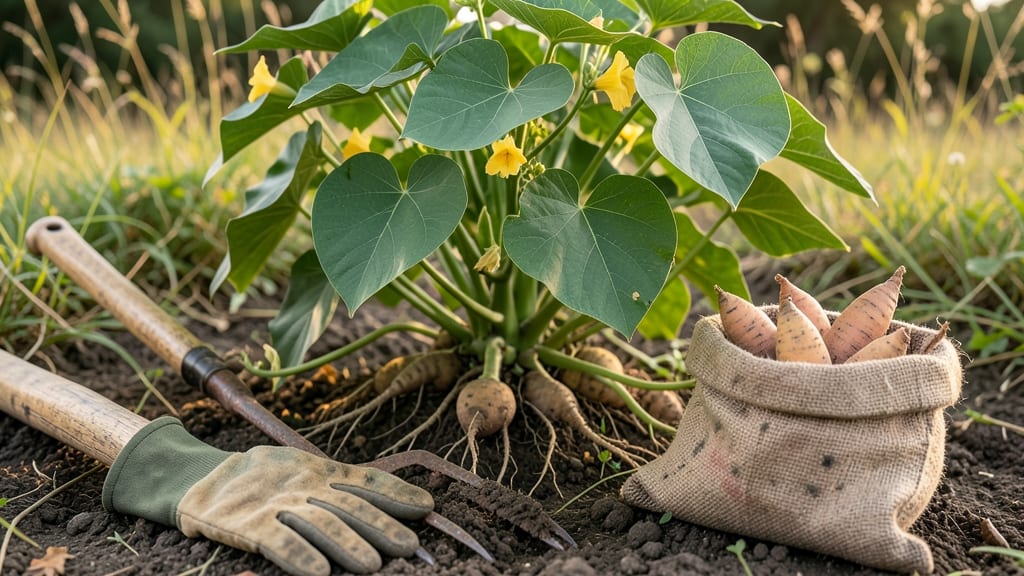
Georgia’s mild winters and long growing season mean you can grow cold-hardy vegetables that thrive when others freeze out—like collards, turnips, and kale that taste sweeter after frost. 🌱 I’ve tested these varieties across North Georgia’s cooler zones (6-7) and South Georgia’s subtropical pockets, and these are the ones that deliver consistent harvests even when temps dip into the 20s. The secret isn’t fancy equipment—it’s timing and soil.
Plant collards in early September for winter harvests, and use compost-rich soil to help roots withstand temperature swings.
Local nurseries like Georgia’s Own Seed Company carry disease-resistant varieties perfect for our humidity, and the UGA Extension Service offers free soil tests to dial in your plot’s pH. By late winter, you’ll be pulling tender greens and crisp roots that outperform store-bought. The best part?
These same crops handle Georgia’s brutal summer heat when planted in spring or fall, giving you two growing seasons from one garden. For extra resilience, interplant with marigolds to deter pests and mulch heavily to retain moisture.
Whether you’re in Athens or Augusta, these varieties adapt—just adjust planting dates by 2-3 weeks for your microclimate.
📚 In This Guide
- What you need
- Instructions
- Tips and common mistakes
- Wrapping up and next steps
What you need
- ● Seeds or Seedlings: Cold-hardy varieties like kale, collards, broccoli, carrots, spinach, and turnips (native to Georgia’s climate). Start with 1–2 lbs of seeds or 6–12 healthy seedlings per variety.
- ○ Optional: Heirloom or organic seeds for unique flavors (e.g., Georgia Southern Collards).
- ● Soil: 6–10 bags of well-draining garden soil (e.g., Miracle-Gro Garden Soil or local compost-amended topsoil). Aim for 6.0–7.0 pH.
- ○ Optional: 2–3 lbs of compost or worm castings for nutrient boost.
- ● Containers or Garden Space: 5–10 gallon grow bags or raised beds (minimum 6" depth) for container gardening.
- ● Or a 4’x8’ in-ground plot with full sun (6+ hours/day).
- ● Tools: 1 garden trowel, 1 hand fork, and 1 pruners.
- ● 1 hose with adjustable nozzle or watering can (5+ gallon capacity).
- ○ Optional: Soil thermometer ($10–$15) to monitor cold snaps.
- ● Frost Protection: Frost cloth (1–2 rolls) for late-spring/early-fall planting. Pro tip: Use black plastic mulch in winter to extend growing seasons! 🔥
- ● Water Source: Reliable access to water (drip irrigation or soaker hoses work best).
- ● Sunlight: Confirm your garden spot gets 6+ hours of sunlight daily (use a sun calculator app if unsure).
- ● Local Regulations: Check UGA Extension for Georgia-specific gardening guidelines (e.g., pesticide rules).
- ● 1 pH testing kit ($10–$20) to fine-tune soil.
- ● Organic fertilizer (e.g., fish emulsion or 10-10-10 NPK blend).
- ● Trellis or stakes for pole beans or cucumbers (if expanding crops).
- ● Garden journal to track planting dates and yields!
Step-by-step guide to selecting and planting Georgia’s best cold-hardy vegetables
Georgia’s mild winters and long growing season let you grow vegetables year-round—here’s how to pick the best varieties and plant them for maximum yield.
🌱 Step 1: Choose the Right Varieties for Georgia’s Climate
Georgia’s Zone 7b-8a climate means you can grow cold-hardy vegetables that thrive in both winter and summer. Start with collard greens (like 'Blue Max' or 'Georgia Southern'), which tolerate frost down to 20°F and become sweeter after light freezes. Add mustard greens (e.g., 'Southern Giant Curled') for peppery flavor and turnips (like 'Purple Top White Globe') for dual edible roots and greens.
For spring and fall, broccoli (e.g., 'De Cicco') and cabbage (like 'Golden Acre') handle Georgia’s humidity better than northern varieties. These crops prefer cooler temps (50-70°F) and avoid bolting in summer heat. I always plant these 6-8 weeks before the first expected frost—check your local extension service for exact dates.
☀️ Step 2: Time Plantings for Seasonal Success
Georgia’s long growing season (240+ days in most areas) lets you plant three crops a year: winter, spring, and fall. Start winter crops (collards, kale, spinach) in late summer (August-September) so they establish roots before cold snaps. These plants grow slowly in cool weather, so give them 8-10 weeks to mature before harvest.
For spring and fall, direct-sow broccoli, cabbage, and turnips in early March (spring) or late August (fall). Use row covers in winter to protect tender seedlings from 25-30°F dips. I’ve found that succession planting every 2-3 weeks keeps harvests steady—just mark your calendar 6 weeks after the last frost date for spring plantings.
💧 Step 3: Prepare Soil for Georgia’s Humid Growing Conditions
Georgia’s clay-heavy soils drain poorly, so amend beds with 2-3 inches of compost before planting. Work in aged manure or worm castings to improve structure and fertility. These crops love rich, slightly acidic soil (pH 6.0-7.0)—test your soil at your local extension office if unsure.
Raise beds 6-12 inches high to improve drainage and reduce fungal diseases like black rot (common in cabbage). Mulch with straw or pine needles to retain moisture—Georgia’s summer heat dries soil quickly, and 1 inch of mulch saves 50% water. Keep mulch 2 inches away from stems to prevent rot.
✂️ Step 4: Maintain and Harvest for Peak Flavor
Collards and mustard greens grow best with consistent moisture—water deeply 2-3 times per week in summer, reducing to once weekly in winter. Harvest outer leaves when they reach 6-8 inches tall, leaving the center to keep producing. You’ll get continuous harvests for 6-8 weeks if you pick regularly.
For broccoli and cabbage, watch for head formation—harvest when heads are firm and fully colored but before they flower. Cut stems 1-2 inches below the head with a sharp knife. These crops bolt (go to seed) quickly in heat, so harvest spring and fall crops within 8-10 weeks of planting. Save seeds from your best plants for next year!
🌿 Step 5: Extend the Season with Simple Tricks
Use row covers or cold frames to grow spinach and lettuce through winter. These protect from light frosts (28-30°F) and let you harvest salad greens year-round. In summer, shade cloth (30-50%) keeps leafy greens from bolting—just drape it over hoops for partial shade during peak heat (90°F+).
Succession plant heat-tolerant varieties like Southern Peas ('Purple Hull') in late spring for summer harvests. These thrive in Georgia’s humid heat and fix their own nitrogen, reducing fertilizer needs. Rotate crops yearly to prevent soil-borne diseases—never plant the same family (Brassicas) in the same spot two years in a row.
Tips & tricks for growing Georgia’s cold-hardy vegetables
These pro tips will help you maximize yields and flavor in Georgia’s unique climate—because the Peach State’s growing conditions demand a few strategic tweaks!
Variety Selection Wisdom: When choosing cold-hardy varieties, prioritize local heirlooms like 'Georgia Southern' collards or 'Southern Giant Curled' mustard greens—they’re bred to thrive in our specific climate. For cabbage and broccoli, opt for heat-tolerant varieties like 'Golden Acre' cabbage, which handles Georgia’s humidity better than northern strains. I’ve found that seed-saving varieties (like 'De Cicco' broccoli) often perform better because they’re adapted to our growing conditions over generations.
Seasonal Planting Precision: The 6-8 week window before frost is critical for spring/fall plantings—use your local extension office’s frost date calculator to pinpoint exact timing. For winter crops, I swear by late August planting dates because it gives seedlings time to establish roots before cold snaps. Pro tip: Plant broccoli in partial shade during summer months to prevent bolting—just use shade cloth (30-50%) over hoops for temporary relief during 90°F+ heat waves.
Soil Preparation Secrets: Georgia’s clay-heavy soil needs serious attention—don’t just amend once! I recommend double-amending: work in 2-3 inches of compost first, then top with aged manure or worm castings for that extra nitrogen boost. For raised beds, 12-inch height is ideal—it improves drainage dramatically and reduces black rot risk in cabbage. And here’s a game-changer: mulch with pine needles instead of straw in acidic soils—they slowly release nutrients as they decompose.
Harvest Timing Technique: For leafy greens like collards, I harvest every 2-3 weeks by cutting outer leaves at a 45-degree angle—this encourages bushier growth and extends your harvest window. With broccoli, watch for head firmness (not size) as your indicator—cut stems 1-2 inches below the head to encourage side shoots. For turnips, harvest roots when they’re golf-ball sized (about 2-3 inches) to prevent woody texture, but leave greens attached for continued growth.
Pro Tips for Vegetables Grown In Georgia
- These pro tips will help you maximize yields and flavor in Georgia’s unique climate—because the Peach State’s growing conditions demand a few strategic tweaks!
- Variety Selection Wisdom: When choosing cold-hardy varieties, prioritize local heirlooms like 'Georgia Southern' collards or 'Southern Giant Curled' mustard greens—they’re bred to thrive in our specific climate.
- Seasonal Planting Precision: The 6-8 week window before frost is critical for spring/fall plantings—use your local extension office’s frost date calculator to pinpoint exact timing.
Frequently asked questions
Got questions about growing vegetables in Georgia’s unique climate? You’re in the right place! Here are some of the most common queries—plus straightforward answers to help you thrive in the Peach State’s soil.
What vegetables can I grow in Georgia year-round?
Georgia’s mild winters and hot summers allow for year-round growing with the right planning. Cold-hardy options like kale, collards, spinach, and broccoli thrive in winter, while sweet potatoes, okra, and tomatoes dominate summer. Use row covers or greenhouses in extreme cold to extend seasons. Pro tip: Succession planting keeps your harvests fresh!
When is the best time to plant vegetables in Georgia?
Timing depends on the crop! For cool-season veggies (e.g., lettuce, peas), start in late winter/early spring (Feb–March) or late summer (Aug–Sept) to avoid summer heat. Warm-season crops (tomatoes, peppers) need to go in after last frost (mid-April). Georgia’s frost-free dates vary by region—check USDA Zone 7a–8a for your area.
How do I protect my vegetables from Georgia’s pests?
Georgia’s humid climate attracts pests like squash bugs, aphids, and tomato hornworms. Start with crop rotation and healthy soil to deter issues. Use row covers for early plantings, handpick pests, or try organic sprays like neem oil. Prevention is key—inspect plants weekly and remove damaged leaves promptly!
Can I grow vegetables in containers in Georgia?
Containers work great for small spaces or urban gardens. Opt for deep pots (12+ inches) for root veggies like carrots or potatoes, and self-watering containers to handle Georgia’s heat. Herbs, lettuce, and cherry tomatoes thrive in pots. Just ensure they get 6+ hours of sun daily and use well-draining soil.
What should I do if my vegetables aren’t growing well?
Troubleshoot with these steps:
- Check soil health: Test pH (ideal: 6.0–7.0) and amend with compost.
- Water wisely: Georgia’s heat demands 1–2 inches/week; mulch to retain moisture.
- Adjust sunlight: Move containers or thin plants if they’re shaded.
- Watch for disease: Yellow leaves? Could be fungus—improve airflow and avoid overhead watering.
Wrapping up and next steps
Georgia’s rich soil and diverse climate make it a goldmine for growing cold-hardy vegetables year-round! From hearty greens to nutrient-packed root crops, the Peach State offers endless possibilities for both home gardeners and farmers.
Whether you're a seasoned grower or just starting, these varieties can help you harvest fresh, flavorful produce even in cooler months.
🌱 Ready to get growing? Start small—pick one or two crops from this list, gather your supplies, and dive in! Your future self (and your taste buds) will thank you. Happy gardening! 🌿