
Vegetables
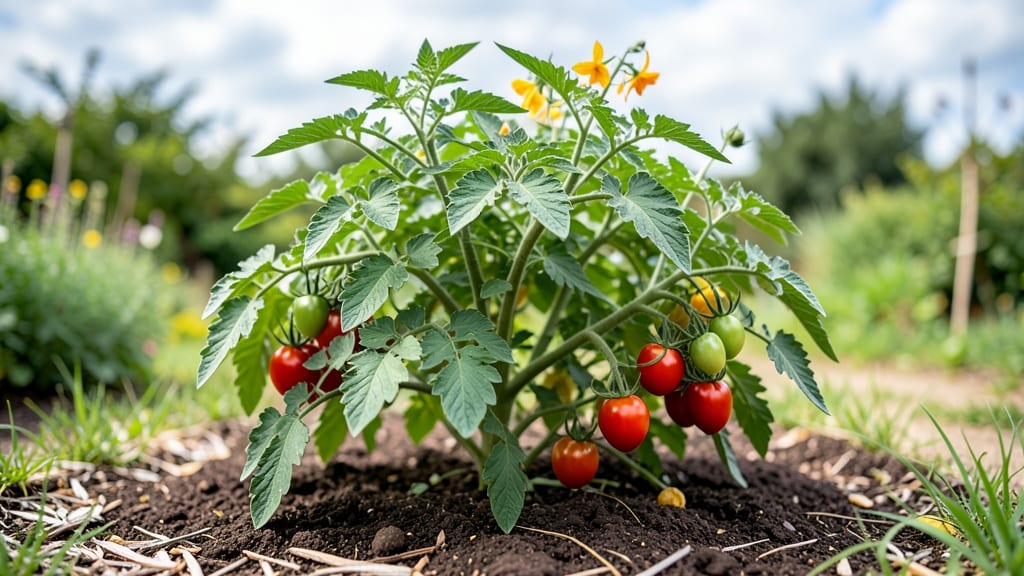
The Big Boy tomato delivers beefsteak-sized fruit in just 50 days—no fancy greenhouses required. 🌱 I’ve grown this determinate variety for years, and it’s the one that makes neighbors ask, "What’s in your soil?" The secret isn’t just the plants; it’s how you support them from the first seedling to the last harvest.
This isn’t your average tomato. The vines stay compact (perfect for small spaces), but the fruit? Pound-heavy, juicy, and packed with flavor. You’ll need sturdy cages or stakes (3-4 feet tall) to keep those 12-ounce beauties from dragging the plant to the ground.
The real magic happens when you match their needs: rich, well-draining soil, consistent water (1-2 inches per week), and a balanced fertilizer every 3-4 weeks. By mid-summer, you’ll be harvesting 10+ tomatoes per plant—enough for sandwiches, sauces, or sharing with anyone who’s ever doubted your gardening skills.
The plants handle heat and humidity better than most, but watch for early blight (remove infected leaves immediately) and fruitworms (use row covers or Bt spray). Here’s the kicker: Big Boys thrive in containers too, making them ideal for patios or balconies.
Just pick a pot at least 18 inches deep, and you’re set. No excuses—let’s grow some tomatoes that’ll make your garden the talk of the neighborhood.
📚 In This Guide
- What you need
- Instructions
- Tips and common mistakes
- Wrapping up and next steps
What you need
- ● Big Boy tomato seeds or seedlings: 3–5 plants (choose disease-resistant varieties if possible).
- ● High-quality potting mix: 10–15 lbs (4.5–7 kg) of well-draining, organic-rich soil (or compost blend).
- ● Containers or garden space: Containers: 5-gallon pots (minimum) with drainage holes for each plant.
- ● Garden beds: Full sun (6–8+ hours/day) and well-draining soil (amend with compost if needed).
- ● Fertilizer: Balanced organic fertilizer (10-10-10 or 5-5-5) or compost tea for feeding.
- ● Tomato cages or stakes: 5–6 ft tall cages or sturdy bamboo/stakes (2–3 per plant for support).
- ● Mulch: Straw or shredded leaves (2–3 inches) to retain moisture and suppress weeds.
- ● Hand trowel or small shovel for planting.
- ○ Gloves (optional but recommended for handling soil).
- ● Watering can or hose with a gentle spray nozzle.
- ● Pruning shears (for trimming suckers and dead leaves).
- ○ pH test kit (optional but helpful for soil health).
- ● Drip irrigation system for consistent watering.
- ● Copper tape or tomato collars to deter pests.
- ● Fish emulsion or seaweed extract for extra nutrients.
- ● Row covers (early season) to protect from frost or pests.
How to grow Big Boy tomatoes with sturdy vines
Here's my foolproof method for growing Big Boy tomatoes—those beefy, reliable giants that produce pound after pound of flavorful fruit.
🌱 Step 1: Start Seeds Early Indoors
Big Boy tomatoes need a long growing season, so I start seeds 8-10 weeks before your last frost date. Use biodegradable pots (like peat or coconut coir) to avoid transplant shock. Fill them with seed-starting mix and plant 2 seeds per pot at ¼ inch deep—they germinate best in 75-85°F soil.
Keep the soil consistently moist but never soggy. A humidity dome or plastic wrap helps, but remove it immediately after germination to prevent damping-off. You'll see sprouts in 7-10 days—thin to the strongest seedling per pot once they have 2 true leaves.
☀️ Step 2: Harden Off and Transplant Strongly
Two weeks before your last frost, move seedlings outside for 1-2 hours daily, gradually increasing time. This hardening-off process toughens them up for the garden. Choose a sunny spot with 6-8 hours of direct sun—Big Boys thrive in full sun but need afternoon shade in hot climates.
Transplant on a cloudy day or late afternoon to reduce stress. Bury the stem ⅓ of the way up the pot—this encourages stronger root growth. Space plants 24-36 inches apart in rows 36 inches apart to give vines room to sprawl.
🪴 Step 3: Support Vines Early and Prune Strategically
Big Boy tomatoes need sturdy support. Install a 6-foot tall cage or stakes at planting time—waiting until vines are heavy with fruit makes it harder. I use wooden tomato cages for their durability, but sturdy bamboo stakes work too. Tie the main stem loosely to the support with soft plant ties.
Prune suckers (the shoots that grow between the stem and branches) when they're 3-4 inches long. This redirects energy to fruit production. Leave 2-3 main stems per plant for better airflow and fewer diseases. You'll see more clusters of tomatoes forming as you prune.
💧 Step 4: Water Deeply and Feed Regularly
Big Boys need 1-2 inches of water weekly, delivered at the base to avoid wetting leaves. Water deeply in the morning so foliage dries quickly—this prevents fungal diseases like blight. Mulch with 2-3 inches of straw or grass clippings to retain moisture and keep roots cool.
Fertilize when flowers appear with a balanced tomato fertilizer (like 5-5-5). I switch to a low-nitrogen, high-phosphorus feed when fruit sets to boost sweetness. Over-fertilizing leads to leafy growth at the expense of tomatoes—watch for lush foliage but few fruits.
✂️ Step 5: Harvest at Peak Ripeness
Big Boy tomatoes ripen 50-60 days after flowering, but I harvest when they're fully colored and slightly soft to the touch. Twist gently to avoid damaging the vine. The first harvest triggers more fruit production—expect a steady supply all season.
Store harvested tomatoes at room temperature for 3-5 days or refrigerate for longer storage. I love slicing them fresh for sandwiches or roasting whole for sauces. With proper care, a single Big Boy plant can yield 10-20 pounds of tomatoes—enough to feed a family for months.
Tips & tricks for growing sturdy Big Boy tomato vines
Real talk: Growing Big Boy tomatoes isn't just about planting seeds—it's about creating the perfect conditions from day one. These are the details that separate a decent harvest from a bumper crop.
Seed Starting Success: The 8-10 week timeline before last frost is non-negotiable for Big Boys, but here's the thing: those first 7-10 days of germination are critical. I've found that using a heating mat set to maintain 75-85°F soil temperature makes all the difference—especially in cooler homes. Place your seed trays on top of the heating mat (covered with a thin layer of soil) to create that perfect environment. Once sprouts appear, remove the humidity dome immediately to prevent damping-off disease, which can wipe out your seedlings overnight.
Transplanting Like a Pro: Burying that stem ⅓ of the way up the pot might seem counterintuitive, but trust me on this—it triggers the plant to grow stronger roots from where it's buried. I've seen plants with stems buried this way develop root systems twice as strong as those planted at the usual depth. When choosing your transplant day, pay attention to the weather forecast. A cloudy day with temperatures below 80°F is ideal—it reduces transplant shock significantly compared to hot, sunny days.
Support System Strategy: Installing those 6-foot cages or stakes at planting time might feel like overkill, but I've learned this the hard way: waiting until vines are heavy with fruit makes them much harder to attach. Use soft plant ties (not wire or anything that can cut into the stem) and leave a little slack as the plant grows. This prevents the ties from digging into the stem as it thickens. For pruning, I focus on removing suckers when they're just 3-4 inches long—this keeps the plant's energy focused on fruit production rather than leaf growth.
Watering Wisdom: The 1-2 inches of water weekly guideline is perfect, but here's what nobody tells you: how you deliver that water matters just as much. I use soaker hoses placed at the base of each plant to deliver water slowly and directly to the roots. This prevents water from splashing onto leaves, which is how fungal diseases like blight usually get started. Watering in the morning gives foliage plenty of time to dry before evening, when humidity is highest.
Pro Tips for Big Boy Tomato
- Real talk: Growing Big Boy tomatoes isn't just about planting seeds—it's about creating the perfect conditions from day one.
- Seed Starting Success: The 8-10 week timeline before last frost is non-negotiable for Big Boys, but here's the thing: those first 7-10 days of germination are critical.
- Transplanting Like a Pro: Burying that stem ⅓ of the way up the pot might seem counterintuitive, but trust me on this—it triggers the plant to grow stronger roots from where it's buried.
Frequently asked questions
How long does it take for Big Boy tomatoes to mature?
The Big Boy variety is a determinate tomato, meaning it matures quickly—typically 50–60 days from transplanting to harvest. Start seeds indoors 6–8 weeks before the last frost, and you’ll be picking plump, beefy tomatoes in no time! For best results, plant after soil temps hit 55°F+.
Why aren’t my Big Boy tomatoes ripening?
Slow ripening often boils down to sunlight, water, or temperature. Ensure your plants get 6–8 hours of direct sun daily and water deeply 1–2 inches per week (avoid wetting leaves to prevent disease). If nights dip below 55°F, use a frost blanket or move pots indoors temporarily. Overcrowding can also stunt growth—prune suckers and space plants 18–24 inches apart.
Can I grow Big Boy tomatoes in containers?
Big Boy tomatoes thrive in 5-gallon+ containers with drainage holes. Use a lightweight potting mix (avoid garden soil) and a cage or trellis for support. Place containers in full sun and fertilize every 2–3 weeks with a balanced tomato feed. Just watch for root-bound stress—rotate pots occasionally for even growth!
What’s the best way to use Big Boy tomatoes?
These beefy, low-acid tomatoes are versatile! Slice them for sandwiches, burgers, or BLTs (their thick flesh holds up perfectly). Roast them with olive oil and garlic for pasta sauces or blend into smooth salsas. For storage, keep whole at room temp until ripe, then refrigerate for up to 1 week. Pro tip: Freeze extras for winter soups!
How do I prevent pests from ruining my Big Boy plants?
Common pests like hornworms, aphids, and whiteflies can target Big Boy tomatoes. Handpick hornworms (they’re easy to spot!) and spray affected areas with neem oil or soapy water for aphids. Row covers deter flying insects early on, and crop rotation prevents soil-borne pests. Healthy plants resist pests better—so mulch, fertilize, and prune regularly!
Wrapping up and next steps
Growing Big Boy tomatoes is a rewarding journey that delivers hearty, flavorful rewards in just 50 days! Their sturdy vines and prolific harvest make them perfect for both gardeners and home cooks.
Whether you’re a beginner or a seasoned green thumb, these tomatoes are a fantastic choice for bountiful yields and delicious meals.
Ready to dive in? Start by gathering your supplies, then plant with confidence—your future tomato feasts await! 🌱🍅 Review the essentials before you begin.