
Vegetables
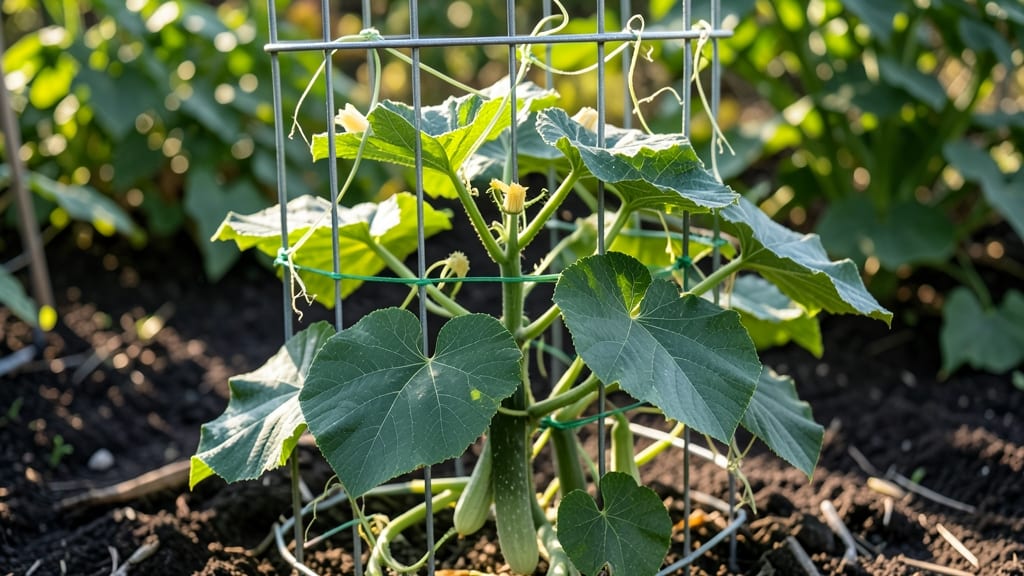
Using tomato cages for cucumbers might sound odd, but this simple hack turns sprawling vines into a neat vertical display that saves space and boosts yields. 🌱 I’ve used them for three seasons now, and my cucumbers climb higher, produce more, and stay cleaner than when they sprawled on the ground. The key is reinforcement—standard cages bend under cucumber weight, but with a few adjustments, they become sturdy trellises. You’ll need heavier-duty cages (or reinforce with stakes), twine or plant ties, and a sunny spot with at least 6 feet of vertical space. Cucumbers grow fast, so start pruning early to guide vines upward and prevent tangling. The first few weeks are critical—if you wait too long, the vines get too heavy for the cage. What you end up with is cleaner fruit, fewer pests hiding in the foliage, and easier harvesting. My vines now reach 8-10 feet tall, producing more cucumbers in half the ground space. Plus, the vertical growth means better airflow, reducing disease risk. This method works for bush cucumbers too—just use smaller cages and prune aggressively. For trellising pros, consider adding a second cage as the plant grows. Ready to give it a try?
📚 In This Guide
- What you need
- Instructions
- Tips and common mistakes
- Wrapping up and next steps
What you need
- ● Tomato cages: 4–6 medium to large cages (5–6 feet tall, sturdy wire or plastic). Pro tip: 💡 Opt for cages with wider bases (18+ inches) for stability—cucumbers get heavy!
- ● Cucumber seeds or seedlings: 1–2 plants per cage (choose bush or vining varieties like ‘Straight Eight’ or ‘Marketmore’).
- ○ Potting soil: 1–2 bags (high-quality, well-draining mix with compost). Optional: Add perlite or vermiculite for extra aeration.
- ● Containers or pots: 5–15 gallon pots (one per cage) with drainage holes. Alternative: Repurpose buckets or fabric grow bags.
- ● Garden twine or soft plant ties: 1–2 rolls (3–4 feet per plant). Why? Gently guide vines without damaging stems.
- ● Watering can or hose with gentle nozzle: For deep, even hydration.
- ● Fertilizer: Balanced organic fertilizer (10-10-10 or compost tea). Tip: 🌡️ Feed lightly every 2–3 weeks once vines start climbing.
- ● Mulch (straw or shredded leaves) to retain moisture and suppress weeds.
- ● Pruning shears for trimming excess leaves or dead vines.
- ● Trellis netting (if cages aren’t tall enough—attach to extend height).
- ● Shade cloth (30–50%) for hot climates to protect delicate vines.
Instructions for using tomato cages to train cucumber vines vertically
Here's how I turn sprawling cucumber vines into neat, space-saving vertical displays using repurposed tomato cages.
🪴 Step 1: Select and Position the Right Cages
Choose 5-6 foot tall tomato cages—they need to support cucumber vines that can reach 10+ feet in ideal conditions. Place each cage 12-18 inches from the fence or trellis you'll be attaching to, leaving room for the vine's base to spread slightly. I like to position them in a slight zigzag pattern if space allows—this creates a natural, flowing look while preventing overcrowding.
Check for sharp wire edges before use. I run my fingers along each cage to smooth any protrusions that could damage delicate cucumber stems. This small step prevents future rubbing injuries that weaken vines. For extra security, I anchor the cage base with 2-3 U-shaped stakes driven into the soil at a 45-degree angle, creating a tripod effect that resists toppling when vines get heavy.
🌱 Step 2: Plant Cucumbers Near the Cage Base
Dig a hole large enough to accommodate the cucumber's root ball while maintaining its original depth. Position the plant 3-4 inches from the cage so the main stem can grow straight toward it without bending. I always plant cucumbers on the north side of the cage—this prevents shading of neighboring plants as the vine grows upward.
Water deeply before planting to settle the soil around roots. The first few days are critical—keep the soil consistently moist but not soggy. You'll know you've got the right balance when the surface feels like a wrung-out sponge: damp but not dripping. This prevents transplant shock that can set cucumbers back for weeks.
☀️ Step 3: Train Vines as They Grow
When vines reach 12-18 inches tall, gently guide the main stem through the cage's first opening. Secure it with soft plant ties or strips of old T-shirt fabric—never use wire or plastic ties that can girdle the stem as it thickens. I like to make a loose figure-eight loop around both the vine and a cage wire, leaving room for growth.
Watch for lateral shoots that form at leaf junctions. These side stems are where most fruit develops, but they need support too. When they reach 6-8 inches, weave them through the cage's smaller openings. Here's the thing—don't force anything. If a stem resists, wait a day and try again. Gentle persuasion works better than brute force.
✂️ Step 4: Maintain and Prune for Maximum Yield
Remove any suckers that form below the first flower cluster—these are the small shoots growing from the stem's leaf axils. They drain energy from fruit production. I make this cut with clean pruners at a 45-degree angle, just above a leaf node where new growth can emerge. This encourages the plant to focus its energy on the main vine and fruit-bearing laterals.
Check cages weekly for stability. Heavy fruit loads can cause them to lean or collapse. If you notice the cage tilting, add a third stake on the opposite side from where the weight is pulling. Also watch for vines growing in circles around the cage—this creates tangled messes that restrict airflow and invite disease. Gently untangle any spiraling growth and redirect it upward through available openings.
💧 Step 5: Water and Fertilize for Vertical Growth
Water at the base of the plant rather than overhead to prevent fungal diseases that thrive in wet foliage. Aim for 1-1.5 gallons per plant every 2-3 days during fruiting, adjusting based on rainfall. You'll know you're doing it right when the soil feels moist 6 inches deep—stick your finger in to check. Drip irrigation works best for vertical cucumbers, delivering water directly to the roots without disturbing the vine's trained position.
Side-dress with compost or balanced fertilizer when flowers first appear. I use a 10-10-10 mix at half strength to avoid burning roots. The key is consistency—vertical cucumbers need steady nutrition to support their heavy vines. You'll see the difference in fruit size and vine strength within two weeks of proper feeding.
Tips & tricks for vertical cucumber training with tomato cages
A few simple adjustments can transform your tomato cages into sturdy, productive supports for cucumber vines. Here's what I've learned from years of experimenting with this method.
Cage Stability is Everything: The 5-6 foot height of tomato cages is perfect for cucumbers, but their stability depends on proper anchoring. I've found that using 2-3 U-shaped stakes at a 45-degree angle creates a tripod effect that prevents toppling. If your cages lean even slightly, add a third stake immediately—heavy cucumber fruit can cause them to collapse. For extra security in windy areas, consider burying the stakes deeper or adding a fourth stake on the opposite side.
Gentle Handling Prevents Damage: When training vines through cage openings in Step 3, I can't stress enough how important it is to avoid forcing stems. Cucumber vines are delicate, especially at the 12-18 inch stage when you first guide them through. If a stem resists, wait a day—sometimes they'll naturally grow toward the opening on their own. I've ruined multiple vines by being too aggressive, so I now use soft plant ties or old T-shirt strips that can stretch slightly as the vine thickens.
Pruning Strategy for Maximum Yield: The 45-degree angle cut when removing suckers in Step 4 is crucial—it prevents water from pooling at the cut site, which can lead to rot. I always make this cut just above a leaf node where new growth can emerge. For heavy fruiting varieties, I'll also remove the oldest leaves once they reach the bottom of the cage to improve airflow. This might seem counterintuitive, but it actually increases fruit production by allowing more light to reach the lower vines.
Watering Wisdom for Vertical Growth: The 1-1.5 gallons every 2-3 days recommendation works perfectly, but timing matters just as much as quantity. I water in the early morning so leaves have all day to dry, which dramatically reduces fungal diseases. For containers or raised beds, you might need to water more frequently—check soil moisture 6 inches deep with your finger. If the soil feels dry at that depth, it's time to water again.
Pro Tips for Using Tomato Cages For Cucumbers
- A few simple adjustments can transform your tomato cages into sturdy, productive supports for cucumber vines.
- Cage Stability is Everything: The 5-6 foot height of tomato cages is perfect for cucumbers, but their stability depends on proper anchoring.
- Gentle Handling Prevents Damage: When training vines through cage openings in Step 3, I can't stress enough how important it is to avoid forcing stems.
Frequently asked questions
Got questions about growing cucumbers in tomato cages? You’re not alone! Here are answers to some of the most common concerns—so you can grow like a pro.
Can tomato cages support the weight of cucumber vines?
Yes! Tomato cages are designed for heavy vines—cucumbers included. However, opt for sturdy, spiral-welded cages (not flimsy wire ones) to prevent sagging. For extra support, tie vines to the cage with soft plant ties every 12 inches as they grow. If your cage bends, reinforce it with bamboo stakes or a wooden dowel.
When should I plant cucumbers in tomato cages?
Plant cucumbers after the last frost when soil is at least 60°F (15°C). For warm climates, start in early spring; cooler regions may wait until late May or June. Use black plastic mulch to warm soil faster if needed. Seedlings or young plants (4–6 inches tall) thrive best in cages.
Are there alternatives to tomato cages for cucumbers?
Try these space-saving options:
- Trellis netting: Lightweight and reusable for multiple seasons.
- Bamboo stakes or wooden dowels: Budget-friendly and easy to DIY.
- A-frame or teepee structures: Great for bushier varieties like ‘Straight Eight’ cucumbers.
- Hanging baskets with support: Perfect for patio growing.
How do I prevent pests (like cucumber beetles) when using cages?
Pests love cucumbers, but cages help! Cover young plants with row fabric until they’re established (2–3 weeks). Use neem oil or yellow sticky traps to deter beetles. Plant marigolds or basil nearby as natural repellents. Prune lower leaves to improve airflow and reduce hiding spots.
Will cucumbers grow straight up in a cage, or do they need training?
Cucumbers are vining plants and won’t grow perfectly vertical without guidance. Gently twist vines around the cage in a spiral or zigzag pattern. Use soft ties to secure them every 6–12 inches. For bushier varieties, let a few vines trail along the ground (but monitor for pests!). Prune side shoots to encourage upward growth.
Wrapping up and next steps
Using tomato cages for cucumbers is a game-changer for small gardens or urban spaces! 🌱 With just a few simple steps—like choosing the right cage, securing your vines, and providing proper support—you can maximize vertical growth while keeping your cucumbers healthy and productive.
This hack isn’t just space-efficient; it’s also a budget-friendly way to boost your harvest without sacrificing quality.
Now that you’re ready to try it, go ahead and give it a shot! Start with one cage, experiment with your favorite cucumber variety, and watch your garden transform. Happy growing—your future salads will thank you! 🥒✨