
Vegetables
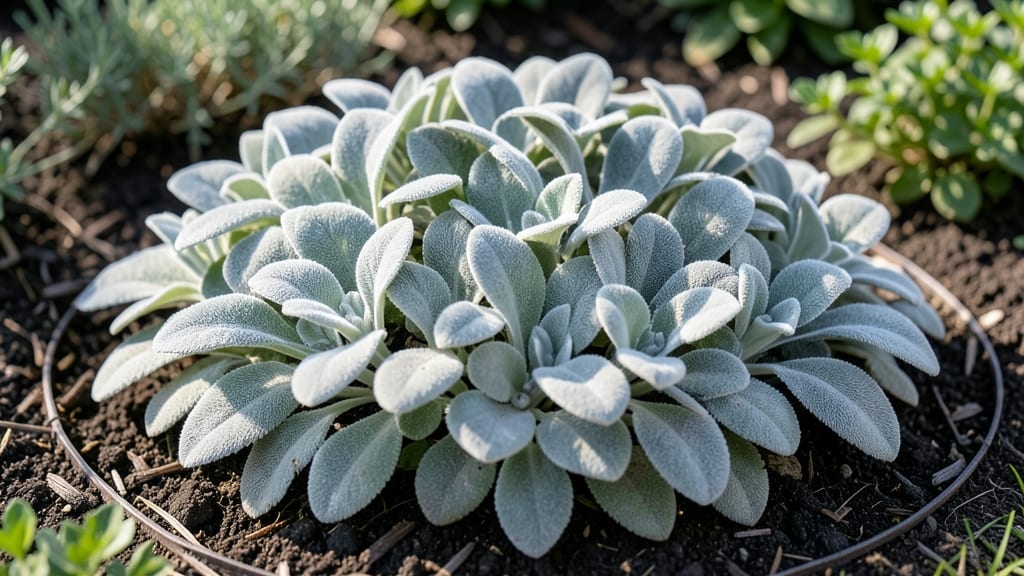
Growing Big Ears Lambs Ear transforms any garden into a velvety dream. 🌿 This frost-resistant plant thrives in containers or garden beds, offering silvery-gray foliage that feels like touching a cloud. The secret lies in its adaptability—it handles drought, cold snaps, and even poor soil better than most perennials.
Start with well-draining soil and full sun to partial shade. Plant in spring or early fall, spacing them 18-24 inches apart. Water lightly at first, then let the soil dry between waterings—this plant hates soggy roots.
The fuzzy leaves will spread naturally, creating a lush, textured carpet that keeps pests away.
By midsummer, your Lambs Ear will be a showstopper, its silvery foliage contrasting beautifully with other plants. Prune back in early spring to encourage fresh growth, and watch it bounce back after frost. The best part? It multiplies over time, giving you free plants to share with neighbors.
Perfect for borders, hanging baskets, or as a ground cover. Even beginners can't kill this plant—it’s that resilient. Once established, it’s nearly maintenance-free, making it ideal for busy gardeners or first-time growers.
📚 In This Guide
- What you need
- Instructions
- Tips and common mistakes
- Wrapping up and next steps
What you need
- ● Seeds or seedlings: Stachys byzantina ‘Big Ears’ (choose healthy, disease-free plants or certified organic seeds).
- ● Well-draining potting mix: 1–2 bags (for containers) or garden soil amended with compost (for in-ground planting).
- ○ Containers (optional but recommended for small spaces): 5–7" pots (for 1–2 plants each) or larger troughs for multiple plants.
- ● Drainage holes (if using containers).
- ● Fertilizer: Balanced, slow-release granular fertilizer (e.g., 10-10-10) or organic options like worm castings or fish emulsion.
- ● Watering can or hose with a gentle spray nozzle.
- ○ Gloves (optional but helpful) for handling prickly foliage.
- ● Mulch: Straw or shredded bark to retain moisture and suppress weeds.
- ● Slow-release fertilizer spikes for container plants.
- ● Plant markers to label your Lambs Ear (trust us, they’re easy to forget!).
- ● Pruning shears for shaping or dividing mature plants.
How to grow Big Ears Lambs Ear for lush, frost-resistant texture
This velvety plant thrives in containers and garden beds with minimal fuss—here's how to coax its signature fuzzy foliage to full glory.
🌱 Step 1: Select the Perfect Planting Site or Container
Big Ears Lambs Ear (Stachys byzantina) loves full sun to partial shade—at least 6 hours of sunlight daily—but tolerates morning sun with afternoon shade in hotter climates. In containers, choose pots with 6-8 inches of depth and drainage holes to prevent soggy roots. The plant's fuzzy leaves help it retain moisture, but it still needs well-draining soil to avoid rot.
For garden beds, amend heavy clay soil with 2-3 inches of compost to improve drainage. Lambs Ear thrives in USDA Zones 4-9, making it one of the few perennials that survives light frosts without damage. If planting in colder zones, place containers in a sheltered spot or mulch heavily to protect roots in winter.
🪴 Step 2: Prepare Soil and Plant with Proper Spacing
Mix 2 parts potting soil with 1 part perlite or coarse sand for containers to ensure aeration. In garden beds, work 2 inches of organic matter into the top 6 inches of soil—this plant dislikes compacted or waterlogged conditions. Lambs Ear spreads slowly but forms dense mats, so space plants 12-18 inches apart in garden beds or 1 plant per 6-inch container if growing singly.
Dig a hole twice as wide as the root ball but only as deep as the container's base. Gently remove the plant from its nursery pot and tease apart any circling roots. Place it in the hole, backfill with soil, and water deeply to settle roots. Avoid burying the crown—it should sit just above the soil line to prevent rot.
☀️ Step 3: Water and Fertilize for Optimal Growth
Water deeply once a week during the first growing season, allowing the top 2 inches of soil to dry between waterings. The fuzzy leaves help retain moisture, but overwatering leads to root rot—a common killer of Lambs Ear. Once established, it becomes drought-tolerant, so reduce watering to every 10-14 days in dry spells. Always water at the base to keep leaves dry and prevent fungal issues.
Fertilize lightly in spring with a balanced 10-10-10 formula at half strength. Too much nitrogen encourages leafy growth at the expense of the plant's signature texture. I skip fertilizer in containers unless the plant looks pale or leggy—Lambs Ear often thrives on neglect once established.
✂️ Step 4: Prune and Maintain for Year-Round Beauty
Deadhead spent flower spikes in early summer to redirect energy into lush foliage growth. The fuzzy leaves may brown slightly in winter, but new growth emerges in spring. Shear back one-third of the plant in early spring to encourage bushier, denser foliage. Lambs Ear spreads slowly but can become invasive in ideal conditions—cut back straggling stems to maintain its neat, mounded shape.
Divide mature clumps every 3-4 years in early spring to rejuvenate the plant. Lift the entire root ball, separate sections with a clean knife, and replant immediately. This prevents the center from becoming bare and ensures vibrant new growth. Lambs Ear is deer-resistant, making it a great low-maintenance choice for problem areas.
⏰ Step 5: Overwinter for Next Season's Growth
In Zones 4-5, mulch plants with 3-4 inches of straw or shredded leaves after the first frost to insulate roots. In containers, move pots to a protected location like against a south-facing wall or under an eave. Lambs Ear often dies back to the ground in winter but regrows from the roots in spring—don’t panic if it looks dormant.
Prune back any dead or damaged foliage in late winter before new growth appears. The plant’s frost resistance makes it one of the first perennials to emerge in spring, often breaking dormancy by late March or early April in most climates. With proper care, a single planting can provide decades of velvety texture in your garden.
Tips & tricks for perfect Big Ears Lambs Ear growth
Took me a while to figure these out, so here goes—these are the details that'll give you that signature velvety texture year after year.
Sunlight Strategy: In Step 1, when selecting your planting site, pay special attention to the 6 hours of sunlight requirement. Morning sun with afternoon shade works beautifully in hotter climates, but if you're in a cooler zone, aim for full sun exposure. The fuzzy leaves develop their signature texture when they receive consistent light—if you notice your plant stretching or looking sparse, it's likely not getting enough sun. A simple trick is to observe your yard throughout the day: if a spot gets sun for at least half the daylight hours, it's perfect for Lambs Ear.
Soil Mix Secret: For containers mentioned in Step 2, don't skimp on the perlite or coarse sand—it's what prevents those dreaded soggy roots. I've found that adding a handful of horticultural charcoal to your 2:1 potting soil mix can work wonders for preventing fungal issues. The charcoal helps keep the soil loose and absorbs any excess moisture that could lead to rot. This is especially helpful if you're growing in containers where drainage can sometimes be inconsistent.
Watering Wisdom: The deep watering once a week guideline in Step 3 is crucial, but timing matters too. Water in the early morning so the fuzzy leaves have all day to dry out. Wet leaves left overnight are prone to fungal diseases, which can quickly turn your velvety plant into a sad, brown mess. I've learned this the hard way—after seeing my first Lambs Ear plant develop brown spots from overwatering, I now make watering timing a priority.
Pruning Payoff: When you shear back that one-third of the plant in early spring as mentioned in Step 4, don't be afraid to get aggressive with your pruning. This is when you'll see the most dramatic improvement in density and texture. The key is to cut just above a set of leaves or a bud—this encourages new growth from the base. I always prune on a dry day when the plant is dormant, which minimizes stress and gives it a strong start for the growing season.
Pro Tips for Big Ears Lambs Ear
- Took me a while to figure these out, so here goes—these are the details that'll give you that signature velvety texture year after year.
- Sunlight Strategy: In Step 1, when selecting your planting site, pay special attention to the 6 hours of sunlight requirement.
- Soil Mix Secret: For containers mentioned in Step 2, don't skimp on the perlite or coarse sand—it's what prevents those dreaded soggy roots.
Frequently asked questions
Got questions about growing big ears lambs ear? You’re not alone! This frost-hardy plant is a favorite, but it’s natural to have a few concerns—especially if you’re new to container gardening or cold climates. Below, we’ve rounded up the most common questions (and answers) to help you grow lush, velvety foliage with ease.
What’s the best way to grow big ears lambs ear in containers?
Big ears lambs ear thrives in containers with well-draining soil and partial shade. Use a pot at least 12 inches wide with drainage holes, and mix in perlite or sand for aeration. Keep the soil consistently moist but never soggy—overwatering can cause root rot. A terracotta pot is ideal for heat retention in cooler climates!
How cold can big ears lambs ear handle?
One of its superpowers! This plant is frost-resistant down to 20°F (-7°C), making it perfect for early spring or late fall planting. For extra protection in harsh winters, mulch the soil with straw or use a frost cloth at night. In containers, move pots to a sheltered spot or bring them indoors if temperatures drop below 15°F (-9°C).
Can I propagate big ears lambs ear from cuttings?
Take 4–6 inch stem cuttings in spring or early summer, remove the lower leaves, and dip the ends in rooting hormone (optional). Plant in a mix of perlite and peat moss, keep humid with a plastic bag, and place in bright, indirect light. Roots should form in 3–4 weeks. Pro tip: Use a heating mat to speed up rooting!
What pests should I watch for with big ears lambs ear?
While generally pest-resistant, big ears lambs ear can attract aphids, spider mites, or slugs. Check the undersides of leaves regularly. For aphids, spray with soapy water; for slugs, use copper tape around containers. If spider mites appear, increase humidity with a mist bottle or introduce ladybugs as natural predators.
Are there any alternatives to big ears lambs ear for cold climates?
If you love the velvety texture but want variety, try:
For edible alternatives, consider Swiss chard or kale, which also handle frost well!
Wrapping up and next steps
Big Ears Lambs Ear isn’t just a charming addition to your garden—it’s a low-maintenance, frost-hardy superstar that thrives in containers and beds alike! Whether you’re a seasoned gardener or just starting out, this textured beauty brings easy elegance and resilience to any space.
Ready to elevate your greenery? Grab your seeds or cuttings today and watch your garden transform with this versatile, cold-loving plant! 🌿✨
- Next step: Start with a small pot or garden patch—Big Ears Lambs Ear grows fast and rewards patience with lush, velvety foliage!
- Pro tip: Share your progress with fellow plant lovers for extra motivation!