
Vegetables
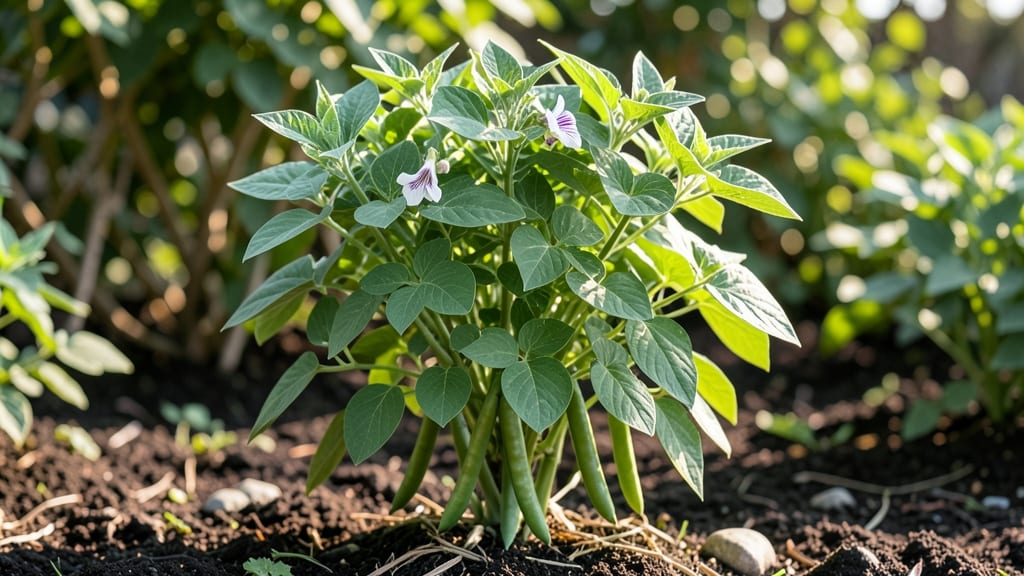
Growing Blue Lake bush green beans means 50 days to a harvest that rivals any store-bought pod—if you nail the stakes and spacing. 🌱 I learned the hard way that these beans need support, or they’ll sprawl into a tangled mess by midsummer.
The secret isn’t just the variety (though it’s a heavy producer); it’s how you set them up from day one. Start with well-draining soil rich in compost—these beans hate soggy roots—and plant seeds 1 inch deep, 4 inches apart in rows spaced 18 inches apart.
A 3-foot-tall stake or trellis per plant keeps pods clean, straight, and easy to pick. Water at the base (never overhead) to prevent mildew, and watch for Japanese beetles—they’ll skeletonize leaves faster than you can say “harvest.”
By late June, you’ll be snapping 12-inch pods every other day, their crisp texture and buttery flavor beating anything from a can. The plants keep producing until frost, and if you let a few mature, you’ll get flat beans perfect for shelling.
Just don’t skip the stakes—trust me, the difference is night and day. Works in containers too (5-gallon pots with stakes), and thrives in partial shade if your summers are scorching. Here’s how to avoid the three mistakes that kill yields—before you even plant.
📚 In This Guide
- What you need
- Instructions
- Tips and common mistakes
- Wrapping up and next steps
What you need
- ● Blue Lake Bush Bean Seeds: 1–2 lbs (enough for a 10x10 ft. patch; ~100–150 seeds per pound). Opt for heirloom or organic seeds for best results.
- ● Well-draining potting mix or garden soil: 2–3 cubic feet (amend with compost for fertility). Test soil pH (6.0–7.0 ideal).
- ● Fertilizer: Balanced 10-10-10 or 5-10-10 granular fertilizer (1 tbsp per plant at planting).
- ● Organic option: Composted manure or fish emulsion (follow package rates).
- ● Watering supplies: Drip irrigation or soaker hose (prevents fungal diseases).
- ● Watering can (for seedlings).
- ● Garden stakes or trellis: 2–3 ft tall (1 per plant; bamboo or metal works best).
- ● Gloves & knee pads: For comfortable planting/harvesting.
- ○ Pruners or scissors: For trimming (optional but handy for maintenance).
- ○ Row cover or shade cloth: (Optional) For early planting or pest protection.
- ● Sunlight: Full sun (6–8+ hours daily).
- ● Spacing: 4–6 inches apart in rows 18–24 inches apart.
- ● Last frost date: Wait until soil is at least 60°F (beans are frost-sensitive!).
How to grow Blue Lake bush green beans with sturdy support
These beans thrive with minimal fuss—just a few key steps for a bountiful harvest.
🌱 Step 1: Prepare the Soil and Plant Seeds
Blue Lake bush beans love well-drained, fertile soil with a pH between 6.0 and 7.0. Work in 2-3 inches of compost or aged manure into the top 6 inches of soil to improve drainage and nutrient availability. These beans are sensitive to cold, so wait until soil temperatures reach at least 60°F before planting—use a soil thermometer to check.
Plant seeds 1 inch deep and 3-4 inches apart in rows spaced 18-24 inches apart. I like to use a small hand trowel to make individual holes—this prevents overcrowding and makes thinning easier later. If you're planting in a container, use a 5-gallon pot or larger, with at least 2 plants per container. Water gently after planting to settle the soil around the seeds.
🪴 Step 2: Install Support Stakes Early
Blue Lake bush beans grow 3-4 feet tall when fully supported, but they’ll sprawl if left unsupported. Install 5-foot stakes or a tomato cage at planting time—6 inches deep to ensure stability. Place stakes 6 inches away from the plant to avoid damaging roots when watering. For rows, use twine or garden twine stretched between stakes to create a trellis—this keeps plants upright and makes harvesting easier.
If you’re using individual stakes, tie the main stem loosely to the stake with soft twine or a fabric strip when the plant reaches 6 inches tall. Avoid tight ties—they can girdle the stem as the plant grows. I like to use cloth strips because they’re gentler than plastic or wire.
☀️ Step 3: Water and Fertilize for Maximum Yield
Keep the soil evenly moist but not soggy—Blue Lake beans need 1-1.5 inches of water per week, either from rainfall or irrigation. Water at the base of the plant in the morning to prevent fungal diseases. Avoid wetting the leaves, especially later in the day when humidity is high. Mulch with 2-3 inches of straw or grass clippings to retain moisture and suppress weeds.
Fertilize lightly 3-4 weeks after planting with a balanced, low-nitrogen fertilizer (like 5-5-5). Too much nitrogen encourages leafy growth at the expense of pods. I use a slow-release granular fertilizer spread around the base, followed by a light watering to activate it. Stop fertilizing once pods begin forming—excess nitrogen can reduce yield.
✂️ Step 4: Prune and Harvest for Continuous Production
Harvest begins 50-55 days after planting when pods are 4-6 inches long and crisp. Check plants every 2-3 days—beans left too long on the plant become stringy and tough. Use clean pruning shears to snip pods at the stem, being careful not to damage the plant. This encourages more flowers and pods to develop.
Pinch off any flower buds that appear after the first harvest if you want larger pods. If you prefer smaller, sweeter beans, let a few pods mature fully on the plant—this signals the plant to produce more flowers. Remove any yellowing or diseased leaves immediately to prevent spread. Deadhead spent flowers to redirect the plant’s energy into pod production.
⏰ Step 5: Extend the Season with Succession Planting
For a continuous harvest, plant a second crop 2-3 weeks after the first—Blue Lake beans thrive in cool weather and tolerate light frosts. Choose a variety with a shorter maturity time (45-50 days) for fall plantings. In warm climates, use shade cloth (30-50%) during peak summer heat to prevent bolting and improve pod quality.
Pull up plants when pods stop producing or leaves yellow—this clears space for fall crops like kale or spinach. Save seeds from your best plants by allowing 2-3 pods per plant to mature fully on the vine. Dry seeds indoors on a paper towel for 1-2 weeks before storing in a cool, dark place for next year’s garden.
Tips & tricks for growing sturdy Blue Lake bush beans
A few key insights that'll transform your garden into a green bean powerhouse.
Soil Temperature Check: That 60°F soil temperature threshold isn't just arbitrary—it's when your seeds will finally wake up from their winter nap. I've seen seeds planted too early just sit there for weeks, waiting for warmth. Use that soil thermometer religiously, especially in spring when mornings are still chilly. If you're in doubt, wait another week rather than risking slow germination. The difference between a thriving plant and a sad, stunted one often comes down to those few degrees.
Staking Strategy: The 6-inch distance between stakes and plants might seem generous, but trust me on this—it prevents root damage when you inevitably water too enthusiastically. I learned this the hard way after knocking over half my plants during my first watering session. For container growers, use stakes that're at least 3 feet tall (even though the plants will only reach 3-4 feet) to give yourself room to maneuver when harvesting. And never, ever tie those plants too tightly—their stems will grow and thicken, and a tight tie will act like a tourniquet.
Watering Wisdom: The 1-1.5 inches of water per week isn't just about quantity—it's about timing. Morning watering gives leaves time to dry completely, preventing fungal diseases that thrive in damp conditions. I've had entire rows of beans develop rust simply because I watered in the evening. Pro tip: Use a rain gauge or mark your watering can to measure exactly how much you're giving your plants. Too much water is just as bad as too little—it leads to root rot and stunted growth.
Harvest Hack: Those crisp pods between 4-6 inches? That's your sweet spot. But here's what nobody tells you—check for the "snap test" before harvesting. Pick a pod and gently bend it—if it snaps cleanly, it's ready. If it bends without snapping, wait another day. I've found this method more reliable than just measuring, especially when dealing with inconsistent growing conditions. And always harvest with clean pruning shears—dirty blades can introduce diseases to your plants.
Pro Tips for Blue Lake Bush Green Beans
- A few key insights that'll transform your garden into a green bean powerhouse.
- Soil Temperature Check: That 60°F soil temperature threshold isn't just arbitrary—it's when your seeds will finally wake up from their winter nap.
- Staking Strategy: The 6-inch distance between stakes and plants might seem generous, but trust me on this—it prevents root damage when you inevitably water too enthusiastically.
Frequently asked questions
Got questions about growing Blue Lake bush green beans? You’re not alone! Here are some of the most common queries—plus quick, no-nonsense answers to help you crush your harvest.
How tall do Blue Lake bush beans grow, and do they need trellising?
Blue Lake bush beans typically reach 3–5 feet tall but stay compact compared to pole varieties. While they don’t require trellising, staking (with sturdy bamboo or metal stakes) can improve airflow, reduce disease risk, and make harvesting easier. For bush varieties, plant stakes at the same time as seeds—about 1–2 inches deep—to avoid disturbing roots later.
When is the best time to plant Blue Lake bush beans for a fall harvest?
For a fall crop, aim to plant 80–90 days before your first frost date. In warm climates (zones 8–10), you can even plant in late summer (August–September) for a winter harvest. Cool-season varieties like Blue Lake thrive in 50–85°F soil temps, so avoid planting when nighttime temps dip below 50°F—they’re frost-sensitive!
Can I eat Blue Lake beans raw, or do they need to be cooked?
Yes! While fully mature Blue Lake beans are best cooked (they’re sweeter and more tender), young pods (3–4 inches long) can be eaten raw in salads for a crisp, fresh flavor. For the best texture, harvest when pods are firm but still bright green. Overripe beans turn woody—snip ‘em early!
What pests or diseases should I watch for with bush beans?
Blue Lake bush beans are relatively pest-resistant, but keep an eye out for:
- Bean beetles: Handpick adults or use neem oil for larvae.
- Japanese beetles: Shake plants over a bucket of soapy water in the morning.
- Powdery mildew: Improve airflow with spacing (12–18 inches apart) and avoid overhead watering.
What’s a good alternative if I can’t grow Blue Lake bush beans?
If space or climate is an issue, try these high-yielding alternatives:
- Contender bush beans: Similar flavor, slightly more disease-resistant.
- Blue Lake pole beans: Need trellising but produce longer (great for small gardens).
- Dragon Tongue beans: Striking purple pods that turn green when cooked—fun and flavorful!
Wrapping up and next steps
Growing Blue Lake bush green beans is a rewarding journey that delivers fast, flavorful harvests with minimal fuss! 🌱 With just sturdy stakes, rich soil, and a little patience, you’ll enjoy crisp, tender beans in under two months—perfect for fresh eating, freezing, or sharing with neighbors.
Whether you’re a beginner or a seasoned gardener, these hardy plants are a game-changer for small spaces or containers.
Ready to dive in? Start by gathering your supplies—then plant, nurture, and watch your garden thrive! 🌿 Happy growing!