
Vegetables
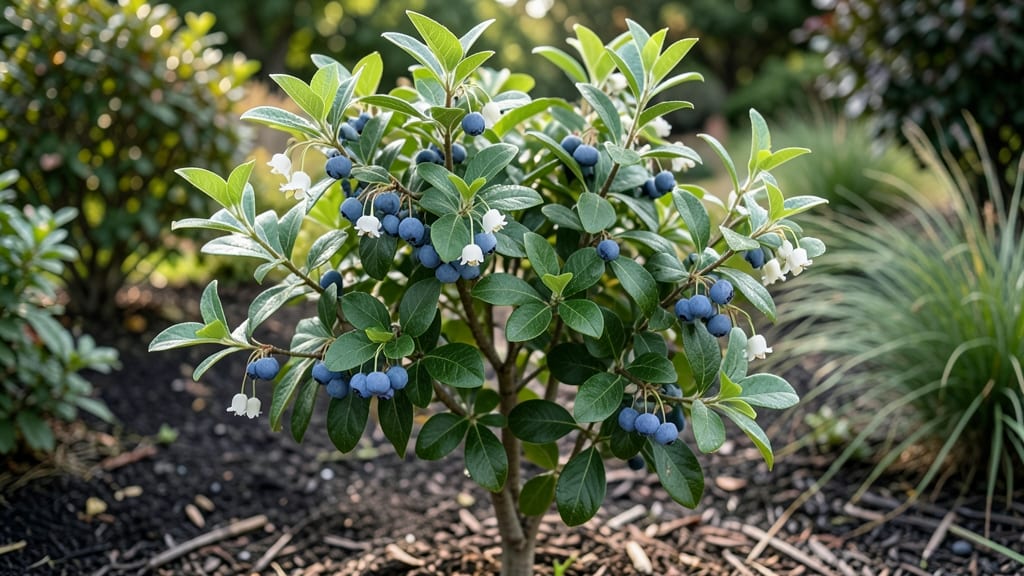
Maryland’s blueberry bushes thrive with the right varieties—rabiteye and southern highbush—that handle our 5-9 zones like champs. 🌿 I planted mine in early spring after amending the soil, and now I’m harvesting sweet berries from June through August.
The key? Acidic soil, consistent moisture, and a little winter protection for tender varieties.
First, test your soil—Maryland’s clay-heavy dirt needs a pH of 4.5-5.5 for happy bushes. Mix in peat moss or pine fines if needed, and mulch heavily to keep roots cool. Plant in full sun, spacing bushes 6-10 feet apart, and water deeply after planting.
Varieties like ‘Duke’ or ‘Premier’ do best inland, while coastal areas can try ‘Climax’ for salt tolerance.
By late winter, you’ll prune out dead wood and shape the bush for airflow—this keeps diseases at bay and boosts next year’s harvest. Maryland’s humid summers mean watch for blueberry maggots; use row covers early or trap them with apple cider vinegar.
With proper care, your bushes will fruit for 15+ years, outlasting many garden trends.
Local nurseries like Growers Supply or Maryland’s University Extension offer soil tests and variety recommendations tailored to your microclimate. Start small with 2-3 bushes (they need cross-pollination), and soon you’ll be freezing jars of berries for winter—no store-bought needed.
📚 In This Guide
- What you need
- Instructions
- Tips and common mistakes
- Wrapping up and next steps
What you need
- ● Blueberry plants: Choose cold-hardy varieties like 'Bluecrop,' 'Patriot,' or 'Jersey' (3–5 plants for cross-pollination; 1–2 per variety if self-pollinating). Buy from local nurseries or online suppliers.
- ● Well-draining, acidic soil (pH 4.5–5.5): Peat moss or pine bark fines (5–10 bags, 2–3 cubic feet each)
- ● Sulfur or aluminum sulfate (1–2 lbs to amend alkaline soil)
- ● Compost or aged manure (2–3 bags for organic matter)
- ● Planting site: Full sun (6+ hours daily) or partial shade (especially in hot Maryland summers)
- ○ Raised beds (optional but recommended for poor soil; 12–18" deep)
- ● Mulch: Pine straw or wood chips (2–3 cubic feet; avoid cedar mulch, as it’s toxic to blueberries).
- ● Fertilizer: Acid-loving plant fertilizer (e.g., Miracle-Gro Azalea, Camellia & Rhododendron; 1–2 bags per season).
- ● Watering supplies: Drip irrigation system or soaker hoses (recommended for consistent moisture)
- ● Watering can or hose (for initial planting and hand-watering)
- ● Pruning tools: Bypass pruners (sharp and clean)
- ● Loppers (for thicker branches)
- ● Garden gloves (to protect hands from thorns)
- ○ Protective barriers (optional but helpful): Bird netting (for fruit protection during ripening)
- ● Frost cloth (for young plants in early spring/late fall)
- ● Soil test kit: To monitor pH levels (available at garden centers; test soil every 2–3 years in Maryland’s alkaline regions).
- ● Blueberry plant food: Slow-release granules (e.g., Espoma Blueberry Tone) for nutrient boosts.
- ● Trellis or stakes: For support if bushes grow tall (especially in windy areas).
- ● Organic pest control: Neem oil or insecticidal soap (for aphids or spider mites).
- ● Wheelbarrow or garden cart: For easy transport of soil amendments and mulch.
Planting blueberry bushes in Maryland: a seasonal guide
Maryland’s climate demands smart choices—here’s how to select and establish cold-hardy blueberry varieties for reliable harvests.
🌱 Step 1: Choose the Right Varieties for Maryland’s Climate
Maryland’s USDA zones 5-7 require varieties that tolerate winter lows down to -10°F while thriving in humid summers. Southern highbush types like ‘Premier’ or ‘Star’ handle Maryland’s heat, but for true cold-hardiness, opt for northern highbush varieties like ‘Bluecrop’ or ‘Patriot’. These produce reliably even after harsh winters.
Check your specific microclimate—coastal areas benefit from salt-tolerant ‘Duke’, while inland regions excel with ‘Jersey’ or ‘Chester’. I always verify chill hours (600-900) match local winter patterns to avoid poor fruiting. Nurseries like Maryland Blueberry Growers offer region-specific rootstocks pre-adapted to local soil pH.
🪴 Step 2: Prepare the Planting Site for Acid-Loving Berries
Blueberries demand acidic soil (pH 4.5-5.5)—Maryland’s native clay often runs too alkaline. Test your soil before planting; amend with sulfur (1 lb per 100 sq ft) or peat moss to lower pH. I dig a 2-foot-deep hole, mix in 2 parts native soil with 1 part peat moss and 1 part sand for drainage.
Space bushes 5-6 feet apart in full sun—Maryland’s summers need maximum light for fruit set. Plant in early spring (March-April) when soil warms to 50°F but before buds swell. Water deeply at planting to eliminate air pockets, then mulch with 3 inches of pine needles to maintain acidity and retain moisture.
☀️ Step 3: Establish Proper Watering and Fertilizing Routines
First year, water 2-3 times weekly to keep soil moist but not soggy—Maryland’s summer heat stresses young roots. Use drip irrigation to avoid wetting foliage (prevents fungal diseases like botrytis). Fertilize in early spring with ammonium sulfate (1 lb per 100 sq ft)—blueberries need nitrogen but hate alkaline fertilizers.
After fruiting, switch to acid-loving 10-10-10 in late summer. I prune spent canes in winter (after harvest) to encourage new growth. Watch for yellow leaves—a sign of iron deficiency or incorrect pH. Adjust with chelated iron if needed, but re-test soil annually to maintain pH 4.8-5.2 for optimal yields.
✂️ Step 4: Prune and Protect for Maryland’s Extreme Seasons
Prune in late winter (February) before buds swell—remove dead wood and crossing branches to improve airflow. Thin canes to 6-8 strong stems per bush to focus energy on fruit production. Maryland’s late frosts can damage blossoms, so I cover bushes with frost cloth during last-frost dates (mid-April) if flowers appear.
In summer, watch for bird damage—use netting over ripe clusters. Harvest when berries turn deep blue and pull free (June-July for early varieties, August-September for late). Spread 1 inch of mulch annually to insulate roots during Maryland’s freeze-thaw cycles and suppress weeds.
⏰ Step 5: Plan for Year-Round Care and Pest Management
Fall is critical—apply 1 inch of compost after harvest to replenish nutrients. Monitor for spider mites (common in Maryland’s dry spells) and treat with neem oil if webs appear. Winterize by watering deeply before first freeze to prevent root desiccation. I wrap young bushes with burlap in harsh winters to protect bark from sun scald.
Spring brings spring feeding—top-dress with cottonseed meal (high nitrogen) in March. Thin fruit clusters to 1 inch apart for larger berries. Maryland’s humidity encourages powdery mildew, so I spray baking soda solution (1 tbsp per gallon) preventatively. With consistent care, your bushes will produce 5-10 lbs of berries per plant within 3-4 years.
Tips & tricks for thriving Maryland blueberry bushes
Maryland’s unique climate can make or break your blueberry harvest—these insights will help you navigate the challenges and maximize your yields.
Variety Selection Matters: When choosing between northern highbush varieties like ‘Bluecrop’ or ‘Patriot’ for cold-hardiness and southern highbush types like ‘Premier’ for heat tolerance, consider your specific microclimate. Coastal areas thrive with salt-tolerant ‘Duke’, while inland regions excel with ‘Jersey’ or ‘Chester’. I’ve found that nurseries like Maryland Blueberry Growers offer region-specific rootstocks pre-adapted to local soil conditions, which can save you from trial and error. Always verify your bushes meet the 600-900 chill hour requirement—this is non-negotiable for reliable fruiting in Maryland’s winters.
Soil Preparation is Non-Negotiable: Maryland’s native clay often tests too alkaline for blueberries, which demand acidic soil between pH 4.5-5.5. Don’t skip the soil test! I’ve seen growers overlook this crucial step and struggle with poor yields. When amending, mix in 1 lb of sulfur per 100 sq ft or use peat moss—this is the foundation for healthy plants. The 2-foot-deep planting hole with that precise 2:1:1 soil-to-peat-to-sand ratio creates the perfect environment for root establishment. Remember, proper drainage is just as critical as acidity.
Watering Wisdom for Maryland Summers: The 2-3 times weekly watering recommendation in Maryland’s summer heat is a guideline, not a rule. I monitor soil moisture daily during heatwaves—blueberry roots need consistent moisture but will suffer in soggy conditions. Drip irrigation is your best friend here; it delivers water directly to roots without wetting foliage, which helps prevent fungal diseases like botrytis that thrive in Maryland’s humidity. Early morning watering gives plants time to dry before evening humidity peaks.
Seasonal Care Calendar: Maryland’s extreme seasons demand year-round attention. Mark your calendar for February pruning before buds swell—this timing is critical for airflow and fruit production. In mid-April, have frost cloth ready for late frosts that can devastate blossoms. Summer bird damage is inevitable without netting, so protect ripe clusters as soon as they appear. The annual 1-inch compost application in fall and spring feeding with cottonseed meal in March create that perfect nutrient cycle blueberries crave. These seasonal checkpoints keep your bushes productive for decades.
Pro Tips for Blueberry Bushes Maryland
- Maryland’s unique climate can make or break your blueberry harvest—these insights will help you navigate the challenges and maximize your yields.
- Coastal areas thrive with salt-tolerant ‘Duke’, while inland regions excel with ‘Jersey’ or ‘Chester’.
- Soil Preparation is Non-Negotiable: Maryland’s native clay often tests too alkaline for blueberries, which demand acidic soil between pH 4.5-5.5.
Frequently asked questions
Got questions about growing blueberry bushes in Maryland?
Here are answers to the most common ones—from planting tips to troubleshooting—so you can enjoy a bountiful harvest!
What are the best blueberry varieties for Maryland’s climate?
Maryland’s zones 5-7 thrive with cold-hardy varieties like Bluecrop (reliable, high-yielding), Patriot (disease-resistant), or Duke (early-season). For southern MD, Chester or Jersey work well. Always pick northern-highbush types—they handle frost better than southern varieties!
When is the best time to plant blueberry bushes in Maryland?
Plant in early spring (March–April) or fall (October–November) for best root establishment. Avoid extreme heat or frost. Bare-root plants need soil temperatures above 40°F—check local frost dates! If buying potted bushes, plant as soon as possible after purchase.
Do blueberry bushes need acidic soil? How do I test/fix it?
Yes!
Blueberries require soil pH 4.5–5.5 (test with a home soil kit). If your soil is too alkaline, amend with peat moss, sulfur, or pine needles. Re-test in 2–3 months. Pro tip: Use cottonseed meal as a slow-release fertilizer to maintain acidity!
Why aren’t my blueberry bushes producing fruit? Troubleshooting tips.
Common culprits:
- Age: Bushes need 2–3 years to bear fruit.
- Pollination: Most varieties are self-pollinating, but bees help! Plant a second bush nearby if yields are low.
- Pruning: Over-pruning or cutting old wood reduces fruit. Prune in late winter to open the canopy.
- Nutrients: Lack of phosphorus/potassium? Use a balanced fertilizer (like 10-10-10) in early spring.
Still no fruit? Check for bird damage (use netting) or disease (like mummy berry).
Can I grow blueberries in containers in Maryland?
Absolutely! Use a 12–18 inch pot with acidic potting mix (like 50% peat moss + 50% pine bark). Choose dwarf varieties like Top Hat or Peach Sorbet™. Place in full sun and water daily—containers dry out fast! Rotate pots yearly for even growth.
Wrapping up and next steps
Growing blueberry bushes in Maryland is a rewarding adventure that brings sweet, juicy harvests straight to your doorstep—even in cooler climates! With the right cold-hardy varieties and a little care, you’ll enjoy year-round benefits, from fresh snacks to stunning garden aesthetics.
Whether you’re a seasoned gardener or just starting, now’s the perfect time to plant and watch your bushes thrive.
Ready to dive in? Start by selecting your variety—like the ‘Bluecrop’ or ‘Patriot’—and mark your calendar for spring planting. Your future blueberry patches (and taste buds!) will thank you. 🌱💙