
Vegetables
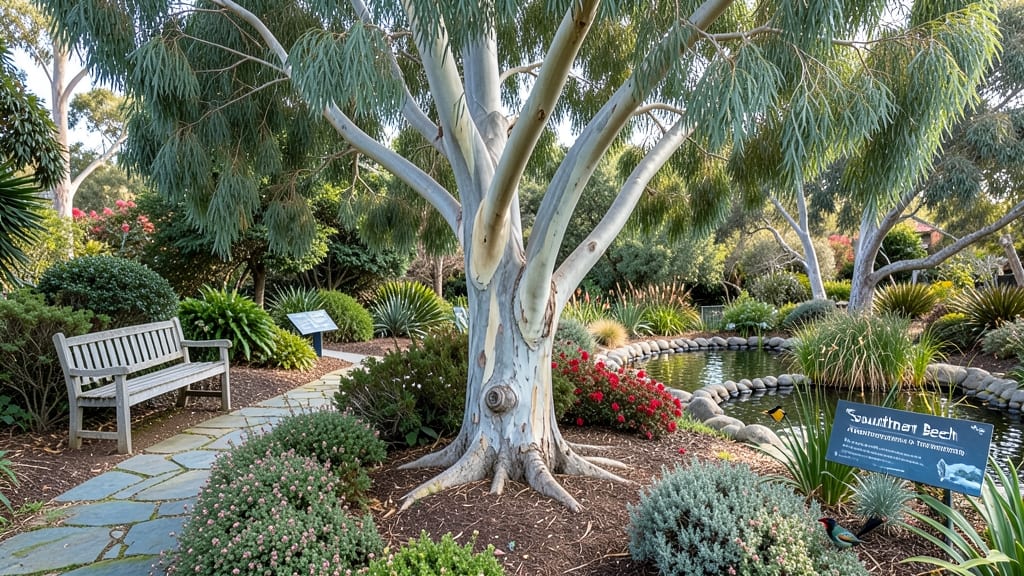
The Royal Tasmanian Botanical Gardens in Hobart transforms every visit into a fragrant journey through time. 🌿 Its herb garden alone holds over 500 varieties—lavender that hums with bees, rosemary that smells like a Tuscan hillside, and lemon myrtle with its bright, citrusy punch.
This isn’t just a garden; it’s a living textbook where you can touch, smell, and learn from plants that thrive in Tasmania’s unique climate.
What makes it special is how the garden blends history with modern design. The fragrant perennial beds are arranged by scent and season, so you get year-round color—vibrant purple salvias in spring, golden oregano in summer, and evergreen thyme holding its shape through winter.
The layout encourages exploration, with winding paths that lead you past rare herbs like mountain pepperbush and Tasmanian native mint.
You’ll leave with ideas for your own garden—whether it’s creating a sensory pathway, mixing culinary and ornamental herbs, or simply understanding how to layer plants for continuous blooms. The garden’s free public events, like herb workshops and guided tours, make it a hub for local gardeners too.
For visitors, the best time to go is early morning when the air is cool and the scents are strongest. Pack a notebook—you’ll want to sketch those perfect perennial combinations or jot down which herbs attract the most pollinators.
It’s the kind of place that sparks ideas for even the smallest backyard.
📚 In This Guide
- What you need
- Instructions
- Tips and common mistakes
- Wrapping up and next steps
What you need
- ● Soil & Amendments: 10–15 bags of well-draining potting mix (50L bags, organic blend preferred)
- ● 5 kg of compost (for nutrient-rich soil)
- ● 2 kg of perlite or coarse sand (for aeration)
- ● Perennial Herbs (Climate-Adapted for Hobart): 5–10 plants of lavender (e.g., ‘Grosso’ or ‘Munstead’)
- ● 3–5 plants of rosemary (upright varieties like ‘Arp’)
- ● 3–5 plants of thyme (creeping or lemon thyme)
- ● 3–5 plants of oregano (hardy Mediterranean types)
- ● 2–3 plants of sage (purple or golden varieties)
- ● 1–2 plants of mint (contain in pots to prevent spreading!)
- ● Tools: 1 garden trowel (for precise planting)
- ● 1 hand fork (to loosen soil)
- ● 1 pruning shears (for shaping plants)
- ● 1 watering can (2–3 gallons, with a rose attachment)
- ● 1 measuring tape (for spacing plants 12–18 inches apart)
- ● Prerequisites: Access to a sunny, sheltered spot (6+ hours of sunlight daily)
- ● Approval from Botanical Gardens Tasmania staff (check local guidelines for garden plots)
- ● Basic knowledge of perennial herb care (or willingness to learn!)
- ● Mulch (3–5 bags of pine bark or straw to retain moisture)
- ● Edging stones (to define garden beds neatly)
- ● Compost tea or seaweed fertilizer (for a nutrient boost)
- ● Decorative labels (for identifying herbs)
- ● Drip irrigation kit (if watering consistently is a challenge)
Creating fragrant perennial beds inspired by Hobart’s botanical gardens
Hobart’s Botanical Gardens prove how fragrant perennials transform spaces into sensory havens. Here’s how to design your own year-round aromatic display.
🌿 Step 1: Select Climate-Adapted Fragrant Perennials
Choose plants that thrive in Hobart’s maritime climate—cool summers, mild winters, and high humidity. Lavender, rosemary, and Russian sage tolerate coastal winds, while lemon balm and mint thrive in shaded corners. I always include at least three height layers: tall backdrops (like lavender), mid-height fillers (thyme, oregano), and low-spreading ground covers (creeping thyme, ajuga).
Check each plant’s bloom time—mix early spring bloomers (like sweet woodruff) with summer (rosemary) and fall (anise hyssop) varieties to ensure continuous fragrance. The Botanical Gardens’ success comes from this layered approach; you’ll notice the scent carries through seasons when plants overlap.
☀️ Step 2: Design Beds for Sunlight and Scent Distribution
Most fragrant perennials need 6+ hours of sun daily, but Hobart’s afternoon fog can reduce sunlight. Place taller plants on the north side of beds to prevent shading. I sketch a rough layout first, marking where morning sun hits (ideal for moisture-sensitive herbs) and where afternoon warmth lingers (perfect for drought-tolerant lavender).
Arrange plants in odd-numbered groupings (3, 5, or 7) for natural visual flow—this mimics the Botanical Gardens’ winding paths. Leave 18-24 inches between plants to allow airflow, which prevents fungal diseases and intensifies scent. You’ll see the difference in fragrance when plants aren’t crowded.
🪴 Step 3: Prepare Soil for Drainage and Nutrient Retention
Hobart’s sandy soils drain quickly, so I amend beds with 3 inches of compost and 1 inch of coarse sand to improve structure. Test soil pH—most fragrant herbs prefer 6.0-7.0, while lavender thrives in slightly alkaline 7.0-8.0. If your soil is heavy clay, mix in 20% perlite to prevent waterlogging.
Dig a 6-inch deep trench around the bed’s perimeter to create a slight basin. This encourages water to pool in the center, where roots need it most, while keeping edges dry. Mulch with 2 inches of pine bark to suppress weeds and retain moisture—just avoid piling mulch against plant stems.
💧 Step 4: Plant and Water for Establishment
Dig holes twice as wide as the root ball but only as deep. Gently loosen roots if they’re circling and place plants so the top of the root ball sits ½ inch below soil level. Backfill with native soil mixed with compost, pressing lightly to remove air pockets. Water deeply until soil 6 inches down feels damp—this ensures roots make contact with moisture.
After planting, water every 2-3 days for the first 2 weeks, keeping soil consistently moist but not soggy. You’ll know you’re doing it right when the soil surface looks slightly damp but not glistening. Avoid overhead watering to prevent fungal spores from settling on leaves.
✂️ Step 5: Maintain for Year-Round Fragrance
Deadhead spent blooms regularly to encourage new growth and prevent self-seeding (which can crowd out your design). Prune leggy stems in early spring to promote bushier, more fragrant foliage. I shear back lavender by ⅓ after flowering to maintain its compact shape and scent intensity.
Fertilize lightly in spring with a balanced organic fertilizer (10-10-10), but avoid heavy feeding—fragrant plants often suffer from overly rich soil. Instead, top-dress with compost each fall. You’ll notice the strongest scent in the morning, so plan your garden visits (or tea-picking) for early hours.
Tips & tricks for perfect fragrant perennial beds
These practical insights will help you recreate Hobart’s lush, aromatic displays in your own garden—without the common pitfalls.
Layering for Scent Continuity: The three-height approach (tall, mid, low) isn't just visual—it creates scent layers. Place your strongest-scented plants (like lavender) at the back where they won't get shaded, and tuck delicate varieties (like lemon balm) in front. I've found that when morning sun hits the front row first, those early bloomers release their fragrance before the day gets too warm. This sequential release keeps your garden smelling fresh all day.
Soil pH Precision: That 6.0-7.0 range for most herbs is critical, but lavender's 7.0-8.0 preference is often overlooked. Test your soil before planting—Hobart's native soils can vary dramatically even within small areas. I've seen lavender struggle in slightly acidic soil that thrives other plants. If your test shows pH below 7.0, mix in crushed limestone at planting time to gently raise it over time.
Watering Wisdom: Those first two weeks are make-or-break for establishment. I've learned the hard way that "consistently moist" doesn't mean constantly wet. The soil should feel like a wrung-out sponge—damp but not dripping. Use a moisture meter if you're unsure; it's the only way to check 6 inches down where roots need hydration. Morning watering prevents fungal issues, and drip irrigation keeps water at root level where it's needed most.
Pruning Secrets: When shearing back lavender by ⅓ after flowering, I always use clean, sharp shears and make cuts just above a set of leaves. This encourages bushier growth and prevents woody stems. For other perennials, I wait until spring to prune leggy growth—cutting back too aggressively in fall can stimulate new growth that won't survive winter. The key is timing: prune when new growth is just beginning to appear.
Pro Tips for Botanical Gardens Hobart Tasmania
- These practical insights will help you recreate Hobart’s lush, aromatic displays in your own garden—without the common pitfalls.
- Layering for Scent Continuity: The three-height approach (tall, mid, low) isn't just visual—it creates scent layers.
- Soil pH Precision: That 6.0-7.0 range for most herbs is critical, but lavender's 7.0-8.0 preference is often overlooked.
Frequently asked questions
Got questions about Hobart’s botanical gardens and their fragrant perennial beds? You’re not alone! Here are some of the most common inquiries—plus quick, helpful answers to make your visit (or planning) a breeze.
What’s the best time of year to visit the herb garden in Hobart’s botanical gardens?
The herb garden thrives year-round, but spring (September–November) and early autumn (March–May) offer the most vibrant colors and fragrances. Summer (December–February) is ideal for sun-loving herbs like rosemary and lavender, while winter (June–August) showcases hardy perennials like thyme and oregano. Weekdays are less crowded than weekends!
Are the botanical gardens in Hobart accessible for visitors with mobility challenges?
Yes! The gardens feature paved paths and wheelchair-friendly routes, including the herb garden. A free accessibility map is available online, and staff can assist with navigating slopes. Service animals are also welcome. Call ahead for specific needs: +61 3 6233 6160.
How much does it cost to enter the botanical gardens, and are there discounts?
Entry is free for all visitors! However, donations are welcome to support maintenance. Discounts apply for Tasmanian residents (via the Tasmanian Government) and group tours (10+ people). Check for seasonal events—some may require tickets (e.g., Herb Festival in November).
Can I pick herbs from the botanical gardens for personal use?
While the gardens are not a public harvest zone, staff occasionally offer harvest workshops (check their event calendar) where you can learn sustainable foraging. For fresh herbs, visit nearby farmers’ markets like Salamanca Market (Saturdays) or local nurseries like Hobart Herbs.
Are there photography restrictions in the herb garden?
No restrictions! The gardens encourage photography for personal use. For commercial shoots, contact the gardens in advance (+61 3 6233 6160). Drone use requires a CASA permit. Pro tip: Golden hour (early morning/late afternoon) captures the best light for fragrant herbs like lavender and rosemary.
What should I do if the herb garden looks closed or under maintenance?
Check the official website or call +61 3 6233 6160 for updates. Maintenance usually happens weekdays between 8 AM–10 AM. Alternatives nearby include:
- Montevideo Gardens (5 min drive): Features a scented garden with similar perennials.
- Tasmanian Herb Farm (15 min drive): Offers guided tours and herb sales.
- Royal Tasmanian Botanical Garden (20 min drive): Larger collection with themed gardens.
Wrapping up and next steps
Exploring the botanical gardens in Hobart, Tasmania, especially the fragrant perennial beds, offers a sensory journey that blends nature’s beauty with year-round color and aroma.
Whether you’re a gardening enthusiast or simply seeking inspiration, these lush spaces prove that even cooler climates can thrive with the right plants—and they’re just waiting for you to visit!
Ready to dive deeper? Plan your trip—pack a notebook, snap some photos, and maybe even sketch a few ideas for your own garden. Who knows? You might leave with not just memories, but a newfound passion for botanical wonders! 🌿✨