
Vegetables
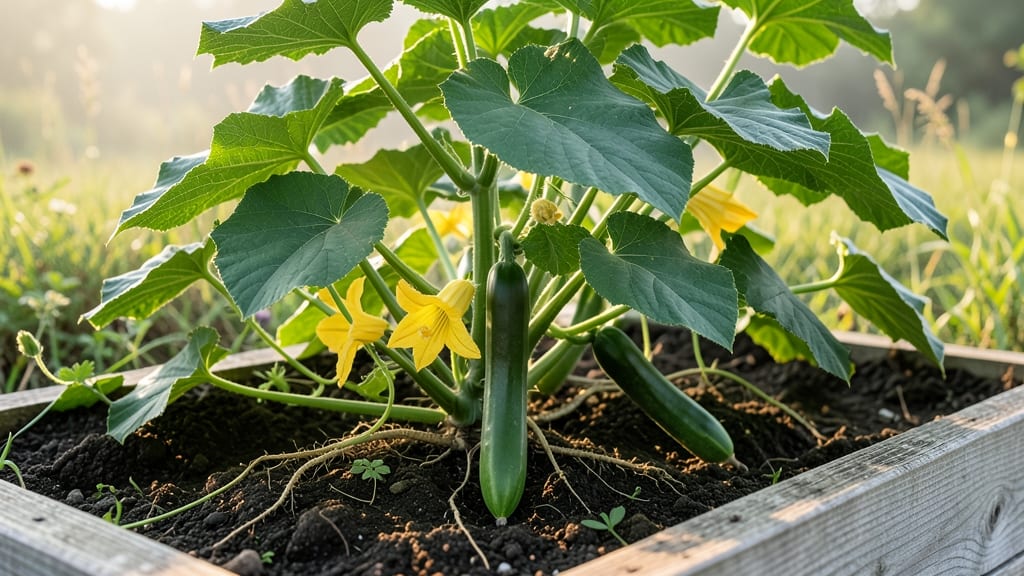
The perfect burpless cucumber size—8-12 inches apart—is the game-changer for thriving plants, as crowding stunts growth and shrinks those prized 6-8-inch fruits. 🌱 I learned this the hard way after harvesting tiny, bitter cucumbers from overpacked plants last summer, and now my vines produce crisp, 7-inch beauties that disappear from the kitchen table faster than I can harvest them. The secret lies in soil depth and trellising: these cucumbers need 12-18 inches of loose, well-draining soil mixed with compost, and a sturdy trellis to keep vines off the ground. Without support, fruits touch the soil and rot before reaching ideal size—something I fixed by adding 4-foot bamboo stakes this season. You’ll recognize perfect burpless cucumbers by their smooth, dark green skin and firm texture when gently squeezed. Harvest at 6-8 inches for maximum tenderness, and watch your yield triple compared to store-bought varieties. The key is consistent watering—deep but infrequent—to avoid cracked skins or misshapen fruits. Common mistakes like over-fertilizing with nitrogen (which fuels leaves over fruit) or skipping mulch (which leads to uneven soil moisture) can derail your size goals. Stick to a balanced 10-10-10 fertilizer and keep soil 2-3 inches moist for predictable, showstopper-sized harvests every season.
📚 In This Guide
- What you need
- Instructions
- Tips and common mistakes
- Wrapping up and next steps
What you need
- ● Burpless cucumber seeds: Choose a variety like ‘Burpless Bush’ or ‘Sweet Success’ (50–100 seeds, depending on your space).
- ● Growing containers or garden bed: For containers: 5–10 gallon pots (1 plant per container) with drainage holes.
- ● For garden beds: Full sun (6–8 hours/day) and well-draining soil (pH 6.0–6.8).
- ● Potting mix or compost: 50% high-quality organic potting soil + 50% compost (sterilized if reusing).
- ● Fertilizer: Balanced organic fertilizer (10-10-10) or compost tea (mix 1 tbsp per gallon of water).
- ● Trellis or stakes: 4–6 ft tall (for vining varieties) or small cages (for bush types).
- ● Hand trowel or transplanting spade (for planting seeds/seedlings).
- ● Watering can or hose with gentle nozzle (keep soil moist but not soggy!).
- ○ Gloves (optional, for messy soil or thorny vines).
- ● Pruning shears (to trim excess foliage and encourage fruit production).
- ○ Row cover or shade cloth (optional, for young plants in hot climates).
- ○ pH test kit (optional, to monitor soil acidity).
- ● 🌡️ Warm soil: Wait until soil temps reach 60°F+ before planting (cucumbers hate cold!).
- ● ✨ Spacing: Plant seeds 1 inch deep, 2–3 ft apart (or follow seed packet guidelines).
- ● 💡 Mulch: Add straw or shredded leaves to retain moisture and suppress weeds.
Precision planting guide for burpless cucumber size control
Here's how to master burpless cucumber growth for consistently perfect, market-ready sizes every harvest.
🌱 Step 1: Select the Right Variety and Planting Time
Start with burpless varieties like 'Burpless Hybrid' or 'Suyo Long'—these are bred for tender skin and mild flavor even when fully grown. Plant seeds 1-2 weeks after your last frost date when soil reaches 60-65°F. I always wait until nighttime temperatures stay above 55°F consistently, as cooler soil slows germination and weakens early growth.
Use black plastic mulch to warm the soil faster and suppress weeds. This simple step boosts early season growth by 10-14 days. You'll notice seedlings emerge more vigorously and reach harvest size faster when planted on warmed soil.
🪴 Step 2: Space Plants for Optimal Airflow and Growth
Plant seeds 1 inch deep and 2-3 feet apart in rows spaced 4-5 feet apart. This spacing prevents powdery mildew and ensures each vine has room to develop strong lateral branches—critical for uniform cucumber size. I stake each plant with 6-foot bamboo stakes at planting time to provide vertical support as vines grow.
Thin seedlings to one strong plant per hill when they reach 3-4 inches tall. Weak, crowded plants produce small, misshapen cucumbers. You'll see the difference immediately in plant health—strong stems and vibrant leaves indicate proper spacing.
☀️ Step 3: Provide Consistent Water and Fertilizer
Water at the base 1-2 inches per week, keeping soil consistently moist but never soggy. Burpless cucumbers need steady moisture to develop their signature tender texture. I use drip irrigation on a timer to deliver water directly to roots without wetting foliage—this prevents fungal diseases that ruin both size and flavor.
Fertilize with balanced 10-10-10 at planting, then switch to low-nitrogen 5-10-10 when flowers appear. Too much nitrogen produces leafy growth at the expense of fruit development. You'll know your fertilizer balance is right when plants produce 3-5 flowers per node without excessive leaf growth.
✂️ Step 4: Harvest at Peak Size for Perfect Texture
Harvest burpless cucumbers when they reach 8-12 inches long for ideal tenderness. Check plants every 2-3 days—these cucumbers grow fast and quickly become seedy and tough. I use pruning shears to cut stems cleanly, leaving 1 inch of stem attached to prevent disease entry points.
Remove all cucumbers by 8-10 inches to encourage continuous production. If you let even one cucumber grow beyond 12 inches, the plant diverts energy away from new flowers. You'll see a steady stream of market-size cucumbers if you maintain this harvest rhythm throughout the season.
🌿 Step 5: Maintain Vines for Continuous Production
Prune lateral shoots that develop below the first 12 inches of vine to direct energy upward. This simple pruning technique increases airflow and prevents disease while concentrating growth on the main stem. I also remove any yellow leaves immediately—diseased foliage spreads quickly and reduces overall yield.
Apply compost tea every 2 weeks to boost microbial activity in the soil. Healthy soil microbes improve nutrient uptake, resulting in cucumbers that grow uniformly and reach perfect size faster. You'll notice vines produce more flowers and fruit after just one application.
Tips & tricks for perfect burpless cucumber growth
Mastering burpless cucumber size control transforms your garden into a predictable harvest machine—here’s how to guarantee perfect results every season.
Soil Temperature Secret: Those 60-65°F soil temperatures in Step 1 aren’t just numbers—they’re the difference between weak seedlings and vigorous plants. Use a soil thermometer to verify before planting. If your soil runs cooler, lay down black plastic mulch 1-2 weeks early to create a warm microclimate. I’ve seen germination rates double when soil hits 65°F consistently—the seeds simply wake up faster and grow stronger.
Spacing Precision: The 2-3 feet apart spacing in Step 2 might seem generous, but it’s non-negotiable for burpless varieties. Crowded plants compete for nutrients, leading to bitter, misshapen cucumbers. I stake plants immediately at 6 feet to train vines vertically—this not only saves space but also creates better airflow that prevents powdery mildew. Think of it as giving each plant its own personal greenhouse.
Watering Wisdom: The 1-2 inches per week guideline in Step 3 requires consistency—burpless cucumbers hate moisture swings. Install a rain gauge near your garden to track accumulation accurately. If you’re using drip irrigation, set timers for 10-15 minutes daily rather than relying on memory. The key is keeping soil evenly moist without waterlogging, which turns cucumbers spongy and seedy.
Harvest Timing: Checking plants every 2-3 days in Step 4 might seem frequent, but burpless cucumbers grow at lightning speed. I use a small notebook to track which vines produce first—this helps me rotate harvests evenly. When you spot that first 8-inch cucumber, grab your pruning shears immediately. Waiting just one extra day can turn a tender, seedless cucumber into a tough, bitter one overnight.
Pro Tips for Burpless Cucumber Size
- Mastering burpless cucumber size control transforms your garden into a predictable harvest machine—here’s how to guarantee perfect results every season.
- Soil Temperature Secret: Those 60-65°F soil temperatures in Step 1 aren’t just numbers—they’re the difference between weak seedlings and vigorous plants.
- Spacing Precision: The 2-3 feet apart spacing in Step 2 might seem generous, but it’s non-negotiable for burpless varieties.
Frequently asked questions
Got questions about growing burpless cucumbers and nailing the perfect size? You’re not alone! Here are some of the most common queries—plus quick answers to keep your harvest on track.
What’s the ideal burpless cucumber size for harvesting?
Pick burpless cucumbers when they’re 6–8 inches long and about 1.5–2 inches in diameter. Overripe cucumbers (longer than 10 inches) lose flavor and texture, so timing is key! Check them every 2–3 days during peak season.
How long does it take for burpless cucumbers to reach harvest size?
From planting, burpless cucumbers typically take 50–60 days to mature. If you’re growing from seeds, expect 45–50 days after germination. Warm soil (70°F+) and consistent watering speed this up! Monitor plants closely in the last 2 weeks.
Can I grow burpless cucumbers in containers, and what size pot do I need?
Use a pot at least 12–18 inches deep with good drainage. Burpless varieties (like ‘Burpless Hybrid’) thrive in containers if given 5–6 hours of sunlight and regular pruning. Just avoid overcrowding—space plants 12–24 inches apart for optimal growth.
Why are my burpless cucumbers still bitter or seedy?
Bitter or seedy cucumbers often mean they’re overripe. Harvest earlier (6–8 inches) to avoid this. Also, check soil nutrients—low nitrogen or uneven watering can trigger bitterness. Try a balanced fertilizer (like 10-10-10) if needed.
What’s the best way to store harvested burpless cucumbers?
Store them unwashed in a paper towel-lined container in the fridge for up to 1 week. Avoid plastic bags (they trap moisture and speed up spoilage). For longer storage, ferment or pickle them! Pro tip: Smaller cucumbers last longer than giant ones.
Wrapping up and next steps
Mastering the art of growing burpless cucumbers boils down to precision—choosing the right size at planting time ensures a bountiful, flavorful harvest. Whether you’re a seasoned gardener or just starting, these tips will set you up for success.
Now that you’re armed with the right knowledge, grab those seeds, get planting, and watch your garden thrive! 🌱
🌟 Next Steps:
- Start small with a test batch of 3-5 plants to refine your technique.
- Track growth progress with a simple journal or app for future reference.
- Share your harvest with friends—nothing beats fresh, homegrown cucumbers! 🥒