
Vegetables
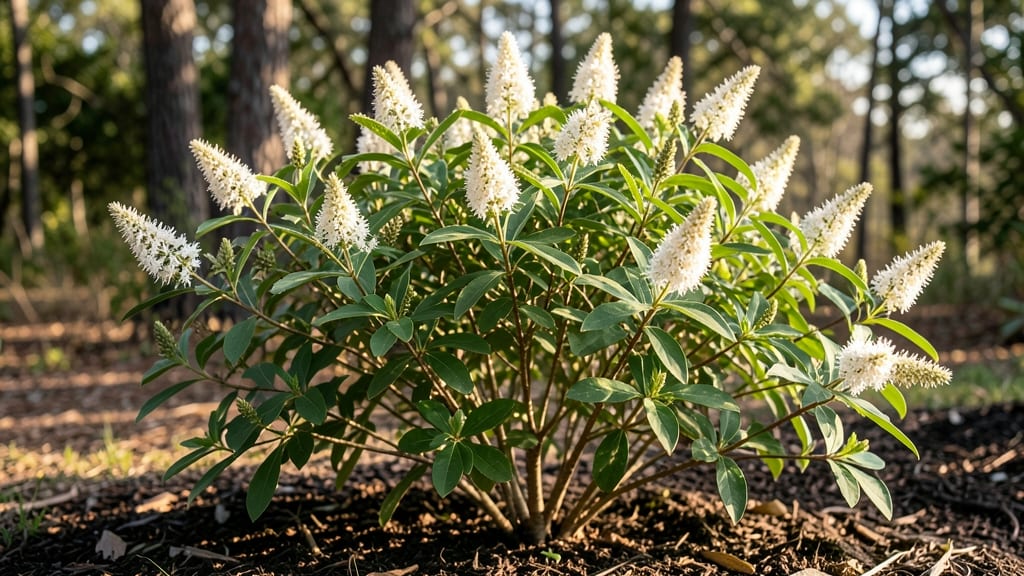
Your clethra shrubs can handle winter like a pro—frost-proof and still stunning when spring arrives. ✨ I’ve watched mine stand tall through snow and ice, their leaves turning a soft bronze that brightens gray winter days.
The key is knowing exactly when to prune, how much mulch to add, and what to watch for when the cold hits. Most gardeners make one big mistake: pruning in late winter instead of early spring. Clethra blooms on old wood, so cutting back too early removes next year’s flowers.
Instead, wait until late winter or early spring when you can see the branches clearly. A 3-inch layer of mulch around the base protects roots from freeze-thaw cycles, and a burlap wrap can save tender new growth if your winters get harsh.
By spring, you’ll have a shrub that’s already putting on fresh growth while others in your neighborhood are still struggling. The fragrance from summer blooms starts building now, and with proper care, your clethra will reward you with years of low-maintenance beauty.
Even in dormancy, it’s quietly preparing for another showstopping season.
Watch for winter burn—those crispy brown edges on leaves—usually a sign of too much sun or wind. A light layer of snow actually helps insulate the plant, so don’t brush it off unless it’s heavy enough to break branches.
If your clethra looks sad by late winter, a slow-release fertilizer in early spring will jumpstart its recovery without overwhelming it.
This shrub thrives in zones 4-9, making it one of the most reliable choices for year-round interest. Whether you’re in a cold northern climate or a mild winter region, clethra delivers—evergreen foliage in winter, fragrant blooms in summer, and zero fuss in between.
The secret? A little prep now means a shrub that outshines the rest of the garden all year long.
📚 In This Guide
- What you need
- Instructions
- Tips and common mistakes
- Wrapping up and next steps
What you need
- ● Pruning shears – Sharp, bypass-style (for clean cuts; 6–8" blades recommended).
- ● Gloves – Heavy-duty, gardening-grade (waterproof for wet winter soil).
- ● Mulch – 3–4 inches of organic mulch (e.g., shredded bark, pine straw, or compost).
- ● Watering can or hose – With a gentle spray nozzle (for hydration checks).
- ● Frost cloth or burlap – Lightweight (for young plants or severe climates; 3–4 ft wide).
- ○ Stakes or small hoops – Optional but helpful (to secure frost cloth; 18–24" tall).
- ● Garden twine – 10–15 ft (for tying frost cloth in place).
- ○ Soil moisture meter – Optional but useful (to monitor winter hydration).
- ● Check local frost dates – Time mulching before the first hard freeze (typically 4–6 weeks ahead).
- ● Skip synthetic mulches – They can trap too much moisture and suffocate roots.
- ● Test soil moisture – Clethras hate soggy roots; aim for slightly damp (not wet).
How to care for clethra shrubs during winter
Your clethra shrubs will survive winter with just a few simple steps—no fuss, no drama.
☀️ Step 1: Assess Light and Exposure Before Frost
Clethras handle cold well, but their location matters. If yours sits in a windy spot or gets blasted by winter sun, take action now. I always check for exposed roots or thin branches that might freeze—these are the first to suffer. A light layer of mulch (2-3 inches) around the base protects roots from temperature swings.
Don’t smother the plant—keep mulch 6 inches away from the trunk to prevent rot. If your shrub is young or small, drape a breathable frost cloth over it during hard freezes (below 15°F). This traps just enough warmth without trapping moisture that causes rot.
💧 Step 2: Water Deeply Before the Ground Freezes
Winter dormancy means less watering, but don’t let the soil dry out completely. Give your clethra a deep drink (1-2 gallons per shrub) 4-6 weeks before your first frost. This ensures roots stay hydrated through dry winter spells. After that, only water if the ground stays frozen for weeks—check by poking the soil with your finger.
Overwatering now is worse than underwatering. Soggy soil in cold weather stresses roots and invites fungal issues. If your area gets heavy snow, brush it off branches gently—too much weight can snap weak stems.
✂️ Step 3: Prune Dead or Damaged Growth in Late Winter
Wait until mid-to-late winter (after the worst cold passes) to prune. Dead branches are easy to spot—they’re brown, brittle, and snap when bent. Cut them back to healthy wood with clean, sharp pruners, making cuts at a 45-degree angle just above a bud or lateral branch.
This is also the time to shape the shrub lightly if needed. Clethras bloom on old wood, so avoid heavy pruning—just tidy up. If you see any mummified buds (brown, shriveled growth), remove them to prevent disease spread.
🌿 Step 4: Monitor for Winter Stress Signs
Watch for brown leaf edges or wilting branches—these are red flags. If you see them, check the soil: is it bone-dry? Add a light layer of mulch and water slightly if the ground isn’t frozen. Clethras rarely need winter protection beyond this, but a light dusting of burlap on young plants helps in extreme cold snaps.
Don’t panic if leaves yellow slightly—this is normal as the plant adjusts. New growth will emerge in spring. If you notice blackened stems or oozing sap, you’ve got a fungal issue. Prune affected areas immediately and avoid watering until the problem clears.
⏰ Step 5: Plan for Spring with a Light Fertilizer Boost
While you’re not fertilizing in winter, mark your calendar for early spring (just as buds swell). A balanced, slow-release fertilizer (like 10-10-10) will wake up roots without burning them. Apply it 2-3 weeks before new growth starts—not earlier, or you’ll encourage tender shoots that freeze.
This is also the time to check for compaction around the base. If the soil feels hard, loosen it gently with a fork. Clethras thrive in well-draining soil, and compacted roots struggle to absorb moisture in spring.
Tips & tricks for frost-proof evergreen shrub care
Let me share the hard-won wisdom that keeps my clethras thriving through even the harshest winters.
Mulching Like a Pro: That 2-3 inch mulch layer in Step 1 isn't just decoration—it's insulation. I use shredded hardwood bark because it breaks down slowly and improves soil structure over time. For extra protection in Zone 5 or colder, add a second layer of mulch after the first snowfall, but keep it 6 inches away from the trunk to prevent moisture buildup. This creates a thermal blanket that maintains root zone temperatures above freezing.
Timing Your Watering: The 4-6 week window before frost is critical for that deep drink. I set a reminder in my phone for this task—it's easy to forget when temps start dropping. Use your finger to check soil moisture: if it's dry 2 inches down, it's time to water. For large shrubs, consider using a soaker hose to deliver that 1-2 gallon drink evenly without disturbing the soil surface. This prevents compaction that can occur with heavy watering.
Pruning Precision: When you're ready for Step 3's late winter pruning, I recommend using sterilized pruners and making cuts just above a bud or lateral branch at that 45-degree angle. This encourages new growth in the right direction. For stubborn deadwood, I cut back to the nearest healthy branch rather than guessing where the branch collar might be. And here's a pro move: collect those pruned branches and use them as mulch around the base—it's free protection and adds nutrients as it decomposes.
Winter Stress Detection: Those brown leaf edges in Step 4 often indicate winter burn from reflected sunlight. If you notice this, try moving the shrub slightly or adding a temporary shade screen during the brightest winter days. For wilting branches, the issue is usually dry soil—water lightly if the ground isn't frozen, but don't overdo it. A simple soil probe (just a long screwdriver) tells you everything you need to know about moisture levels without digging.
Pro Tips for Clethra In Winter
- Let me share the hard-won wisdom that keeps my clethras thriving through even the harshest winters.
- Mulching Like a Pro: That 2-3 inch mulch layer in Step 1 isn't just decoration—it's insulation.
- Timing Your Watering: The 4-6 week window before frost is critical for that deep drink.
Frequently asked questions
Got questions about keeping your Clethra thriving through winter?
You're not alone! Here are answers to the most common concerns—so you can enjoy its beauty all year long.
Is Clethra truly frost-proof, or do I still need to protect it?
Clethra alnifolia (summer sweet) is highly cold-hardy (USDA zones 3-9) and handles frost well, but young plants or harsh winters may need extra care. Mulch heavily with 3-4 inches of organic matter (like shredded bark) to insulate roots. Avoid plastic wraps—they trap moisture and can cause rot.
Will my Clethra lose leaves in winter, and should I be worried?
Most Clethra varieties are semi-evergreen—they’ll drop leaves in freezing temps but regrow them in spring. Don’t prune dormant plants (wait until late winter/early spring) to avoid stress. If leaves turn brown and crispy, it’s normal! Just remove them in spring for a fresh start.
Can I plant Clethra in late fall or winter for a spring surprise?
Yes! Clethra thrives when planted in late fall (6-8 weeks before first frost) or early spring. Winter planting works if the ground isn’t frozen—water deeply before the first hard freeze and mulch well. Avoid planting in extreme cold (below 20°F), as roots need time to establish.
Why are my Clethra leaves turning yellow or brown in winter?
Yellowing leaves often mean overwatering or poor drainage. Brown, crispy edges? Likely winter burn (dry air + wind). Solutions:
If mulching isn’t your style, try these low-maintenance options:
Most damage is cosmetic—new growth will replace it in spring!
Are there winter-care alternatives if I don’t want to mulch?
Pro tip: Even with alternatives, always prune dead branches in late winter to encourage healthy growth.
Wrapping up and next steps
Discovering how clethra thrives in winter transforms your garden into a year-round sanctuary—where fragrant blooms and lush foliage defy the cold! 🌿❄️ This frost-proof evergreen isn’t just resilient; it’s a low-maintenance superstar that rewards patience with beauty and ease.
Whether you’re a seasoned gardener or a curious beginner, clethra proves that winter doesn’t have to mean dull—just strategic care.
Ready to elevate your winter landscape? Start small: pick a variety that suits your climate, prep your soil, and watch as clethra becomes the hero of your outdoor space. Your winter garden awaits—plant with confidence! 🌟