
Vegetables
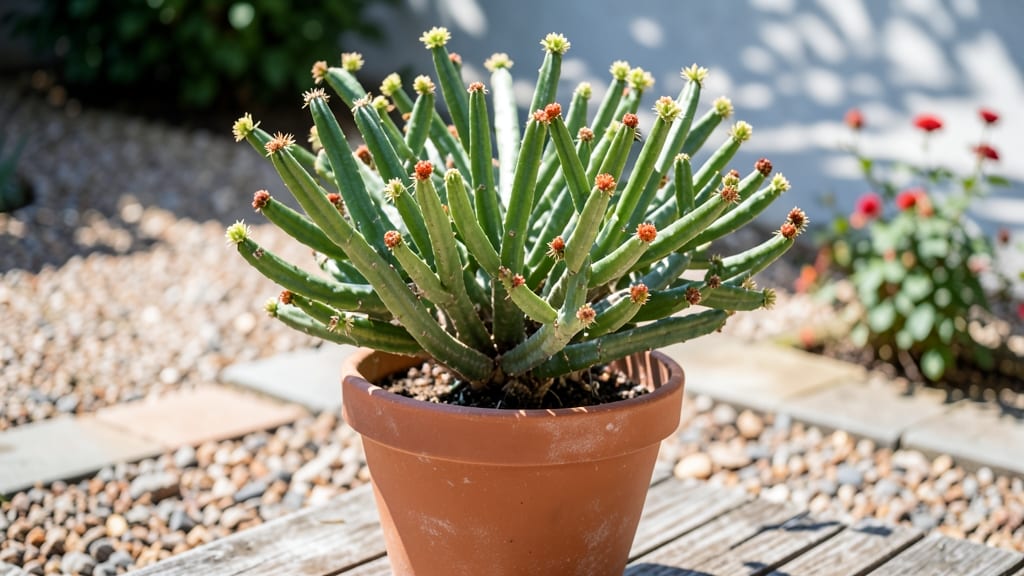
Growing crown of thorns gourds turns your yard into a living work of art—striped vines that regrow every season. 🌿 These bold climbers aren’t just productive; they’re conversation starters with their dramatic foliage and edible gourds.
I’ve grown them for three years now, and they’ve become my garden’s most reliable annuals, thriving even when other vines fail.
The secret lies in their tough, thorny stems—they handle neglect better than most plants, but they still need well-draining soil and full sun (at least 6 hours daily). Water deeply once a week, letting the soil dry between waterings, and watch those vines stretch toward the sky.
Prune in early spring to encourage bushier growth, and avoid overwatering—they hate soggy roots.
By midsummer, you’ll have glossy, striped leaves and clusters of small, edible gourds that ripen to a pale green. The real magic? These vines regrow from the roots every spring, so you’ll have fewer plants to start each year.
Perfect for trellises, fences, or even container growing—just give them space to sprawl.
They’re drought-tolerant once established, handle heat well, and even attract pollinators. If you love low-maintenance plants with high rewards, these are the vines for you. Here’s how to get them thriving in your garden!
📚 In This Guide
- What you need
- Instructions
- Tips and common mistakes
- Wrapping up and next steps
What you need
- ● Seeds or young plants: 5–10 crown of thorns gourd (Cucurbita ficifolia) seeds (or 2–3 starter plants for faster results)
- ● Pro tip: 💡 Opt for heirloom seeds for the boldest stripes!
- ● Growing containers or garden bed: Large pots (12+ inches deep) or a sunny garden spot with well-draining soil
- ● At least 10–15 square feet of space per plant (they spread!
- ● Soil: Well-draining, fertile soil with a pH of 6.0–7.0
- ○ Optional: Mix in compost (1–2 cups per planting hole) for extra nutrients
- ● Sunlight: Full sun (6–8+ hours daily)
- ● Watering tools: Watering can or hose with a gentle spray nozzle
- ○ Support structure (optional but helpful): Trellis, stakes, or cages (3–4 feet tall) to train vines upward
- ● Patience: Gourds take 90–120 days to mature!
- ● Warmth: Ideal soil temps of 70°F+ (start seeds indoors 4–6 weeks before last frost)
- ○ Optional but fun: Decorative mulch (straw or shredded leaves) to retain moisture
- ● Fertilizer (balanced 10-10-10 or compost tea) every 4–6 weeks
- ● Pruning shears (to trim excess vines and encourage fruit production)
How to grow crown of thorns gourds: a year-round vine wonder
Here's how I've grown these striking vines for years—bold stripes, easy regrowth, and minimal fuss.
🌱 Step 1: Start with Healthy Tubers in Early Spring
Crown of thorns gourds grow from tubers, not seeds, so begin by selecting firm, disease-free tubers from a reputable supplier. I like to soak mine in lukewarm water for 24 hours before planting to encourage faster sprouting. Choose a container with drainage holes or a well-draining garden bed—these plants hate soggy roots.
Plant tubers 2 inches deep in well-draining potting mix or sandy loam. Space them 12 inches apart to give the vines room to sprawl. Water lightly after planting, then wait until the soil feels dry 1 inch below the surface before watering again. This prevents rot while the tubers establish roots.
☀️ Step 2: Provide Warmth and Bright Light for Vigorous Growth
These vines thrive in full sun (6+ hours daily) and warm temperatures. I place mine in a south-facing window or under grow lights for 12-14 hours daily until all danger of frost has passed. If growing outdoors, wait until soil temperatures reach 65°F or warmer—cold soil delays sprouting.
You'll see new shoots emerge in 2-4 weeks, but don't rush to fertilize yet. Wait until vines reach 6 inches tall before applying a balanced 10-10-10 fertilizer at half strength. Over-fertilizing early leads to weak, leggy growth. Prune any yellow or wilted leaves immediately—they signal stress, not disease.
🌿 Step 3: Train Vines and Manage Growth Through Summer
Crown of thorns gourds grow aggressively, so I train mine along a trellis, fence, or use a sturdy cage to contain the sprawl. Gently tie vines to supports with soft plant ties as they grow—never pull them, or you'll damage the delicate stems. This keeps the plant upright and makes harvesting easier later.
Water deeply 2-3 times weekly during active growth, always at the base to avoid wetting leaves (which invites fungal issues). You'll know moisture is right when the soil feels damp 2 inches down but not soggy. Deadhead spent flowers to encourage more blooms and fruit production. The striped gourds develop in 3-4 months, starting as small, hard bumps along the vines.
⏰ Step 4: Overwinter Tubers for Next Year's Regrowth
When frost threatens in fall, cut back the vines to 4 inches above the soil and dig up the tubers carefully. Shake off excess soil and let them dry in a warm, shaded spot for 3-5 days. Store them in a cool (50-60°F), dry place like a basement or garage, wrapped in newspaper or in a mesh bag.
I label each tuber with the year and variety—after a few seasons, they all look the same! Replant in early spring, and you'll have another round of bold, striped vines. These tubers can live for 5+ years if stored properly, making crown of thorns gourds a true perennial in the right climate.
Tips & tricks for growing crown of thorns gourds
Here's what I learned after growing these striking vines for years—simple tricks to avoid common pitfalls and get bold stripes every time.
Soaking Secret: That 24-hour soak in lukewarm water before planting isn't just helpful—it's essential. I've found tubers soaked this way sprout within 7-10 days, while uns soaked ones take 2-3 weeks. Use room temperature water (not hot) and change it after 12 hours to prevent bacterial growth. This jumpstarts root development and gives you a head start on the growing season.
Lighting Strategy: For indoor growers, position your plants within 12 inches of grow lights to replicate full sun intensity. I've noticed that vines under grow lights for 12-14 hours daily grow just as vigorously as outdoor plants—just rotate them weekly so all sides get even light. South-facing windows work too, but supplement with artificial light during cloudy days to maintain that 6+ hours of direct light requirement.
Watering Wisdom: The "dry 1 inch below surface" test is your best friend. I've ruined several tubers by overwatering in the first month—always wait until that inch is completely dry before watering again. For potted plants, check moisture with your finger rather than relying on a schedule. Overwatering is the #1 reason tubers rot before they even sprout.
Overwintering Hack: When storing tubers for winter, I wrap them individually in newspaper before placing them in mesh bags. This prevents tubers from touching each other, which reduces rot risk. Label each bag with the variety and year—after 3-4 years, all your tubers start looking identical! Store them in a location with consistent 50-60°F temperatures, like a basement corner away from heating vents.
Pro Tips for Crown Of Thorns Gourd
- Here's what I learned after growing these striking vines for years—simple tricks to avoid common pitfalls and get bold stripes every time.
- Soaking Secret: That 24-hour soak in lukewarm water before planting isn't just helpful—it's essential.
- Lighting Strategy: For indoor growers, position your plants within 12 inches of grow lights to replicate full sun intensity.
Frequently asked questions
How long does it take for crown of thorns gourds to produce fruit?
These gourds are patient but rewarding! With proper care, expect first fruits in 6–8 months after planting. Vines mature slowly, but once established, they’ll regrow yearly—some even thrive for decades with minimal effort. Patience pays off with bold, striped gourds by late summer or fall.
Can crown of thorns gourds survive winter? How do I protect them?
Native to warm climates, these gourds are tender perennials—they’ll die back in frost but regrow from the roots if protected. In colder zones (USDA 8–11), mulch heavily with straw or leaves, or cover vines with frost cloth. In freezing temps (below 20°F), dig up tubers and store them in dry peat moss until spring.
What’s the best way to propagate crown of thorns gourds?
Start with seeds or tubers for the easiest success. Seeds take 10–14 days to sprout; soak them overnight to speed germination. For tubers, plant them 2–3 inches deep in spring after frost risk passes. Pro tip: Split large tubers into sections with at least one “eye” per piece to encourage faster growth.
Why aren’t my crown of thorns gourds growing? Common problems and fixes.
Slow growth often stems from poor drainage, overwatering, or low light. Ensure soil drains well (mix in perlite or sand), water only when the top inch is dry, and place vines in full sun (6+ hours/day). Yellow leaves? Check for root rot—reduce watering and improve airflow. Pests like aphids? Spray with neem oil or introduce ladybugs!
Are crown of thorns gourds edible? Can I use them decoratively?
While not commonly eaten (they’re bitter and fibrous), these gourds shine as ornamental centerpieces or dried art! Their striking stripes make them perfect for crafts, wreaths, or holiday decor. Fun fact: Some cultures ferment young shoots like okra—experiment if you’re adventurous!
Wrapping up and next steps
The crown of thorns gourd is a stunning, low-maintenance plant that rewards patience with striking foliage and edible fruit—plus it regrows yearly! Whether you’re drawn to its bold stripes or its resilience, this vine is perfect for adding drama to gardens, containers, or even vertical spaces. 🌿✨
Ready to dive in? Start by gathering your supplies, then plant with confidence—your garden (and future harvest) will thank you! Next up: Watch your vines climb, thrive, and surprise you with their tenacity. Happy growing!