
Vegetables
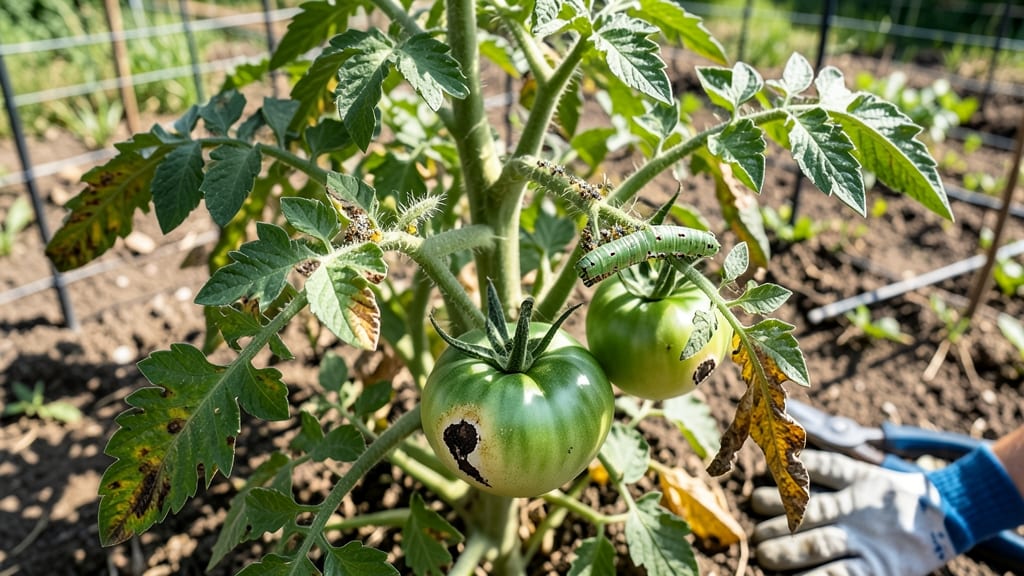
The dangers of tomatoes in your backyard might hide risks you never noticed—from toxic compounds in unripe fruit to diseases that wipe out plants overnight. 🌱 I've lost entire tomato cages to blight and nearly poisoned my family with green tomatoes, so I know firsthand how easy it is to overlook these dangers.
The good news? Simple prevention keeps your harvest safe and thriving.
Green tomatoes contain solanine, a natural toxin that causes stomach upset when eaten in large quantities. Meanwhile, fungal diseases like early blight turn leaves to crispy brown within days, and pests like hornworms can skeletonize plants overnight.
The key to prevention is vigilance: inspect plants weekly, remove damaged fruit immediately, and rotate crops yearly to break disease cycles.
With the right practices, you'll enjoy safe, delicious tomatoes all season long. Learn to spot early warning signs of trouble, choose disease-resistant varieties, and handle ripe fruit properly to avoid contamination. Your garden—and your dinner table—will thank you.
Whether you're a first-time gardener or a seasoned grower, these tips will help you avoid common pitfalls. From soil health to harvest timing, small adjustments make a big difference in keeping your tomato plants—and your family—safe.
📚 In This Guide
- What you need
- Instructions
- Tips and common mistakes
- Wrapping up and next steps
What you need
- ● Fresh tomatoes – 3–5 medium-sized (for testing or handling)
- ○ Organic tomatoes (optional, for comparison)
- ● Cutting board – Food-grade, non-porous (preferably bamboo or plastic)
- ● Sharp chef’s knife – 8-inch serrated or chef’s knife for clean cuts
- ● Stainless steel or ceramic knife sharpener – To maintain blade safety
- ● Food-safe gloves – Nitril or latex (for handling pesticides or contaminants)
- ● Spray bottle with water – For rinsing tomatoes thoroughly
- ● White vinegar or baking soda – 1 tbsp per quart of water (for natural cleaning)
- ○ pH test strips – Optional, for checking acidity levels in homemade sauces
- ● Food storage containers – Airtight, glass or BPA-free plastic
- ● Labeling markers – To track storage dates (if testing shelf life)
- ● UV sanitizer – For disinfecting surfaces (if concerned about microbial risks)
- ● Digital thermometer – To monitor cooking temperatures (if canning or blanching)
- ● Pesticide residue test kit – For advanced risk assessment (available online)
- ● Food dehydrator – If experimenting with dried tomato safety
- ● Allergen test strips – Rare but useful for severe tomato allergy testing
Hidden risks of tomatoes: safe handling and prevention
Tomatoes are garden staples, but these vibrant fruits carry risks beyond the obvious. Here’s how to handle them safely and recognize potential dangers.
🍅 Step 1: Identify Common Toxic Risks in Tomatoes
Tomatoes contain solanine, a natural toxin concentrated in the leaves, stems, and green parts. While ripe fruit is safe, ingesting green or sprouted tomatoes can cause nausea, headaches, or digestive upset. The risk is higher in unripe fruit or plants exposed to stress like extreme heat or poor soil.
Even the ripe fruit isn’t entirely risk-free. Some heirloom varieties contain higher levels of solanine, so always research your tomato type. If you’re growing from seed, check the variety’s reputation—some, like the Cherokee Purple, are generally safe, while others may carry higher risks.
✂️ Step 2: Handle Tomato Plants Safely to Prevent Contamination
Wear gloves when pruning or harvesting to avoid skin irritation from sap. The plant’s hairs can cause mild allergic reactions in sensitive individuals. Rinse harvested tomatoes thoroughly under cool water to remove dirt, pesticides, or residual sap that might harbor bacteria.
If you’re using pesticides, choose organic options like neem oil or insecticidal soap. Chemical sprays can leave residues that aren’t fully washed off, increasing exposure to harmful compounds. Always follow label instructions for application timing before harvest.
💧 Step 3: Store Tomatoes Properly to Avoid Spoilage Risks
Never refrigerate ripe tomatoes—the cold breaks down their cell structure, turning them mealy and dull in flavor. Instead, store them at room temperature (60-70°F) in a well-ventilated area, away from direct sunlight. Overripe tomatoes can ferment, producing alcohol and mold, which pose additional health risks.
Check for soft spots or mold regularly. Discard any tomatoes showing signs of spoilage immediately—even a small moldy section means the entire fruit should be tossed. Mold produces mycotoxins, which can cause allergic reactions or respiratory issues if inhaled.
🚨 Step 4: Recognize and Avoid Tomato-Related Illnesses
Tomatoes can carry bacteria like Salmonella or E. coli, especially if contaminated during growth or handling. Wash your hands before and after touching plants or fruit. Symptoms of contamination include stomach cramps, fever, or diarrhea—seek medical help if these occur within 48 hours of consumption.
If you’re growing in containers or raised beds, use sterilized soil to prevent bacterial buildup. Rotate crops annually to avoid soil-borne pathogens. Even organic tomatoes can harbor risks, so always practice good hygiene when handling them.
🌱 Step 5: Safe Cooking and Preparation Practices
Cooking reduces some risks, but it doesn’t eliminate them entirely. Blanching tomatoes before peeling or canning helps remove surface contaminants. Always use a food thermometer to ensure cooked tomato dishes reach 165°F—this kills most harmful bacteria.
When canning, follow tested recipes from trusted sources like the USDA. Improperly canned tomatoes can lead to botulism, a rare but deadly condition. Use new, high-quality jars and lids, and process in a pressure canner for low-acid varieties like Roma or beefsteak tomatoes.
Tips & tricks for safe tomato handling
Working with tomatoes safely doesn't have to be complicated—just a few key precautions make all the difference. Here's what I've learned from years of growing and preparing them.
Solanine Safety: The green parts of tomatoes contain solanine, which can cause digestive upset if consumed. When cutting tomatoes, always remove the core and any green areas completely. I've found that using a sharp knife makes this easier—dull blades crush the fruit, releasing more juice and increasing exposure to solanine. For heirloom varieties, double-check for any unusual green spots before using.
Pesticide Prevention: If you're growing your own tomatoes, I can't stress enough how important it is to follow pesticide label instructions carefully. The wait time between application and harvest is there for a reason—it allows chemical residues to break down. I've switched to neem oil completely after reading about how chemical residues can linger even after washing. For store-bought tomatoes, give them a thorough rinse under cool water before cutting, even if they're labeled organic.
Storage Wisdom: That 60-70°F storage range mentioned in Step 3 is critical—it's where tomatoes thrive without refrigeration. I keep mine on a wire rack in my kitchen where they get good airflow but aren't in direct sunlight. The key is to store them stem-side down to prevent rot from forming at the base. I've ruined several batches by storing them in the fridge or in sealed containers, which creates condensation that accelerates spoilage.
Cooking Caution: When blanching tomatoes for canning or cooking, I've found that a 30-second dip in boiling water followed by an ice bath removes more surface contaminants than you'd think. For canning, always use a pressure canner for low-acid varieties like Roma tomatoes—the 165°F temperature requirement isn't just a suggestion, it's a safety mandate that prevents botulism. I keep my canning supplies ready well before the season starts to avoid last-minute mistakes.
Pro Tips for Dangers Of Tomatoes
- Working with tomatoes safely doesn't have to be complicated—just a few key precautions make all the difference.
- Solanine Safety: The green parts of tomatoes contain solanine, which can cause digestive upset if consumed.
- Pesticide Prevention: If you're growing your own tomatoes, I can't stress enough how important it is to follow pesticide label instructions carefully.
Frequently asked questions
Got questions about tomatoes and their potential risks? You’re not alone! Here are some of the most common concerns—and clear answers to keep you informed.
Are tomatoes safe for everyone, or should some people avoid them?
While tomatoes are nutritious, certain groups should be cautious. People with oral allergy syndrome (reactions to raw fruits/veggies) or acid reflux may experience discomfort. If you have a solanine sensitivity (common in nightshades), opt for cooked tomatoes, which have lower levels.
Can tomatoes cause food poisoning? How do I prevent it?
Yes! Tomatoes can harbor Salmonella or E. coli, especially if contaminated during growth or handling. Always wash them thoroughly under running water, even if you plan to peel them. Avoid raw tomatoes if you’re pregnant, immunocompromised, or elderly—cooking them kills most bacteria.
Are tomatoes safe for babies and young children?
For babies under 6–8 months, tomatoes aren’t recommended due to their acidity and potential allergens. Once introduced, start with small amounts of cooked tomato (like paste or roasted slices) to monitor for reactions. Avoid raw tomatoes until age 1+ due to choking hazards and higher risk of botulism in infants.
What are some tomato alternatives if I’m avoiding them?
Need to swap tomatoes? Try these nutrient-packed substitutes:
- Bell peppers (for color/texture in salads)
- Zucchini or eggplant (in cooked dishes)
- Cucumber or avocado (for freshness in salsas)
- Sun-dried tomatoes (in moderation)—just check for added preservatives.
For acidity in sauces, lemon juice or vinegar works well!
How long do tomatoes last? Can I eat them if they’re moldy?
Store tomatoes at room temperature (not the fridge!) for up to 5–7 days. If they’re firm and unblemished, they’re safe. However, never eat moldy tomatoes—the mold can produce mycotoxins, which are harmful. Cut off only the moldy spot if it’s hard and deep (like in cheese), but tomatoes are too porous—discard the whole fruit if mold appears.
Wrapping up and next steps
While tomatoes are a nutritious and delicious addition to many meals, it’s clear they come with hidden risks—from allergic reactions to pesticide exposure and digestive sensitivities.
The key to enjoying them safely lies in proper handling, storage, and moderation, especially for high-risk groups like children, pregnant women, or those with allergies. 🌱
Don’t let these dangers discourage you—just stay informed and make mindful choices! Your next step? Audit your kitchen habits: wash tomatoes thoroughly, opt for organic when possible, and introduce them gradually if you’re new to them. Here’s to savoring tomatoes safely and healthily!