
Vegetables
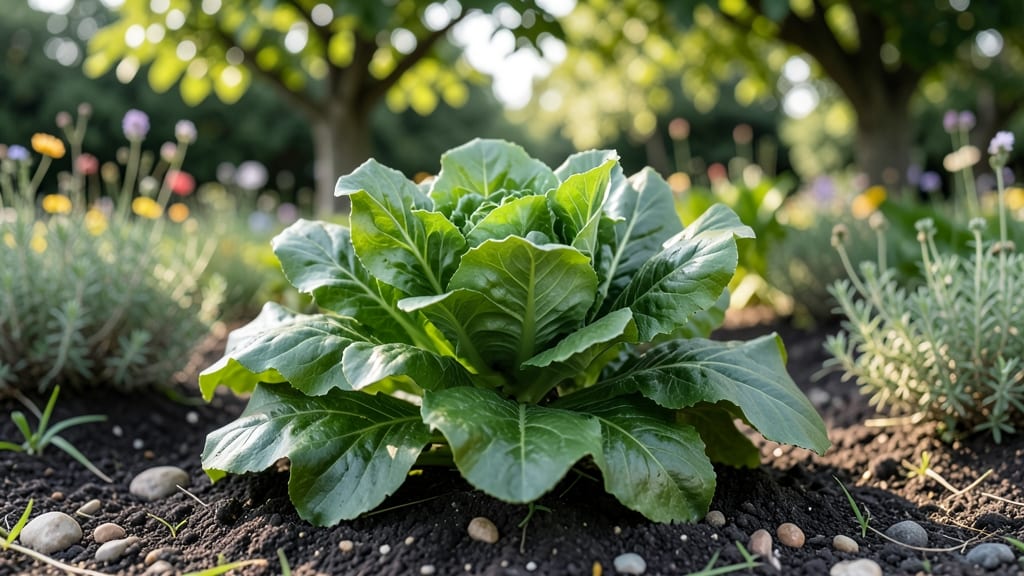
Growing dark green leaf lettuce is the easiest way to have fresh, crisp greens on your table in just 3-4 weeks—no matter how small your space. 🌱 I’ve grown it in everything from 5-gallon buckets to raised beds, and once you try it, you’ll never buy bagged salad again.
The secret lies in cool temperatures, consistent moisture, and a few simple tricks to prevent bolting before you’re ready to harvest.
The best part? You can grow it year-round in most climates—just adjust your timing for summer’s heat. Start with loose, well-draining soil (a mix of compost and potting soil works perfectly), and choose a spot that gets 4-6 hours of sunlight daily.
If you’re short on space, leaf lettuce thrives in containers as long as they’re at least 6 inches deep—ideal for balconies or windowsills. Varieties like Romaine and Buttercrunch are forgiving for beginners, while darker greens like Black Seeded Simpson add bold flavor.
By following a few key steps—like thinning seedlings to 2-3 inches apart and harvesting outer leaves first—you’ll enjoy cut-and-come-again harvests for weeks. The first batch will taste sweeter than anything from the store, with that perfect balance of crispness and earthy depth.
And if your plants start to bolt (that’s when they send up flower stalks), don’t panic—just pull them and replant for another round.
This method works for city gardens, suburban backyards, or even a sunny kitchen counter. Once you master it, you’ll wonder why you ever bought pre-washed bags. Let’s get those seeds in the ground—or at least in a pot!
📚 In This Guide
- What you need
- Instructions
- Tips and common mistakes
- Wrapping up and next steps
What you need
- ● Seeds: Dark green leaf lettuce variety (e.g., Black Seeded Simpson, Oakleaf, or Romaine). Start with 1–2 packets (about 50–100 seeds).
- ● Growing Containers: Deep pots (6–8" deep) or hanging baskets (for vertical gardening).
- ● Or, a raised bed or in-ground plot (minimum 6" soil depth).
- ● Growing Medium: Potting mix (sterile, well-draining blend with compost). 1–2 bags (1–2 cubic feet) per container.
- ○ Optional: Coco coir or perlite (for improved aeration).
- ● Fertilizer: Balanced organic fertilizer (e.g., 5-5-5 or 10-10-10). 1–2 tbsp per container at planting.
- ○ Optional: Slow-release granules or liquid seaweed extract for extra nutrients.
- ● Basic Gardening Tools: Hand trowel or small transplanting spade.
- ● Spray bottle (for watering seedlings).
- ○ Gloves (optional but recommended).
- ● Watering Supplies: Watering can with a fine rose nozzle (to avoid disturbing seedlings).
- ● Or a drip irrigation system (for larger setups).
- ● Light Source: Sunny windowsill (4+ hours of sunlight daily).
- ● Or a grow light (LED or fluorescent, 12–16 hours/day for indoor setups).
- ● Climate Control (Indoor Growing): Thermometer/hygrometer (ideal temp: 50–75°F).
- ○ Optional: Heating mat (for cooler climates).
Step-by-step instructions for growing dark green leaf lettuce
Here's how to cultivate crisp, flavorful dark green leaf lettuce in just a few simple steps—no greenhouse required.
🌱 Step 1: Prepare the Growing Space
Dark green leaf lettuce thrives in cool temperatures (60-65°F) and partial shade, making it perfect for containers or garden beds. If growing in pots, choose 6-inch deep containers with drainage holes—lettuce roots are shallow but need airflow to prevent rot. I use lightweight fabric pots because they dry out faster and reduce transplant shock.
Fill containers with high-quality seed-starting mix (never garden soil—it compacts too easily). Moisten the mix until it feels like a damp sponge, then press it down gently to remove air pockets. The goal is a fine, crumbly texture that holds moisture without becoming soggy. For garden beds, work in 2-3 inches of compost to enrich the soil and improve drainage.
🌿 Step 2: Sow Seeds at the Right Depth and Spacing
Sow seeds ¼ inch deep—any deeper and they’ll struggle to reach the surface. I use a seed spacing guide (available online) to ensure even distribution: 1 inch apart for bushy varieties or 2 inches apart for loose-leaf types. For a continuous harvest, scatter seeds in 2-inch rows with 12 inches between rows.
Cover seeds lightly with additional mix, then mist the surface with a fine spray bottle until evenly damp. Avoid heavy watering—it washes seeds deeper than intended. Place containers in a bright, indirect light spot (like a north-facing window) until germination, which takes 5-10 days at 65-70°F. You’ll know it’s working when tiny green shoots break through the soil.
☀️ Step 3: Provide Optimal Light and Moisture
Once seedlings emerge, move them to a location with 4-6 hours of morning sun and afternoon shade—too much direct sun causes bitter flavors and bolting. If growing indoors, supplement with a grow light positioned 6-12 inches above the plants for 12-14 hours daily. You’ll see strong, upright growth when leaves are dark green and crisp, not yellow or wilted.
Water daily at the base (not overhead) to keep the soil consistently moist but never soggy. The top ½ inch of soil should feel damp to the touch. Mulch with ½ inch of straw to retain moisture and suppress weeds. Lettuce is shallow-rooted, so shallow watering encourages roots to spread horizontally rather than dive deep.
✂️ Step 4: Harvest for Continuous Yield
Dark green leaf lettuce is ready to harvest 30-40 days after sowing, when leaves reach 3-4 inches tall. Use clean scissors or sharp shears to snip outer leaves just above the soil line—this encourages regrowth. You’ll get 3-4 harvests per planting before the center bolts (sends up a flower stalk). For baby leaves, harvest when they’re 2-3 inches tall for a milder, sweeter taste.
If the center bolts, pull the entire plant and replant new seeds in the same spot—lettuce is a fast-cycling crop that thrives in succession plantings. In warm climates, grow lettuce in fall or winter to avoid the heat; in cooler regions, use shade cloth during summer to prevent bolting. With this method, you’ll enjoy fresh greens for months with minimal space.
Tips & tricks for perfect dark green leaf lettuce
Here's what nobody tells you about growing this leafy green—small details that make all the difference between decent greens and restaurant-quality harvests.
Temperature Matters: The 60-65°F range isn't just ideal—it's critical for preventing bolting (that bitter, flower-shooting phase we all dread). If your space runs warmer, move containers to a cooler spot or use shade cloth during peak afternoon sun. I've seen lettuce bolt in just 5 days when exposed to temperatures above 75°F—so monitor closely during summer months.
Lighting Secret: Those 4-6 hours of morning sun are non-negotiable for flavor development, but afternoon shade is equally important. Too much direct sun turns leaves bitter and tough. For indoor growers, position your grow light 6-12 inches above the plants and keep it running for 12-14 hours daily—this mimics natural daylight cycles perfectly. Use a timer to automate this so you don't forget.
Soil Science: The seed-starting mix should feel like a damp sponge when you squeeze it—if water drips out, it's too wet. For garden beds, that 2-3 inches of compost isn't just for nutrients; it improves drainage and prevents the soil from becoming compacted. I mix in a handful of perlite to ensure proper aeration, which prevents root rot in these shallow-rooted plants.
Harvest Hack: When harvesting, always cut just above the soil line—this prevents the plant from drying out at the cut point. For baby leaves, wait until they reach 2-3 inches tall rather than harvesting earlier. The smaller leaves are more tender, but they'll grow back stronger if given time to establish a good root system first.
Pro Tips for Dark Green Leaf Lettuce
- Here's what nobody tells you about growing this leafy green—small details that make all the difference between decent greens and restaurant-quality harvests.
- Temperature Matters: The 60-65°F range isn't just ideal—it's critical for preventing bolting (that bitter, flower-shooting phase we all dread).
- Lighting Secret: Those 4-6 hours of morning sun are non-negotiable for flavor development, but afternoon shade is equally important.
Frequently asked questions
Got questions about growing dark green leaf lettuce? You’re not alone—this crisp, nutrient-packed veggie has its quirks! Here’s what growers ask most, plus quick answers to keep your harvest thriving.
How long does dark green leaf lettuce take to grow?
Most varieties mature in 30–50 days, depending on the type (e.g., ‘Black Seeded Simpson’ is fast at 30 days). Check seed packets for exact timelines—some bolt-resistant hybrids take slightly longer. For year-round harvests, stagger plantings every 2–3 weeks!
Why is my dark green leaf lettuce turning bitter?
Bitter flavors often mean heat stress or bolting (flowering). Keep plants cool (below 75°F) with shade cloth in summer. For winter, use row covers. Overcrowding or drought can also trigger bitterness—water consistently and thin seedlings to 6–8 inches apart.
Can I grow dark green leaf lettuce in containers?
Choose deep containers (8+ inches) with drainage holes. Dwarf varieties like ‘Salad Bowl’ thrive in pots. Use a lightweight potting mix, and place containers in partial shade during peak summer. Harvest outer leaves first to encourage regrowth!
What’s the best way to harvest dark green leaf lettuce?
For continuous harvests, pick outer leaves at soil level, leaving the inner rosette intact. Use clean scissors or fingers to avoid damaging stems. In cooler months, you can harvest the whole head—just leave 1 inch of stem for regrowth. Pro tip: Harvest in the morning for crispest leaves!
Are there alternatives if my lettuce bolts too quickly?
Yes! Try bolt-resistant varieties like ‘Winter Density’ or ‘Arctic King.’ For summer, opt for heat-tolerant greens like Swiss chard or malabar spinach. Succession planting in shaded areas or using low tunnels can delay bolting too.
How do I protect dark green leaf lettuce from frost?
Lettuce tolerates light frost (down to 25°F) but may turn mushy in hard freezes. Use row covers, cold frames, or mulch (straw or leaves) to insulate roots. For extreme cold, transplant to containers and move indoors. Bonus: Frost actually sweetens the flavor!
Wrapping up and next steps
Dark green leaf lettuce is a fantastic choice for home gardeners—whether you're a space-challenged urban dweller or a seasoned grower! 🌱 With the right setup, you can enjoy fresh, crisp leaves year-round, packed with nutrients and flavor.
Start small, stay consistent with care, and soon you’ll be harvesting vibrant greens for salads, wraps, or snacks.
Ready to dive in? Grab your supplies, pick a spot, and plant your first seeds today! Your future self (and taste buds) will thank you. Happy growing! 🌿