
Vegetables
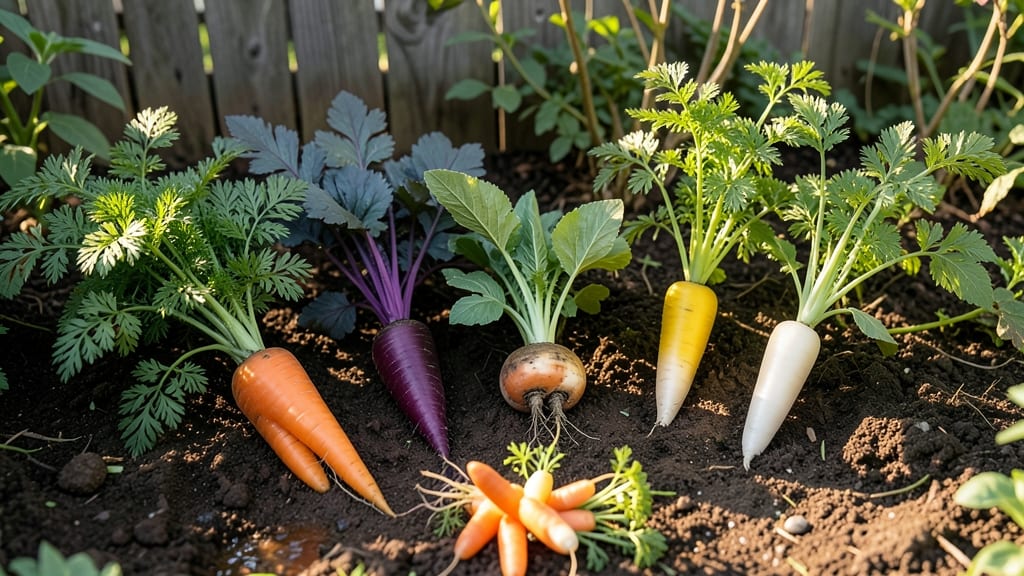
Your garden could be a rainbow of different carrot types—purple, yellow, orange, and even black—each with its own flavor and purpose. 🌈 I’ve grown over a dozen varieties, and the differences in taste, texture, and even growing habits are shocking.
Some stay sweet even after frost, while others are perfect for quick harvests or container gardens.
Heirloom varieties like ‘Purple Haze’ add drama to flower beds with their deep magenta tops, while ‘Paris Market’ stays short and sweet, ideal for small spaces. Storage types like ‘Danvers’ keep for months in cool root cellars, while ‘Rainbow Mix’ gives you a colorful medley in just one row.
The key? Match the variety to your space and goals—whether it’s early harvests, long-term storage, or just pretty plants.
You’ll end up with carrots that look as good as they taste—crisp ‘Nantes’ for snacking, earthy ‘Black Nebula’ for roasting, or mild ‘Little Finger’ for quick-pick containers.
The best part? Most grow in the same conditions, so you can mix and match without extra work. Just loosen the soil and space them right.
Perfect for gardeners who want both beauty and bounty. Whether you’re planting a formal veggie patch or a whimsical edible landscape, these varieties make it easy to grow what you love—and love what you grow.
📚 In This Guide
- What you need
- Instructions
- Tips and common mistakes
- Wrapping up and next steps
What you need
- ● Carrot Seeds: Choose heirloom or hybrid varieties (e.g., Danvers, Purple Haze, Rainbow Mix). Quantity: 1–2 tbsp per 10-foot row (or ~1,000 seeds per pound).
- ● Soil: Loose, well-draining, sandy loam (avoid clay or rocky soil).
- ● Fertilizer: Balanced organic fertilizer (5-5-5) or compost (1 cup per 10 sq ft).
- ○ Tools: Garden trowel or transplanting tool. Hoe for weeding. Row marker or stakes (optional, for spacing).
- ○ Optional: Row cover fabric (to deter pests). Drip irrigation system (for consistent moisture).
- ● Knife: Sharp chef’s knife or vegetable peeler.
- ● Cutting Board: Large enough for whole carrots (12"x18" recommended).
- ● Storage: Perforated plastic bag (for short-term fridge storage). Root cellar or cool, dark pantry (for long-term storage).
- ○ Optional: Spice rack (cinnamon, ginger, or cumin for roasted carrots!). Food processor (for carrot juice or salads).
- ● Field Guide or App: Useful for distinguishing varieties (e.g., Gardenate or PlantNet).
- ● Measuring Tape: To track carrot length (some varieties grow 12"+!).
- ● Camera: Document your colorful harvests! 📸
How to grow and use different carrot varieties in your garden
Carrots aren't just orange—explore vibrant purple, white, and red varieties that add color and nutrition to your meals.
🌱 Step 1: Choose Your Carrot Varieties Based on Shape and Color
Start by selecting 4-5 different carrot varieties to grow, each offering unique flavors and colors. Orange varieties like 'Nantes' or 'Danvers' are classic sweet choices, while purple types like 'Purple Haze' add antioxidant-rich depth. For fun shapes, try short, stubby 'Paris Market' or long, slender 'Chantenay'—both grow well in containers or tight spaces.
Check seed packets for days to maturity (typically 60-80 days) and plant 4-5 varieties spaced 2-3 inches apart in rows 12 inches apart. This ensures you'll have a rainbow of carrots ready to harvest at different times. I always plant a few extra seeds—carrot seedlings are delicate, and not all will thrive.
☀️ Step 2: Prepare Soil and Plant for Optimal Growth
Carrots need loose, stone-free soil to grow straight and develop properly. Work in 2-3 inches of compost (from your 4 gallons of compost) into the top 6 inches of soil to improve drainage and prevent forking. If your soil is heavy clay, mix in 1 part sand to 3 parts soil—this prevents roots from twisting.
Sow seeds ¼ inch deep in early spring (as soon as soil can be worked) or late summer for a fall harvest. Keep rows 12 inches apart and thin seedlings to 2-3 inches apart once they reach 2 inches tall. Thinning prevents overcrowding, which leads to misshapen carrots. I use a pair of small scissors to snip unwanted seedlings at soil level—less messy than pulling.
💧 Step 3: Water and Maintain for Straight, Sweet Roots
Keep soil evenly moist (not soggy) by watering 1 inch per week, more in hot weather. Use a soaker hose or drip irrigation to avoid disturbing the soil surface—carrots grow best when undisturbed. Mulch with 2 inches of straw (from your 1 bale of straw) to retain moisture and suppress weeds. Watch for yellowing leaves—this signals either overwatering or underwatering.
Rotate crops next season—carrots are susceptible to root knot nematodes, and planting them in the same spot year after year invites trouble. If you notice forked or stunted roots, amend the soil with more compost and consider a cover crop like clover in the off-season to improve soil health.
⏰ Step 4: Harvest at Peak Flavor and Store Properly
Harvest carrots when roots reach ½ to ¾ inch in diameter for baby carrots or wait until 1-1½ inches for full-size storage roots. Use a fork or trowel to loosen soil around the roots before gently pulling—twisting can break them. Harvest on a cool, overcast day to reduce stress on the plants. I pull a few test carrots at 60 days to check size, then harvest the rest as they mature.
Store carrots in a cool, dark place (like a root cellar or refrigerator) for up to 3 months. For long-term storage, braise or pickle excess carrots—this preserves their vibrant colors and flavors. Purple carrots, in particular, develop deeper hues when cooked, making them a stunning addition to roasted vegetable trays or soups.
🌿 Step 5: Experiment with Cooking and Preserving Your Harvest
Use your colorful carrots in raw salads (purple adds a striking contrast), roasted dishes (toss with olive oil and herbs), or pickled snacks (thinly sliced for crunch). I love making carrot-top pesto—blend the feathery greens with garlic, nuts, and lemon for a nutrient-packed sauce. Save seeds from your best-performing varieties for next year’s garden.
Try growing heirloom varieties like 'Black Nebula' (deep purple-black) or 'Lunar White' for a unique twist. The more you experiment, the more you’ll discover how versatile carrots truly are—far beyond the familiar orange we all know and love.
Tips & tricks for growing vibrant carrot varieties
Here's what I've learned from years of growing colorful carrots—these tricks will help you avoid common pitfalls and maximize your harvest.
Variety Selection: When choosing your 4-5 varieties, consider both color and shape for visual appeal. Purple carrots like 'Purple Haze' develop deeper hues when cooked, making them perfect for roasted dishes or soups. For containers or small spaces, 'Paris Market' carrots mature in just 60 days and stay compact—ideal for urban gardeners. I always include at least one heirloom variety like 'Black Nebula' for its dramatic appearance and rich flavor.
Soil Preparation: The key to straight carrots lies in your soil mix. For heavy clay soil, I've found that adding 1 part sand to 3 parts soil creates the perfect loose texture. Work your 2-3 inches of compost into the top 6 inches of soil—this prevents forking and encourages even growth. A quick test: if you can't easily push a pencil into the soil, it's too compact. I use a garden fork to loosen the soil before planting.
Thinning Technique: Thinning seedlings to 2-3 inches apart is crucial, but I've learned a gentler method than pulling. Use small scissors to snip unwanted seedlings at soil level—this prevents disturbing the roots of your remaining plants. I do this when seedlings reach 2 inches tall, making the process cleaner and less stressful for the plants. This careful approach prevents the crowding that leads to misshapen carrots.
Harvest Timing: The 60-day maturity for many varieties is just a guideline. I recommend pulling a few test carrots at 60 days to check size—some varieties like 'Nantes' may be ready earlier. For baby carrots, harvest when roots reach ½ to ¾ inch in diameter. A cool, overcast day is perfect for harvesting as it reduces stress on the plants and prevents them from bolting or becoming bitter.
Pro Tips for Different Carrot Types
- Here's what I've learned from years of growing colorful carrots—these tricks will help you avoid common pitfalls and maximize your harvest.
- Variety Selection: When choosing your 4-5 varieties, consider both color and shape for visual appeal.
- Soil Preparation: The key to straight carrots lies in your soil mix.
Frequently asked questions
Got questions about these vibrant root veggies? You’re not alone! Here are answers to the most common queries about different carrot types—from growing tips to kitchen hacks.
Which carrot type is easiest to grow for beginners?
The Danvers or Nantes varieties are perfect for new gardeners! They’re disease-resistant, grow quickly (60-70 days), and thrive in most soil types. Avoid finicky heirlooms like Purple Haze if you’re just starting out.
Can I substitute purple or yellow carrots for orange ones in recipes?
Purple carrots add a earthy, slightly sweet twist to soups, roasts, or salads. Yellow varieties (like Yellowstone) are milder and pair well with creamy dishes. Just adjust cooking times—purple may soften faster due to higher moisture.
How long do carrots last in storage, and what’s the best method?
Store carrots in a cool (32–40°F), humid (90–95% humidity) place—like a root cellar or crisper drawer. Orange varieties last 2–3 months; heirlooms or rainbow carrots may spoil faster (try 1–2 months). Trim greens and wrap in damp paper towels to extend freshness.
Why did my carrots turn woody or forked? How can I fix it?
Woody texture often means overcrowding or dry soil. Forked shapes? Likely due to uneven watering or rocky soil. Next season, thin seedlings to 2–3 inches apart and water consistently. For immediate use, roast or blend into sauces—texture won’t ruin flavor!
Are rainbow carrots more nutritious than orange ones?
Yes! Different colors mean unique antioxidants:
- Orange: Beta-carotene (vitamin A)
- Purple: Anthocyanins (anti-inflammatory)
- Yellow: Lutein (eye health)
Wrapping up and next steps
From vibrant orange Danvers to earthy purple Purple Haze, the world of carrots is as diverse as it is delicious!
Whether you're growing them in your garden or experimenting in the kitchen, each type brings unique flavors, textures, and nutritional benefits. Now that you’ve explored the colorful options, why not pick a few to try?
🌱 Next steps:
- Plant a rainbow of carrots in your garden for a fun, nutritious harvest.
- Swap out your usual orange carrots in recipes—shred yellows for a sweeter twist or roast black carrots for a smoky depth.
- Share your favorites with friends or try a carrot variety you’ve never seen before!