
Vegetables
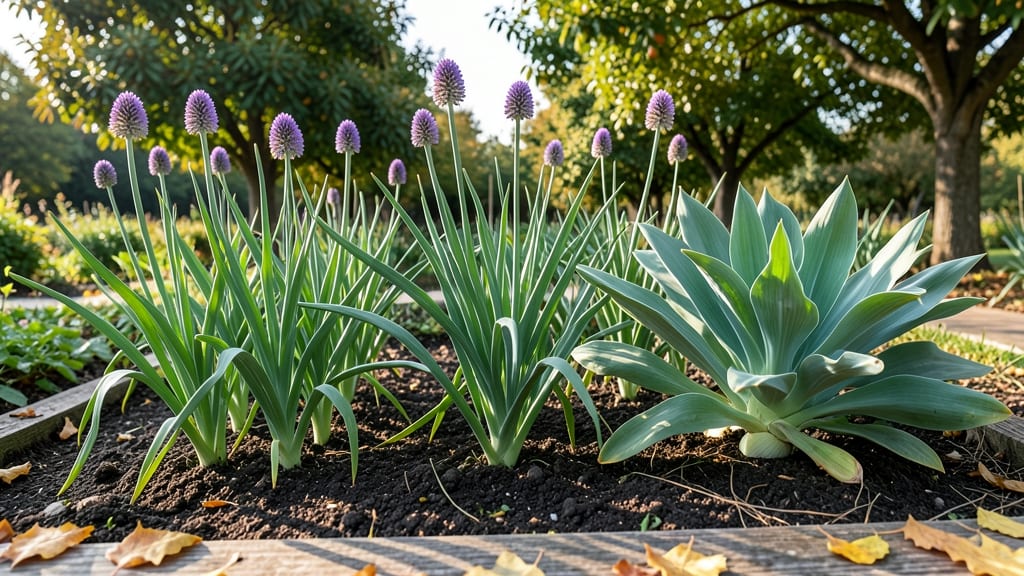
Choosing the right different garlic types means the difference between mild, buttery cloves and bold, fiery flavors that transform your cooking. 🌱 I planted my first garlic patch after realizing store-bought varieties couldn’t compare to the complex, robust taste of heirloom cloves—especially the purple stripe that grows like a weed in my zone 5 garden.
Hardnecks like rocambole and silverskin produce fewer but larger cloves with intense heat, perfect for roasting or sautéing. Softnecks, such as artichoke or silverskin, braid beautifully and store longer, ideal for everyday cooking.
Then there’s elephant garlic—giant but milder, great for beginners or when you want a gentle flavor without the wait.
Each type thrives with similar care: cool fall planting, well-drained soil, and 6-8 hours of sun daily. The payoff? Freshly harvested garlic that smells like sunshine and tastes like summer, no matter the variety. You’ll never buy store-bought again once you try growing your own.
Hardnecks need cold winters to form bulbs, while softnecks do better in milder climates. Elephant garlic grows faster but yields fewer cloves per bulb. Pick based on your taste, climate, and whether you’ll braid or roast—each has its own superpower in the kitchen.
📚 In This Guide
- What you need
- Instructions
- Tips and common mistakes
- Wrapping up and next steps
What you need
- ● Fresh garlic bulbs: 3–5 bulbs (mix of softneck, hardneck, and elephant garlic for variety). Look for plump, firm bulbs with unbroken skins.
- ● Garlic cloves: 10–15 cloves (separated from bulbs). Choose cloves that are firm, plump, and free of sprouts or soft spots.
- ● Knife: 1 sharp chef’s knife (8–10 inches) for mincing, slicing, or crushing.
- ● Cutting board: 1 sturdy board (wood, plastic, or bamboo) to protect your countertop.
- ● Measuring spoons: Set of small spoons (¼ tsp to 1 tsp) for precise garlic additions.
- ○ Garlic press (optional but handy): A manual or electric press for quick, even mincing.
- ● Mortar and pestle: For crushing whole cloves into a paste (great for authentic flavors!).
- ● Food processor or blender: For large batches of garlic-infused oils or sauces.
- ○ Thermometer (optional): Digital kitchen thermometer to monitor cooking temps if making garlic-infused oils.
- ● Storage containers: Airtight jars or bags for preserving peeled cloves or chopped garlic in the fridge.
- ● Labeling markers: To label different garlic types (e.g., rocambole, purple stripe) if testing varieties.
- ● Well-draining soil: Loose, fertile soil with a pH of 6.0–7.0 for growing garlic.
- ● Compost or organic matter: 2–3 cups per planting hole to enrich soil.
- ● Mulch: Straw or leaves (3–4 inches) to protect garlic cloves over winter.
- ○ Fertilizer (optional): Balanced 10-10-10 or low-nitrogen fertilizer for established plants.
How to choose and grow different garlic types for flavor and purpose
Garlic isn’t one-size-fits-all—each type brings unique heat, aroma, and growing needs.
🌱 Step 1: Identify Your Garlic Type by Flavor and Use
Garlic falls into two main categories: hardneck and softneck, each with distinct flavor profiles and growing habits. Hardnecks (like Rocambole or Purple Stripe) deliver bold, complex flavors with a slight heat and produce scapes—those curly green shoots that appear mid-season. Softnecks (such as Silverskin or Artichoke) are milder, store longer, and lack scapes but thrive in warmer climates.
For mild, versatile garlic, choose softneck varieties like Artichoke—ideal for braiding and long-term storage. If you crave spicy, robust flavor, hardnecks like German Red or Music are your best bet. Each type also adapts to different climates: hardnecks prefer cooler seasons, while softnecks handle heat better. Check your USDA hardiness zone to match the variety to your growing conditions.
🌿 Step 2: Understand Planting Depth and Spacing for Each Type
Garlic is planted in fall (8-10 weeks before the first hard frost) to establish roots before dormancy. Hardnecks need 4-6 inches of soil depth to protect the bulb from freezing, while softnecks can tolerate slightly shallower planting (3-4 inches). Space cloves 4-6 inches apart in rows 12 inches apart—this prevents overcrowding and ensures each bulb develops properly.
Break apart a garlic bulb carefully, ensuring each clove retains its papery skin. Plant the pointy end up—this is where the shoot will emerge. If you’re unsure, the flat side naturally faces downward. For hardnecks, plant in well-draining soil with compost mixed in to support their vigorous growth. Softnecks, meanwhile, benefit from sandy loam to prevent rot in warmer, wetter climates.
☀️ Step 3: Tailor Light and Water Needs to the Variety
Garlic thrives in full sun (6-8 hours daily), but hardnecks and softnecks handle light differently. Hardnecks need consistent moisture during their active growing season (spring), while softnecks are more drought-tolerant once established. Water deeply once a week in early spring, reducing to every 10-14 days as bulbs mature—overwatering causes rot, especially in softnecks.
Watch for leaf yellowing—a sign of overwatering or fungal issues like white rot. Hardnecks may show purple streaks on leaves in cold snaps, which is normal. Mulch with 2-3 inches of straw after planting to insulate hardnecks in winter and retain moisture for softnecks in summer. Adjust watering based on rainfall: if the soil feels dry 2 inches down, it’s time to water.
✂️ Step 4: Harvest and Cure Based on Variety Traits
Hardnecks are ready to harvest when lower leaves turn brown and the tops flop over (usually late June to early July). Softnecks take longer—wait until half the leaves yellow (often July to August). Gently loosen soil with a fork and pull bulbs, leaving roots attached. Shake off excess dirt but don’t wash them.
Curing is critical: hang hardneck bulbs in a shady, dry, well-ventilated spot (like a garage) for 2-3 weeks. Softnecks need 3-4 weeks of curing. Check daily for mold—discard any bulbs that develop fuzzy spots. Once cured, braid softnecks for storage or keep hardnecks in a cool, dark place (50-60°F) for up to 6 months. Hardnecks store shorter (3-4 months) but pack more flavor.
⏰ Step 5: Plan for Next Year’s Variety Rotation
Garlic is a perennial crop in mild climates, but most gardeners replant annually to avoid disease buildup. Rotate varieties each year: if you grew hardnecks last season, try softnecks this year—or experiment with elephant garlic (a mild, giant-clove hybrid) for a change. Keep notes on which types thrive in your space and which struggle.
Save seeds (cloves) from your best-performing bulbs for next year’s harvest. Avoid using store-bought garlic—it’s often treated to prevent sprouting and may carry diseases. For organic growth, use compost tea as a spring fertilizer and neem oil to deter pests like aphids. Each variety responds differently, so adjust your approach based on what you’ve learned.
Tips & tricks for perfect garlic selection and cultivation
Here's what nobody tells you about growing garlic that'll make all the difference when you harvest.
Climate Matching: The 6-8 hours of daily sun requirement is non-negotiable, but hardnecks and softnecks handle heat differently. Plant hardnecks in cooler zones (USDA 3-8) where they'll thrive through winter dormancy, while softnecks excel in warmer zones (USDA 5-10). I've learned this the hard way—planting hardnecks in zone 9 resulted in weak bulbs that never matured properly.
Soil Preparation: The planting depth difference (4-6 inches for hardnecks vs 3-4 inches for softnecks) matters more than you'd think. For hardnecks, mix in 2-3 inches of compost to improve drainage—they hate sitting in cold, wet soil. Softnecks prefer sandy loam to prevent rot in humid climates. I always test soil moisture before planting to ensure it's not too compacted.
Harvest Timing: Those late June to early July harvest windows for hardnecks are critical. Wait until the lower leaves turn brown and the tops flop dramatically—this means the bulb is fully developed. For softnecks, the half-yellowed leaves signal is more flexible (July to August), but don't wait too long or you risk shattering the skins. I mark my calendar with the first expected frost date and count back 10 weeks to schedule my harvest.
Curing Strategy: The 2-3 week curing time for hardnecks and 3-4 weeks for softnecks isn't just about drying—it's about flavor development. Hang bulbs in a spot where airflow circulates but direct sunlight doesn't hit them. I use a garage with open windows and a small fan to create gentle airflow. Check daily for mold—any fuzzy spots mean immediate removal to prevent spreading.
Pro Tips for Different Garlic Types
- Here's what nobody tells you about growing garlic that'll make all the difference when you harvest.
- Climate Matching: The 6-8 hours of daily sun requirement is non-negotiable, but hardnecks and softnecks handle heat differently.
- Soil Preparation: The planting depth difference (4-6 inches for hardnecks vs 3-4 inches for softnecks) matters more than you'd think.
Frequently asked questions
Got questions about the different types of garlic? You’re not alone! Here are some of the most common queries—plus straightforward answers to help you pick the perfect garlic for your dish.
What’s the difference between hardneck and softneck garlic?
Hardneck garlic has a sturdy stem (the "neck") and produces scapes (curly green shoots) in summer. It’s bold, complex, and great for roasting or raw use. Softneck garlic, like silverskin or artichoke, stores longer, has milder flavor, and is ideal for braiding or everyday cooking. Choose based on flavor intensity and storage needs!
Can I substitute one garlic type for another in recipes?
Yes, but expect flavor variations! Hardneck garlic is spicier and more pungent, while softneck is milder. For roasted dishes, hardneck shines. For delicate sauces or marinades, softneck works best. If substituting, adjust quantity slightly—hardneck’s punch might overpower subtle flavors. Pro tip: Use elephant garlic (mild and sweet) as a gentle alternative!
How long does garlic last, and how should I store it?
Softneck garlic lasts 6–12 months in a cool, dry, well-ventilated spot (like a mesh bag). Hardneck garlic stores 3–6 months—it’s more perishable. Avoid refrigeration (it makes garlic sprout faster!). For chopped garlic, store in an airtight container in the fridge for up to 2 weeks or freeze for longer shelf life.
Why does my garlic taste bitter or harsh?
Bitterness often means the garlic is overripe or stored improperly (too humid or warm). Use younger bulbs for milder flavor. If it’s hardneck, the cloves near the stem are spicier—peel carefully! For raw use, soak sliced garlic in cold water for 5 minutes to mellow harshness. Pro tip: Roasting garlic (375°F for 30–40 mins) sweetens even strong varieties!
What’s the best garlic for planting vs. eating?
For eating, choose based on flavor: hardneck for bold dishes, softneck for versatility. For planting, hardneck garlic (like Rocambole or Purple Stripe) produces scapes (edible greens) and larger bulbs. Softneck (Artichoke) is easier to grow but yields smaller cloves. Save organic, disease-free bulbs for planting—avoid treated or sprouted garlic!
Wrapping up and next steps
From the mild and sweet Silverskin to the bold and pungent Rock varieties, garlic truly offers a flavor adventure for every palate! 🌱 Whether you're a home cook experimenting with new dishes or a garlic enthusiast looking to deepen your knowledge, understanding these types can elevate your meals to new heights.
Ready to explore? Start by picking a few varieties to try in your next recipe—your taste buds will thank you!