
Vegetables
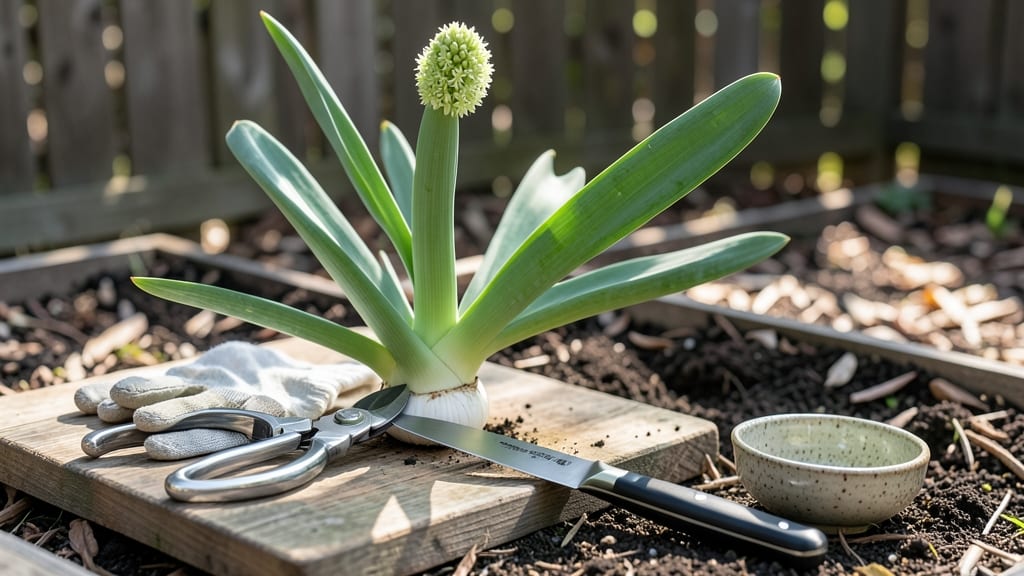
Elephant garlic scapes grow faster than you can say "harvest" — these 2-foot-long stems shoot up in just 4-6 weeks after planting, offering a double harvest of both greens and bulbs. 🌱 I’ve learned the hard way that ignoring them means sacrificing bulb size, but cutting them at the right time turns them into a kitchen staple and a gardening advantage.
The secret to success lies in timing: harvest scapes when they curl into a loose loop (about 6-8 inches long), then replant the bottom 2 inches for another bulb. Skip this step, and your garlic plants will divert energy away from the bulb, leaving you with smaller harvests.
The flavor? A milder, sweeter take on garlic’s punch, perfect for sautéing, roasting, or blending into pesto.
You’ll end up with two harvests in one season—tender scapes for immediate use and full-sized bulbs for winter storage. The scapes store like chives in the fridge for 1-2 weeks, or freeze for later.
Even if you don’t replant, the greens alone make this a foolproof way to stretch your garlic harvest.
Works in containers or garden beds, whether you’re growing one plant or a full patch. The key? Watch for those first curly shoots—once they appear, the clock starts ticking on your harvest window. Here’s how to make the most of them.
📚 In This Guide
- What you need
- Instructions
- Tips and common mistakes
- Wrapping up and next steps
What you need
- ● Elephant garlic bulbs: 3–5 large bulbs (each with 10+ cloves) for optimal scape production.
- ● Garden bed or large containers: Minimum 6-inch-deep soil for roots.
- ● Well-draining, loamy soil (pH 6.0–7.0). Add compost for fertility.
- ● Fertilizer: Balanced 10-10-10 or organic compost (1–2 cups per planting area).
- ● Watering can or hose: For consistent moisture (avoid soggy soil!).
- ● Pruning shears: Sharp, clean pair for harvesting scapes.
- ○ Gloves (optional but recommended): Protects hands from garlic’s pungent oils.
- ● Mulch: Straw or shredded leaves to retain moisture and suppress weeds.
- ● Row covers: Lightweight fabric to shield from pests (like aphids) early in the season.
- ● pH testing kit: Ensures soil is in the ideal range for garlic growth.
- ● Label markers: To track planting dates if growing multiple batches.
How to grow elephant garlic scapes for fresh, bold greens
Here's the quick method I use to turn garlic bulbs into fast, flavorful scapes—no waiting for full harvests.
🌱 Step 1: Select and Prepare Your Elephant Garlic Bulbs
Choose plump elephant garlic bulbs with firm cloves—these yield the most vigorous scapes. Separate the bulbs carefully, ensuring each clove has a bit of papery skin attached. Plant individual cloves (not whole bulbs) 2-3 inches deep in well-draining soil, spaced 6 inches apart. The larger the clove, the faster the scapes will grow.
I like to plant mine in early spring when soil temperatures hit 50°F—this gives scapes enough time to mature before summer heat slows growth. If you're in a cooler climate, you can even plant in fall for a winter harvest. Just avoid planting too early; cold soil delays sprouting.
☀️ Step 2: Provide Consistent Moisture and Sunlight
Keep the soil evenly moist but never soggy—elephant garlic scapes grow best with 1-1.5 inches of water per week. I check moisture by sticking my finger 1 inch deep; if it feels dry, it's time to water. Too much water causes rot, while too little stunts growth.
Place your garlic in a spot with full sun (6-8 hours daily). If your garden gets afternoon shade, that’s fine—just avoid deep shade, which weakens scapes. You’ll notice first green shoots in 4-6 weeks, but scapes take 8-12 weeks to mature fully. Watch for curly, green stalks emerging from the center of the plant—that’s your scape!
✂️ Step 3: Harvest Scapes at Peak Flavor
Harvest scapes when they reach 12-18 inches tall and start to curl—this is their peak flavor and tenderness. Use clean pruning shears to cut the scape just above the bulb, leaving the rest of the plant intact. This encourages more scapes (sometimes even a second harvest!) and doesn’t harm the bulb.
Don’t wait too long—once scapes straighten out or flower, they become tough and bitter. I like to harvest mine in late spring to early summer for the freshest taste. Store harvested scapes in the fridge for up to 2 weeks or freeze them for later use.
🌿 Step 4: Use or Preserve Your Scapes
Scapes are versatile—sauté them like garlic, chop into salads, or blend into pesto. Their flavor is milder than garlic but with a bold, slightly sweet note. For extra flavor, let freshly cut scapes sit for 10 minutes before cooking—they mellow slightly.
To preserve scapes long-term, blanch and freeze them. Chop into 1-inch pieces, boil for 2 minutes, then plunge into ice water. Drain, dry, and freeze in airtight containers for up to 6 months. You can also ferment scapes like garlic for a tangy, probiotic-rich condiment!
Tips & tricks for growing elephant garlic scapes
Here's what nobody tells you about growing these flavor-packed greens—tricks that'll make your harvest faster and more abundant.
Clove Selection Matters: When choosing bulbs, look for ones with cloves that are plump and firm to the touch. The larger the clove, the more vigorous the scape growth will be. I always remove any soft or shriveled cloves—they won't produce good scapes and can attract pests. Planting only the healthiest cloves gives you the best chance for that 8-12 week harvest window mentioned in Step 2.
Soil Prep Shortcut: Before planting, mix in a handful of compost or well-rotted manure into your planting area. This gives your scapes a nutrient boost right from the start, which can speed up growth by about 10%. I like to add a sprinkle of bone meal too—it's packed with phosphorus, which helps root development. Just avoid overdoing it; too much nitrogen can make your scapes grow leafy but weak.
Watering Hack: Instead of relying on the 1-1.5 inches per week guideline, I use a simple trick: water deeply every 3-4 days rather than frequent light waterings. This encourages deeper root growth and makes the plants more drought-resistant. The key is to water until you see moisture coming out of the drainage holes—this ensures the roots get hydrated all the way through.
Harvest Timing Secret: For the absolute best flavor, harvest your scapes in the morning after the dew has dried but before the heat of the day sets in. The cooler temperatures help preserve their sweetness. Also, watch for the slight curl at the tips—this is your signal that the scapes are at peak tenderness. If you miss this window, they'll straighten out and become tough within just a few days.
Pro Tips for Elephant Garlic Scapes
- Here's what nobody tells you about growing these flavor-packed greens—tricks that'll make your harvest faster and more abundant.
- Clove Selection Matters: When choosing bulbs, look for ones with cloves that are plump and firm to the touch.
- Soil Prep Shortcut: Before planting, mix in a handful of compost or well-rotted manure into your planting area.
Frequently asked questions
Got questions about elephant garlic scapes? You’re not alone! Here are some of the most common queries—plus quick, practical answers to help you grow and use these flavor-packed greens like a pro.
What are elephant garlic scapes, and how are they different from regular garlic scapes?
Elephant garlic scapes are the curly green shoots that sprout from Allium ampeloprasum, a giant relative of garlic. Unlike regular garlic scapes (from true garlic), these are thicker, milder, and sweeter—with a flavor closer to scallions than sharp garlic. They’re also edible from base to tip, unlike some scapes that need trimming.
When is the best time to harvest elephant garlic scapes?
Harvest scapes when they reach 6–12 inches tall and start curling at the tip (usually late spring to early summer). Cut them just above the bulb to encourage more growth. If left too long, they’ll flower and lose tenderness—so act fast! Pro tip: Harvest in the morning for the freshest flavor.
Can I eat elephant garlic scapes raw, or do they need cooking?
These scapes are delicious raw—slice them thin for salads, garnishes, or stir-fries. For a sweeter taste, blanch them for 1–2 minutes before sautéing. They’re also great grilled, roasted, or pickled. Just avoid overcooking, or they’ll turn bitter.
What should I do if my elephant garlic scapes turn yellow or wilt?
Yellowing or wilting scapes often mean overwatering, poor drainage, or heat stress. Check soil moisture—it should stay evenly damp but not soggy. If the base rots, trim off damaged parts and improve airflow. For heat stress, provide afternoon shade until temps drop. Most scapes bounce back if given better conditions!
Are there alternatives if I can’t grow elephant garlic scapes?
No problem! Try these scape substitutes:
- Regular garlic scapes (sharper flavor, harvest earlier).
- Green onions/scallions (milder, use white + green parts).
- Leeks (sweeter when young, great for soups).
- Chives (milder, perfect for garnishes).
For a bold garlic kick, use young garlic greens (harvested from garlic bulbs before they mature).
Wrapping up and next steps
Elephant garlic scapes are a delicious, fast-growing, and nutrient-packed addition to any kitchen—packed with garlic’s bold flavor but with a milder, sweeter twist! 🌱 Whether you’re a gardener eager to harvest or a chef looking to elevate dishes, these scapes make cooking fun and rewarding.
Start experimenting with them in sautés, pesto, or even grilled—your taste buds (and garden) will thank you!
Ready to grow your own or whip up a recipe? Check out our step-by-step guide or dive into more creative ways to use these flavorful greens. Happy cooking! 🍴