
Vegetables
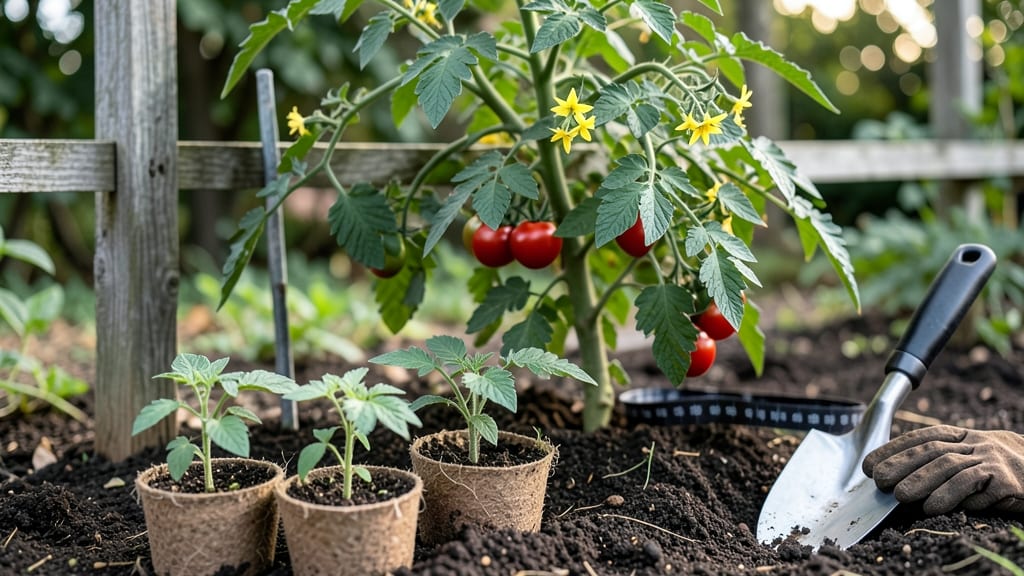
Getting the right distance for planting tomatoes makes all the difference—crowded vines lead to blight, poor airflow, and disappointing harvests. ✨ The proper spacing—18 to 24 inches apart for determinate varieties and 24 to 36 inches for indeterminate—lets plants breathe, sunlight reach all foliage, and air circulate to prevent disease.
My first year, I crammed plants together like sardines and ended up with half the yield and twice the fungal issues.
Determinate tomatoes (the bush types) grow to a fixed height and produce fruit all at once, so they need less room—think 18 to 24 inches between plants. Indeterminate varieties (the vining types) keep growing and producing until frost, so they demand 24 to 36 inches of space to sprawl.
If you're growing in containers, aim for at least 5-gallon pots and space them 12 to 18 inches apart to mimic the airflow benefits of in-ground spacing.
Proper spacing isn’t just about yield—it’s about healthier plants that resist blight, fewer lost fruits from overcrowding, and easier maintenance. You’ll see stronger stems, more blossoms, and tomatoes that ripen evenly instead of a few overripe ones hiding under shade.
Plus, pruning becomes a breeze when you’ve given each plant room to grow.
Adjust spacing based on your garden layout: raised beds can handle tighter spacing (12 to 18 inches) because of better drainage, while in-ground gardens need more room.
If you’re short on space, try vertical trellises—indeterminate tomatoes thrive when given 6 to 8 feet of vertical space instead of horizontal sprawl. The key is balance: enough room for airflow, but not so much that sunlight gets wasted.
📚 In This Guide
- What you need
- Instructions
- Tips and common mistakes
- Wrapping up and next steps
What you need
- ● Tomato seedlings or seeds: Choose disease-resistant varieties (e.g., heirloom, cherry, or beefsteak). Start with 2–6 plants depending on your space.
- ● Garden soil or potting mix: Well-draining, nutrient-rich soil (aim for 10–12 inches deep for in-ground planting). For containers, use a high-quality potting mix with perlite or vermiculite.
- ● Fertilizer: Balanced fertilizer (10-10-10 or 5-10-10) for planting.
- ○ Organic compost or worm castings (optional but recommended for nutrient boost).
- ● Stakes or cages: 5–6 ft tall for indeterminate varieties (e.g., cherry tomatoes) or 3–4 ft for determinate (bush) types. Use wooden stakes, metal cages, or bamboo supports.
- ● Mulch: Straw, grass clippings, or shredded leaves (2–3 inches thick) to retain moisture and suppress weeds.
- ● Watering can or hose with a gentle spray nozzle: Avoid blasting leaves to prevent disease.
- ● Pruning shears or sharp scissors: For trimming suckers and shaping plants.
- ● Drip irrigation system: Saves time and ensures consistent moisture.
- ● Plant markers: Label varieties to track growth and spacing.
- ● Row covers or shade cloth: Protects seedlings from pests or harsh sun.
- ● Epsom salt (magnesium sulfate): Mix 1 tbsp per gallon of water monthly for healthier foliage.
- ● Container pots (for patio gardening): Minimum 5-gallon size per plant (larger is better!).
Instructions: how to space tomatoes for healthy growth and high yields
Proper spacing isn't just about fitting plants in—it's the foundation for strong stems, better airflow, and bigger harvests.
☀️ Step 1: Determine Your Planting Method
Tomatoes grow differently based on how you support them, so spacing varies. For determinate varieties (bush types), plant 24-36 inches apart in rows 2-3 feet apart. These compact plants stop growing at a set height and don't need trellising, so they need just enough room to spread without crowding.
For indeterminate varieties (vining types), space 36-48 inches apart in rows 3-4 feet apart. These plants keep growing until frost, so they need extra room for sprawling vines and heavy fruit. If using cages, give them the maximum 48-inch spacing—crowding leads to weak stems and disease.
🌱 Step 2: Adjust for Support System
Your chosen support changes airflow and growth patterns. Stakes or single cages work best with 36-inch spacing—plants grow upward without competing for air. Double rows with trellises (like the "Florida Weave" method) let you space plants 24 inches apart in rows 4 feet apart, maximizing vertical growth and sunlight penetration.
If you're using trellises, space plants 36-48 inches apart and train vines upward. This method improves airflow at the base, reducing fungal diseases like early blight. I always add a 4-inch layer of mulch around each plant to keep soil-borne pathogens down.
💧 Step 3: Plan for Soil and Sun Exposure
Rich, well-draining soil lets roots spread efficiently, so adjust spacing slightly if your soil is poor. In sandy or rocky soil, increase spacing to 48 inches—roots struggle to anchor in dense conditions. In fertile, loamy soil, stick to the standard 36-inch spacing for indeterminates.
Sunlight matters too. If your garden gets partial shade (less than 6 hours of direct sun), reduce spacing to 24 inches and focus on compact varieties. In full sun, maximize airflow by using the full 36-48 inches—this prevents humidity buildup, which fuels fungal diseases.
✂️ Step 4: Thin Seedlings for Optimal Airflow
When seedlings reach 4-6 inches tall, thin them to the correct spacing. Use pairs of scissors to snip unwanted plants at soil level—don’t pull, or you’ll disturb roots of remaining seedlings. I always leave the strongest, straightest stem in each spot, as weak seedlings compete for nutrients and light.
Watch for yellowing lower leaves—this signals overcrowding. If you see it, thin immediately. Proper spacing ensures each plant gets at least 1 square foot of soil volume, which prevents nutrient theft and keeps stems sturdy for heavy fruit loads.
⏰ Step 5: Monitor and Adjust as Plants Mature
Check spacing every 2-3 weeks as vines grow. If indeterminate plants start touching neighbors, prune suckers (side shoots) to redirect energy upward. I also stake tall varieties at 6-8 inches tall to prevent wind damage, which can break stems and disrupt airflow.
By mid-summer, you’ll see the payoff: fewer diseases, stronger stems, and larger fruit. Proper spacing isn’t just about fitting plants in—it’s about creating an environment where they thrive. If you see white mold or blight, your spacing is too tight—prune immediately and increase airflow.
Tips & tricks for perfect tomato plant spacing
These practical insights will help you optimize your tomato garden for healthier plants and bigger yields—no guesswork required.
Variety-Specific Strategy: Determinate tomatoes (like Roma or Celebrity) thrive with the 24-36 inch spacing because their bushy growth habit naturally limits spread. For indeterminate varieties (like Cherokee Purple or Sungold), the 36-48 inch spacing is non-negotiable—their vines can grow 6-10 feet tall if unchecked! Remember, indeterminates keep producing until frost, so they need that extra room for both vine expansion and fruit weight.
Support System Hack: When using trellises, the Florida Weave method lets you squeeze plants closer (24 inches apart) because the vertical growth maximizes sunlight exposure from all angles. But here's the catch: only do this if your trellis is at least 6 feet tall. Shorter trellises force plants to sprawl horizontally, defeating the purpose of closer spacing.
Soil-Specific Adjustments: In sandy or rocky soil where roots struggle to anchor, increase spacing to 48 inches for indeterminates. The extra room lets roots spread wider to compensate for poor soil structure. For container growing, use the same spacing as your in-ground plants—containers dry out faster, so root competition is even more critical. Pro tip: Add 2-3 inches of compost to containers to improve moisture retention.
Airflow Early Warning: Those yellowing lower leaves you might see at 4-6 inches tall aren't just cosmetic—they're your first sign of overcrowding. Thin immediately using scissors (never pull) to prevent soil-borne diseases from taking hold. The 1 square foot of soil volume per plant isn't just a guideline—it's the minimum required for proper nutrient distribution and stem strength during fruit set.
Pro Tips for Distance For Planting Tomatoes
- These practical insights will help you optimize your tomato garden for healthier plants and bigger yields—no guesswork required.
- Variety-Specific Strategy: Determinate tomatoes (like Roma or Celebrity) thrive with the 24-36 inch spacing because their bushy growth habit naturally limits spread.
- Support System Hack: When using trellises, the Florida Weave method lets you squeeze plants closer (24 inches apart) because the vertical growth maximizes sunlight exposure from all angles.
Frequently asked questions
Got questions about spacing tomatoes like a pro? Here are answers to the most common ones—so you can grow a thriving, high-yield garden with ease!
How close can I plant tomatoes together?
Tomatoes need space to breathe—literally! For determinate varieties (bush types), aim for 18–24 inches apart in rows spaced 2–3 feet apart. Indeterminate varieties (vining types) need 24–36 inches apart in rows 3–4 feet apart to support their sprawling growth. Crowding leads to disease and poor fruit production—so don’t skimp!
When is the best time to plant tomatoes for optimal spacing?
Plant tomatoes after the last frost date when soil is at least 60°F (15°C)—they hate cold feet! For cooler climates, start seeds 6–8 weeks indoors before transplanting. If using container gardening, plant 1–2 plants per 5-gallon pot (no closer than 12 inches apart). Pro tip: Harden off seedlings for 7–10 days before moving them outside!
Can I plant tomatoes too far apart?
While overcrowding is worse, spacing tomatoes too far apart can still backfire. If rows are over 4 feet apart, you’ll waste space and make weeding/harvesting harder. Ideal spacing balances airflow (to prevent disease) and easy access. For large gardens, use a grid system (e.g., 36" apart in rows 4' apart) for efficiency.
What if I don’t have enough space? Can I use alternatives?
No space? No problem! Try these space-saving hacks:
- Vertical gardening: Use cages, trellises, or stakes to grow indeterminate varieties upward (save 50%+ space).
- Container gardening: Plant 1–2 tomatoes per 5-gallon pot (dwarf varieties work best).
- Succession planting: Replace early harvests with new seedlings to maximize yield in small areas.
- Interplanting: Grow shallow-rooted crops (like lettuce or radishes) between tomato rows until tomatoes fill in.
My tomatoes are wilting or yellowing—did I space them wrong?
Not always! Wilting/yellowing can signal overcrowding (poor airflow = disease/fungal issues), but it’s often due to:
- Underwatering (check soil moisture 1–2" deep).
- Over-fertilizing (burns roots—use balanced fertilizer sparingly).
- Blossom end rot (calcium deficiency—side-dress with lime).
- Pests (aphids, hornworms—inspect leaves daily!).
Wrapping up and next steps
Perfecting the distance for planting tomatoes is your secret weapon for a thriving garden!
Whether you’re growing heirloom varieties or cherry tomatoes, proper spacing ensures strong airflow, fewer diseases, and a bountiful harvest. 🌱 With the right techniques—like staking, pruning, and companion planting—you’re well on your way to a garden that’s both productive and low-maintenance.
Now that you’re armed with these spacing secrets, it’s time to roll up your sleeves! Grab your gloves, mark those rows, and watch your tomato plants flourish. Ready to plant? Start with a small patch or a few containers—confidence grows with every seedling! 🌟