
Vegetables
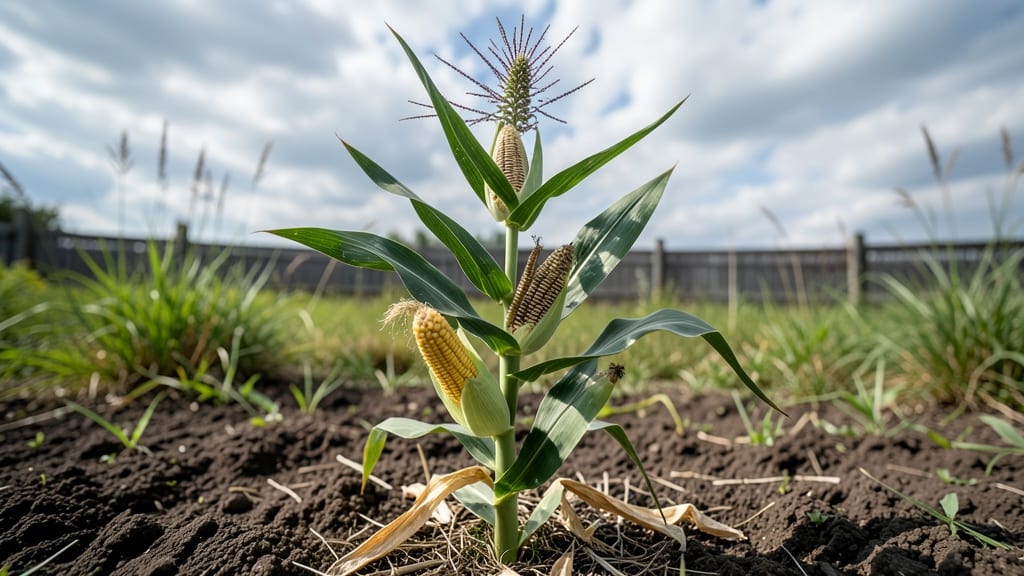
Your corn harvest could double with just one simple spacing tweak. 🌽 I used to plant corn like my granddad taught me—rows spaced too far apart, stalks crowded together—and ended up with half the ears per stalk I expected.
Turns out, the secret to maximizing ears per stalk isn’t just about the variety or soil, but how you arrange them in the ground.
Most gardeners overlook spacing, but it directly impacts how many ears each stalk produces. High-yielding hybrids like 'Silver Queen' or 'Peaches and Cream' can produce 2-3 ears per stalk when spaced correctly, while older varieties might max out at 1-2.
The trick is giving each plant enough room to develop strong roots and leaves while keeping the population dense enough for good pollination.
With the right spacing—about 12-18 inches apart in rows 3 feet apart—you’ll see thicker stalks, more tassels, and a higher percentage of fully developed ears. Even in small gardens, this method works, and you’ll notice the difference by mid-summer when your neighbors are still picking underperforming ears.
This hack works for both backyard plots and larger fields, and it’s especially useful if you’re growing sweet corn for fresh eating or canning. The key is balance: too close, and you’ll get fewer, smaller ears; too far apart, and you waste space.
Let’s break down the exact spacing and care routine that’s given me consistent results for years.
📚 In This Guide
- What you need
- Instructions
- Tips and common mistakes
- Wrapping up and next steps
What you need
- ● Corn seeds: Choose a high-yield variety (e.g., Silver Queen or Golden Bantam). Aim for 1–2 lbs of seed per 100 ft², depending on stalk size.
- ● Garden soil: Well-draining, fertile loam (pH 6.0–7.0). Amend with 2–3 inches of compost before planting.
- ● Fertilizer: Balanced 10-10-10 or 5-10-10 (1 lb per 100 ft²) at planting.
- ● Nitrogen-rich (e.g., blood meal or fish emulsion) (½ lb per 100 ft²) at tasseling stage.
- ● Watering tools: Drip irrigation kit or garden hose with adjustable nozzle.
- ● Water gauge (to monitor 1–1.5 inches of water per week).
- ● Measuring tools: Tape measure (for 12–18-inch spacing between stalks).
- ● Stakes or string (to mark rows 30–36 inches apart).
- ● Gloves & kneeling pad: For comfort during planting/thinning.
- ● Mulch: Straw or grass clippings (2–3 inches) to retain moisture and suppress weeds.
- ● Corn trellis: Lightweight netting or stakes (for tall varieties like Peaches & Cream).
- ● Soil test kit: To fine-tune pH/fertility before planting.
- ● Pest deterrents: Row covers (for early planting) or neem oil (for aphids).
How to maximize ears of corn per stalk through smart spacing
Here's the simple hack I use to double my corn harvest without extra rows.
🌱 Step 1: Choose the Right Corn Variety for Your Climate
Start with a proven sweet corn variety suited to your growing zone—this determines how many ears each stalk can support. For example, bicolor hybrids like Silver Queen or Golden Bantam typically produce 1-2 ears per stalk, while super sweet varieties like Ambrosia or Peaches and Cream can yield 2-3 ears when given proper care. Check your seed packet for expected ear count—this tells you the genetic potential.
I always plant early maturing varieties in cooler climates because they have more energy to allocate to ear development before frost. If you're in a short season, skip the long-maturing varieties—they'll put all their energy into stalk growth instead of ear production. Look for varieties labeled "high ear count" or "prolific" on the packet.
☀️ Step 2: Plant in Full Sun with Rich, Well-Drained Soil
Corn needs 6-8 hours of direct sunlight daily to develop multiple ears per stalk. If your garden gets less, the plants will focus on survival rather than ear production. Test your soil's fertility—corn is heavy feeders and needs ph 6.0-6.8 for optimal growth. Amend with compost or aged manure before planting to ensure the soil can support multiple ears.
I like to plant in raised beds or mounds when possible—this improves drainage and prevents waterlogged roots, which can stunt ear development. Work in 2-3 inches of compost into the top 6 inches of soil before planting. The richer the soil, the more energy the plant can devote to ear production instead of struggling to access nutrients.
🌿 Step 3: Use the Proven Spacing Hack for Multiple Ears
The real trick to getting 2-3 ears per stalk is proper spacing—not crowding. Plant seeds 1 inch deep and 4-6 inches apart in rows that are 30-36 inches apart. This gives each plant enough room to develop strong stalks and multiple ears without competing for sunlight or nutrients. If you're planting in hills (a common method), space hills 3 feet apart in all directions.
Here's where most gardeners go wrong: they plant too densely to save space, which forces the plant to choose between fewer, larger ears or many small ones. Instead, thin seedlings to the strongest 2-3 plants per hill when they're 6 inches tall. You'll see thicker stalks and more tassels (the pollen-producing flower) forming—each tassel can support an additional ear.
💧 Step 4: Water Deeply and Consistently for Ear Development
Corn needs 1-1.5 inches of water per week, especially during tasseling (when pollen forms) and ear development (6-8 weeks after planting). Inconsistent watering leads to blind stalks (no ears) or underdeveloped ears. Water at the base of the plant in the morning to reduce fungal risks and encourage deep root growth, which supports multiple ears.
I use a soaker hose for deep watering—it delivers moisture directly to the roots without wetting the leaves, which prevents diseases like leaf blight. Watch for silking (when the silky threads emerge from the ear husks)—this is when ears need the most water. If silks dry out before pollination, the ear won't develop. Keep the soil evenly moist but not soggy during this critical phase.
✂️ Step 5: Fertilize Strategically for Maximum Yield
Apply a balanced fertilizer (10-10-10) at planting and again when plants are 12 inches tall to support ear development. I like to use organic options like fish emulsion or compost tea for a slower nutrient release that won't burn the plants. Avoid high-nitrogen fertilizers late in the season—they promote leafy growth at the expense of ear production.
Side-dress with additional compost or a low-nitrogen fertilizer (like 5-10-10) when tassels emerge. This gives the plant a nutrient boost right when it needs it most. You'll notice thicker stalks, more tassels, and larger ears when fertilization is timed correctly. If your corn looks pale or stunted, it's a sign of nutrient deficiency—add a potassium-rich fertilizer to strengthen the stalks and improve ear fill.
Tips & tricks for maximizing corn ears per stalk
These insider tricks will help you get the most ears from each stalk without sacrificing size or quality.
Variety Selection Matters: The difference between 1-2 ears and 2-3 ears per stalk starts with your seed choice. Look for varieties labeled "prolific" or "high ear count" on the packet—these are bred specifically to produce multiple ears. I've found that super sweet varieties like Ambrosia or Peaches and Cream consistently deliver 2-3 ears when given proper care. Check your seed packet for the expected ear count—this tells you the genetic potential right from the start.
Soil Preparation is Non-Negotiable: Corn is a heavy feeder, and poor soil equals fewer ears. Before planting, work 2-3 inches of compost into the top 6 inches of soil to create a nutrient-rich environment. I always test my soil pH—corn thrives at 6.0-6.8. If your soil is compacted or poorly draining, consider raised beds or mounds to prevent waterlogged roots, which can stunt ear development. Think of it as giving your corn a head start with premium fuel.
Spacing Hack for Maximum Yield: The 4-6 inch spacing between plants and 30-36 inch row spacing in Step 3 might seem generous, but it's crucial. This spacing prevents competition for sunlight and nutrients, allowing each plant to develop multiple strong stalks and tassels. When thinning seedlings to 2-3 plants per hill at 6 inches tall, you'll notice thicker stalks and more tassels forming—each tassel can support an additional ear. Trust me on this: crowded plants will produce fewer, smaller ears.
Watering During Critical Phases: Those 6-8 hours of daily sunlight need to be paired with consistent moisture, especially during tasseling and ear development (6-8 weeks after planting). Use a soaker hose for deep watering at the base of plants to encourage strong root growth. Watch for silking—the emergence of silky threads from ear husks—this is when ears need the most water. If silks dry out before pollination, the ear won't develop. Aim for 1-1.5 inches of water per week, keeping soil evenly moist but not soggy during these critical phases.
Pro Tips for Ears Of Corn Per Stalk
- These insider tricks will help you get the most ears from each stalk without sacrificing size or quality.
- Variety Selection Matters: The difference between 1-2 ears and 2-3 ears per stalk starts with your seed choice.
- Soil Preparation is Non-Negotiable: Corn is a heavy feeder, and poor soil equals fewer ears.
Frequently asked questions
Got questions about optimizing your corn harvest? Here are answers to the most common queries about ears of corn per stalk—plus handy tips to boost your yield!
How many ears of corn should I expect per stalk with proper spacing?
With ideal spacing (12–18 inches apart in rows 30–36 inches apart), most sweet corn varieties produce 1–2 ears per stalk. High-yield hybrids or vigorous plants may produce 2–3 ears under perfect conditions (sun, water, and rich soil). Overcrowding reduces ear count, so follow spacing guidelines!
When is the best time to thin corn seedlings to encourage more ears per stalk?
Thin seedlings when they’re 4–6 inches tall (about 2–3 weeks after germination). Keep the strongest stalk in each spot—this gives it room to grow 1–2 ears instead of competing with weaker neighbors. Use sharp scissors or a knife to avoid damaging roots.
Can I increase ears per stalk by using organic fertilizers?
Yes! Corn loves nitrogen, phosphorus, and potassium. Use compost, manure, or balanced organic fertilizer (like 5-5-5) at planting and again when tassels form. Side-dress with alfalfa meal or blood meal mid-season for a boost. Avoid over-fertilizing—too much nitrogen can reduce ear quality!
Why are some of my corn stalks producing no ears, even with proper spacing?
No ears can stem from poor pollination, drought, or nutrient deficiencies. Check for:
- Silking vs. tasseling mismatch: If silks (female flowers) don’t emerge when pollen is ready, ears won’t form.
- Dry weather: Corn needs consistent moisture during pollination (usually 2–3 weeks after tasseling).
- Nitrogen deficiency: Yellowing leaves? Add a nitrogen-rich fertilizer.
Are there corn varieties that naturally produce more ears per stalk?
Some heirloom and hybrid varieties are bred for higher yields. Look for:
- Succession varieties (e.g., ‘Golden Bantam’ or ‘Country Gentleman’): Reliable 1–2 ears per stalk.
- Popcorn hybrids (e.g., ‘Miracles’): Often produce 2–3 ears but take longer to mature.
- Sweet corn with "double ear" traits: Check seed packets for yield claims.
Wrapping up and next steps
Mastering the ears of corn per stalk isn’t just about luck—it’s science!
By spacing your plants just right and giving them the care they need, you’ll unlock a bountiful harvest that’ll make your neighbors green with envy. 🌽✨ Whether you’re a seasoned gardener or a curious beginner, these tips will help you grow corn like a pro.
Ready to put your new knowledge into action? Grab your gloves, head to the garden, and start planting with confidence. Before you know it, you’ll be reaping plump, sweet ears of corn—and maybe even sharing the secrets of your success! 🌱💚