
Vegetables
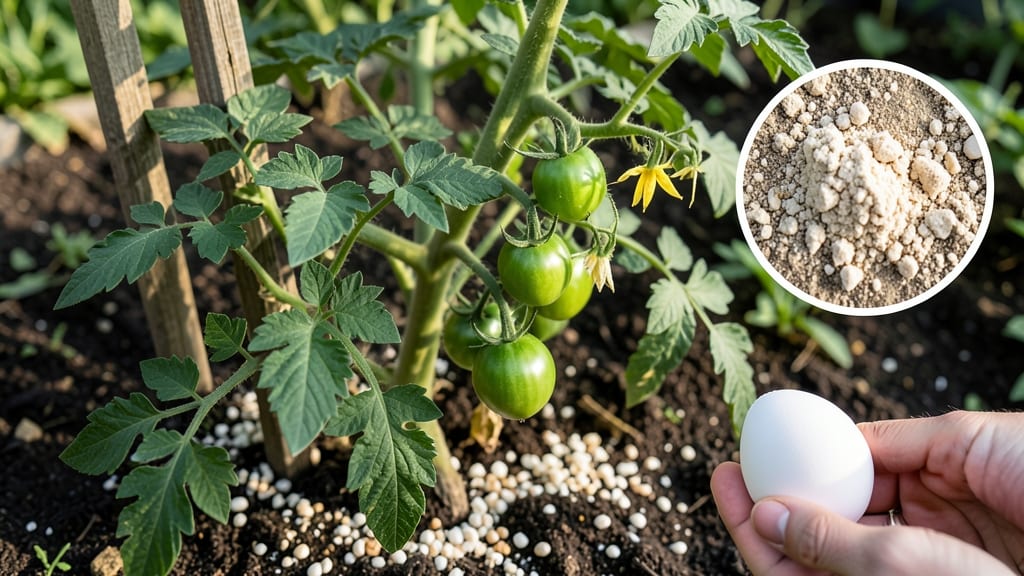
My tomatoes were turning into sad, leafy sticks until I discovered eggshells. 🌱 Those brittle scraps from breakfast are packed with calcium—exactly what tomatoes crave to prevent blossom-end rot and grow strong stems.
The process is simpler than you'd think: crush, dry, and sprinkle around your plants, and watch them transform into lush, productive vines.
You don’t need fancy equipment—just a clean container, a spoon for crushing, and your kitchen scraps. Start by saving eggshells in a paper bag or container for a few weeks until you have a good stash.
Once dry, crush them into a fine powder (or leave them whole if you prefer). This method works for both container-grown and in-ground tomatoes, and it’s a great way to repurpose something you’d otherwise toss.
The benefits go beyond just calcium. Eggshells act as a natural pest deterrent, keeping slugs and snails away from your plants. Plus, they break down slowly, releasing nutrients over time.
Within a few weeks, you’ll notice stronger stems, healthier leaves, and fewer problems with blossom-end rot—the classic tomato heartbreak that ruins harvests.
This method works year-round, whether you're starting seeds indoors or tending to mature plants in the garden. Just be mindful of how much you use—too much can make the soil too alkaline. A handful per plant every few weeks is perfect for keeping your tomatoes thriving without any guesswork.
📚 In This Guide
- What you need
- Instructions
- Tips and common mistakes
- Wrapping up and next steps
What you need
- ● Eggshells: 10–15 clean, empty eggshells (from any type of egg—white, brown, or specialty eggs). Pro tip: 💡 Rinse and dry them thoroughly to avoid mold!
- ● Tomato seeds: 2–3 fresh seeds per eggshell (or a single seedling if you’re transplanting).
- ● Potting soil: 1–2 cups of well-draining, organic potting mix (avoid garden soil—it can compact and suffocate roots).
- ● Small containers: 3–5 biodegradable pots, egg cartons, or even repurposed yogurt cups (with drainage holes!).
- ● Water: Room-temperature, filtered water (tap water can harm seedlings if it’s chlorinated).
- ○ Spray bottle: For gentle watering (optional but helpful for precision!).
- ● Scissors or craft knife: To cut drainage holes in containers (if not pre-made).
- ● Tweezers: For delicate seed placement.
- ● Plant labels: To track varieties (e.g., cherry, beefsteak, heirloom).
- ● Grow light or sunny windowsill: Seedlings need 6–8 hours of light daily. A DIY solution? A bright kitchen window works in a pinch! ☀️
- ○ Calcium supplement (optional): Crushed eggshell powder (save shells from future eggs and bake at 200°F for 10 mins to sterilize).
Step-by-Step guide to using eggshells for tomato growth
Here's how to turn kitchen scraps into a natural nutrient boost for your tomato plants.
🌱 Step 1: Clean and Dry the Eggshells
Rinse the eggshells thoroughly under warm water to remove any residual egg or yolk. I like to use a fine-mesh strainer to scrub them gently—this removes any lingering membrane that could attract pests. Pat them dry completely with a clean kitchen towel or paper towels.
Spread the shells on a baking sheet lined with parchment paper and place them in a sunny windowsill or under a grow light for 3-5 days. They're ready when they feel completely dry and brittle to the touch. This step prevents mold and ensures the shells break down properly in the soil.
💧 Step 2: Crush the Eggshells into Small Pieces
Use a clean rolling pin or the bottom of a heavy pot to crush the dried eggshells into pea-sized pieces. I find this works best if I place the shells in a resealable plastic bag first—then I roll over them with the rolling pin until they're finely broken down. Avoid using a food processor unless it's dedicated to gardening supplies, as tiny shell fragments can be difficult to remove later.
If you prefer a finer texture, you can pulse them briefly in a blender or food processor, but be cautious—too fine a powder can compact in the soil and reduce drainage. Aim for pieces that are small enough to mix evenly but still visible to the eye.
✂️ Step 3: Incorporate Eggshells into the Soil
Work the crushed eggshells into the top 2-3 inches of soil around your tomato plants. I like to do this when the soil is slightly moist—it helps the shells blend in more easily. Use your hands to gently mix them in, avoiding the plant's stem area to prevent any potential irritation.
For established plants, sprinkle a handful of eggshell pieces around the base and lightly scratch them into the soil surface. This method provides a slow-release calcium boost without disturbing the roots. Water the area thoroughly after adding the shells to help them settle and begin breaking down.
☀️ Step 4: Monitor and Reapply as Needed
Check the soil around your tomato plants every 2-3 weeks for signs of eggshell breakdown. You'll notice the pieces become softer and start to blend into the soil. If the shells remain intact for longer than a month, they haven't broken down enough—this usually means the soil is too dry or compacted.
Reapply crushed eggshells every 4-6 weeks during the growing season. I find that tomatoes benefit most from this method when used preventatively—before blossom end rot appears or when new growth is starting. The key is consistency; a little calcium goes a long way in preventing common tomato issues.
🌿 Step 5: Combine with Other Natural Amendments
For even better results, mix the eggshells with other natural amendments like compost or worm castings. I often add a handful of compost to the same area where I've incorporated eggshells—this speeds up decomposition and provides additional nutrients. Avoid using eggshells as a standalone fertilizer; they're best used as a calcium supplement rather than a complete nutrient source.
Watch your tomato plants for improved vigor, stronger stems, and healthier fruit development. You'll see the most noticeable benefits during flowering and fruiting stages, when calcium demand is highest. This method is especially useful for container-grown tomatoes, where soil nutrients can deplete more quickly.
Tips & tricks for perfect eggshell tomato fertilizer
Here's what I learned after turning my kitchen scraps into thriving tomato plants—these small details make all the difference.
Drying Efficiency: To speed up the 3-5 day drying process in Step 1, place your baking sheet near a fan or in a warm spot like above the fridge. I've cut drying time to just 2 days this way, especially in summer months. The key is airflow—don't stack shells too thickly or they'll trap moisture and develop mold.
Crushing Technique: In Step 2, I've found that using a heavy mortar and pestle works even better than a rolling pin for creating those perfect pea-sized pieces. Place the shells in the bag first to contain the dust, then crush them against the bag's surface. This method gives you more control over the size and prevents those pesky tiny fragments that can be hard to remove later.
Soil Integration: When incorporating eggshells in Step 3, I like to create small trenches around the plant stems rather than mixing them directly into the soil. This prevents the shells from compacting too much and allows them to break down more evenly. For container plants, sprinkle a thin layer on top of the soil and gently scratch it in—this works especially well for potted tomatoes where soil space is limited.
Breakdown Timing: The 2-3 week monitoring schedule in Step 4 can vary dramatically based on your climate. In humid conditions, shells may break down in just 10-14 days, while dry climates might need the full month. I've learned to check for breakdown by gently pressing a shell with my fingernail—if it crumbles easily, it's ready to provide calcium to your plants.
Pro Tips for Eggshells For Tomatoes
- Here's what I learned after turning my kitchen scraps into thriving tomato plants—these small details make all the difference.
- Drying Efficiency: To speed up the 3-5 day drying process in Step 1, place your baking sheet near a fan or in a warm spot like above the fridge.
- Crushing Technique: In Step 2, I've found that using a heavy mortar and pestle works even better than a rolling pin for creating those perfect pea-sized pieces.
Frequently asked questions
Got questions about using eggshells for tomatoes?
You’re not alone! Here are some of the most common queries—plus quick, practical answers to help you grow like a pro.
Why should I use eggshells for my tomato plants?
Eggshells are a powerhouse for tomatoes! They’re packed with calcium, which prevents blossom-end rot—a common (and frustrating) issue. Plus, they break down slowly, enriching the soil with nutrients over time. It’s like a free, zero-waste fertilizer!
How long do eggshells take to break down in the soil?
Eggshells decompose at different rates based on soil conditions. In well-draining, slightly acidic soil (ideal for tomatoes), they’ll break down in 3–6 months. For faster results, crush them into tiny pieces or bake them at 200°F (93°C) for 10 minutes to speed up decomposition. Patience pays off—your tomatoes will thank you!
Can I use eggshells from store-bought eggs?
Yes, but with a caveat: avoid eggshells from eggs treated with pesticides or non-organic farms, as they might contain residues. Opt for organic or locally sourced eggs to keep your garden chemical-free. When in doubt, give them a quick rinse before crushing!
What’s the best way to prepare eggshells for my tomato plants?
Start by boiling or baking the shells to kill bacteria, then crush them into a fine powder. Mix them into the soil at planting time or sprinkle around the base of mature plants. For extra calcium boosts, place crushed shells in a mesh bag and bury it near the roots. Pro tip: Save shells in a jar until you have enough for a full batch!
My tomato leaves are yellowing—could eggshells be the problem?
Yellowing leaves usually signal too much nitrogen or poor drainage, not eggshells. If you’ve recently added crushed shells, it might be a calcium overload, but this is rare. Check your soil pH (tomatoes prefer 6.0–6.8) and ensure proper watering. If the issue persists, test your soil or adjust your fertilizer routine.
Are there alternatives to eggshells for tomato calcium?
If eggshells aren’t your thing, try:
- Crushed oyster shell (higher calcium content)
- Wood ash (use sparingly—it raises pH)
- Composted manure (balances nutrients)
- Epsom salt (for magnesium, not calcium)
Wrapping up and next steps
Transforming your kitchen scraps into thriving tomato plants is a rewarding way to reduce waste and grow fresh produce! 🌱 With just eggshells, a little patience, and the right care, you can nurture lush, healthy plants that yield delicious tomatoes.
Whether you're a seasoned gardener or a curious beginner, this method proves that sustainability and gardening go hand in hand.
Ready to take the next step? Start by gathering your eggshells today and give this eco-friendly technique a try. Share your progress with fellow gardeners—your green thumb might inspire others to grow too! 🌟