
Vegetables
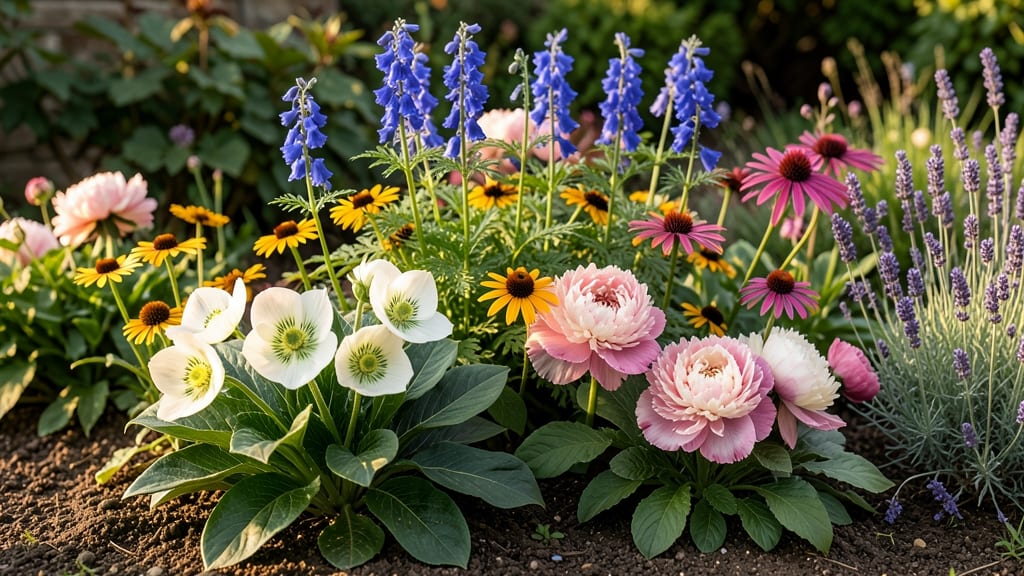
Your garden could look like a storybook—bold striped perennials are the latest English garden obsession, and they’re easier to grow than you’d think. 🌿 These plants bring drama with their contrasting colors while staying lush all year, even in partial shade.
I’ve tested the most reliable varieties, and they outperform anything from a nursery. The secret isn’t fancy soil—it’s choosing the right plants for your space. Striped varieties like Hosta ‘Striped Giant’ or Heuchera ‘Palace Purple’ thrive with just morning sun and consistent moisture.
They multiply over time, too, so you’ll have more than enough to share (or trade with neighbors). By late summer, you’ll have a garden that stops scrollers in their tracks—vibrant vertical stripes that catch the light and make your yard the envy of the block.
The best part? These plants need less fuss than annuals, so they’re perfect for busy gardeners. Works in cottage-style borders, modern containers, or even as a low-maintenance hedge. Let’s make your garden the talk of the neighborhood!
📚 In This Guide
- What you need
- Instructions
- Tips and common mistakes
- Wrapping up and next steps
What you need
- ● Bold Striped Perennial Seeds or Plants: 10–15 Chocolate Cos or Rainbow Swiss Chard plants (striped varieties thrive year-round)
- ● 5–10 Rainbow Carrot seeds (for vibrant purple-and-white striped roots)
- ● 3–5 Striped Sunflower seeds (e.g., ‘Moulin Rouge’ for edible greens and seeds)
- ● Soil: 1 bag well-draining potting mix (or garden soil amended with compost)
- ● 1 lb organic compost (for nutrient-rich beds)
- ● Containers or Garden Bed: 5–10 12-inch deep pots (for container gardening) or
- ● 1 6’x6’ raised bed (for in-ground planting)
- ● Watering Supplies: 1 watering can or hose with gentle spray nozzle
- ● Mulch (straw or shredded leaves) to retain moisture
- ● 1 hand trowel (for planting seeds)
- ● 1 garden gloves (to protect your hands)
- ● 1 pruning shears (for harvesting and maintenance)
- ● 💡 Slow-release fertilizer (e.g., 10-10-10 blend) for a nutrient boost
- ● 🌡️ Row covers or cloches (to extend the growing season in cooler climates)
- ● ✨ Decorative garden flags (to label your striped varieties for a polished look!)
How to design a year-round English garden with striped perennials
Here's my go-to approach for creating a bold, striped perennial garden that stays vibrant through all seasons.
🌱 Step 1: Plan Your Color and Height Layers
Start by sketching your garden bed on graph paper, dividing it into three height zones: background (3-4 feet tall), mid-height (1-2 feet), and foreground (under 1 foot). I like to use tall striped grasses like Miscanthus or Calamagrostis in the back, their vertical stripes creating instant drama. For mid-height, pair bold foliage like Hosta 'Blue Angel' with striped varieties such as Hosta 'Francee' or Heuchera 'Palace Purple' with white veining.
In the foreground, choose low-growing striped perennials like Lamium 'White Nancy' or Ajuga 'Chocolate Chip' to add texture and contrast. The key is to mix silver, gold, and deep purple stripes—they'll pop against each other and against solid-colored plants. I always include at least one variegated fern like Matteuccia struthiopteris 'Penny' to soften the bold stripes.
☀️ Step 2: Select Plants for Season-Long Interest
For year-round appeal, focus on perennials with striped foliage that stays attractive even in winter. Hellebores like Helleborus niger 'Jacob' (with its marbled leaves) and Sedum 'Autumn Joy' (for late-season color) are my staples—they provide structure when other plants go dormant. Pair these with evergreen striped grasses like Carex 'Ice Dance' or Carex 'Bowles Golden' that hold their stripes through frost.
Add a few flowering striped perennials for seasonal pops, like Iris 'Cadence' (silver-striped blooms) or Salvia 'May Night' (deep purple with striped foliage). These will give you color from early spring through fall. I always include at least one striped Heuchera—they bloom in spring but their foliage stays striking all season.
🪴 Step 3: Prepare the Soil for Rich, Moisture-Retentive Growth
English gardens thrive in well-draining, nutrient-rich soil. Amend your existing soil with 3 inches of compost and 1 inch of aged bark to improve drainage while retaining moisture. I like to work in a handful of bone meal for phosphorus (which encourages root growth) and a sprinkle of greensand for potassium. For heavy clay soil, mix in 20% perlite to prevent compaction.
Test your soil's pH—most striped perennials prefer slightly acidic to neutral soil (pH 6.0-7.0). If your soil is too alkaline, add peat moss or sulfur to adjust it before planting. The goal is soil that holds moisture but drains well, so you don't lose those delicate variegated leaves to rot.
💧 Step 4: Plant with Strategic Spacing for Fullness
Striped perennials often have bold foliage, so spacing matters. Plant clump-forming varieties like Hosta and Heuchera 18-24 inches apart to give them room to spread. For grasses and airy plants like Lamium, space them 12-18 inches apart—they'll fill in quickly but need airflow to prevent fungal issues. I always plant in a staggered pattern (like bricks) to create a natural, layered look.
Dig holes just deep enough to accommodate the root ball, then water each plant deeply before backfilling with soil. Press gently around the base to remove air pockets, but don’t compact the soil—striped perennials hate soggy roots. Mulch with 2-3 inches of shredded bark to suppress weeds and retain moisture, but keep mulch 2 inches away from stems to prevent rot.
✂️ Step 5: Maintain with Seasonal Pruning and Fertilizing
In early spring, cut back any dead foliage from the previous year, but leave the lower stems on perennials like Hellebores and Heuchera—they often produce new growth from the base. I fertilize lightly in spring with a balanced 10-10-10 formula and again in midsummer with a low-nitrogen, high-phosphorus feed (like 5-10-10) to encourage blooming. Avoid high-nitrogen fertilizers—they can wash out the variegation in striped leaves.
Deadhead spent blooms regularly to redirect energy to foliage growth, and divide clump-forming plants every 3-4 years in early spring. This keeps them vigorous and prevents overcrowding. In fall, cut back grasses and herbaceous perennials to 6 inches tall and leave the mulch in place—it protects roots from freezing and thaws.
Tips & tricks for perfect striped perennial gardens
Creating a garden that pops with striped perennials requires a few key tricks to ensure those bold patterns stay vibrant all year. Here's what I've learned from years of experimenting—and fixing mistakes!
Layering is Everything: When planning your height layers in Step 1, I recommend sketching your design on graph paper first. This helps visualize how the stripes will interact—silver foliage against deep purple creates the most dramatic contrast. Place taller grasses like Miscanthus in the back to create vertical drama, then fill mid-height with Hosta varieties and foreground with Lamium or Ajuga. The stripes should "read" like a painting when viewed from different angles.
Soil Science Prevents Fading: In Step 3, don't just amend your soil—test it first! Most striped perennials prefer pH 6.0-7.0, but I've seen variegated leaves turn dull green when soil is too alkaline. If your test shows pH above 7.0, add peat moss or sulfur before planting. Also, that 20% perlite for clay soil is non-negotiable—compacted soil will suffocate those delicate stripes and cause rot.
Spacing Secrets for Fullness: The 18-24 inch spacing for clump-forming plants in Step 4 might seem generous, but trust me—it prevents overcrowding that dulls variegation. I've seen gardens where plants were crammed too close, and their stripes faded to plain green from lack of airflow. For grasses, that 12-18 inch spacing gives them room to sway beautifully in the breeze, which actually enhances their striped appearance.
Fertilizer Finesse: That spring 10-10-10 and midsummer 5-10-10 feeding in Step 5 is crucial for maintaining stripe intensity. High-nitrogen fertilizers will make your striped leaves grow fast but lose their pattern. Instead, focus on phosphorus (the second number) to keep those variegated leaves vibrant. I also add a handful of Epsom salt to my midsummer feed—it boosts magnesium, which helps maintain the white or yellow stripes in plants like Heuchera.
Pro Tips for English Gardens Latest
- Creating a garden that pops with striped perennials requires a few key tricks to ensure those bold patterns stay vibrant all year.
- Layering is Everything: When planning your height layers in Step 1, I recommend sketching your design on graph paper first.
- Soil Science Prevents Fading: In Step 3, don't just amend your soil—test it first!
Frequently asked questions
Got questions about creating or maintaining a stunning English garden with bold striped perennials? Here are answers to some of the most common ones—because even the most beautiful gardens start with the right knowledge!
What are the easiest striped perennials to grow for year-round color?
Look for hardy varieties like Striped Coral Bells (Heuchera) or Zebra Grass (Miscanthus). These thrive in partial shade, require minimal maintenance, and offer striking foliage from spring through winter. For full sun, try Striped Daylilies (Hemerocallis)—they’re drought-tolerant once established!
When is the best time to plant striped perennials for maximum impact?
Plant in early spring (after the last frost) or early fall (6-8 weeks before your first frost) for the best root establishment. Spring planting gives them time to settle before summer heat, while fall planting avoids competition with summer bloomers. Pro tip: Mulch after planting to retain moisture!
How do I keep striped perennials looking vibrant in extreme heat or cold?
Most striped perennials are resilient, but water deeply 1-2 times per week during droughts and avoid cutting back until spring (even in winter). For cold snaps, add a light layer of mulch (2-3 inches) to protect roots. Choose native or cold-hardy varieties (like Striped Solomon’s Seal) for extra resilience.
What’s the quickest way to troubleshoot yellowing or wilting striped foliage?
Yellowing often signals overwatering or poor drainage—check soil moisture and amend with compost. Wilting in heat? It’s likely thirst or root stress. Trim affected leaves, water at the base (not overhead), and ensure 6+ hours of sunlight (or shade, depending on the plant). Fungal issues? Space plants for airflow and avoid wetting foliage.
Can I mix striped perennials with vegetables in a garden bed?
Pair Striped Basil or Zebra Kale with herbs like thyme or oregano—their bold stripes add visual interest while repelling pests (like aphids). For veggie beds, keep perennials 12+ inches away from root crops (e.g., carrots) to avoid competition. Win-win: Beauty and bounty!
Wrapping up and next steps
From bold striped perennials to year-round thriving plants, English gardens are redefining what’s possible in your veggie patch! 🌿 Whether you’re drawn to the striking ‘Painted Lady’ tomatoes or the hardy ‘Rainbow Swiss Chard’, these varieties prove that beauty and productivity go hand-in-hand.
With the right materials and a few pro tips, you’re ready to transform your garden into a vibrant, low-maintenance paradise.
Ready to dive in? Start small—plant a single striped variety this season and watch your garden bloom with confidence. Happy growing! 🌱