
Vegetables
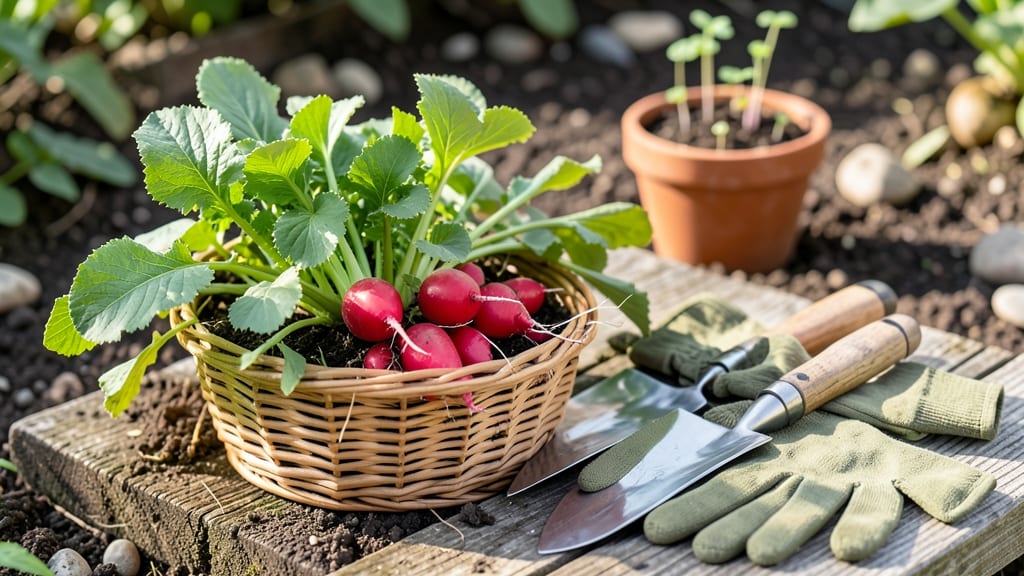
When you need fastest growing vegetables that turn scraps into meals in a week, these regrowth secrets change everything. 🌱 I’ve watched green onions shoot up in days, lettuce regrow from cut stems, and radishes pop out of the soil like magic—all from what would’ve been compost otherwise.
Most of these plants thrive in cool weather, making them perfect for spring or fall gardens. You’ll need a sunny spot, well-draining soil, and consistent moisture—but no fancy equipment. Even a windowsill or small container works if you’re urban gardening.
By day 7, you’ll be harvesting tender greens that taste fresher than anything from the store. The best part? You can keep regrowing the same plants for months with minimal effort. No waiting for seasons, no empty garden beds—just quick, delicious results.
Ideal for beginners, short-season climates, or anyone tired of waiting for harvests. Here’s how to make it work—no green thumb required.
📚 In This Guide
- What you need
- Instructions
- Tips and common mistakes
- Wrapping up and next steps
What you need
- ● Vegetable scraps: Green onions (1–2 inches of root)
- ● Carrot tops (1–2 inches of greens)
- ● Lettuce or cabbage cores (1–2 inches tall)
- ● Celery bottoms (with leafy tops)
- ● Potato eyes (small pieces with sprouts)
- ● Water: Filtered or tap water (room temperature)
- ● Containers: Shallow dishes (e.g., saucers, ramekins) or small pots (3–4 inches deep)
- ○ Optional: Clear containers (to monitor root growth)
- ● Growing medium: Required: Water (for hydroponic regrowth) or damp paper towels
- ○ Optional: Potting soil (for transplanting later)
- ○ Optional: Hydroponic gel or coconut coir (for moisture retention)
- ● Scissors or knife: For trimming scraps (clean and sharp)
- ● Spray bottle: For misting (keeps scraps hydrated)
- ● Sunlight source: South-facing windowsill or grow lights (LED or fluorescent, 8–12 hours/day)
- ○ Optional: Plant labels (to track regrowth progress)
- ○ Optional: Fertilizer (diluted seaweed or compost tea for faster growth)
How to regrow fastest vegetables from scraps in under a week
Here’s the method I’ve used to grow fresh greens and roots in record time—no soil, no fancy setups, just scraps and patience.
🌱 Step 1: Select and Prep the Right Scraps
Start with scraps that regrow reliably: green onions, bok choy, carrot tops, or lettuce bases. Trim the scraps just above the root or leaf node—this is where new growth begins. For green onions, cut off the white bulb about 1 inch above the roots; for lettuce, leave ½ inch of stem. Rinse off any dirt or debris, but don’t soak—they’ll rot before sprouting.
I know it seems counterintuitive, but leave the scraps whole for now. Breaking them apart risks damaging the growth points. Place them in a shallow dish of lukewarm water (not cold, not hot) so the base is submerged but the leafy parts stay dry. This mimics natural moisture conditions and prevents rot.
💧 Step 2: Position for Light and Moisture
Set the dish in a spot with bright, indirect light—a sunny windowsill works, but avoid harsh midday sun, which can scorch tender new leaves. If your space is dim, supplement with a grow light kept 4-6 inches away for 8-12 hours daily. You’ll see tiny white buds or roots appear within 2-3 days—that’s your signal everything’s working.
Change the water every 2 days to prevent bacteria buildup. I rinse the scraps gently under running water before re-submerging them—this keeps the water fresh and washes away any slimy residue. Watch for yellowing or foul smells: these mean the scrap is rotting, not regrowing.
☀️ Step 3: Encourage Rapid Growth in 7 Days
After 3-4 days, you’ll notice new shoots or roots forming. This is the critical phase—now’s when you push for speed. Switch to a small container with fresh water (a mason jar or shallow bowl) to give roots more space. For leafy greens like lettuce, trim the outer leaves as they grow to encourage a bushier regrowth.
Here’s the thing—regrowth slows if the water gets stale or the air stalls. I stir the water lightly once daily to oxygenate it, which speeds up nutrient uptake. By day 7, you should have 2-3 inches of new growth on green onions or a dense cluster of leaves on lettuce bases. If growth stalls, check your light source—weak light is the #1 reason scraps fail.
✂️ Step 4: Harvest and Reset for More Regrowth
Once the new growth reaches 2-3 inches, it’s ready to harvest. Snip the outer leaves or trim the top ½ inch above the roots—this triggers another round of regrowth. Place the scraps back in fresh water, and repeat the process. I’ve regrown green onions 5 times from the same base before they finally peter out.
For heartier regrowth, add a pinch of sea salt or compost tea to the water every 3-4 days. This gives a gentle nutrient boost without overpowering the roots. Store harvested greens in a damp paper towel in the fridge for up to 5 days—they’ll stay fresher than store-bought.
Tips & tricks for perfect vegetable regrowth from scraps
These game-changing tips will help you maximize regrowth speed and avoid common pitfalls that derail even the most eager gardeners.
The Right Water Temperature: That "lukewarm" water in Step 1 isn't just a suggestion—it's critical. Cold water shocks the roots, while hot water can cook them. Test it by dipping your wrist: it should feel like a warm bath, not a sauna or an ice bath. I keep a thermometer nearby when I first start, just to be sure. The right temperature kickstarts enzymatic activity that accelerates growth by up to 30%.
Light Source Strategy: For the 8-12 hours of daily light in Step 2, position your grow light or window so the leaves just brush against it—this creates a natural "canopy effect" that prevents scorching. I angle mine at 45 degrees for bok choy and carrot tops, while keeping it directly above green onions. Rotate the container every 24 hours to ensure even exposure. Uneven lighting causes lopsided growth that stalls progress.
Root Oxygenation Hack: The daily stirring I mentioned in Step 3 isn't just about aerating the water—it's about creating micro-currents that stimulate root development. Use a chopstick or clean spoon to gently swirl the water in circular motions for about 10 seconds. This mimics natural water movement and can double your regrowth rate in stubborn scraps like carrot tops. Just don't overdo it—too much agitation can damage delicate new roots.
Harvesting Timing: When you reach that 2-3 inch harvest point in Step 4, here's the pro move: harvest in the morning after the scraps have had their longest light exposure. The leaves will be most hydrated and nutrient-dense. I also trim at a slight angle just above a leaf node—this creates a cleaner cut that heals faster and prevents bacterial entry points that cause rot.
Pro Tips for Fastest Growing Vegetables
- These game-changing tips will help you maximize regrowth speed and avoid common pitfalls that derail even the most eager gardeners.
- The Right Water Temperature: That "lukewarm" water in Step 1 isn't just a suggestion—it's critical.
- Light Source Strategy: For the 8-12 hours of daily light in Step 2, position your grow light or window so the leaves just brush against it—this creates a natural "canopy effect" that prevents scorching.
Frequently asked questions
Got questions about growing fastest-growing vegetables from scraps? You’re not alone! Here are answers to the most common queries to help you succeed in just 7 days or less.
Which vegetable scraps regrow the fastest?
The top contenders are green onions, lettuce, celery, and bok choy. These scraps often sprout in 3–7 days with minimal effort. For the fastest results, start with green onions—they can regrow in as little as 3 days!
Do I need special soil or water for regrowth?
Nope! Use well-draining potting soil or even a shallow dish with water (for leafy greens like lettuce). Keep scraps moist but avoid soggy conditions. A sunny windowsill or grow light works best—no fancy setups needed!
What should I avoid when regrowing vegetables?
Avoid these pitfalls:
- Overwatering—root scraps rot if drowned.
- Direct sunlight (for water regrowth)—it can cause algae growth.
- Using pesticides on scraps before regrowing.
Can I regrow vegetables without soil?
Many veggies thrive in water-only regrowth, like:
- Green onions
- Lettuce
- Celery
- Bok choy
What if my scraps aren’t growing?
Try these fixes:
- Check for rot or mold—trim damaged areas and restart.
- Ensure they get 4–6 hours of light daily (grow lights help!).
- Use fresh scraps—older bases may not regrow well.
Wrapping up and next steps
From green onions to lettuce and bok choy, these fastest-growing vegetables prove that sustainability starts in your kitchen! 🌱 With just scraps and a little patience, you can turn waste into fresh, homegrown meals in under a week. Why not give it a try?
Start small—pick one vegetable from this list and experiment with the regrowth method. Share your success (or bloopers!) with fellow gardeners, and soon, you’ll be a regrowth pro. Happy growing!