
Vegetables
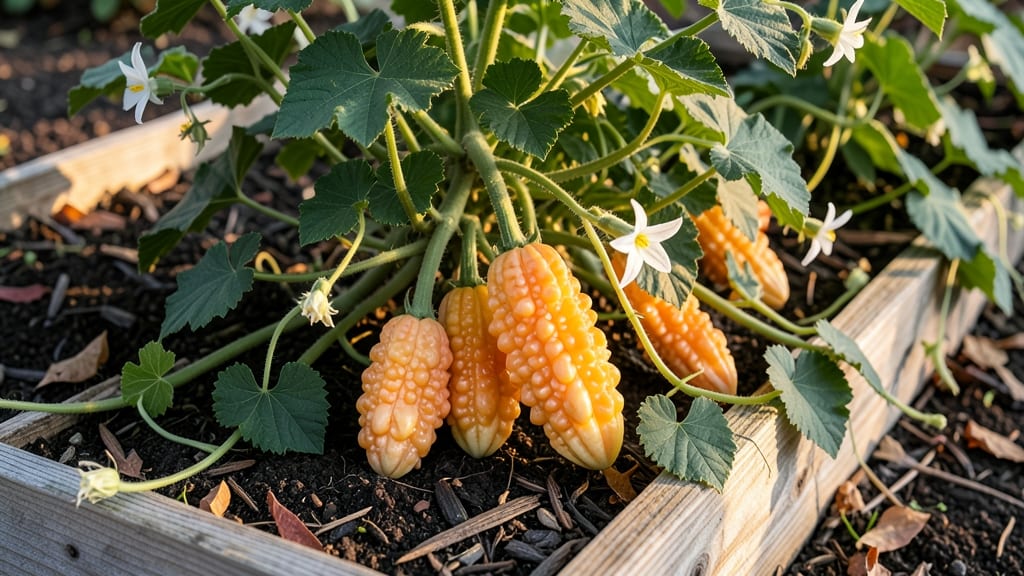
Growing orange bumpy gourds means adding a cold-hardy perennial to your garden that keeps coming back—and you can even regrow it from scraps. 🌱 These striking, textured gourds thrive where other plants fail, producing bold orange fruits that double as edible treats and ornamental centerpieces.
The secret lies in their resilience: they tolerate frost, bounce back from neglect, and multiply effortlessly.
Start with a sunny spot and well-draining soil—these gourds love heat but also handle cooler climates better than most. Plant seeds directly after the last frost or transplant mature starts in spring, spacing them 3-4 feet apart.
The vines grow aggressively, so give them room to sprawl or train them on trellises for vertical gardens. Water consistently but avoid soggy soil, and watch for squash bugs—their only real nemesis.
Harvest begins in late summer when the fruits turn a deep, glossy orange and feel firm to the touch. The bumpy texture makes them instantly recognizable, and their sweet, nutty flavor works in soups, pickles, or roasted dishes.
Save a few seeds or store a piece of the gourd to regrow next year—this plant is so tough, even a forgotten scrap in a damp paper towel will sprout.
Perfect for gardeners who want low-maintenance, high-reward plants that thrive in less-than-ideal conditions. Whether you're growing for food, decoration, or just the joy of watching something so hardy flourish, these gourds deliver. Here's how to make them a permanent part of your garden.
📚 In This Guide
- What you need
- Instructions
- Tips and common mistakes
- Wrapping up and next steps
What you need
- ● Orange bumpy gourd seeds or scraps: 3–5 seeds (or 1–2 healthy scraps with nodes) to start. Choose organic or heirloom varieties for best results.
- ● Well-draining potting mix: 5–10 gallons (for containers) or enrich your garden soil with compost (aim for 2–3 inches of organic matter per planting area).
- ● Containers or garden bed: Containers: 5-gallon pots or larger (minimum 12 inches deep) with drainage holes. Pro tip: 💡 Use fabric grow bags for better root aeration!
- ● Garden bed: Full sun (6+ hours/day) and space 3–5 feet apart if growing multiple plants.
- ● Fertilizer: Balanced organic fertilizer (10-10-10) or compost tea. Apply at planting and every 4–6 weeks.
- ● Watering can or hose with gentle nozzle: Keep soil consistently moist but not soggy (especially for young plants).
- ○ Trellis or stakes (optional but recommended): 6–8 feet tall for vining varieties. Use bamboo stakes or metal cages.
- ● Pruning shears: For trimming vines or harvesting scraps (sterilize with rubbing alcohol).
- ● pH test kit: Ideal soil pH: 6.0–6.8. Adjust with lime (to raise pH) or sulfur (to lower) if needed.
- ● Row cover or frost cloth: Protect young plants from late frosts (orange bumpy gourds tolerate 20–25°F but prefer warmth).
- ● Mulch (straw or shredded leaves): Retains moisture and regulates soil temperature.
- ● Grow lights (indoor start): If sowing seeds early, use LED grow lights 12–16 hours/day until transplanting.
Step-by-step instructions for growing orange bumpy gourd
This cold-hardy perennial thrives with minimal fuss—here's how to get it growing strong.
🌱 Step 1: Choose and Prepare Your Planting Site
Orange bumpy gourd loves full sun and well-draining soil. Pick a spot with at least 6 hours of direct sunlight daily. The gourd’s roots spread aggressively, so give it 3-4 feet of space in all directions—crowding leads to weak growth and fewer gourds. Amend heavy clay soil with 3 inches of compost to improve drainage.
I always test soil moisture before planting. Stick your finger 2 inches deep—if it feels dry, the gourd will struggle. This plant tolerates poor soil better than soggy soil, so raised beds work well if your yard drains poorly. Avoid low spots where water pools after rain.
🌱 Step 2: Plant Seeds or Scraps at the Right Time
For seeds, sow them 2-3 weeks after your last frost date when soil reaches 60°F. Plant seeds 1 inch deep and 6 inches apart—they germinate best in warm soil. If using scraps (like a 3-inch stem with nodes), place them in moist soil with the bottom node buried. I’ve regrown plants from grocery store scraps this way!
Keep soil consistently moist but not soggy during germination. You’ll see sprouts in 7-14 days—wait until seedlings have 2-3 true leaves before thinning to 1 plant per 3 feet. Thin carefully with scissors to avoid disturbing roots. This plant self-seeds aggressively, so deadhead flowers if you don’t want volunteers popping up everywhere.
☀️ Step 3: Water and Fertilize for Maximum Growth
Water deeply 1-2 times weekly, giving 1 inch of water per week. The bumpy gourd’s thick skin stores moisture, so it’s drought-tolerant once established—but young plants need consistent moisture. Water at the base to avoid wetting leaves, which can cause fungal issues. I water in the morning so foliage dries quickly.
Fertilize lightly in spring with 5-10-10 fertilizer at half strength. Too much nitrogen makes leaves lush but reduces gourd production. Stop fertilizing after mid-summer—this plant stores energy for winter. Mulch with 2 inches of straw to retain moisture and regulate soil temperature.
✂️ Step 4: Prune and Harvest for Best Results
Prune leggy vines in early summer to encourage bushier growth. Pinch back tips to 12 inches tall when plants reach 18 inches. This redirects energy to gourd production instead of vertical growth. Remove any yellowing leaves immediately—they spread disease to healthy foliage.
Harvest gourds when they turn a deep orange and feel firm to the touch. Use pruning shears to cut stems 1 inch above the gourd. Leave some gourds on the vine to mature fully—they’ll last through winter. Store harvested gourds in a cool, dry place. This plant is perennial, so it’ll regrow from the same roots year after year!
⏰ Step 5: Prepare for Winter Survival
The orange bumpy gourd’s cold resistance is its superpower—it survives down to 10°F with proper care. In fall, cut back vines to 6 inches tall and mulch heavily with 4-6 inches of straw. This protects the crown from freezing. I’ve seen plants bounce back from -5°F with no issues!
Remove mulch in early spring before new growth appears. The plant emerges quickly once temperatures rise above 50°F. Avoid fertilizing until you see new leaves—this ensures energy goes to root establishment, not top growth. With proper winter care, your gourd will thrive for years with minimal effort.
Tips & tricks for perfect orange bumpy gourd growth
Real talk: These little details make all the difference between a struggling plant and a thriving perennial.
Sunlight Secret: While 6 hours of direct sunlight is the minimum, I’ve found that plants in full sun (8+ hours) produce twice as many gourds. The key is morning sun—it helps dry dew quickly and prevents fungal issues. If your yard has afternoon shade, that’s actually better than morning shade for this plant.
Germination Hack: The 7-14 day germination window can feel like forever, but you can speed things up by pre-soaking seeds in warm water for 4-6 hours before planting. For scraps, make sure the stem has at least 2 visible nodes—the more nodes, the better chance of successful regrowth. I’ve even had luck with scraps that were starting to sprout in water!
Watering Wisdom: That 1-2 times weekly guideline works great, but pay attention to your soil type. Sandy soil dries faster—you might need to water every other day. Clay soil holds moisture longer, so you can stretch to every 10 days once established. The 2-inch deep moisture test is your best friend here.
Winter Prep Pro Tip: Don’t wait until the first frost to cut back vines—do it when temperatures consistently drop below 50°F. This gives the plant time to harden off before winter. I’ve seen plants survive -10°F with proper mulching, but the 4-6 inches of straw is non-negotiable for true cold resistance.
Pro Tips for Orange Bumpy Gourd
- Real talk: These little details make all the difference between a struggling plant and a thriving perennial.
- Sunlight Secret: While 6 hours of direct sunlight is the minimum, I’ve found that plants in full sun (8+ hours) produce twice as many gourds.
- Germination Hack: The 7-14 day germination window can feel like forever, but you can speed things up by pre-soaking seeds in warm water for 4-6 hours before planting.
Frequently asked questions
about growing and using orange bumpy gourd (also called warty gourd or Chinese okra) can help you avoid common pitfalls. Here are answers to the most pressing questions:How long does it take for orange bumpy gourd to produce fruit?
The first harvest typically arrives 60–90 days after planting, depending on your climate and growing conditions. If you’re growing from scraps (like stem cuttings), expect a slightly longer wait—2–3 months—since the plant needs time to establish roots and foliage before flowering. Patience pays off with a perennial harvest for years to come!
Can I grow orange bumpy gourd in cold climates?
Yes! This gourd is cold-hardy and thrives in USDA zones 7–11, but it can tolerate brief dips to 25°F (-4°C) with proper mulching. In colder zones (below 7), grow it as an annual or overwinter potted plants indoors. Its perennial nature makes it a great choice for gardeners in mild winters.
How do I regrow orange bumpy gourd from scraps?
Simply take 4–6 inch stem cuttings with at least 2–3 nodes (bumpy areas where leaves grow), dip them in rooting hormone (optional), and place them in moist soil or water. Keep them in bright, indirect light and maintain humidity. Roots should form in 2–4 weeks—then transplant outdoors or keep indoors for year-round regrowth!
What are the best ways to use orange bumpy gourd in cooking?
This gourd is versatile! Use it young and tender (like okra) in stir-fries, soups, or curries. When mature, its sweet, nutty flavor works well in roasted dishes, pickles, or even desserts (like jams). The bumps soften when cooked, making it a great meat substitute in vegan recipes. Pro tip: Harvest small for a crisp texture!
What pests or diseases should I watch for with orange bumpy gourd?
Common issues include aphids, spider mites, and powdery mildew, especially in humid conditions. Prevent pests with neem oil or companion planting (try basil or marigolds). For mildew, ensure good airflow and avoid overhead watering. If leaves yellow, check for overwatering or nutrient deficiency—balance is key!
Are there any edible alternatives if I can’t grow orange bumpy gourd?
If you’re craving its okra-like texture or nutty flavor, try okra, chayote, or even young pumpkin (like delicata). For a perennial option, Chinese yam (Dioscorea opposita) or cucumbers (like long English cucumbers) can be substitutes. Each brings unique flavors, but none match the regrowth magic of this resilient gourd!
Wrapping up and next steps
Growing orange bumpy gourd is a rewarding journey—whether you're drawn to its unique texture, resilience, or culinary versatility.
This cold-resistant perennial thrives with minimal effort, rewards you with abundant harvests, and even regenerates from scraps! 🌱 With the right soil, sunlight, and care, you’ll enjoy a thriving patch year after year.
Ready to dive in? Start small—plant a few seeds or cuttings in a sunny spot, and soon you’ll be savoring homegrown goodness. Happy growing! 🌟