
Vegetables
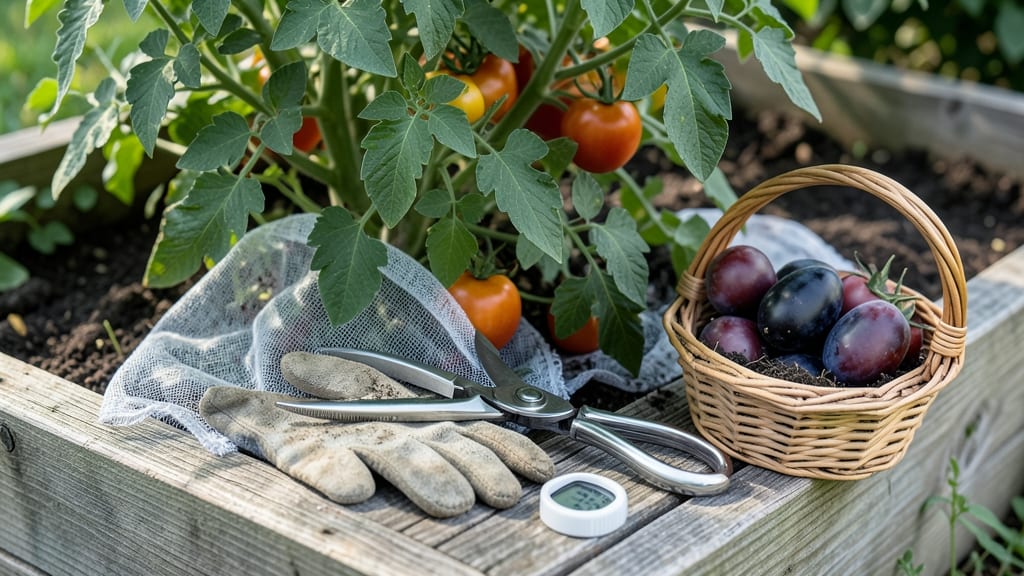
Freezing plum tomatoes lets you capture summer's sweetness for winter soups and sauces. 🌱 I used to dread the end of tomato season, but now I freeze bushels of ripe fruit—no more store-bought cans with questionable ingredients.
The key is timing: freeze them at their peak, between 70°F and 85°F when their flavor is most concentrated.
Start with vine-ripened tomatoes that yield slightly to gentle pressure. Blanching isn't required—just wash, dry, and slice them into halves or quarters (whole tomatoes freeze fine too, but sliced versions blend more easily later).
The skin stays intact, preserving color and texture, while the flesh remains juicy and vibrant for up to 12 months in freezer bags.
When winter rolls around, you'll thaw tomatoes straight from the freezer into recipes—no need to defrost first. They work perfectly in sauces, stews, or even smoothies, delivering that summer-bright acidity and sweetness that store-bought tomatoes can't match. The only difference? You'll taste the garden in every bite.
Pro tip: Label bags with the date and variety—my Roma tomatoes freeze especially well for sauces, while cherry plum types stay firm for snacking. Skip overcrowding bags, and you'll have restaurant-quality tomatoes ready whenever you crave them. Happy preserving!
📚 In This Guide
- What you need
- Instructions
- Tips and common mistakes
- Wrapping up and next steps
What you need
- ● Fresh plum tomatoes: 10–12 lbs (about 15–20 medium-sized tomatoes). Choose firm, ripe, and unblemished ones for the best texture and flavor.
- ● Water: 1 gallon (for blanching and ice bath). Use filtered or distilled if possible to avoid off-flavors.
- ● Lemon juice or citric acid: 1 tablespoon per quart of water (to prevent browning and maintain color).
- ● Freezer-safe bags or containers: Quart-sized (2–3 bags) or gallon-sized (1 bag) heavy-duty freezer bags (with zip-top closures) or
- ● Rigid plastic containers with tight-sealing lids (ensure they’re labeled "freezer-safe").
- ● Ice: 1–2 cups (for the ice bath).
- ● Large stockpot or deep pot: Big enough to hold 4–5 quarts of water for blanching.
- ● Colander or slotted spoon: For draining blanched tomatoes.
- ● Sharp knife and cutting board: A serrated knife works best for slicing tomatoes.
- ● Tongs or spatula: For safely handling hot tomatoes.
- ● Measuring cups and spoons: For precise lemon juice or water additions.
- ● Permanent marker or labels: To label bags/containers with the date and contents.
- ○ Optional but helpful: Food scale (for weighing tomatoes if preferred).
- ● Vacuum sealer (to extend shelf life and reduce freezer burn).
- ● Glove or towel (to protect hands from hot water).
- ● About 45–60 minutes of active time (plus freezing time).
- ● A clean, dry workspace (tomatoes can get messy!).
- ● Access to a freezer with space for your tomatoes (aim for -0°F to 0°F for best results).
- ● Patience! Rushing can lead to uneven blanching or freezer burn.
Step-by-step instructions for freezing plum tomatoes
Preserving your summer harvest couldn’t be simpler—just follow these steps to lock in flavor.
🌱 Step 1: Select and Prepare the Tomatoes
Pick ripe but firm plum tomatoes with vibrant color—overripe ones will turn mushy when frozen. Rinse them under cool water to remove dirt and debris, then pat completely dry with a clean towel. I always work in batches of 4-6 tomatoes at a time to keep things manageable.
Cut each tomato into halves or quarters, depending on size—smaller pieces thaw faster and reheat more evenly. Remove the stems and any bruised spots, as they can affect texture. Place the cut tomatoes in a single layer on a baking sheet lined with parchment paper. This prevents them from sticking together during the freezing process.
✂️ Step 2: Blanch for Texture and Flavor Retention
Blanching stops enzyme activity that causes texture breakdown and preserves color. Bring a large pot of water to a rolling boil, then carefully add the tomato pieces in batches—don’t overcrowd, or they won’t cook evenly. Blanching time is critical: 30-45 seconds for small tomatoes, 1-2 minutes for larger ones.
Use a slotted spoon to transfer the blanched tomatoes immediately to a bowl of ice water to shock and halt cooking. Let them cool for 2-3 minutes until fully chilled. This step is where most people rush—don’t skip it. Proper blanching ensures your frozen tomatoes stay firm and flavorful, not soupy or discolored.
❄️ Step 3: Package for Long-Term Freezing
Drain the cooled tomatoes thoroughly and transfer them to heavy-duty freezer bags or airtight containers. Press out as much air as possible to prevent freezer burn—this is where most people go wrong. I like to divide the tomatoes into 1-pint portions for easy use later, labeling each bag with the date and variety.
For extra protection, place a piece of parchment paper between layers if using containers. Freeze the tomatoes flat at first to save space, then transfer to a freezer-safe box if needed. They’ll keep for up to 12 months at 0°F or below, though flavor peaks within the first 6 months.
🍅 Step 4: Thaw and Use in Cooking
Thaw frozen tomatoes directly in recipes—no need to defrost first. They’ll release their juices naturally as they heat up. For sauces, simply add them to simmering dishes and cook until softened. For salsas, let them thaw in a colander to drain excess moisture before chopping.
I often use them in marinara, chili, or even blended into soups. The skins will soften but hold their shape, giving you a rustic texture. If you prefer smoother results, peel the tomatoes before freezing by dipping them in boiling water for 10 seconds before blanching.
Tips & tricks for preserving plum tomatoes
Here's what nobody tells you about getting perfect results with your frozen harvest—these tricks make all the difference.
Selection Tip: Look for plum tomatoes that are firm but yielding when gently squeezed—this indicates peak ripeness. Avoid tomatoes with soft spots or cracks, as these will release excess liquid during freezing. The smaller the tomato, the faster they'll thaw and reheat evenly, so don't be afraid to cut them into quarters if they're particularly large. I've found that working with batches of 4-6 tomatoes at once keeps the process manageable and prevents overcrowding during blanching.
Blanching Secret: The 30-45 seconds to 1-2 minutes blanching time is non-negotiable for texture—this brief cooking stops enzymes that would otherwise turn your frozen tomatoes into mush. Use a timer! I've ruined batches by rushing this step. For even cooking, maintain a rolling boil and add tomatoes in single layers. The ice water bath after blanching is just as critical—it's what preserves that vibrant color and firm texture we're all after.
Freezer Strategy: When packaging your 1-pint portions, leave about 1/2 inch of headspace in containers or bags—this accounts for expansion as the tomatoes freeze. I've learned the hard way that overfilling leads to burst containers. For long-term storage, I like to place parchment paper between layers in containers to prevent sticking. Label each package with both the date and tomato variety—this helps you track freshness and plan future recipes.
Thawing Hack: There's no need to thaw tomatoes before cooking, but if you're making salsa or need them whole, drain them in a colander for 5-10 minutes after thawing to remove excess moisture. For sauces, simply add frozen tomatoes directly to your simmering dish—they'll release their juices naturally as they heat up. This direct-from-freezer method preserves more nutrients than traditional thawing.
Pro Tips for Freezing Plum Tomatoes
- Here's what nobody tells you about getting perfect results with your frozen harvest—these tricks make all the difference.
- Selection Tip: Look for plum tomatoes that are firm but yielding when gently squeezed—this indicates peak ripeness.
- Blanching Secret: The 30-45 seconds to 1-2 minutes blanching time is non-negotiable for texture—this brief cooking stops enzymes that would otherwise turn your frozen tomatoes into mush.
Frequently asked questions
Got questions about freezing plum tomatoes?
Here are answers to the most common ones—so you can preserve that summer harvest with confidence!
Can I freeze plum tomatoes whole?
Not ideal! Whole plum tomatoes may burst or develop a mushy texture when thawed. Instead, core and peel them first, then chop or crush for best results. If you’re short on time, a quick blanch (30–60 seconds in boiling water) before freezing can help maintain shape.
How long can I store frozen plum tomatoes?
Frozen plum tomatoes stay fresh for 8–12 months at 0°F (-18°C) or colder. For peak flavor, use them within 6–9 months. Label bags with the date to track freshness—freezer burn can dull taste over time.
Do I need to blanch tomatoes before freezing?
Blanching (dipping in boiling water for 30–60 seconds, then ice bath) helps preserve color, texture, and flavor by stopping enzyme activity. However, if you’re freezing crushed or sauce forms, blanching is optional—just focus on removing skins/seeds first for smoother results.
Why do my frozen tomatoes turn gray or watery after thawing?
Gray or watery thawed tomatoes usually mean oxidation or poor prep. To fix it:
- Use airtight containers
- Remove as much air as possible before freezing
- Add a splash of lemon juice or ascorbic acid (¼ tsp per quart) to slow browning
- Avoid refreezing thawed tomatoes
What’s a good alternative if I don’t have plum tomatoes?
Any firm, ripe tomato variety works—cherry, Roma, or even heirlooms! Just adjust prep time: Cherry tomatoes can freeze whole (halved), while larger varieties need peeling and crushing. Sauce tomatoes (like San Marzano) are perfect for freezing as purées or diced.
Wrapping up and next steps
Freezing plum tomatoes is your ticket to enjoying sun-ripened, vine-ready flavor even in the dead of winter—no canning skills required! Whether you’re stocking up for homemade sauces, salsas, or soups, this method locks in sweetness and texture with minimal effort. You’ve got this!
Ready to take the next step? Start small—freeze a batch of your favorite variety today, then experiment with recipes like homemade pasta sauce or roasted tomato jam. Your future self (and taste buds) will thank you! 🌱❄️