
Vegetables
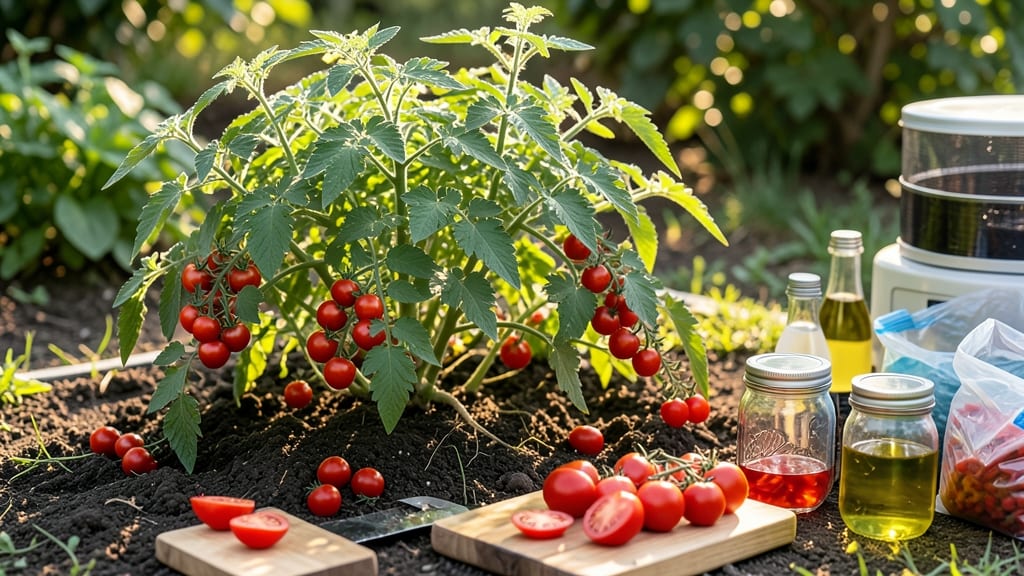
Your cherry tomatoes won’t last past Labor Day if you don’t act now. 🍅 The secret to preserving their sweetness lies in cold storage—keeping them crisp, flavorful, and ready to eat for weeks after harvest.
I’ve saved hundreds of dollars worth of tomatoes this way, and I’ll show you exactly how to do it without fancy equipment or complicated steps.
Start by selecting the ripest, firmest tomatoes—those are the ones that’ll store best. Once picked, give them a gentle rinse and dry them thoroughly before storing in a single layer on a wire rack in the fridge.
A paper towel-lined container works too, but avoid plastic bags (they trap moisture and cause rot). For even longer storage, try a root cellar or cool basement set to 50-55°F—these conditions can keep tomatoes fresh for up to 3 months.
When you’re ready to use them, you’ll notice they stay vibrant, juicy, and packed with flavor—like they were just plucked from the vine. The key is checking them weekly for soft spots or mold, which spread faster in cold storage.
If you spot any, remove them immediately to save the rest of the batch.
This method works for any variety of cherry tomatoes, whether you’re growing heirlooms or store-bought hybrids. Once you master cold storage, you’ll never let a single tomato go to waste again—just imagine the savings and the freshness you’ll enjoy all season long.
📚 In This Guide
- What you need
- Instructions
- Tips and common mistakes
- Wrapping up and next steps
What you need
- ● Fresh cherry tomatoes – 1–2 pints (or as many as you want to preserve)
- ● Paper towels – 2–3 sheets (for drying)
- ● Air-tight containers – 1–2 (glass or plastic, with lids; e.g., mason jars, Tupperware)
- ● Plastic wrap or parchment paper – 1 roll (for wrapping individual tomatoes)
- ● Refrigerator or cool storage space – Must stay between 35–40°F (2–4°C)
- ● Vinegar or lemon juice – A few drops (to extend shelf life by preventing mold)
- ● Silica gel packets – 1–2 (for absorbing excess moisture in containers)
- ● Food-grade spray (like olive oil or beeswax) – A light mist (to add a protective barrier)
- ● Vacuum sealer – 1 (for long-term storage beyond a few weeks)
Step-by-Step guide to preserving cherry tomatoes through cold storage
Here's how I keep cherry tomatoes fresh and flavorful for weeks—no fancy equipment needed.
🌱 Step 1: Select and Prepare the Tomatoes
Pick tomatoes that are fully ripe but still firm to the touch—slightly soft spots mean they're ready for storage. Gently rinse them in cool water and pat them completely dry with a clean towel. Any moisture left on the skin will speed up spoilage.
Remove stems by twisting them off cleanly, but don't cut them. A clean break prevents bacteria from entering the fruit. Sort through the tomatoes and set aside any with bruises, cracks, or soft spots—they won't last as long and could spoil the rest.
💧 Step 2: Create the Ideal Storage Environment
Place the dried tomatoes in a single layer inside a paper bag or a perforated plastic container with a loose lid. The key is airflow—crowding them will trap moisture and cause mold. If using a container, leave the lid slightly ajar or poke small holes in it.
Store the container in the coldest part of your refrigerator, typically the crisper drawer. Aim for a temperature between 36-40°F—this slows down ripening and preserves freshness. Avoid storing them near strong-smelling foods like onions or garlic, as tomatoes absorb odors easily.
☀️ Step 3: Monitor and Rotate Weekly
Check the tomatoes every 3-4 days and remove any that start to soften or develop mold. Use a sharp knife to trim off any affected spots immediately—don't let them sit. Rotate the container so all tomatoes get even exposure to the cold air.
If you notice condensation inside the container, let it sit open for 15-20 minutes to dry out before closing it again. Excess moisture is the fastest way to ruin your stash. For best results, consume or use stored tomatoes within 2-3 weeks—they'll stay fresher longer than you'd expect.
⏰ Step 4: Extend Freshness with Optional Treatments
For an extra week of freshness, lightly dust the tomatoes with cornstarch before storing. Just a thin layer will absorb excess moisture and create a natural barrier. Shake off any excess—you only need a light coating, not a thick powder.
If you have a humidity-controlled drawer, set it to 90-95% humidity for cherry tomatoes. This mimics their natural growing conditions and keeps them firm longer. Most refrigerators have a setting for this—check your owner's manual if you're unsure.
🌿 Step 5: Use or Transform Before They Spoil
When tomatoes start to lose their snap or develop a mealy texture, it's time to use them up. They're perfect for sauces, salsas, or roasting at this stage. If you won't use them within a week, consider freezing them whole or turning them into tomato paste.
To freeze, place the tomatoes in a single layer on a tray and freeze solid. Once frozen, transfer them to a sealed bag or container. Label with the date—they'll keep for up to 6 months in the freezer. Thawed tomatoes work great in cooked dishes where texture doesn't matter.
Tips & tricks for perfect cherry tomato preservation
These little tricks will help you keep your cherry tomatoes fresher for weeks without any fancy gadgets.
Selection Matters: In Step 1, when picking tomatoes, focus on those with a slight softness at the stem end—this indicates peak ripeness for storage. Avoid tomatoes with cracks or bruises, as they'll spoil faster. I've learned the hard way that even one compromised tomato can cause mold to spread to the whole batch.
Airflow is Everything: The single layer arrangement in Step 2 isn't just about space—it's about airflow. When storing in containers, poke holes in the lid if it's not already perforated. I once stored tomatoes in an airtight container and woke up to a moldy mess after just 5 days. That's when I realized proper ventilation prevents condensation buildup.
Temperature Consistency: The 36-40°F range in Step 2 is crucial—any warmer and they'll ripen too quickly. I keep mine in the vegetable crisper drawer where my fridge maintains a steady 38°F. If your fridge runs hotter, consider placing them on a shelf near the back where it's coldest. The temperature fluctuations from opening and closing the fridge door can also affect freshness.
Optional Freshness Boosters: For that extra week of freshness mentioned in Step 4, the cornstarch trick works wonders. I lightly dust my tomatoes with about 1 teaspoon of cornstarch for every pound of tomatoes. This creates a natural moisture barrier while still allowing airflow. Just be gentle—you don't want to coat them heavily, or they'll taste starchy.
Pro Tips for Preserve Cherry Tomatoes
- These little tricks will help you keep your cherry tomatoes fresher for weeks without any fancy gadgets.
- Selection Matters: In Step 1, when picking tomatoes, focus on those with a slight softness at the stem end—this indicates peak ripeness for storage.
- Airflow is Everything: The single layer arrangement in Step 2 isn't just about space—it's about airflow.
Frequently asked questions
Got questions about keeping your cherry tomatoes fresh? You’re not alone! Here are some of the most common concerns—and straightforward answers to help you preserve those juicy little gems like a pro.
How long do cherry tomatoes last in the fridge?
Fresh cherry tomatoes can stay crisp and flavorful in the fridge for about 1–2 weeks when stored properly in a paper towel-lined container. Avoid washing them before storage to prevent sogginess—just give them a quick rinse before eating. For longer shelf life, try freezing or canning!
Can I freeze cherry tomatoes whole?
Freezing cherry tomatoes whole isn’t ideal—they’ll turn mushy when thawed. Instead, blanch them for 30–60 seconds in boiling water, then plunge into ice water before freezing. This preserves texture for sauces, salsas, or roasted dishes. Pro tip: Remove stems first to avoid freezer burn!
What’s the best way to store cherry tomatoes at room temperature?
For short-term storage (up to 3–5 days), keep them stem-side down in a single layer on a countertop or in a breathable basket. Avoid sealing them in airtight containers—they’ll sweat and spoil faster. A paper bag with small holes works too!
Why do my cherry tomatoes turn soft or moldy quickly?
Soft or moldy tomatoes usually mean excess moisture or ethylene gas buildup. Fix it by:
- Storing them unwashed and unrefrigerated (if eating within 3 days).
- Separating bruised or damaged tomatoes from the bunch.
- Using a ventilated container (like a colander or mesh bag) to improve airflow.
Are there alternatives to refrigeration for preserving cherry tomatoes?
Try these methods for longer freshness:
- Room-temperature storage: Keep in a cool, dark place (like a pantry) for up to 5 days.
- Fermenting: Make a quick lacto-fermented batch with salt and water for probiotic-rich tomatoes.
- Dehydrating: Slice and dry at 135°F (57°C) for 4–6 hours for shelf-stable snacks.
- Oil preservation: Submerge in food-grade oil (like olive oil) in a clean jar for a Mediterranean-style treat.
Wrapping up and next steps
Preserving cherry tomatoes is easier than you think—whether you’re storing them short-term in the fridge or prepping them for long-term freezing or canning.
With the right techniques, you can enjoy their vibrant flavor all year round without waste. Start small, experiment with methods, and soon you’ll be a cherry tomato preservation pro!
👉 Next step: Pick one method from this guide and try it today—your future self (and taste buds) will thank you! 🍅✨